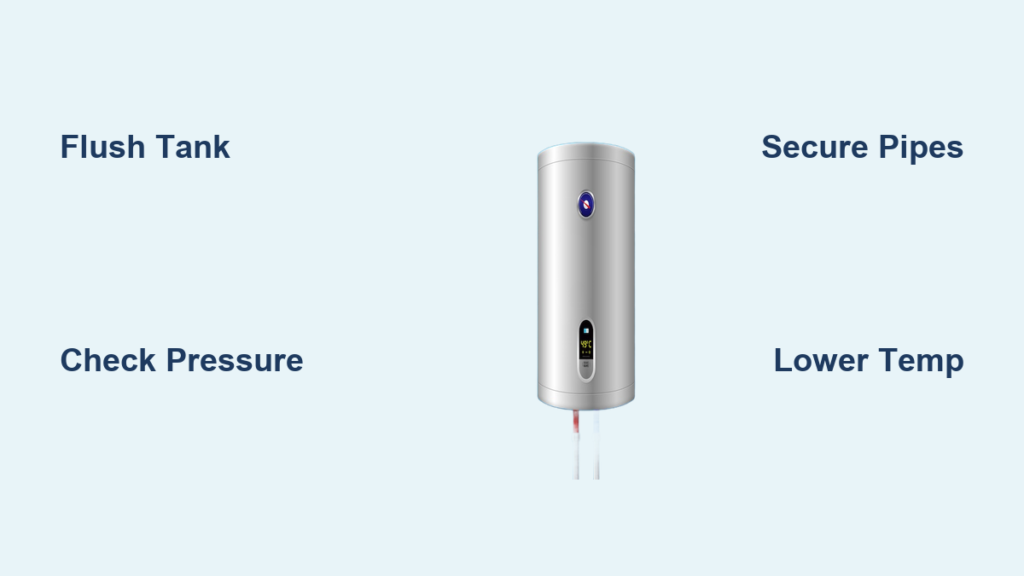
You’re relaxing at home when you hear it: a loud knocking noise from your water heater. It might sound like banging, rumbling, or even popcorn popping. Annoying? Absolutely. But more importantly, it’s a warning sign. That water heater knocking noise isn’t just a nuisance. It’s often a clue that sediment buildup, pressure issues, or failing components are at play. Left unattended, these problems can reduce efficiency, shorten your heater’s lifespan, or even cause damage.
The good news: in most cases, you can diagnose and fix the issue yourself with basic tools and a little know-how. Whether you have a traditional tank-style water heater or a high-efficiency model, this guide will help you identify the root cause of the knocking noise and walk you through clear, actionable steps to silence it. From simple annual maintenance to targeted repairs, you’ll learn how to restore quiet operation and keep your system running safely.
Identify the Source of the Knocking Noise
The first step in fixing a water heater knocking noise is determining where the sound is coming from and when it occurs. Misdiagnosis can lead to unnecessary repairs or missed hazards.
Listen for Timing and Pattern
Pay attention to when the noise happens:
– Only during heating cycles? Likely sediment-related.
– After hot water use? Could be thermal expansion or pipe movement.
– Constant ticking or popping? Often normal metal contraction.
Rumbling or loud banging when the burner fires is a classic sign of sediment buildup on the tank bottom. As water heats, trapped pockets boil, creating mini-explosions under the sediment layer.
Check Nearby Pipes and Mounts
Loose or unsecured pipes can vibrate and knock against walls or framing. Follow the sound:
– Trace pipes from the water heater through walls and ceilings.
– Look for gaps in pipe insulation or missing straps.
– Press gently on exposed pipes while the heater runs. Movement means looseness.
If the noise seems to come from the expansion tank or pressure relief valve, the issue may be related to water pressure, not the heater itself.
Flush the Tank to Remove Sediment
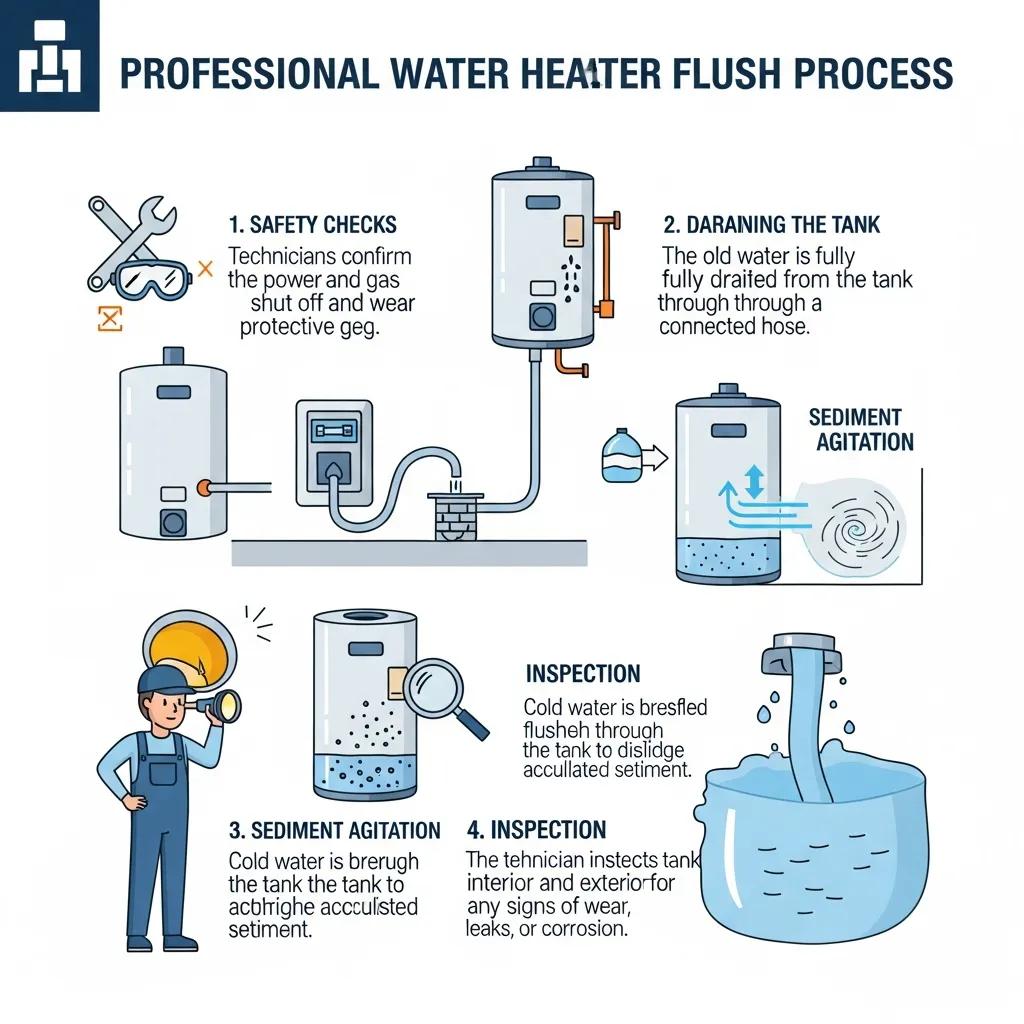
Sediment buildup is the most common cause of water heater knocking noise, especially in areas with hard water. Minerals like calcium and magnesium settle at the bottom, creating an insulating layer that traps heat and causes rumbling.
Prepare for Flushing
Tools needed:
– Garden hose
– Bucket or floor drain
– Adjustable wrench
– Safety gloves and goggles
Safety first:
1. Turn off the power supply:
– Electric: Switch off at the breaker.
– Gas: Set thermostat to “Pilot” or “Off”.
2. Shut off the cold water inlet valve.
3. Let the water cool for 3–4 hours or flush carefully with hot water first.
Drain and Flush the Tank
- Attach a hose to the drain valve at the bottom of the tank.
- Open a hot water faucet somewhere in the house (e.g., kitchen sink) to allow air in.
- Open the drain valve and let water flow into a bucket or drain.
- Once mostly drained, briefly open the cold water inlet to stir up remaining sediment.
- Repeat flushing until water runs clear.
- Close the drain valve, remove the hose, and refill the tank.
Pro tip: Do this once a year to prevent future knocking and improve efficiency.
Inspect for Thermal Expansion Issues
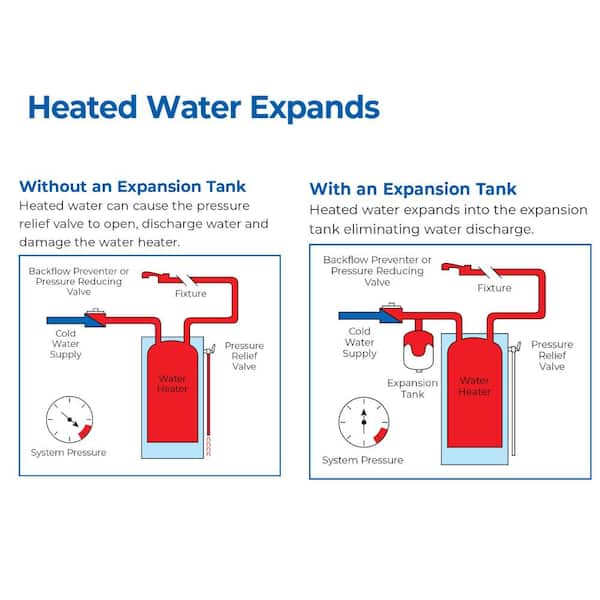
If knocking occurs after using hot water and stops shortly after, thermal expansion may be the culprit. As water heats, it expands, increasing pressure in a closed system.
Test the Expansion Tank
Many homes have an expansion tank mounted on the cold water line. Here’s how to check it:
1. Turn off the water supply.
2. Tap the tank halfway down. It should feel warm on top and cool on bottom.
3. If it feels uniformly warm, it may be waterlogged and ineffective.
4. Check air pressure with a gauge (should be 12–60 psi, matching home water pressure).
Replace a failed expansion tank to prevent pressure-related knocking.
Examine the Pressure Relief Valve
This safety valve should never leak or drip unless actively relieving excess pressure.
– If it discharges water after heating cycles, pressure is too high.
– Test by lifting the lever briefly. Water should flow out and stop when released.
– Replace if corroded, leaking, or not sealing.
Warning: High pressure can damage plumbing and create safety hazards.
Secure Loose Pipes and Components
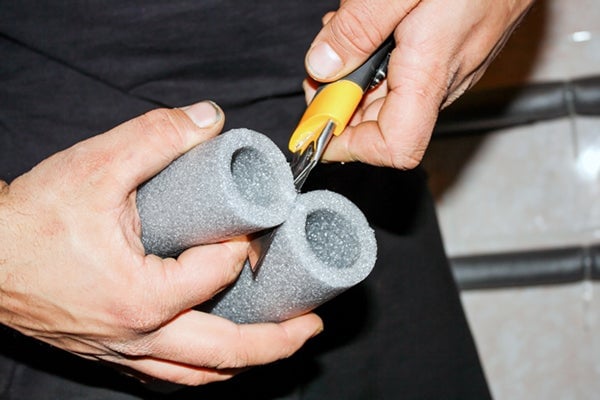
Knocking may not come from the tank at all. Loose pipes are a frequent imposter.
Locate and Fasten Exposed Pipes
- Turn off water and drain pressure.
- Use pipe straps or clamps to secure lines to wall studs or joists.
- Add foam insulation between pipe and framing to dampen vibration.
- Ensure at least one strap every 6–8 feet for vertical and horizontal runs.
Focus areas:
– Pipes near the water heater
– Lines running through floor joists
– Exposed basement or crawlspace plumbing
Even small movements can amplify noise, especially when water flow starts or stops.
Adjust Temperature Settings
High thermostat settings can worsen knocking noise, especially with sediment present.
Lower the Thermostat
Set the water heater to 120°F (49°C), which is ideal for safety and efficiency.
– Electric models: Remove access panels to reach thermostats.
– Gas models: Use the dial near the gas control valve.
Wait 6–8 hours, then listen for changes. Lower temperatures reduce boiling under sediment, minimizing rumbling.
Avoid “Hotter is Better” Thinking
Temperatures above 140°F increase scald risk and energy use while accelerating mineral buildup. 120°F is sufficient for most households.
Replace Aging or Failing Components

If noise persists after flushing and inspection, internal parts may be failing.
Test and Replace Heating Elements (Electric Models)
Faulty elements can overheat or create hotspots, contributing to noise.
Steps:
1. Turn off power at the breaker.
2. Drain water below the element level.
3. Use a wrench to remove the element.
4. Inspect for pitting, corrosion, or calcium crusts.
5. Install a new element with a pipe sealant on the threads.
Pro tip: Replace both elements if one is bad. They often fail together.
Check for a Failing Burner Assembly (Gas Models)
A misaligned or dirty burner can cause uneven heating and popping.
– Remove the access panel at the bottom.
– Look for soot, corrosion, or debris.
– Clean gently with a brush or compressed air.
– Ensure the flame is blue with a steady tip, not yellow or flickering.
If the burner is damaged, consult a professional for replacement.
Prevent Future Knocking Noise

Prevention is easier and cheaper than repair. A few simple habits can keep your water heater quiet and efficient.
Schedule Annual Maintenance
Once a year:
– Flush the tank
– Inspect the anode rod
– Test the pressure relief valve
– Check for leaks or corrosion
Bonus: Extends heater life by 2–5 years.
Install a Water Softener (Hard Water Areas)
If your water has high mineral content, a water softener reduces sediment formation.
– Softened water prevents scale buildup in the tank and plumbing.
– Reduces strain on heating elements and burners.
– Improves soap efficiency and extends appliance life.
Even a small softener can make a big difference in noise and performance.
Monitor Water Pressure
High incoming pressure stresses the system and worsens knocking.
– Use a hose-thread pressure gauge on an outdoor spigot.
– Ideal range: 40–80 psi.
– If above 80 psi, install a pressure-reducing valve (PRV).
This protects not just your water heater, but all plumbing fixtures.
Frequently Asked Questions About Water Heater Knocking Noise
What causes a knocking noise in a water heater?
The most common cause is sediment buildup on the tank bottom. As water heats, trapped pockets boil and create rumbling or popping sounds. Loose pipes and high water pressure can also create knocking noises.
Is a water heater knocking noise dangerous?
It can be. While often just an annoyance, knocking may signal dangerous pressure buildup, failing heating elements, or a malfunctioning pressure relief valve. Address it promptly to avoid damage or safety hazards.
Can I fix a water heater knocking noise myself?
Yes, in most cases. Flushing the tank resolves the majority of knocking issues and requires only basic tools. However, if you suspect gas leaks, electrical problems, or internal tank damage, call a licensed professional.
How often should I flush my water heater?
Once a year is recommended for most households. In areas with hard water, flushing every six months may be necessary to prevent heavy sediment buildup.
Will a water softener stop the knocking noise?
It can help significantly. Softened water reduces mineral deposits that cause sediment buildup. If hard water is the root cause, a softener may eliminate the noise entirely.
When should I replace my water heater instead of repairing it?
If your heater is over 10–15 years old, has visible corrosion, leaks from the tank body, or requires frequent repairs, replacement is usually more cost-effective. Persistent knocking after thorough maintenance may also signal end-of-life.
Key Takeaways for Silencing Water Heater Knocking Noise
A water heater knocking noise is rarely harmless. In most cases, it points to sediment, pressure, or mechanical issues that worsen over time. Start by flushing the tank. This single step fixes the majority of knocking problems. If the noise continues, work through pressure checks, pipe securing, and component inspection systematically.
With regular annual maintenance, including flushing, pressure testing, and anode rod inspection, your water heater should run quietly and reliably for years. If the problem persists after these steps, or if you notice leaks, gas smells, or electrical issues, contact a licensed plumber to inspect the system.