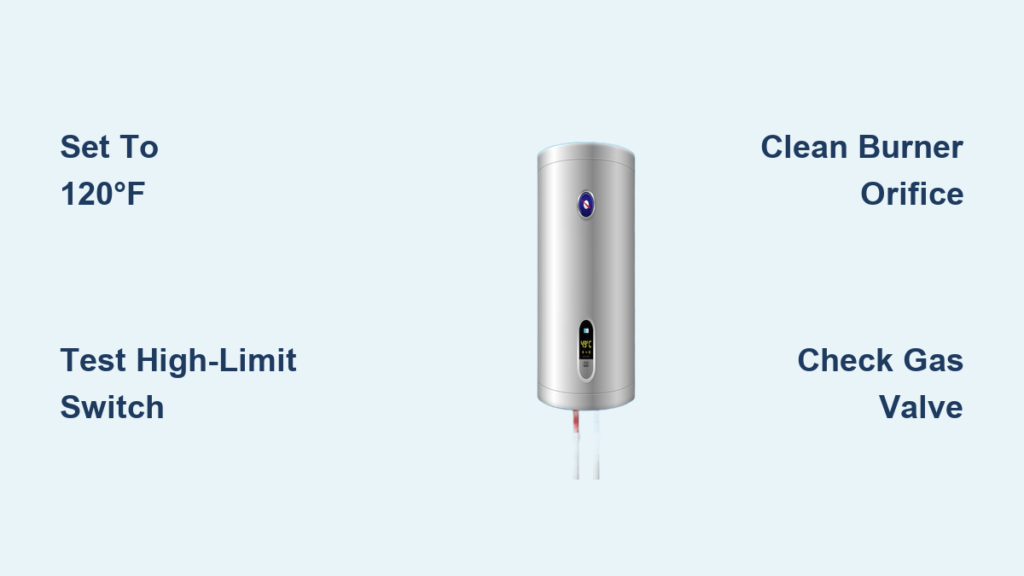
Your water heater keeps turning off—maybe it stops heating mid-shower, clicks on and off constantly, or shuts down without warning. You’re not alone. This frustrating problem affects comfort, drives up energy bills, and in some cases signals a serious safety hazard. The cause might be as simple as an overheated thermostat or as dangerous as a loose electrical connection sparking fire risks.
When a water heater keeps turning off, built-in safety systems are reacting to real or perceived threats like overheating, gas supply problems, or electrical faults. Ignoring the issue leads to higher utility costs, inconsistent hot water, and premature unit failure. This guide walks you through every possible reason your unit cycles or shuts down, how to diagnose each cause, and what steps to take to restore reliable hot water.
Set the Thermostat to 120°F First
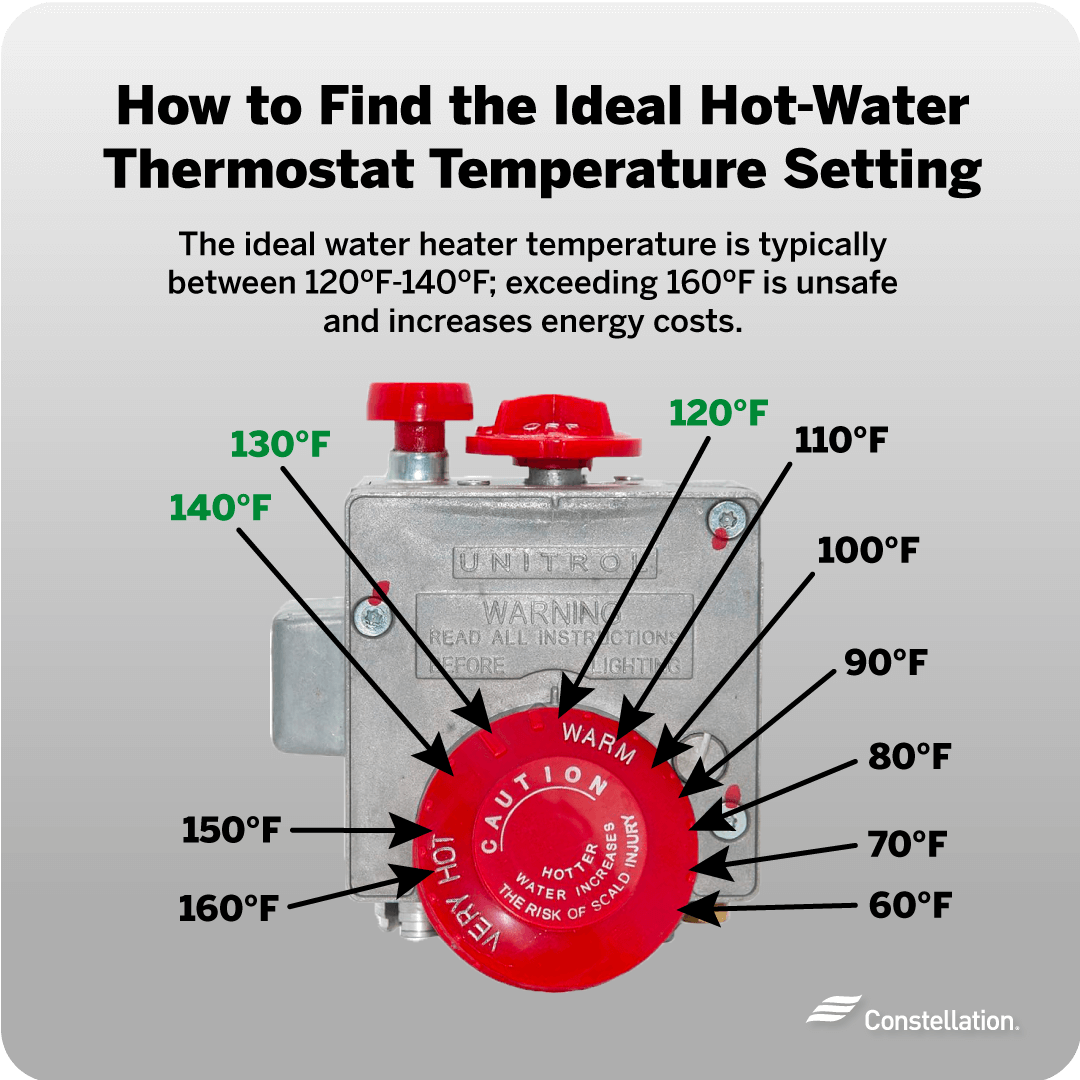
If your water heater keeps turning off, start with the thermostat. This is the most common fix and often the fastest one.
Why High Settings Trigger the Safety Switch
An overheated tank activates the high-limit safety switch, cutting power to prevent scalding or pressure buildup. Once water cools, the system resets and reheats, repeating the cycle endlessly.
- The trigger point: Settings above 140°F push water toward the safety cutoff at roughly 150°F.
- What to do now:
1. Turn off power at the breaker (electric) or set gas control to “Pilot” (gas).
2. Remove the access panel to expose the thermostat.
3. Adjust the dial to 120°F.
4. For electric models, set both upper and lower thermostats to 120°F.
5. Restore power and wait 2–3 hours for stabilization.
✅ Pro Tip: Use a thermometer at a nearby faucet to verify output. If water exceeds 130°F, recheck your settings.
If cycling stops, you’ve solved the problem. If the unit still shuts down, move to deeper diagnostics.
Test the High-Limit Switch
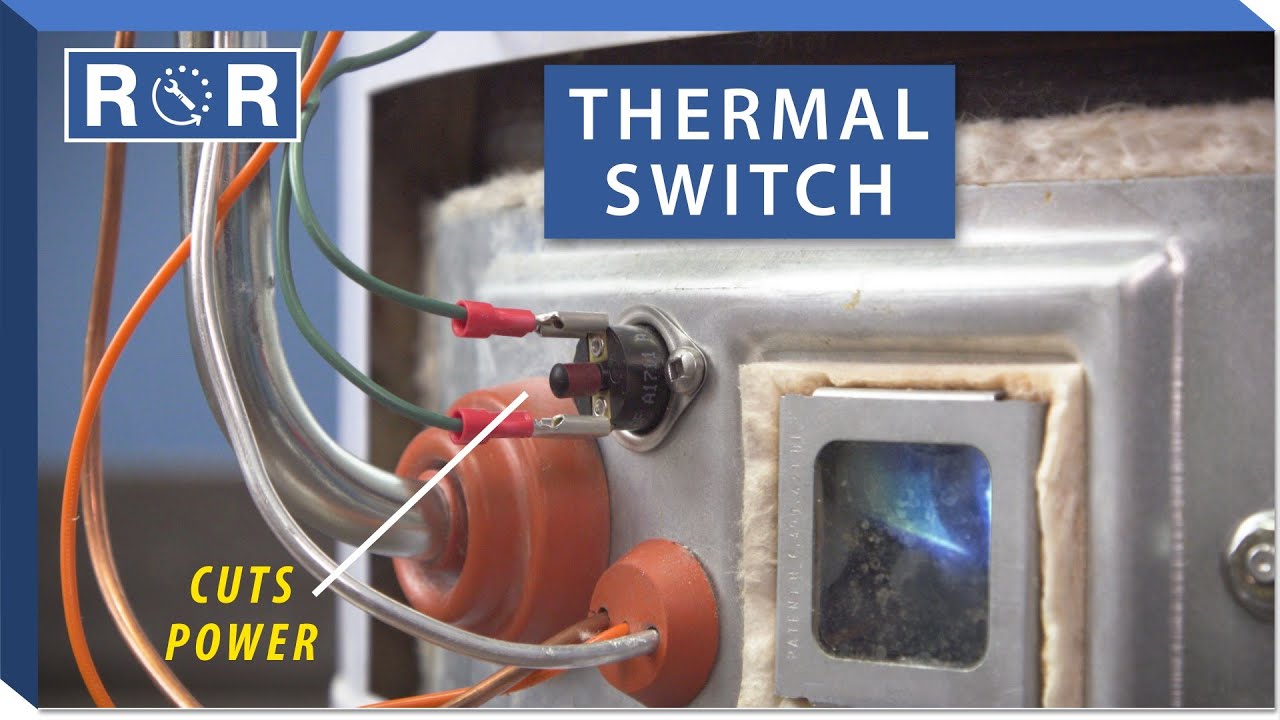
Even with correct thermostat settings, your water heater keeps turning off? The high-limit switch may be failing.
Reset Button Trips Repeatedly
This safety device shuts off power when water gets too hot. But after 8–10 years, it can wear out and trip at normal temperatures.
- Signs of failure:
- Thermostat is set to 120°F
- Reset button (red) pops out frequently
- Pressing reset works briefly, then it trips again
⚠️ Warning: Constant resetting risks damage. Only press once. If it trips again, stop.
Replace a Faulty Safety Switch
Testing continuity requires a multimeter, but replacement should be handled by a licensed plumber or electrician, especially for electric units.
- Steps a professional will take:
1. Shut off power and drain the tank slightly if needed.
2. Remove the access panel and insulation.
3. Disconnect wires from the old switch.
4. Install a new high-limit switch with an exact model match.
5. Restore power and monitor operation.
✅ Outcome: Cycling stops immediately if the switch was the culprit.
Check Gas Components on Gas Models
For gas water heaters, fuel delivery and combustion issues are top reasons the unit shuts down completely.
Clean the Burner Orifice and Pilot Assembly
A weak, yellow, or flickering flame means incomplete combustion, which can trigger safety shutoffs.
- What to inspect:
- Flame color: should be steady blue. Yellow indicates dirt or blockage.
- Debris in the burner tube or pilot tip
- Dust buildup around the combustion chamber
Cleaning steps:
1. Turn the gas control to “Pilot.”
2. Remove the burner access panel.
3. Use compressed air or a soft brush to clear the orifice and pilot tube.
4. Relight the pilot and observe the flame.
✅ Success sign: A strong, blue flame with no lifting or sputtering.
Test or Replace the Thermopile

The thermopile powers the gas valve using heat from the pilot light. If it’s weak, the valve cannot stay open, even when the pilot burns.
Pilot Light Goes Out Randomly
This symptom strongly suggests thermopile trouble.
-
Diagnose with a multimeter:
1. Disconnect the thermopile wire from the gas valve.
2. Light the pilot and let it run 2–3 minutes.
3. Measure voltage: it should read at least 250–300 millivolts.
4. Below 200 mV? Replace the thermopile. -
Replacement tips:
- Match the exact model number.
- Tighten connections securely but avoid cracking the brass.
- Re-test after installation.
✅ Expert Note: Thermopiles last 8–12 years. If yours is older, preemptive replacement prevents future outages.
Inspect the Gas Valve
A defective gas valve won’t respond to thermostat calls or may shut off unexpectedly.
Look for Error Codes
Modern gas valves have LED indicators. Flash patterns signal specific faults:
- Example: 3 flashes may indicate gas valve failure; 5 flashes could mean ignition lockout.
What to do:
– Consult your manual for code meanings.
– If the valve is faulty, call a licensed technician. This is not a DIY part.
⚠️ Never bypass gas safety systems. Doing so risks explosion or carbon monoxide poisoning.
Clear Air Inlet Screens
Restricted airflow starves the burner, causing poor combustion and shutdowns.
Bottom Screens Clogged with Dust
These vents near the base supply combustion air.
Fix it in 5 minutes:
1. Turn off the gas.
2. Use a vacuum or brush to clean the screen openings.
3. Check the surrounding area for lint, pet hair, or storage clutter blocking airflow.
✅ Prevention: Clean every 6 months, especially in dusty homes or near laundry rooms.
Diagnose Electrical Issues on Electric Models
Electric water heaters rely on stable power. Faults outside the tank can mimic internal failures.
Check the Circuit Breaker Connection
A loose breaker causes total power loss rather than gradual cycling, followed by unexpected restarts.
Unit Dies Then Comes Back On
- Symptoms:
- No lights, no sounds when off
- Breaker feels warm or smells burnt
- Power returns after cooling
This is not normal cycling. It’s a dangerous electrical fault.
🔥 Fire Risk: Loose connections arc, overheat, and can ignite panel components.
Only a licensed electrician should:
– Inspect the breaker for pitting or looseness
– Tighten or replace the breaker
– Check wiring for heat damage
❌ Do NOT attempt this yourself. Electrical panels carry lethal voltage.
Flush Sediment from the Tank
Mineral buildup traps steam, creates noise, and tricks safety systems into shutting down.
Knocking or Popping Noises Before Shutdown
Hard water areas are especially prone to sediment accumulation.
Perform an Annual Tank Flush
You can do this yourself:
- Turn off power and gas (for combo units).
- Connect a garden hose to the drain valve.
- Open the pressure-relief valve to allow airflow.
- Open the drain valve and flush until water runs clear (may take 10–30 minutes).
- Close valves, refill the tank, then restore power.
✅ Bonus: Improves efficiency and reduces strain on heating elements.
⚠️ Caution: If the drain valve leaks after closing, replace it. Don’t ignore drips.
Inspect Venting and the Flue System
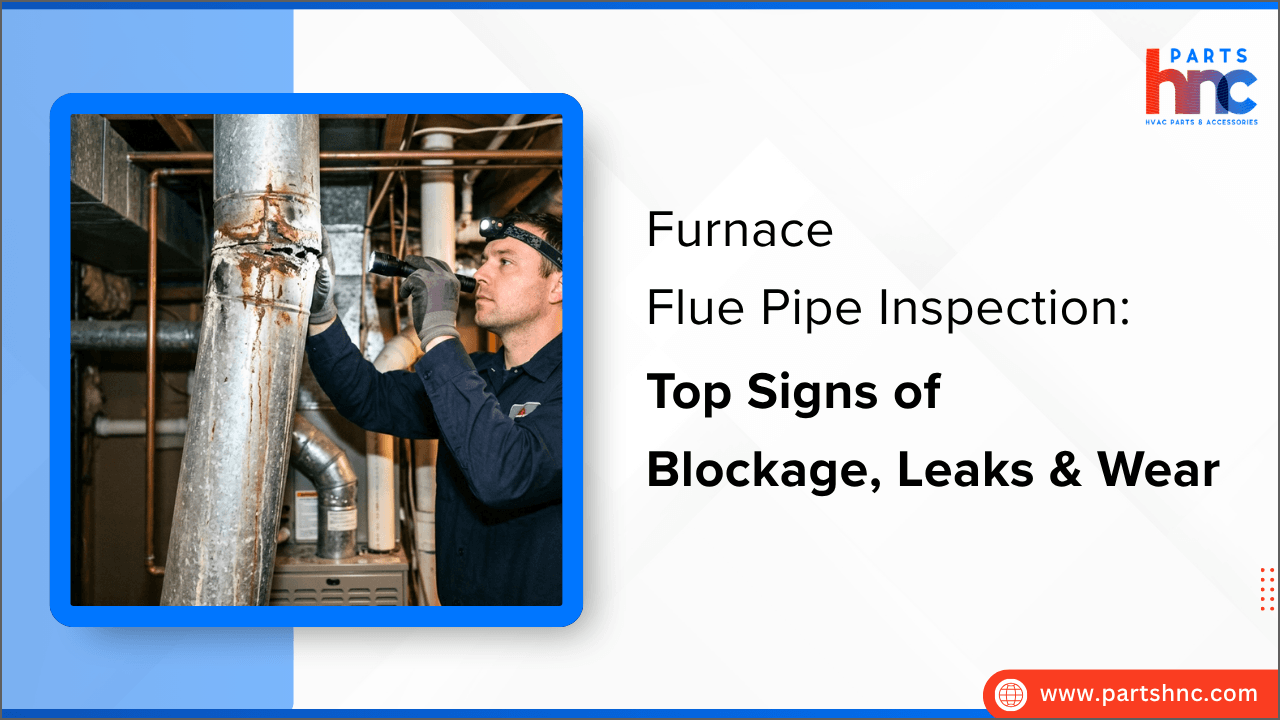
Blocked exhaust prevents proper drafting, leading to shutdowns, especially in gas units.
Flue Pipe Corrosion or Obstruction
Carbon monoxide and exhaust gases must escape freely.
Check these points:
– Roof cap: birds’ nests, leaves, snow
– Horizontal runs: condensation blockage (in high-efficiency models)
– Rust or soot inside the flue pipe
Action:
– Visually inspect accessible sections.
– Call an HVAC technician for a full system check if blockage is suspected.
🚨 Safety First: If you smell exhaust fumes or suspect CO, evacuate and call emergency services.
Maintain the Anode Rod
The anode rod sacrifices itself to protect the tank from rust. When depleted, corrosion accelerates and can lead to erratic behavior or premature failure.
Replace Every 2–3 Years
- Inspect interval: Check every 2 years; replace if less than ½” of core wire remains.
- How to access: Shut off water, drain a few gallons, unscrew the rod from the top of the tank.
- Best upgrade: Aluminum-zinc alloy rods reduce odor in sulfur-prone water.
✅ Long-term benefit: Extends tank life by 3–5 years, especially in hard water zones.
Prevent Future Shutdowns

Once fixed, keep your water heater running smoothly with proactive care.
Install an Insulation Blanket
Wrap older tanks (not heat pump models) with a water heater insulation blanket.
- Savings: Up to 9% on annual heating costs
- Payback: Less than one year
- Installation: DIY in 30 minutes. Cut around controls and secure with tape.
✅ Tip: Ensure the T&P valve and controls remain accessible.
Use a Smart Timer (Electric Units)
Heat water only when needed, like before morning showers or evening baths.
- Savings: Additional 10–12% reduction in energy use
- Setup: Wire between the breaker and heater; program via app or dial
- Best for: Households with regular schedules
⚠️ Not for gas units. They don’t benefit from timed operation.
Upgrade to a High-Efficiency Model
If your unit is over 10 years old, repeated shutdowns may signal end-of-life.
Heat Pump Water Heaters Save 70%
- Efficiency: 4x more efficient than standard electric
- Cost: $2,500–$6,500 (unit only)
- ROI: Pays for itself in 3 years via lower bills
- Incentives: Check for federal or state rebates (up to $1,750 available)
✅ Ideal for: Homes with 7–8 ft ceiling clearance and moderate climates.
When to Call a Professional
Some fixes are beyond DIY. Know when to call in experts.
Immediate Service Needed If:
- You smell gas (evacuate and call 911 or your gas company)
- Water leaks from the tank (replacement needed)
- The breaker sparks or smells burnt
- Error codes persist after resets
- The pilot won’t stay lit after cleaning
- No hot water despite power and gas supply
✅ Recommended: Annual maintenance by a licensed plumber ($200–$300) includes a full safety check, flushing, and component testing.
Frequently Asked Questions About Water Heaters Turning Off
Why does my water heater keep turning off and on?
The most common reason is an overheated thermostat triggering the high-limit safety switch. Set your thermostat to 120°F to stop the cycling. If the problem continues, the high-limit switch itself may be faulty and need replacement by a licensed professional.
Is it dangerous when a water heater keeps shutting off?
It can be. Repeated shutdowns caused by loose electrical connections or gas valve failures pose fire, explosion, and carbon monoxide risks. If you smell gas, see sparks, or notice burnt smells, evacuate immediately and call emergency services.
How do I reset my water heater when it keeps turning off?
For electric models, press the red reset button on the high-limit switch once. For gas models, turn the gas control to “Pilot,” relight the pilot, then return to the “On” setting. If the unit trips again quickly, stop resetting and call a professional.
Can a dirty thermostat cause my water heater to cycle?
Yes. Dust and corrosion on thermostat components can cause inaccurate temperature readings, leading to premature shutdowns. Cleaning the burner area and pilot assembly on gas units often resolves this issue.
How long should a water heater last before it starts shutting off?
With proper maintenance, a standard tank water heater lasts 8–12 years. High-limit switches typically last 8–10 years. If your unit is older and repeatedly shuts down, replacement may be more cost-effective than ongoing repairs.
Will a water heater insulation blanket help if my unit keeps cycling?
An insulation blanket won’t fix a cycling problem, but it reduces heat loss and improves efficiency by up to 9%. Addressing the root cause (thermostat, switch, or gas components) is necessary to stop the shutdowns.
Key Takeaways for Stopping Water Heater Cycling
A water heater that keeps turning off is a warning sign, not just an inconvenience. Start by setting your thermostat to 120°F, which resolves most cycling issues immediately. If the unit still shuts down, inspect the high-limit switch, gas components, and electrical connections in that order. Simple maintenance like annual flushing and anode rod checks prevents most problems before they start.
When fire risks, gas leaks, or complex component failures are involved, always call a licensed professional. With proper care, your water heater can deliver reliable hot water for 8–12 years without the stress of surprise shutdowns. Schedule an annual maintenance check today to keep your system running safely and efficiently.