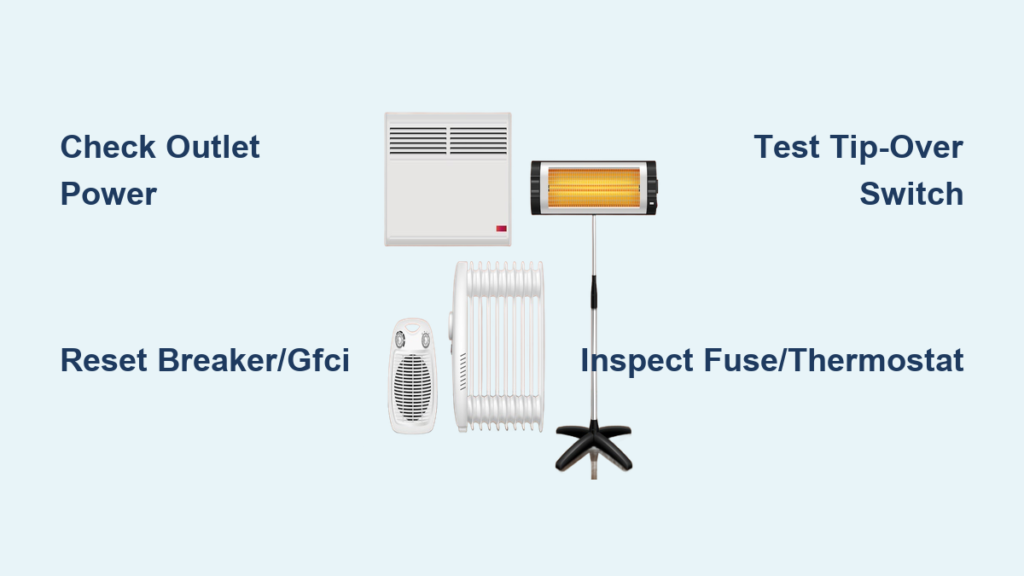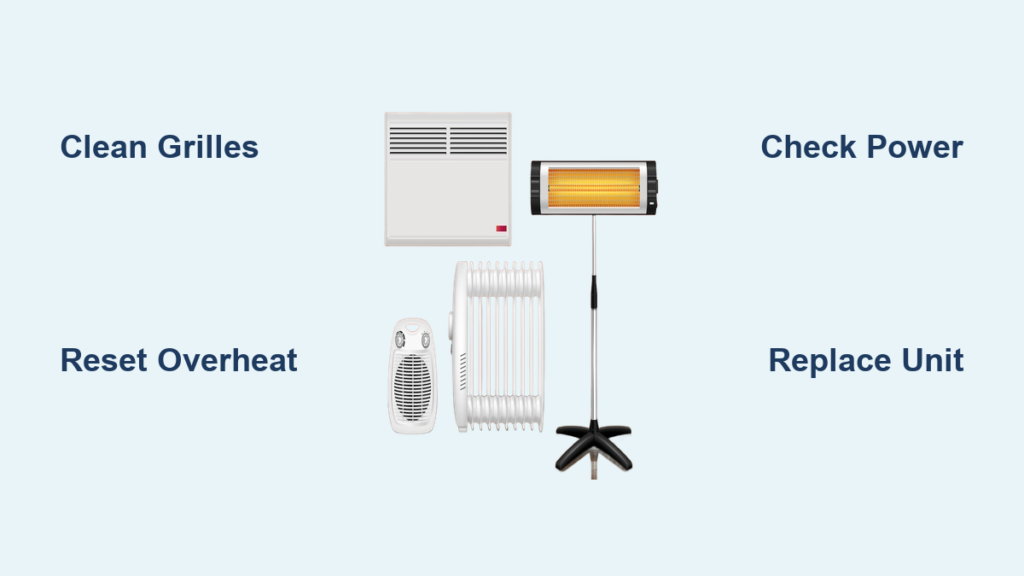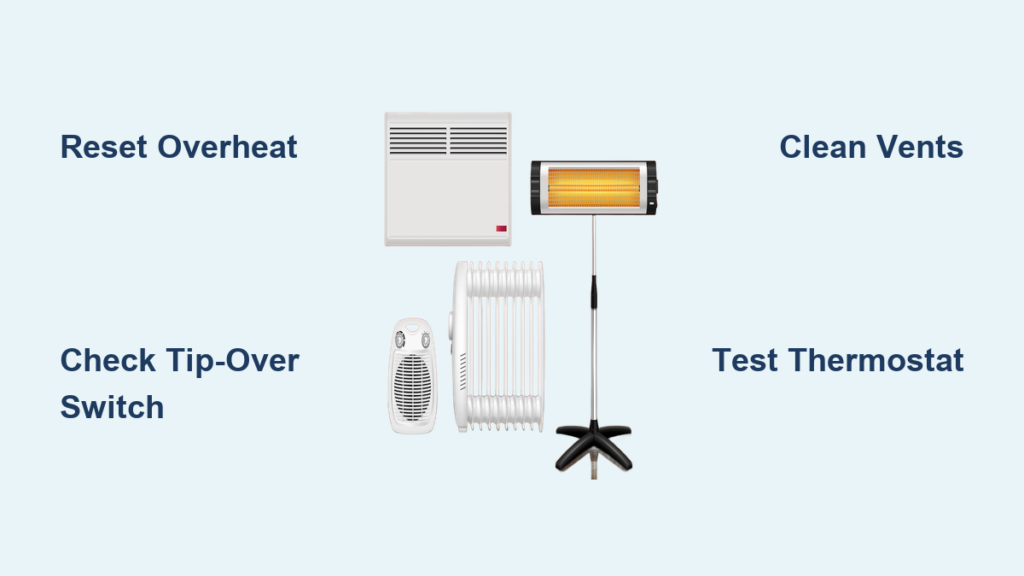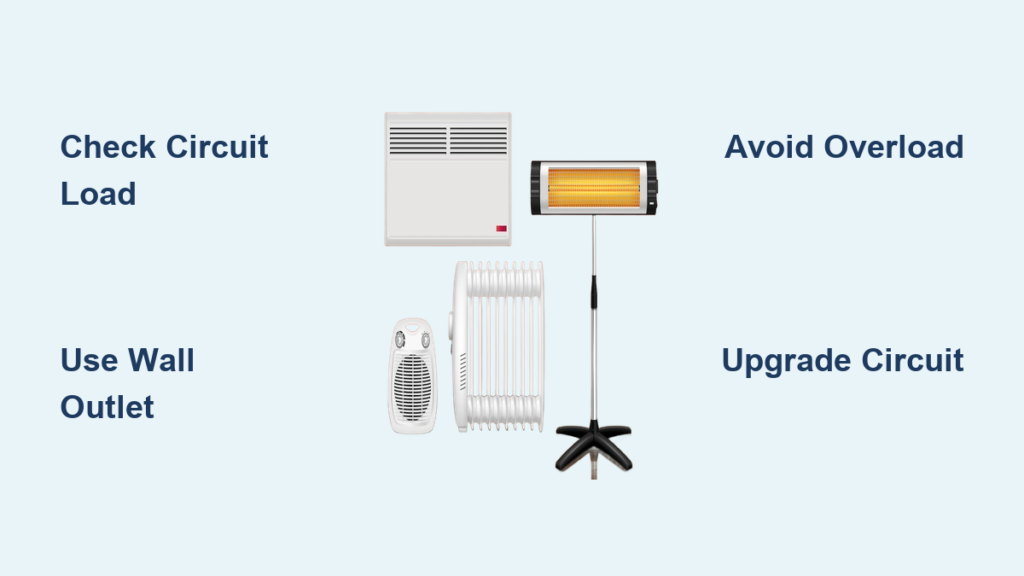
If your space heater is emitting a fishy odor, you are dealing with a serious warning sign rather than a minor inconvenience. Unlike the brief burning dust smell that commonly occurs when you first use a heater after storage, a persistent fish-like stench indicates overheating electrical components or degrading insulation within the heater or your home’s electrical system. This odor is caused by chemical off-gassing from plastics and resins inside wiring, outlets, or the heater itself. Ignoring this smell could result in fire or electrical failure.
In this guide, you will learn how to identify the exact source of the fishy smell, distinguish dangerous electrical smells from benign ones, and take immediate action to protect your home and family.
Immediate Danger Signs to Watch For
Fishy Smell Appears During Heater Operation
When the odor emerges specifically while the heater runs and fades when you turn it off, electrical overheating is likely the culprit. Amines form when internal wiring, outlets, or circuitry exceed safe operating temperatures. This is not normal operation but rather a symptom of component failure. The smell may start faint but intensify as parts degrade further.
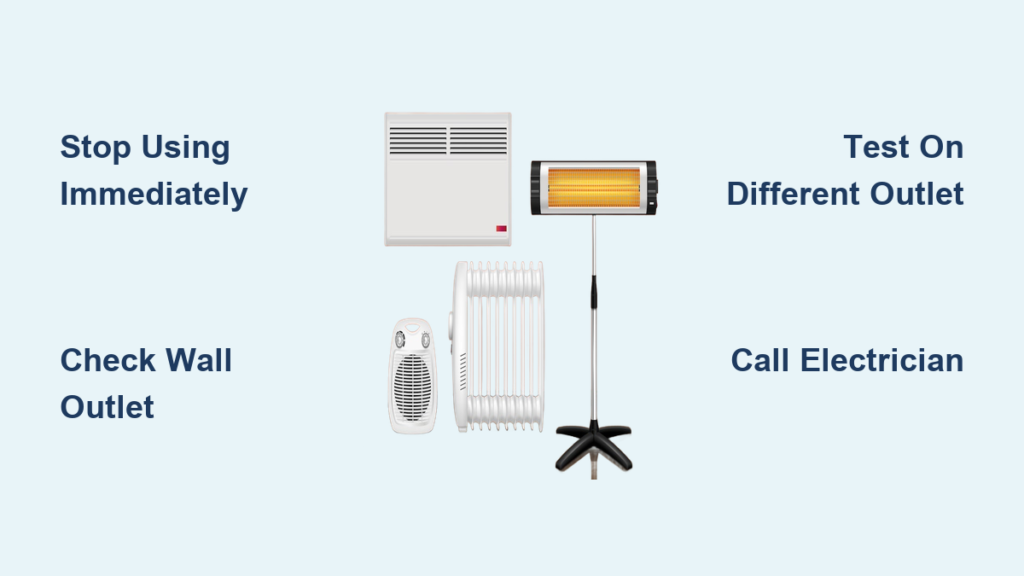
Take immediate action: Turn off and unplug the heater. Do not restart it until a professional has inspected it.
Warm or Discolored Wall Outlets
An overheating outlet can mimic a heater problem. Check the wall socket powering your unit. Look for these warning signs:
- The faceplate feels warm or hot to the touch
- Brown, black, or scorch marks are visible
- The plug fits loosely in the socket
These indicators suggest arcing, resistance, or failing connections, which present a serious fire hazard. Even if the heater appears fine, the outlet may be the actual source of the problem.
Pro tip: Plug the heater into a different outlet on a separate circuit. If the smell disappears, the original outlet requires replacement by a licensed electrician.
Unusual Sounds Near the Heater
Buzzing, sizzling, or crackling sounds near the heater or outlet are major red flags. These noises suggest electrical arcing, where current jumps between loose wires. This generates extreme heat that melts insulation and releases fishy-smelling amines. Never ignore sound cues. Immediate shutdown is critical when you hear these warning sounds.
Identifying the Source: Heater or Hidden Wiring?

Testing the Space Heater in Isolation
To determine whether the heater itself is the problem, follow these steps:
- Unplug all other devices from the same circuit
- Plug only the heater into a known-good outlet
- Run it for 5 to 10 minutes in a well-ventilated area
If the fishy smell returns, the heater is likely faulty. If not, the issue may lie in the original outlet or shared wiring.
Warning: Never use extension cords or power strips with space heaters. They overheat easily and can mask the real fault.
Checking for Hidden Electrical Faults
Fishy odors can originate behind walls from sources like:
- Loose neutral wires in breaker panels
- Degraded junction boxes
- Overheated HVAC control boards
Since heat rises and air circulates, the smell may travel through ducts, making it seem heater-related. If multiple appliances or the central furnace trigger the odor, call an electrician immediately.
Expert note: Some homeowners report the smell only when central heat kicks on, pointing to furnace wiring rather than the space heater.
Distinguishing Fishy Smell From Other Heater Odors

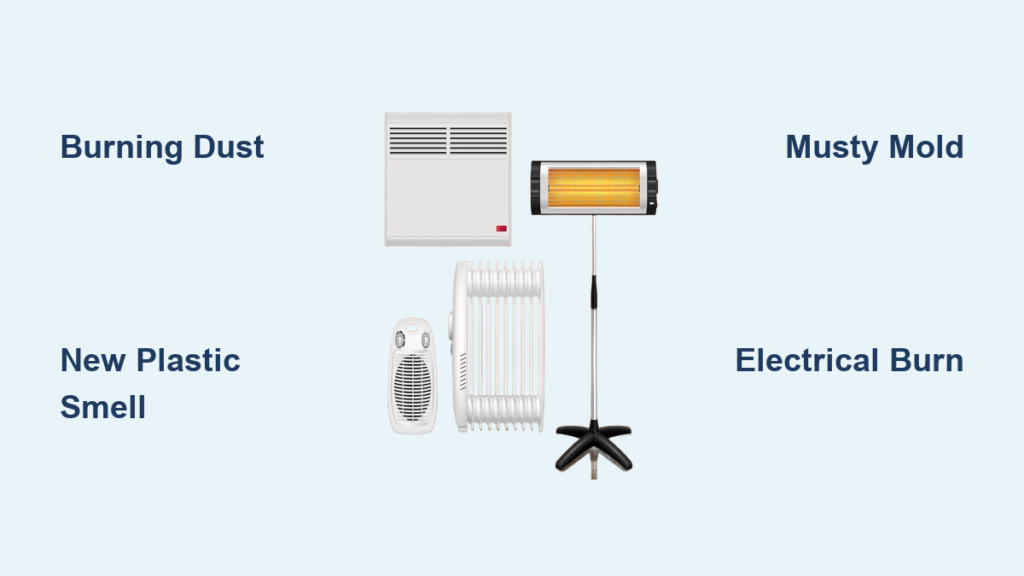
Burning Dust Smell (Normal)
A toasty, smoky odor during first use is usually dust burning off the heating element. This smell:
- Occurs only at startup
- Fades within 30 minutes to 3 hours
- Does not smell like fish or ammonia
Solution: Run the heater in a ventilated room until the smell clears. Clean it before storage.
Musty or Moldy Smell (Moderate Risk)
A damp, sour, or dirty sock odor suggests microbial growth in ducts or filters, known as Dirty Sock Syndrome. This smell:
- Smells like mildew, not fish
- Worsens in humid environments
- May cause allergy symptoms
Fix: Replace air filters, clean ducts, and run a dehumidifier. Use UV lights in HVAC systems to prevent recurrence.
Fishy or Urine-Like Smell (High Risk)
This smell is not normal and indicates:
- Overheated plastic insulation
- Melting wire coatings
- Failing circuitry
Risk level: ⚠️ High – Fire hazard
Action required: Stop using the heater immediately. Inspect the heater and outlet. Call a professional if damage is suspected.
| Odor Type | Cause | Risk Level | Recommended Action |
|---|---|---|---|
| Fishy | Electrical overheating | ⚠️ High | Shut down, inspect, call electrician |
| Burning dust | Dust on element | ✅ Low | Ventilate, run briefly |
| Musty | Mold in ducts | 🟡 Moderate | Clean filters, address moisture |
| Plastic/rubber | Melting components | ⚠️ High | Discontinue use, inspect internally |
Internal Inspection: When and How to Check
Safety Prerequisites
Never open a space heater unless all these conditions are met:
- The heater is unplugged
- It has been fully cooled for at least 2 hours
- You are comfortable with electrical safety procedures
If you have any doubt, skip to professional help.
Step-by-Step Internal Check
1. Unplug and Cool Down
Wait at least 2 hours after last use. Safety must come first.
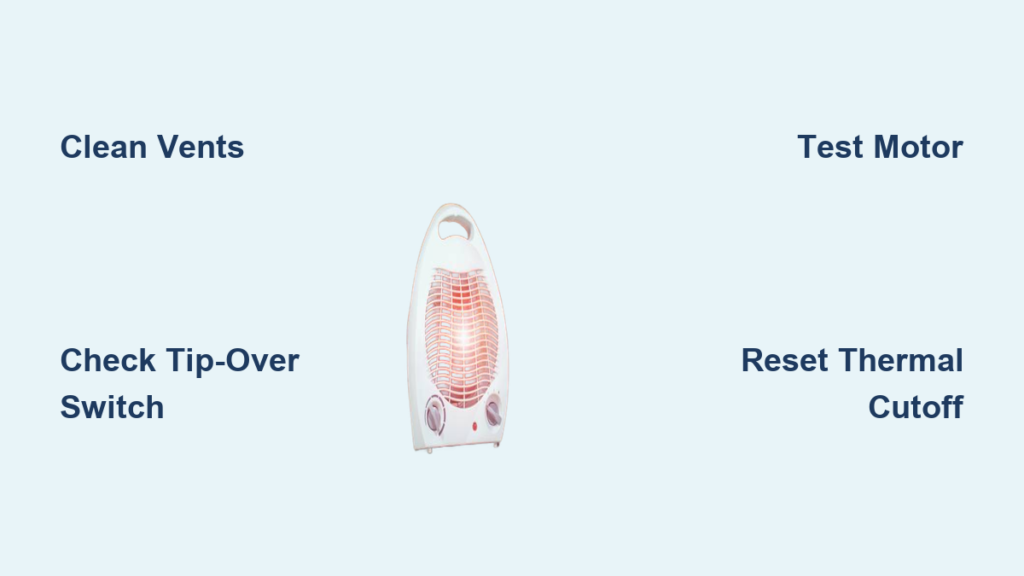
2. Clean Exterior and Vents
Use a damp microfiber cloth to remove dust from intake and exhaust grilles. Blocked airflow causes overheating.
3. Remove Outer Cover
Some models allow access with a screwdriver. Refer to your manual. Look for:
- Burnt wires
- Melted plastic
- Discoloration on circuit boards
4. Vacuum Interior Gently
Use a vacuum with a brush attachment on low suction. Focus on:
- Fan blades
- Heating element housing
- Dust buildup around motors
Avoid touching wires or components.
5. Inspect for Damage
Look for these warning signs:
- Brittle or cracked insulation on wires
- Loose connections at terminals
- Warped plastic supports or melted seals
Any of these mean the heater should be replaced.
6. Reassemble and Test Carefully
After cleaning and inspection:
- Reattach the cover securely
- Plug into a wall outlet (never an extension cord)
- Run for 5 minutes in a safe area
If the fishy smell returns, retire the unit.
When to Call a Professional

Persistent Smell After Cleaning
If the odor remains after dust burn-off and internal cleaning, the problem is deeper. Possible causes include:
- Internal heater circuit failure
- Wall outlet or wiring fault
- Breaker panel issue
Do not keep testing. Fire risk increases with continued use.
Signs of Electrical Damage
Call a licensed electrician immediately if you notice:
- Scorch marks on outlets
- Warm faceplates
- Tripped breakers when heater runs
- Flickering lights on the same circuit
These indicate overloaded or failing wiring.
HVAC-Related Smells
If the fishy odor appears when the central furnace turns on, contact an HVAC technician. Possible causes include:
- Overheating blower motor
- Failing control board
- Melting wire insulation in air handler
They can inspect ducts and internal components safely.
Final rule: If the heater is over 5 to 7 years old or lacks UL or ETL certification, replacement is safer than repair.
Preventing Future Fishy Smells
Clean Before Every Heating Season
Dust and debris trap heat, leading to overheating. Before winter:
- Vacuum all vents and grilles
- Wipe down exterior and fan blades
- Inspect cord and plug for wear
Use Direct Wall Outlets Only
Avoid power strips and extension cords. Space heaters draw 750 to 1500 watts, which is enough to overload undersized cords. Always plug directly into a wall outlet on a dedicated 15 to 20 amp circuit.
Did you know? Sharing a circuit with a microwave or refrigerator can cause voltage drop and overheating.
Install Safety-Certified Heaters
Choose models with these essential features:
- Overheat protection (auto shutoff)
- Tip-over switch
- Cool-touch housing
- UL, ETL, or CSA certification
These features prevent dangerous temperature buildup.
Monitor Outlet Temperature
After 15 minutes of heater use, touch the outlet faceplate. If it feels warm, stop using it. The circuit may be overloaded or the outlet failing.
Maintain Indoor Air Quality
Prevent mold-related odors by:
- Keeping humidity between 30% and 50%
- Replacing filters every 1 to 3 months
- Cleaning ducts every 3 to 5 years
Consider a dehumidifier in basements or damp rooms.
Final Safety Checklist
- Stop using the heater if a fishy smell occurs
- Unplug immediately and inspect outlet and plug
- Ventilate the room to clear fumes
- Clean the heater thoroughly if no damage is found
- Test on a different outlet to isolate the source
- Replace damaged outlets instead of doing DIY electrical work
- Call an electrician for persistent or hidden faults
- Replace old or uncertified heaters for safety
Frequently Asked Questions About Space Heater Fishy Smells
Why does my space heater smell like fish when I turn it on?
The fishy smell is caused by amines, organic compounds released when heat-resistant materials inside the heater or your electrical system overheat. This typically indicates electrical overheating from failing wiring, loose connections, or degraded insulation. Unlike normal dust burn-off, this smell is a serious warning sign that should not be ignored.
Is a fishy smell from a space heater dangerous?
Yes, a fishy smell from a space heater is dangerous and indicates a fire risk. The odor comes from overheating electrical components that are breaking down and releasing toxic chemicals. Stop using the heater immediately and investigate the source. Continuing to use the heater could result in electrical fire.
Can a faulty wall outlet cause a fishy smell?
Yes, a faulty wall outlet is a common cause of fishy smells. When outlets overheat due to loose connections, arcing, or overloaded circuits, the plastic components release amines that smell like rotting fish. Check outlets for warmth, discoloration, or scorch marks. If suspected, call a licensed electrician to replace the outlet.
How do I know if the smell is from the heater or my home wiring?
To isolate the problem, unplug all devices from the suspect circuit and run only the heater on a different outlet. If the smell continues, the heater is likely faulty. If the smell stops, the original outlet or wiring is the problem. Multiple appliances triggering the smell suggests a broader electrical issue.
Should I throw away my space heater if it smells like fish?
You should not immediately discard the heater. First, test it on a different outlet to determine if the problem is the heater or the outlet. If the heater itself is the source, replace it. Do not attempt to repair an overheating heater. If the outlet is the problem, have an electrician replace it and continue using a certified heater.
How can I prevent my space heater from developing fishy smells?
Prevent fishy smells by performing regular maintenance. Clean vents and filters before each heating season. Always plug the heater directly into a wall outlet on a dedicated circuit. Avoid extension cords. Choose heaters with overheat protection and UL/ETL certification. Inspect cords and plugs regularly for wear.
Key Takeaways for Space Heater Fishy Smell Issues
A fishy smell from your space heater is a fire risk warning that demands immediate attention. The odor is caused by amines released from overheated plastics and resins inside electrical components. While dust burn-off and mold can cause other odors, a true fish-like stench means stop, inspect, and act. Never ignore this warning sign or continue using the heater.
The most common sources include failing heater internals, faulty wall outlets, and overloaded wiring. Test the heater on a different outlet to isolate the problem. If the smell persists or you see signs of electrical damage, call a licensed electrician immediately. With proper maintenance, safe usage practices, and certified equipment, you can keep your home warm and safe throughout the heating season.