
Your boiler heater isn’t working, and the house is getting colder. You wake up to a chilly bathroom, check the thermostat, and realize nothing’s happening. No heat, no hot water, and maybe a strange noise from the basement. You’re not alone. A non-responsive boiler is one of the most common home heating emergencies, especially during winter.
The good news? Many boiler issues have simple fixes you can try yourself before calling a technician. From power failures to frozen pipes and pressure problems, this guide walks you through diagnosing and fixing a boiler heater not working. We’ll cover step-by-step troubleshooting, common root causes, and when to call a professional.
Check Power and Fuel Supply
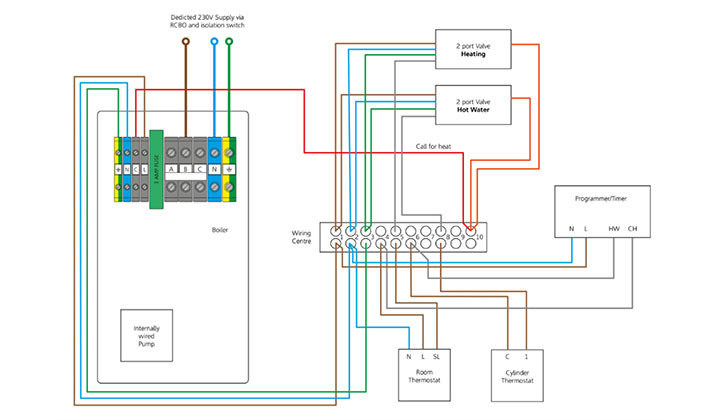
Before diving into complex repairs, confirm your boiler has the essentials. Many “broken” boilers are simply starved of energy due to preventable issues.
Verify Electrical Power
Start by checking if your boiler has power. Locate the power switch near the unit and ensure it’s turned on. Some models have an illuminated indicator light. If it’s off, the unit isn’t receiving electricity.
- Check your circuit breaker panel for tripped switches.
- Reset any tripped breaker by switching it fully off, then back on.
- If the breaker trips again, call an electrician.
Test nearby outlets with a lamp or phone charger to confirm they work.
Pro Tip: Some boilers connect to a fused spur or isolation switch. Make sure this isn’t switched off.
Confirm Fuel Source Availability
Your boiler needs fuel to run. Check the supply based on your boiler type.
For gas boilers:
– Ensure the gas valve near the boiler is open.
– Check if other gas appliances are working to rule out a general outage.
– Avoid relighting pilot lights yourself on modern boilers.
For oil boilers:
– Check the oil tank level. Running out of oil is a common failure cause.
– If full but not working, the fuel line may be clogged.
For electric boilers:
– Double-check breakers and wiring integrity.
– Power surges can damage internal components.
Warning: If you smell gas, leave the house immediately and call emergency services.
Inspect Boiler Pressure Levels

Incorrect pressure can stop your boiler heater from working. Most boilers operate best between 1 and 1.5 bar.
Identify Normal vs. Abnormal Pressure
Locate the pressure gauge on the boiler. It typically shows a needle in green, red, or marked zones.
- Below 1 bar: System is under-pressurized.
- Above 2.5 bar: System is over-pressurized.
If pressure is too low, you’ll need to repressurize using the filling loop.
Repressurize the System Safely
Follow these steps to add pressure:
- Turn off the boiler and let it cool.
- Locate the flexible filling loop underneath the boiler.
- Open both valves to let water flow in.
- Watch the gauge and stop at 1.2 to 1.5 bar.
- Close both valves tightly.
- Turn the boiler back on.
Note: If pressure drops frequently, check for leaks near radiators or pipes.
Examine Thermostat and Timer Settings
A misconfigured thermostat or timer is a top reason a boiler heater isn’t working, even when the system is fine.
Test Thermostat Responsiveness
Ensure the thermostat is powered and set correctly:
- Set the desired temperature above the current room temperature.
- Listen for a click or check the display for response.
- Verify Wi-Fi connectivity if using a smart thermostat.
Try switching the boiler to “continuous heat” mode to bypass the thermostat. If the boiler runs, the thermostat may be faulty.
Common Mistake: Programmable thermostats have schedules. A weekend setback might explain why heat isn’t coming on Monday morning.
Check Timer and Program Mode
Many boilers have built-in timers or sync with household controls.
- Confirm the time and date are correct.
- Ensure the system is set to “auto” or “heat” mode.
- Review heating programs for expired schedules.
Reset the timer to factory settings if needed, then reprogram.
Bleed Radiators to Release Air
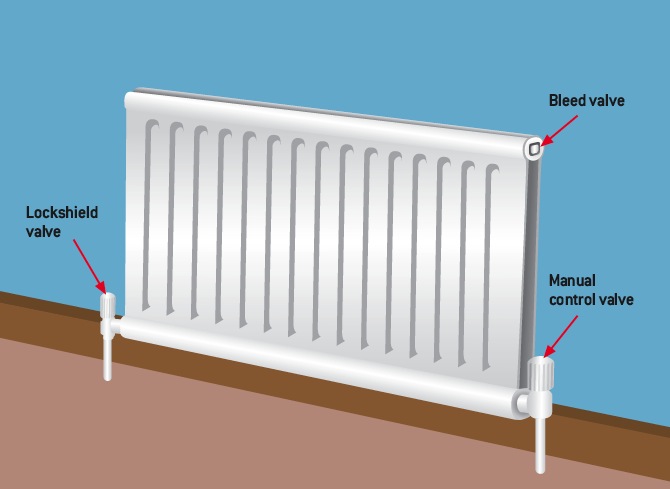
Cold radiators with a running boiler often mean trapped air. This prevents hot water from circulating.
Locate and Use Bleed Valves
Each radiator has a bleed valve at the top corner. Use a radiator key to open it.
Steps to bleed:
- Turn off the boiler.
- Place a cloth under the valve to catch drips.
- Insert the key and turn counterclockwise slowly.
- Listen for a hiss as air escapes.
- Close the valve once water starts to drip.
- Repeat for all radiators.
After bleeding, check system pressure and repressurize if needed.
Pro Tip: Bleed radiators at least once a year, especially before winter.
Investigate Frozen Condensate Pipe
A frozen condensate pipe shuts down condensing boilers as a safety measure. This is a frequent cause when your boiler heater isn’t working in winter.
Identify the Condensate Pipe
Look for a white PVC pipe running from the boiler to an external drain. It’s usually at the back or bottom of the unit.
Signs of freezing:
– Gurgling or knocking sounds
– Error codes like “condensate fault”
– No heat despite power and fuel
Thaw the Frozen Pipe
Safely thaw the pipe using one of these methods:
- Pour warm water over the external section.
- Wrap the pipe with hot water bottles.
- Use a hairdryer from a safe distance.
Once thawed, the boiler should restart automatically. If not, press the reset button.
Prevention: Insulate the condensate pipe with foam tubing where it runs outside.
Reset the Boiler System
Sometimes, a simple reset clears temporary faults causing the boiler heater not to work.
Perform a Safe Reset
Follow these steps:
- Turn off the boiler at the power switch.
- Wait 10 to 15 seconds.
- Switch it back on.
- Listen for ignition sounds or check the display.
Many boilers have a dedicated reset button. Press and hold for 3 to 5 seconds if visible.
Warning: Don’t reset more than twice in quick succession. This can lock the system or indicate a serious issue.
Interpret Error Codes
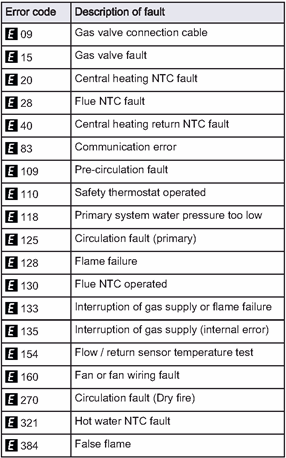
Modern boilers display fault codes that pinpoint problems. Refer to your user manual for exact meanings.
E1 – Ignition Failure
The boiler tried to ignite but failed. Causes include:
– No gas supply
– Faulty spark electrode
– Blocked flue or condensate pipe
Action: Check gas supply and condensate pipe. Call a professional if the problem persists.
F22 or E23 – Low Water Pressure
Repressurize the system. If pressure won’t hold, investigate leaks.
CH99 or A01 – Frost Protection Activated
The boiler detected freezing temperatures and shut down. Thaw affected parts and reset.
Tip: Take a photo of the error code for faster diagnosis when calling support.
Inspect Pilot Light (Older Models)
If you have an older boiler, a blown-out pilot light could be why your boiler heater isn’t working.
Check Pilot Light Status
Remove the front panel and look for a small blue flame.
- No flame: The pilot is out.
- Yellow or flickering flame: The pilot is dirty or misaligned.
Relight Safely (If Instructed)
Only relight if your manual allows it:
- Turn the gas control knob to “pilot.”
- Press and hold the reset button.
- Use a long lighter to ignite the pilot.
- Hold for 30 seconds, then release.
- Turn the knob to “on.”
Caution: If the pilot won’t stay lit, the thermocouple may be faulty. Call a technician.
Assess Circulation Pump Function

The circulation pump moves hot water through your system. If it fails, your boiler heater isn’t working even if the burner runs.
Listen for Pump Noise
A working pump hums quietly. No sound may mean it’s seized or dead.
Signs of pump failure:
– Radiators cold despite boiler running
– Overheating boiler with error codes
– Leaks around the pump housing
Try Manual Reset (If Applicable)
Some pumps have a reset button or manual override screw.
- Turn off power.
- Use a flathead screwdriver to gently turn the reset pin.
- Restore power and test.
Persistent issues require professional replacement.
Prevent Future Breakdowns
Avoid recurring boiler heater not working issues with regular maintenance.
Schedule Annual Servicing
A qualified technician should inspect your boiler yearly. They’ll clean heat exchangers, check gas pressure, test safety controls, and identify wear early.
Perform Seasonal Checks
Before winter:
– Bleed radiators
– Flush the system if sludge is present
– Inspect for leaks or corrosion
– Verify thermostat accuracy
Bonus: Install a magnetic filter to catch debris and improve efficiency.
Know When to Call a Professional
Some issues require certified help. Call a licensed heating engineer if:
- You smell gas
- The boiler leaks water or shows corrosion
- Error codes persist after resets
- Repetitive power tripping occurs
- No hot water despite working heating
Legal Note: Gas work must be done by a certified engineer in your region.
Frequently Asked Questions About Boiler Heater Problems
Why is my boiler heater not working but I have hot water?
This usually points to a valve issue. The diverter valve may be stuck in the hot water position, preventing heat from reaching your radiators. A faulty thermostat or zone valve can also cause this symptom.
What should I do if my boiler pressure keeps dropping?
Frequent pressure drops indicate a leak somewhere in the system. Check radiators, pipe joints, and the boiler base for dampness. You may need a professional to locate hidden leaks inside walls or under floors.
How do I know if my thermostat is broken?
Set the thermostat 5 degrees higher than room temperature. If the boiler doesn’t respond within a few minutes, the thermostat may be faulty. Try replacing the batteries or bypassing it temporarily to confirm.
Can a frozen condensate pipe cause my boiler to stop working?
Yes. Condensing boilers shut down automatically when the condensate pipe freezes. This is a safety feature to prevent damage. Thaw the pipe with warm water and the boiler should restart.
Is it safe to reset my boiler multiple times?
No. If the boiler doesn’t restart after two resets, stop. Repeated resets can mask serious issues or damage internal components. Contact a heating engineer for diagnosis.
How often should I service my boiler?
Annual servicing is recommended for all boiler types. Regular maintenance extends lifespan, maintains efficiency, and ensures safety. Most warranties also require yearly service to remain valid.
Key Takeaways for Fixing a Boiler Heater Not Working
Start with the basics: check power, fuel supply, and pressure before assuming major failure. Many boiler heater problems resolve in minutes once you identify the root cause. Thermostat misconfigurations, trapped air in radiators, and frozen condensate pipes are among the most common culprits.
Keep your boiler manual accessible for error code references and safety instructions. Schedule annual servicing to catch issues early and maintain efficiency. When in doubt, call a certified technician rather than risking injury or further damage.
Your next step: bookmark this guide and perform a seasonal check before winter arrives. A few minutes of preparation now can prevent hours of discomfort later.