
You’re camping in subzero temperatures, tucked inside a van or RV, and the night air is biting cold. You flip a switch, and within minutes, warm air fills the cabin. No loud generator, no fumes, just efficient, reliable heat. That’s the magic of a diesel heater. But how does a diesel heater work? It’s not like a traditional furnace or electric space heater. Instead, it’s a compact, self-contained combustion system designed to burn diesel fuel cleanly and safely, turning it into usable heat for vehicles, boats, workshops, or off-grid living spaces.
A diesel heater operates on a simple principle: burn diesel in a controlled chamber, transfer the heat to air or liquid, and distribute it where needed, all while using minimal power and fuel. Unlike idling an engine to stay warm, diesel heaters run independently, consume little fuel, and produce heat efficiently. They’re popular in overlanding, van life, and marine applications because they offer powerful heating without draining batteries or creating carbon monoxide risks when installed correctly.
In this guide, we’ll break down the inner workings of diesel heaters, explain the two main types, walk through the combustion process step by step, and help you understand what makes them so efficient and reliable.
Diesel Heater Types: Air vs Water Heating Systems
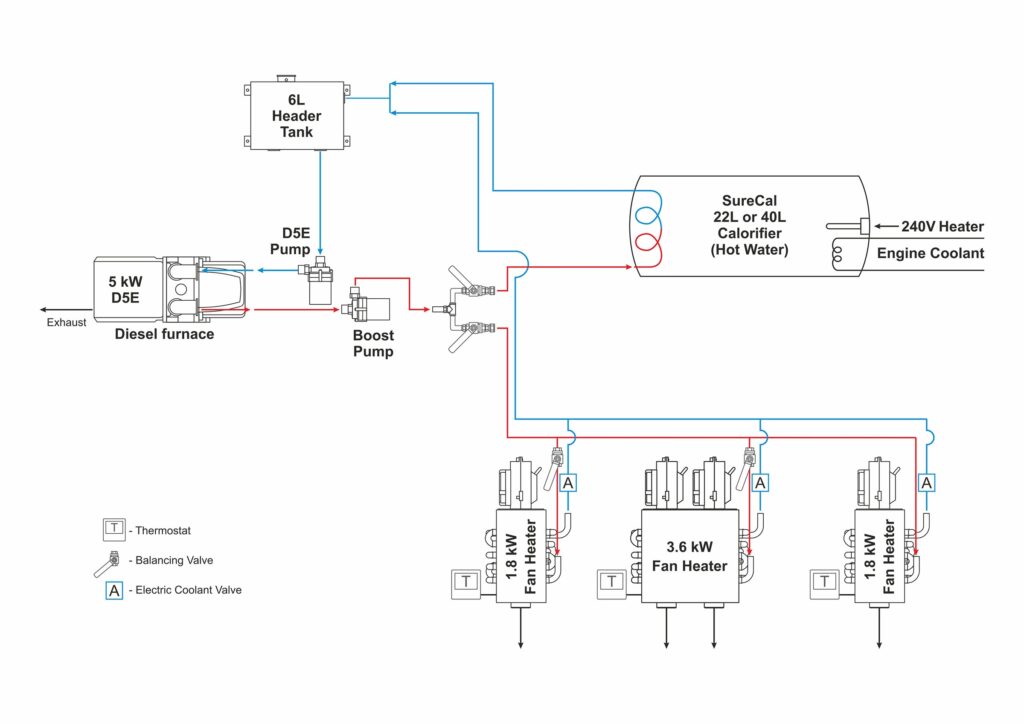
Diesel heaters come in two primary forms: air heaters and water heaters. Both use diesel combustion, but they deliver heat differently.
Air Diesel Heaters for Direct Cabin Heating
Air diesel heaters draw in ambient air, heat it through a combustion chamber, and blow warm air directly into the space. These are common in vans, trucks, and small RVs. They’re compact, easy to install, and ideal for spot heating.
Key components include:
– Fuel pump that draws diesel from the tank
– Combustion chamber where fuel burns
– Heat exchanger that transfers heat to air
– Blower fan that circulates warm air
– Control unit that manages ignition and operation
They typically use 12V or 24V power to start and run. Once running, they sustain combustion with minimal electrical input.
Diesel Water Heaters for Whole-System Heating
Diesel water heaters, also called hydronic heaters, heat coolant that circulates through pipes or hoses to radiators, floor heating, or domestic hot water systems. These are used in larger RVs, boats, or tiny homes where consistent, whole-space heating is needed.
Instead of blowing air, they:
– Heat a glycol-water mixture
– Pump it through a heating circuit
– Transfer heat via radiators or underfloor systems
These systems take longer to warm up but provide even, silent heat and can integrate with existing heating infrastructure.
Core Components Every Diesel Heater Uses

Every diesel heater relies on the same essential parts to function safely and efficiently. Understanding these helps diagnose issues and appreciate the engineering behind the heat.
The Fuel System: Pump and Atomizing Nozzle
The fuel system starts with a low-pressure fuel pump that draws diesel from the main or auxiliary tank through a filter. Clean fuel is critical because contaminants can clog the atomizing nozzle, which sprays fuel into the combustion chamber in a fine mist.
This misting ensures complete combustion, reducing soot and improving efficiency. The nozzle is precision-made, and even small blockages can cause weak flames or failure to ignite.
The Combustion Chamber: Where Heat Begins
The combustion chamber is a sealed, insulated space where diesel meets air and ignites. It contains a glow plug or ignition coil that heats up to ignite the fuel-air mixture. Once lit, the flame burns continuously until the thermostat signals the set temperature is reached.
Air Supply: Combustion and Heating Fans
Both types of heaters need fresh air for combustion. A combustion air fan forces air into the chamber to support burning. A separate heating fan (in air heaters) blows cabin air over the hot heat exchanger.
Ventilation is crucial:
– Fresh air intake prevents incomplete combustion
– Exhaust outlet removes fumes safely outside
– Dual fans ensure clean, efficient operation
The Control Unit: Managing the Entire Process
The control unit manages the entire process. It powers the glow plug at startup, activates fuel and air pumps, monitors temperature via sensors, and shuts down the heater when limits are reached. Many modern units offer digital thermostats, timers, and remote controls.
Step-by-Step Combustion Process in a Diesel Heater
Now that you know the parts, let’s walk through how a diesel heater actually works from startup to shutdown.
Ignition Phase: Starting the Flame
When you turn on the heater:
1. The control unit powers the combustion air fan and fuel pump
2. Diesel sprays into the chamber through the nozzle
3. The glow plug ignites the fuel mist
4. A visible flame forms within seconds
This startup phase uses the most power, typically for 1 to 2 minutes.
Sustained Burn: Efficient Heat Production
Once ignited:
– The flame burns steadily in the combustion chamber
– Heat transfers to the heat exchanger walls
– In air heaters, the heating fan blows cabin air over the hot exchanger
– In water heaters, coolant absorbs heat and circulates via pump
The control unit adjusts fuel and air flow to maintain consistent temperature.
Safe Shutdown: Automatic Cooling
When the desired temperature is reached:
– The control unit cuts fuel supply
– The flame extinguishes
– The combustion fan runs briefly to cool the unit
– The heating fan runs a few more minutes to extract residual heat
This post-purge cycle prevents overheating and extends heater life.
Why Diesel Fuel Works So Well for Portable Heaters
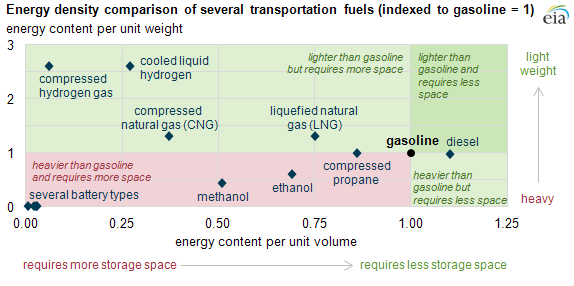
Diesel is the fuel of choice for these heaters, and for good reason.
High Energy Density for Longer Runtime
Diesel contains significantly more energy per gallon than propane or gasoline. This means more heat from less fuel, ideal for extended off-grid use. A typical diesel heater uses a fraction of a gallon per hour, making even small tanks last many hours.
Safe Storage and Low Volatility
Unlike gasoline or propane, diesel doesn’t produce flammable vapors at room temperature. It’s safer to store and transport, especially in moving vehicles. It also resists accidental ignition under normal conditions.
Clean Combustion with Proper Setup
When the heater is well-maintained and properly vented, diesel burns cleanly. Modern units emit minimal soot, CO, and NOx, especially with high-quality fuel and clean air intake.
Warning: Never operate a diesel heater without proper exhaust ventilation. Incomplete combustion can produce deadly carbon monoxide.
Common Diesel Heater Problems and Quick Fixes
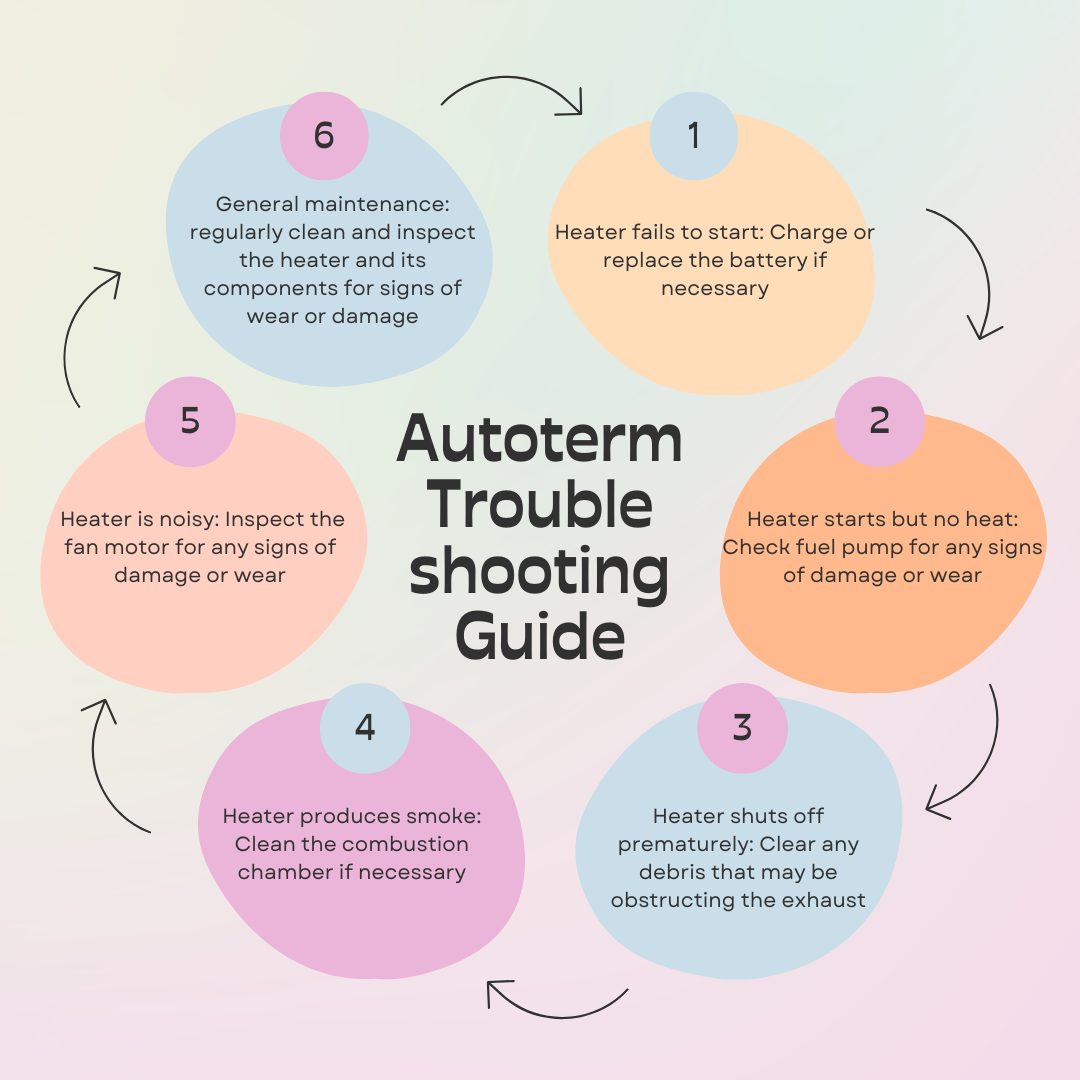
Even reliable diesel heaters can develop problems. Knowing what to look for helps prevent failure in cold conditions.
Why Won’t My Diesel Heater Start?
Glow Plug Failure
- Symptom: Clicking sound, no flame
- Fix: Test with multimeter and replace if resistance is off
Clogged Fuel Nozzle
- Symptom: Weak spray, sputtering flame
- Fix: Clean with diesel solvent or replace the nozzle
Air in the Fuel Line
- Symptom: Fuel pump runs but no delivery
- Fix: Bleed the line using the manual pump or priming bulb
Weak Heat Output Issues
Dirty Heat Exchanger
- Soot buildup insulates the chamber
- Solution: Inspect annually and clean with brush or compressed air
Low Battery Voltage
- Heaters need stable 12V or 24V power
- Fix: Check voltage, then recharge or replace the battery
Poor Airflow
- Blocked intake or exhaust
- Fix: Clear obstructions and ensure vents lead outside
Installation Best Practices for Diesel Heaters
Proper installation ensures safety, efficiency, and longevity.
Choosing the Right Mounting Location
- Install on a non-flammable surface
- Allow clearance around the unit for airflow
- Keep away from bedding, curtains, or storage
For water heaters, place near the center of the heating loop to reduce pipe runs.
Venting Requirements for Safety
- Exhaust pipe must exit directly outside, never into enclosed spaces
- Use stainless steel or high-temperature aluminum tubing
- Keep exhaust runs short and straight to prevent condensation
- Install a drip loop to stop water from entering the heater
Fuel Line and Electrical Setup
- Tap into the main diesel tank or use a remote sub-tank
- Include an inline fuel filter to catch debris
- Use rigid copper or reinforced diesel hose
- Avoid sharp bends or kinks
Electrical connections should:
– Use a fused power supply
– Run through a grommeted hole to prevent chafing
– Connect to a deep-cycle battery, not a starter battery
Routine Maintenance for Long-Lasting Diesel Heaters
A well-maintained diesel heater can last 10 or more years. Follow these steps annually or every 100 to 200 hours of use.
Cleaning the Combustion Chamber
Remove the chamber cover and:
– Brush out soot and carbon deposits
– Inspect the glow plug for wear
– Check insulation for damage
Replacing Worn Parts on Schedule
- Glow plug: Every 1 to 2 seasons
- Fuel filter: Every 6 to 12 months
- Nozzle: Every 200 to 500 hours
- Fan belts (if applicable): Inspect for cracks
Testing Before Winter Arrives
Before cold weather hits:
– Run a full cycle
– Check for strange smells or smoke
– Verify thermostat accuracy
– Inspect exhaust for leaks
Real-World Applications for Diesel Heating Systems

Diesel heaters aren’t just for RVs. They’re used in diverse settings across many industries.
Van Life and Overlanding Adventures
Compact air heaters keep cabins warm during winter camping. They run silently and can be thermostatically controlled for consistent comfort.
Marine and Boat Heating
Water-based diesel heaters prevent engine freeze and provide cabin heat. They’re corrosion-resistant and safe in damp marine environments.
Workshops and Construction Sites
Portable diesel heaters offer temporary warmth without electricity. They’re ideal for construction sites or rural workshops where power is limited.
Emergency Preparedness Situations
In power outages, diesel heaters provide heat when grids fail, especially when paired with solar-charged batteries for off-grid resilience.
Frequently Asked Questions About Diesel Heaters
Are diesel heaters safe to use overnight?
Yes, diesel heaters are safe to run overnight when properly installed with correct exhaust ventilation. Modern units include safety sensors that shut down the heater if it overheats or if combustion fails. Always install a carbon monoxide detector as an extra precaution.
How much fuel does a diesel heater use per hour?
Most diesel heaters consume between 0.1 and 0.3 gallons per hour, depending on the heat setting. Running on low, a 5-gallon tank can last 15 to 30 hours, making them highly efficient for extended off-grid use.
Can a diesel heater run while driving?
Yes, diesel heaters are designed to operate safely while driving. They’re commonly used in trucks, RVs, and boats in motion. Just ensure the fuel line is secure and the exhaust is properly vented away from the vehicle.
Do diesel heaters need electricity to run?
Diesel heaters require a 12V or 24V electrical source to power the fuel pump, fans, and control unit. However, they use very little electricity, often comparable to a small light bulb, making them suitable for battery-powered setups.
What is the difference between a diesel heater and a gas heater?
Diesel heaters burn diesel fuel directly, while gas heaters typically burn propane. Diesel has higher energy density, is safer to store, and doesn’t produce flammable vapors. Diesel heaters also tend to be more fuel-efficient for long-duration heating.
How long do diesel heaters typically last?
With proper maintenance, diesel heaters can last 10 years or more. Key components like glow plugs and nozzles need periodic replacement, but the main unit is built for long-term reliability in demanding conditions.
Final Thoughts on How Diesel Heaters Work
Understanding how a diesel heater works comes down to three core principles: controlled combustion, efficient heat transfer, and automated safety management. The system burns diesel in a sealed chamber, transfers that heat to air or liquid, and uses a control unit to monitor everything from ignition to shutdown.
Whether you choose an air heater for quick cabin warmth or a hydronic system for whole-space comfort, the technology delivers reliable, fuel-efficient heating for off-grid living. Regular maintenance and proper installation are the keys to getting years of dependable service.
Your next step is simple: assess your heating needs, choose the right type of diesel heater for your setup, and follow the installation and maintenance guidelines outlined above. Stay warm and stay safe out there.