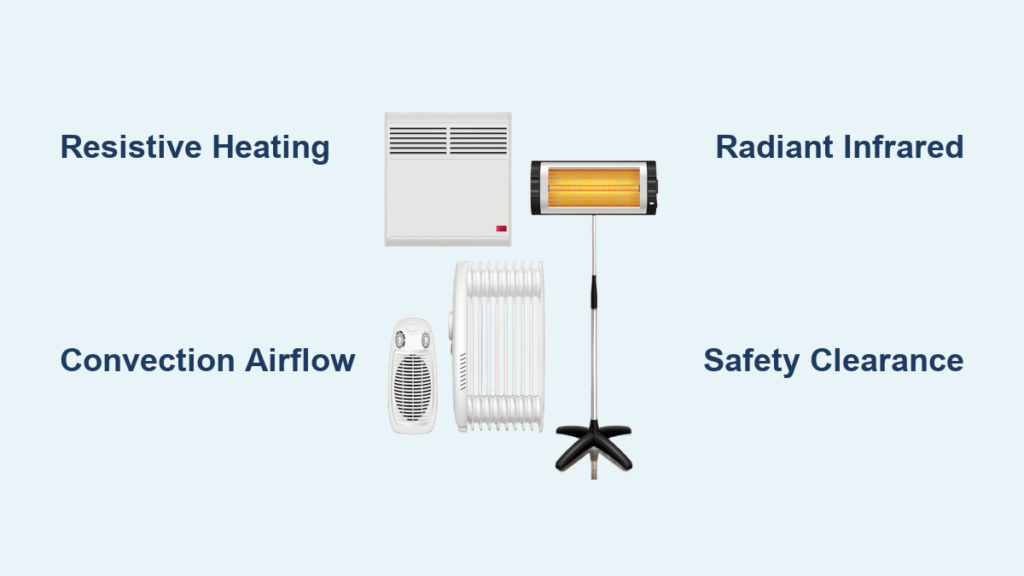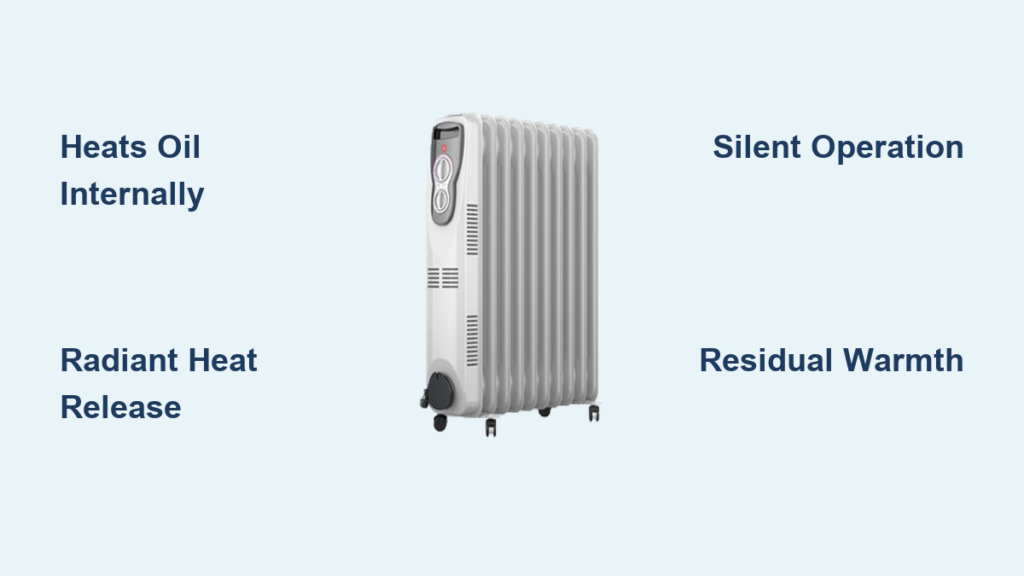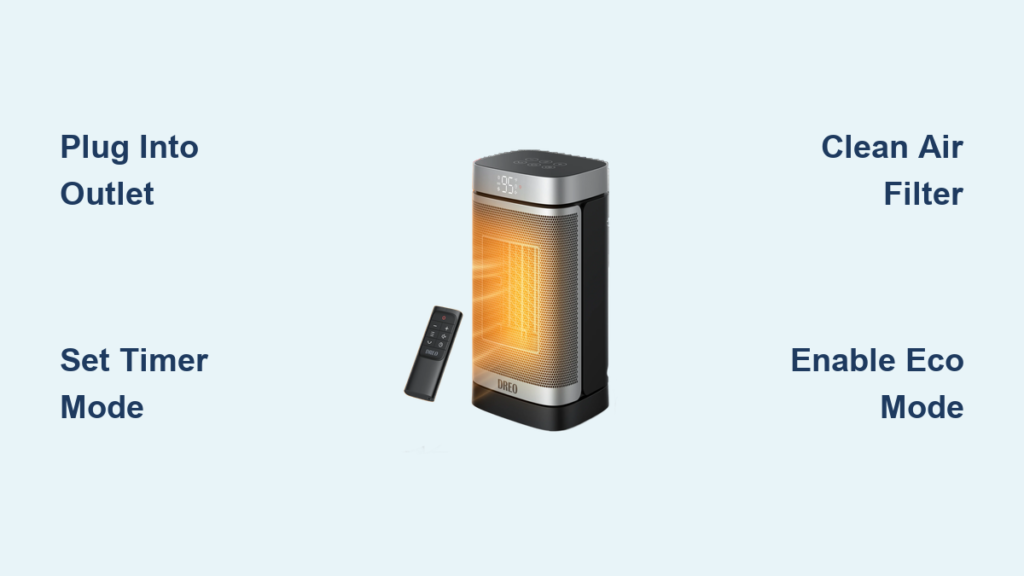
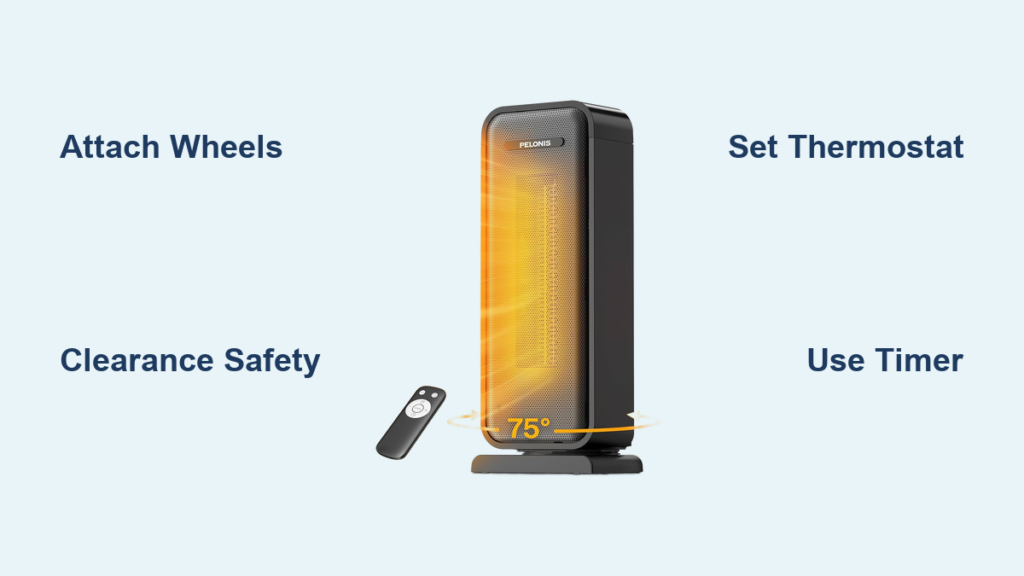
You just unboxed your Pelonis oil-filled space heater and want to stay warm safely and efficiently. Whether you’re using it in a bedroom, home office, or drafty living room, knowing how to use a Pelonis space heater correctly ensures comfort, safety, and long-term performance. This guide walks you through every step from setup to shutdown with clear instructions, pro tips, and real-world insights.
You’ll learn how to operate the thermostat, set the timer, avoid common mistakes, and keep your heater running smoothly all season. From assembly to storage, each section provides actionable steps backed by the official product specifications.
Assemble Your Pelonis Heater
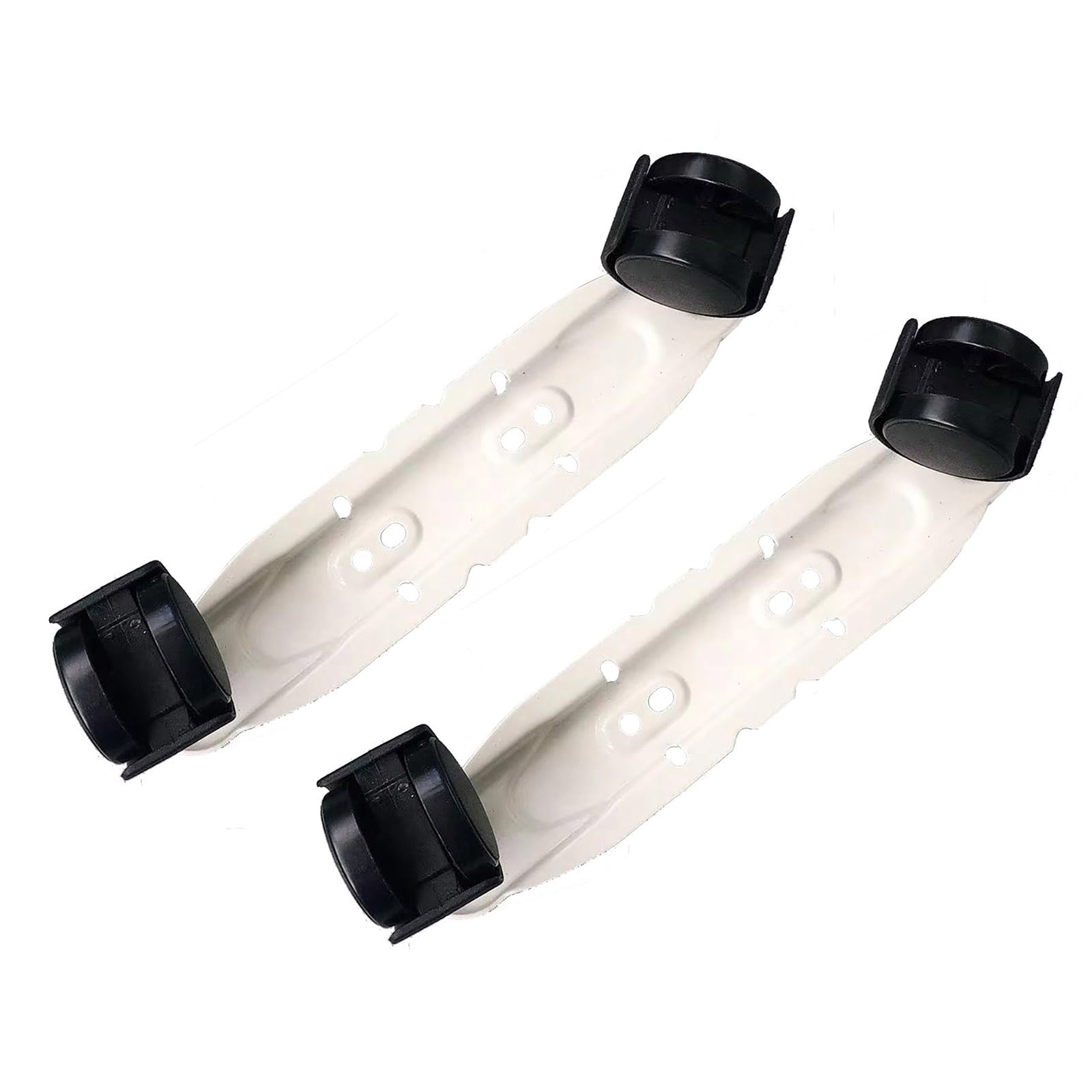
Before turning it on, assemble your heater quickly and securely. The Pelonis oil-filled radiator arrives with wheels that require simple hand assembly. No tools are needed, and the entire process takes under five minutes.
Attach Wheels in Under 5 Minutes
Locate the wing-nut wheels included in the box. Align each wheel with the base mounting holes on the bottom of the unit. Hand-tighten the wing nuts by turning them clockwise until snug. Ensure all wheels spin freely and the unit sits level on a flat surface.
Test stability on a hard floor. Wobble means one wheel is not seated properly. A stable base is essential for the tip-over protection feature to work correctly.
Check Placement & Clearance
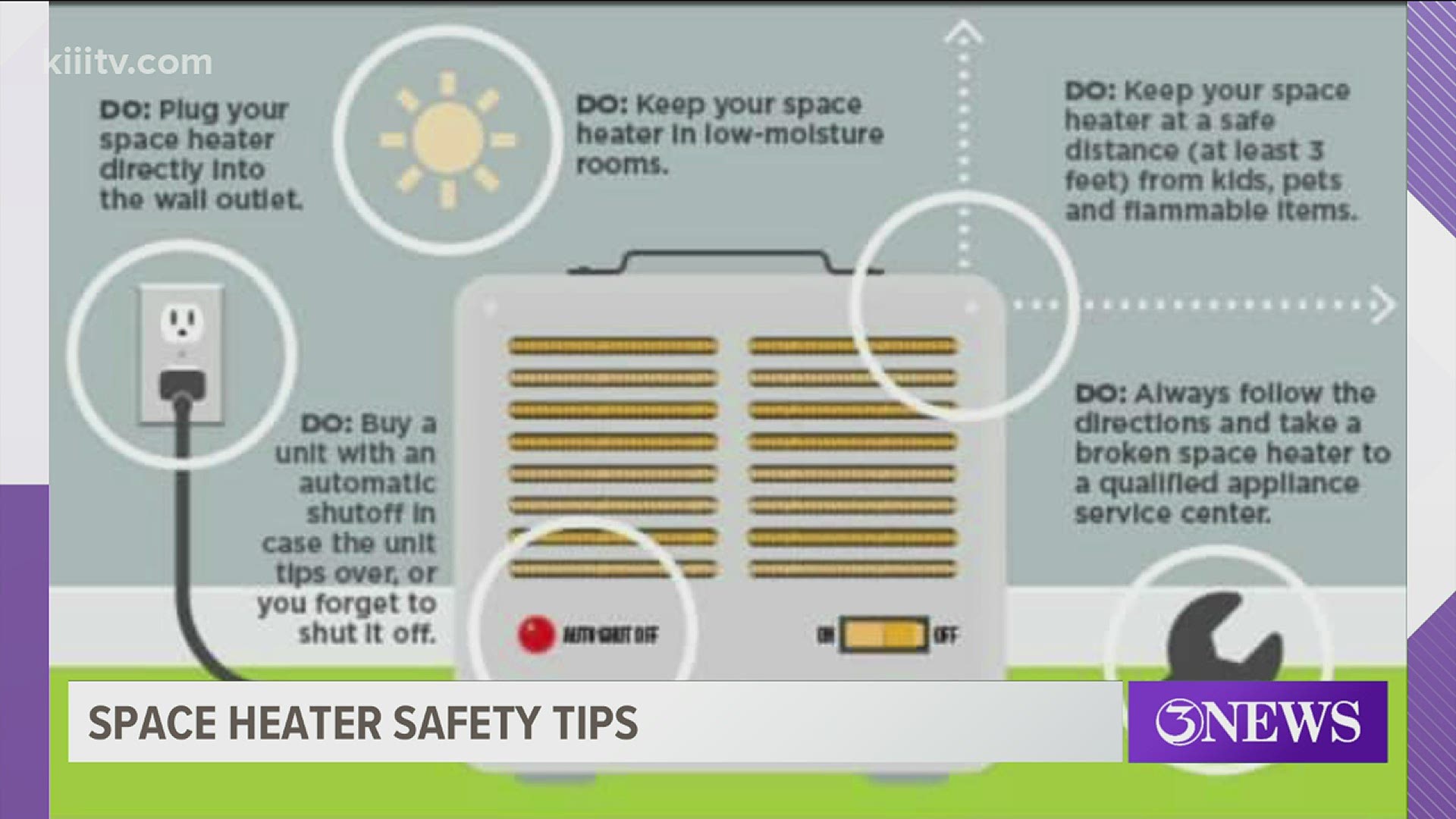
Where you place the heater is as important as how you turn it on. Proper placement ensures efficient heat distribution and prevents safety hazards.
Choose a Safe, Level Surface
Place the heater on a flat, non-flammable floor such as tile, wood, or laminate. Avoid carpets, rugs, or uneven surfaces unless your specific model manual approves them. Most Pelonis models recommend hard floors only.
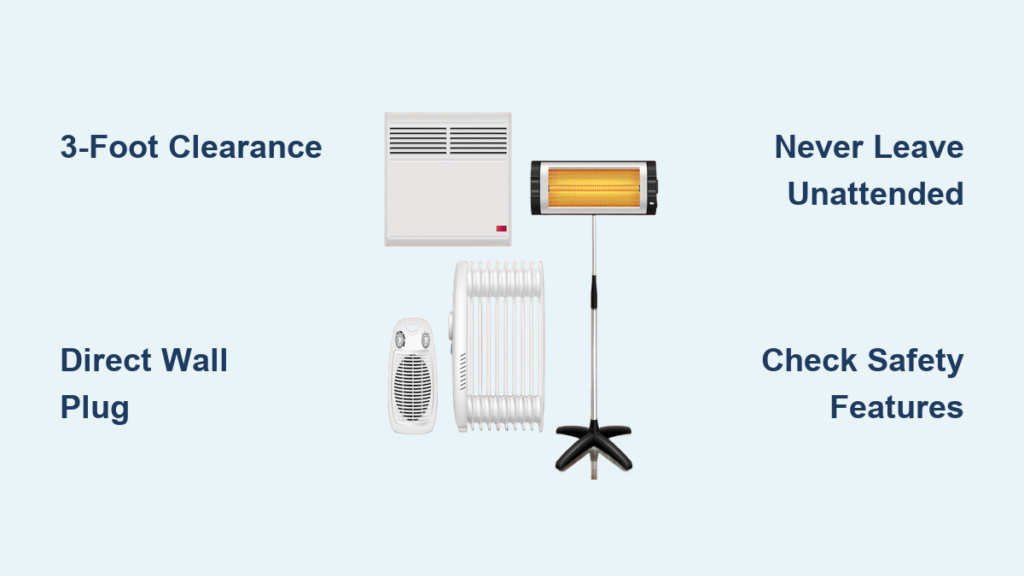
Maintain at least three feet of clear space from beds, curtains, furniture, paper, clothing, and any flammable materials. Walls and tight corners that block airflow should also be avoided.
Blocking vents can trigger overheat protection or create a fire hazard. This is one of the most common safety mistakes users make.
Face It Toward You
Heat radiates in a 103-degree arc, so point the front of the unit toward your seating or sleeping area. Do not tuck it behind furniture. This defeats its directional output and reduces heating effectiveness.
Position the heater where you need warmth most, such as beside a bed, under a desk, or near a sofa.
Plug In Safely
Electrical safety is critical with any 1500-watt heater. The Pelonis draws significant power and requires proper outlet connections.
Use a Dedicated 120V Outlet
Plug the three-prong polarized cord directly into a grounded wall outlet. Never use extension cords, power strips, or surge protectors unless they are specifically rated for 1500 watts or higher.
Sharing the circuit with high-watt appliances like microwaves or hair dryers may trip the breaker. Test the outlet with another device first to confirm it is working properly.
Turn On & Select Heat Settings
Now it is time to generate warmth correctly and efficiently. The Pelonis offers three heat settings to match your comfort needs and energy goals.
Rotate the Power Knob to Start
Turn the power-control knob clockwise from O (Off) to one of three settings. The 600-watt setting provides low heat ideal for mild days or energy savings. The 900-watt setting offers medium heat that balances warmth and efficiency. The 1500-watt setting delivers high heat for the fastest warm-up in cold rooms.
Expect initial warmth within five to ten minutes. Full output takes fifteen to twenty minutes. Oil-filled heaters warm gradually rather than producing instant heat.
Set the Thermostat for Automatic Control
Turn the thermostat dial (labeled one to six or Low to High) to your desired room temperature. The heater cycles on and off automatically to maintain it. Start at setting four (Medium-High) and adjust down once the room feels warm.
Lower the thermostat when leaving the room. The unit will restart when temperatures drop, saving energy while maintaining comfort.
Use the Timer (Model HF-0063)
If your Pelonis model includes a timer function, use it to automate shutdown and prevent the heater from running unattended.
Program Auto-Off Up to 12 Hours
Press the timer button to select a delay such as two hours, four hours, or eight hours. The heater runs until the timer expires, then shuts off completely. This feature is great for overnight use or ensuring the unit does not run all day while you are away.
Set the timer to turn off after you fall asleep. This provides peace of mind while conserving energy.
Timer Not Responding
Try holding the timer button for two full seconds. If it still does not respond, unplug the heater for ten seconds, then plug it back in. This resets minor electronic glitches.
Understand the Heat Output

Knowing what to expect from an oil-filled radiator helps you use it effectively. Pelonis heaters use radiant and convective warming rather than forced air.
Radiant + Convective Warmth
The heater warms objects and people directly through radiant heat. It also warms air slowly through natural convection. No fan means silent operation, making it ideal for sleep or work environments.
The heater covers up to 150 square feet effectively. It works best in small to medium rooms like bedrooms, offices, and sunrooms. It is not designed for large or poorly insulated spaces.
Use this heater as supplemental heat, not as primary heating for your home. It will not blast hot air like a ceramic heater, but it holds heat longer after turning off.
Shut Down Properly
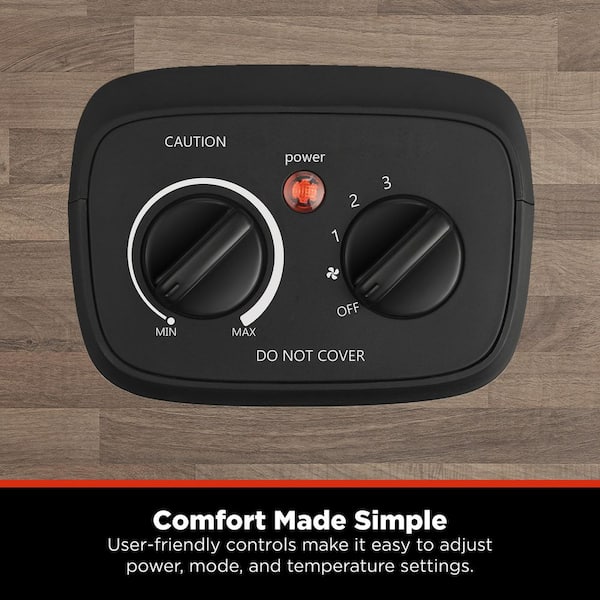
Turning it off the right way protects safety and extends the heater’s lifespan. Follow these steps every time you finish using the unit.
Turn Knob Back to O
Rotate the power-control knob fully counterclockwise to O to stop heating. On electronic models, press the power button once to shut down.
Unplug When Not in Use
Always unplug the heater when leaving the room for hours, going to sleep (unless the timer is active and placement is safe), or storing between seasons. Even with tip-over and overheat protection, unplugging eliminates all electrical risk.
Maintain Your Heater Monthly
A little care keeps your Pelonis working safely and efficiently throughout the heating season. Regular maintenance prevents dust buildup that can block airflow.
Clean Vents & Exterior
Clean the heater every one to two months during use. Unplug and let it cool completely before cleaning. Wipe the surface with a dry cloth. Vacuum dust from fins and intake areas using a brush attachment.
Never use water, cleaners, or steam on the heater. This can damage internal components and create electrical hazards.
Listen for Normal Sounds
Ticking or gurgling sounds are normal. These are caused by the oil expanding and contracting inside the sealed system. If you notice a smell after the first use, this is factory residue burning off. Ventilate the room if needed. The odor should disappear within a few hours.
Follow Safety Protocols
Avoid hazards by relying on built-in protections and developing smart usage habits. The Pelonis includes several automatic safety features.
Rely on Built-In Safety Features
The tip-over switch shuts off automatically if the unit is knocked over. The overheat protection stops heating if vents are blocked or internal temperatures rise too high. Both features reset automatically once the issue is corrected.
Keep Kids & Pets Away
While the surface stays cooler than other heaters, it still gets hot enough to cause burns. Place the heater in low-traffic areas. Teach children not to touch or play near it.
Never cover the heater, even with a towel or blanket. This blocks airflow and creates a fire hazard.
Troubleshoot Common Issues
Quick fixes for frequent problems can save you time and frustration. Most issues have simple solutions.
Heater Won’t Turn On
If the heater does not turn on, the power knob may not be engaged properly. Rotate it past O to a heat setting. Also check that the outlet has power and the breaker has not tripped.
Shuts Off Automatically
Automatic shutdown usually means the tip-over protection was triggered. Reposition the heater on a level floor. Alternatively, the overheat sensor was activated. Clean the vents and ensure proper clearance around the unit.
No Heat After Powering On
Wait five to ten minutes. Oil heaters warm gradually. Verify the thermostat is not set too low. Increase the thermostat setting and wait for the heating cycle to begin.
Smell or Smoke on First Use
This is normal. Burning dust or oil residue from the manufacturing process causes the odor. Ventilate the room and run the heater for one to two hours. The smell should disappear. If it persists or you notice a burning smell later, stop use immediately and inspect the unit.
Store It Right Off-Season
Proper storage protects your heater and prepares it for next winter. Take a few minutes to store it correctly.
Cool, Unplug, Wrap Cord
Unplug the heater and let it cool overnight. Wrap the cord using the integrated cord wrap on the back of the unit. Store upright in a dry, dust-free area such as a closet, shelf, or basement.
Cover with a breathable cloth to prevent dust buildup. Avoid plastic bags, which trap moisture. Wipe down the exterior before storing to keep it clean.
Maximize Efficiency & Longevity
Use your Pelonis smarter for lasting results. Small changes in how you operate the heater can significantly impact performance and energy costs.
Use the Thermostat, Not Just On/Off
Let the heater cycle automatically instead of running it nonstop. This saves energy and reduces wear on components. The thermostat maintains consistent warmth without wasting electricity.
Pair with Insulation Tactics
Close doors and blinds in the room you are heating. Use draft stoppers under doors. Heat only occupied spaces rather than trying to warm the entire house.
At 1500 watts, the heater costs about eighteen to twenty-five cents per hour to run based on average U.S. electricity rates. Using the thermostat and timer reduces this cost significantly.
Final Tips for Best Results
Get the most out of your Pelonis heater with these expert-backed habits. Understanding when and where to use it ensures optimal performance.
Ideal Use Cases
The heater works excellently in bedrooms because silent operation will not disturb sleep. It is perfect for home offices, providing steady warmth without fan noise. Elderly users benefit from its safe, consistent heat with multiple automatic shutoffs. It also works well in drafty rooms as a supplement to weak central heating.
Frequently Asked Questions About Using Pelonis Space Heaters
How long does it take for a Pelonis oil heater to heat up?
Initial warmth is felt within five to ten minutes. Full operating temperature is reached in fifteen to twenty minutes. Oil-filled heaters warm gradually rather than producing instant heat like ceramic models.
Can I use an extension cord with my Pelonis space heater?
No. Manufacturer guidelines and safety standards strongly discourage using extension cords with 1500-watt heaters. Extension cords can overheat and create fire hazards. Always plug directly into a grounded wall outlet.
Is it safe to leave a Pelonis heater running overnight?
It is not recommended to leave any space heater unattended or running while sleeping unless using a timer with proper clearance. If you use the timer feature and ensure three feet of clearance from bedding, it can run safely through the night.
How much electricity does a Pelonis heater use?
At full 1500-watt setting, it uses 1.5 kilowatts per hour. At average U.S. electricity rates, this costs approximately eighteen to twenty-five cents per hour. Using lower wattage settings reduces consumption significantly.
Can I use my Pelonis heater in a bathroom?
No. Pelonis oil-filled heaters are designed for indoor, dry locations only. They are not rated for use in bathrooms, garages, or outdoor areas. Moisture and high humidity can damage components and create electrical hazards.
Why does my Pelonis heater make clicking or gurgling sounds?
These sounds are completely normal. The clicking comes from the thermal expansion and contraction of the oil and metal components inside the sealed system. It is not a defect and does not affect performance.
Key Takeaways for Using Your Pelonis Space Heater
The Pelonis oil-filled space heater delivers safe, quiet, and efficient warmth when used correctly. By following these steps from assembly to shutdown, you ensure reliable performance all winter long.
Prioritize placement first. Always keep three feet of clearance from flammables and place the heater on a hard, level surface. Use the thermostat and timer to maintain comfort while saving energy. Clean the vents monthly and store the unit properly during off-season months.
With proper care and smart usage habits, your Pelonis heater will provide dependable supplemental heat for many winters to come. The silent operation, automatic safety features, and energy-efficient design make it an excellent choice for bedrooms, offices, and living areas where quiet, consistent warmth matters most.