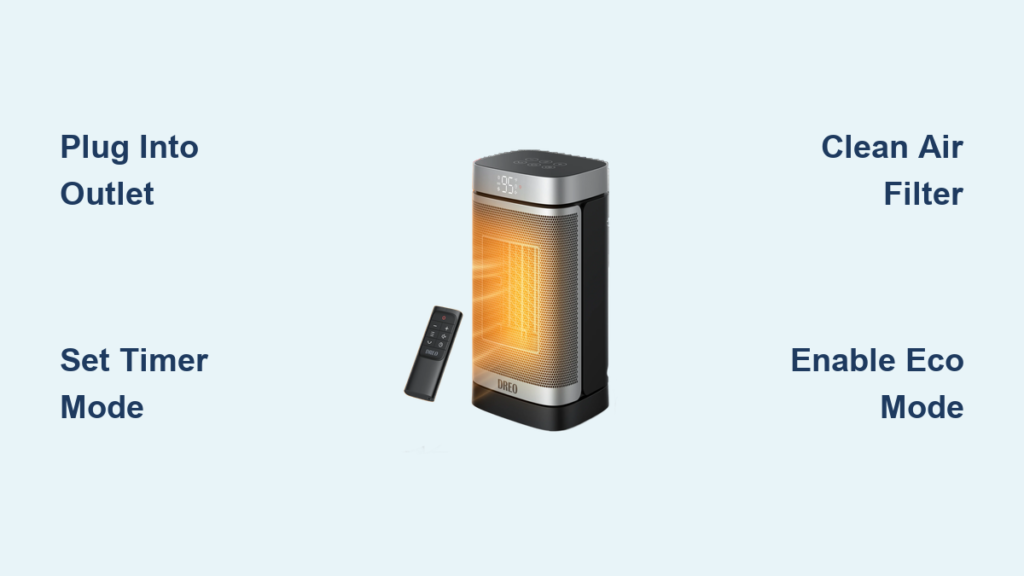
Space heaters can be a lifesaver when the temperature drops, especially in drafty rooms or homes with uneven heating. But knowing how to use a space heater properly is essential, not just for comfort, but for safety. Each year, thousands of home fires are linked to space heater misuse, often due to simple oversights like placing the unit too close to curtains or using an unsafe extension cord. This guide walks you through every step of safe, effective space heater use, whether you are warming a bedroom, home office, or basement.
Using a space heater responsibly means understanding your specific model, respecting its power, and following clear safety rules. From plug-in electric units to vented propane heaters, each type has unique requirements. Below, we break down everything you need to know to use your space heater safely, efficiently, and in full compliance with safety standards.
Choose the Right Heater Type for Your Needs
Match Your Heating Requirements to Heater Type
Not all space heaters are created equal. The best choice depends on your heating needs, room size, and safety priorities.
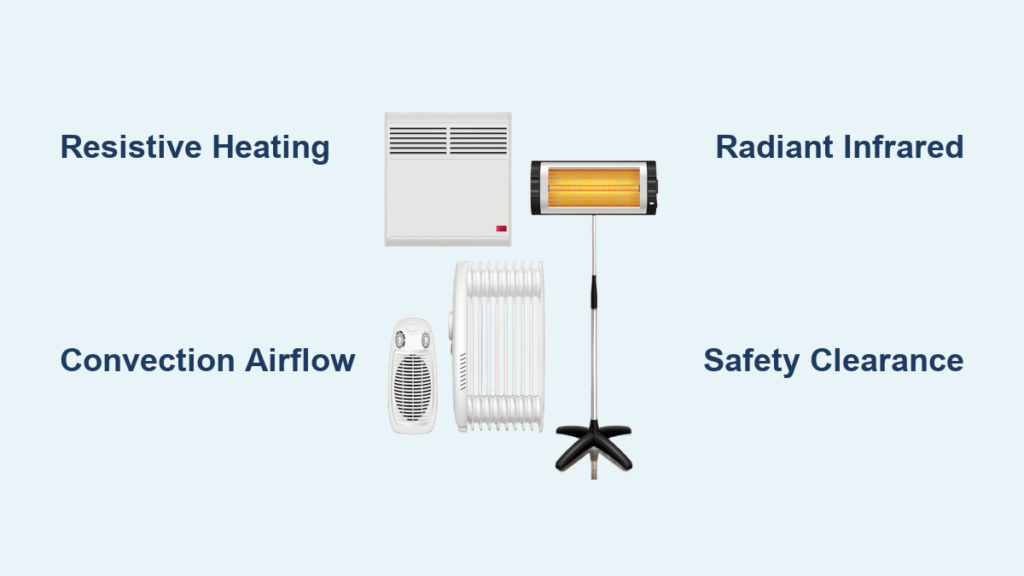
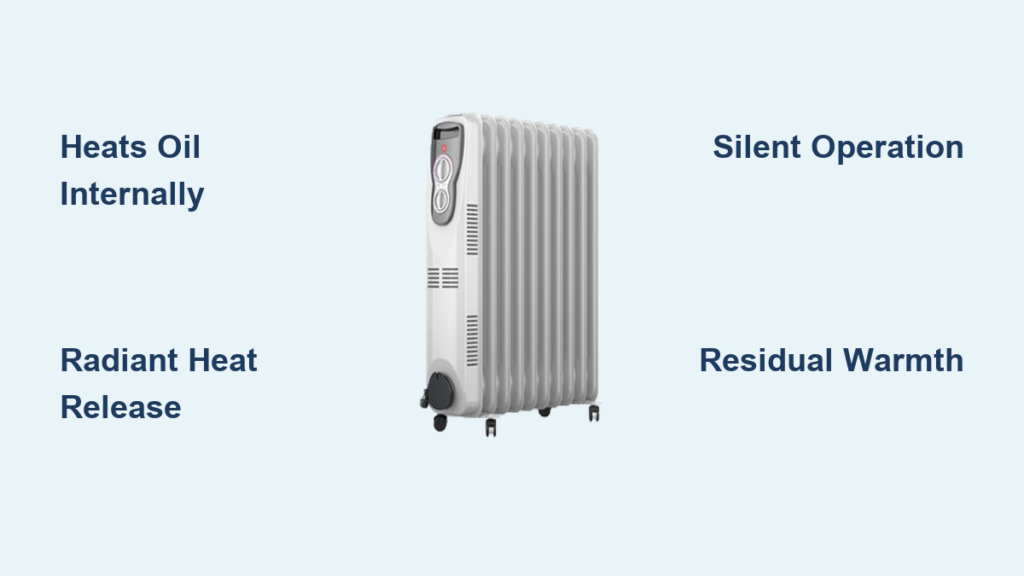
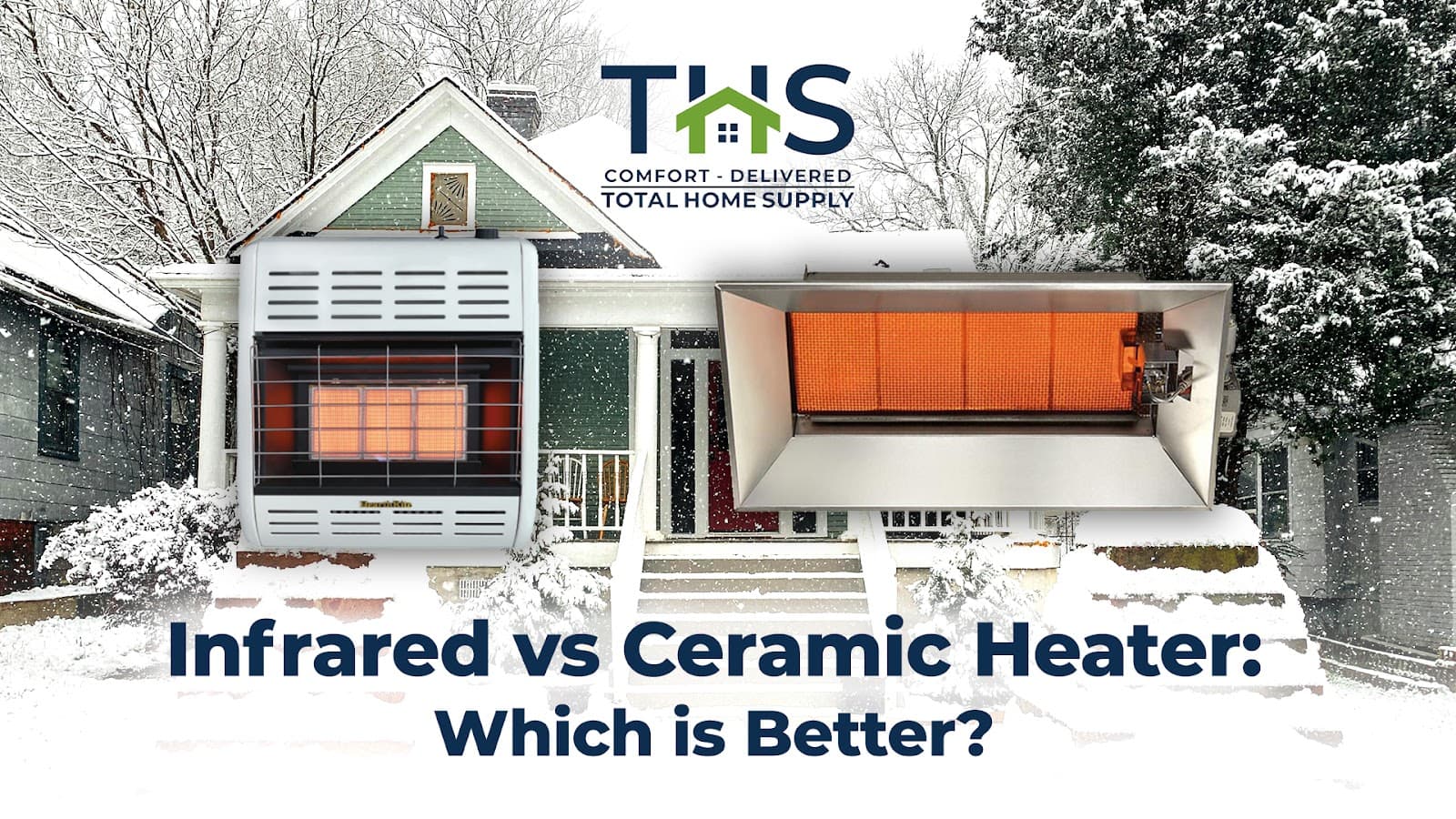
Electric heaters are ideal for indoor use, especially in bedrooms or offices, because they do not emit fumes. They include oil-filled radiators, ceramic fans, and infrared radiant models. Combustion-based heaters like propane, kerosene, or natural gas generate more heat and may be better for garages or workshops, but only if properly vented. Oil-filled radiators provide steady, long-lasting heat and are great for continuous use. Radiant heaters warm people and objects directly, perfect for short-term spot heating. Fan-forced convection heaters heat air quickly but can dry out the room.
Avoid unvented combustion heaters indoors. These models release carbon monoxide and moisture into your living space and are banned in many areas, including California.
Verify Safety Certifications Before Buying
Before buying, always look for a safety certification mark on the unit. These indicate the heater has been independently tested to meet strict safety standards. Look for UL (Underwriters Laboratories), CSA (Canadian Standards Association), or ETL (Intertek). If you see an unfamiliar label, verify it online. Avoid heaters without any certification, as these may lack critical safety features like tip-over protection or overheat shutoff.
Position Your Space Heater Correctly
Keep the 3-Foot Safety Rule
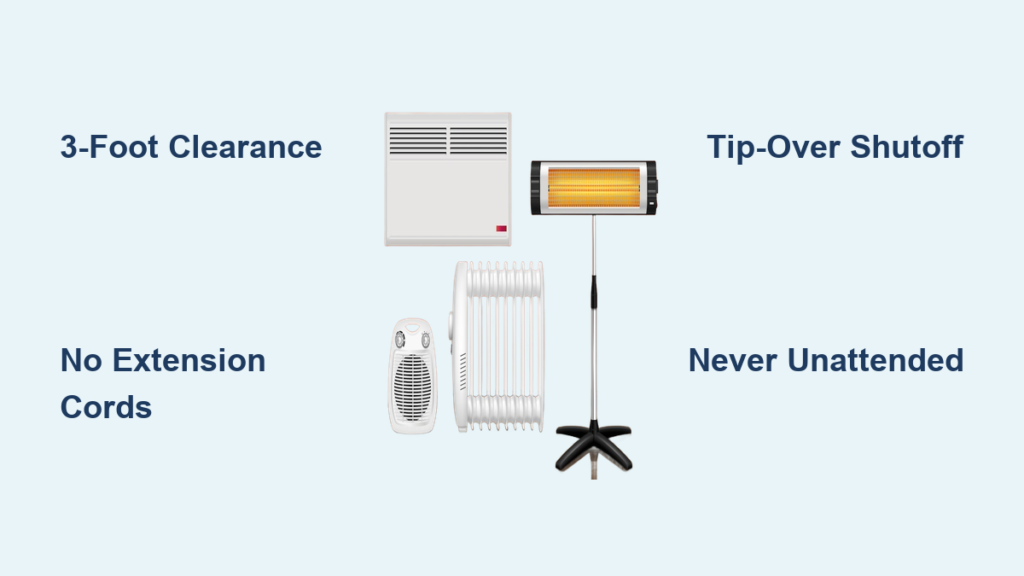
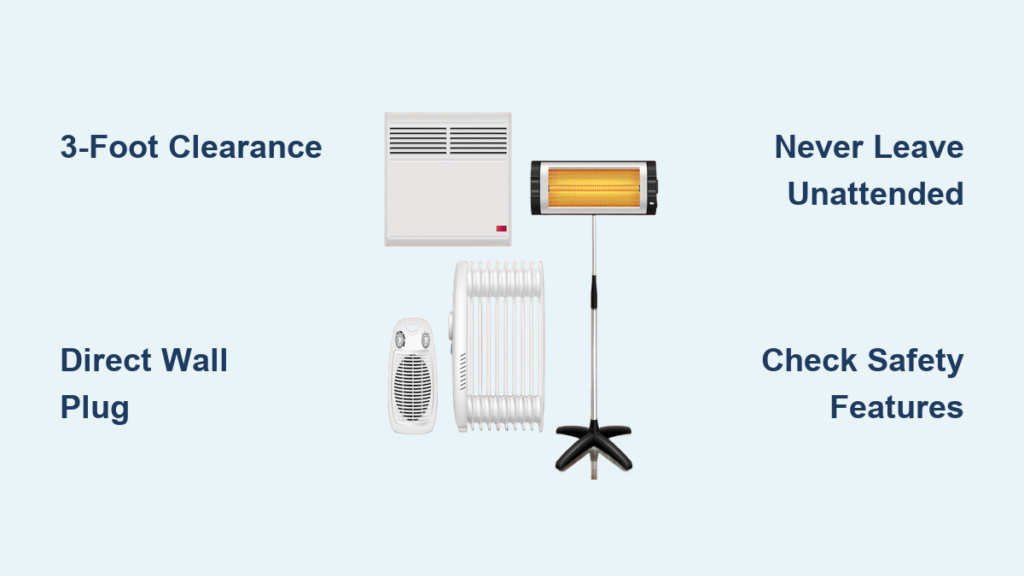
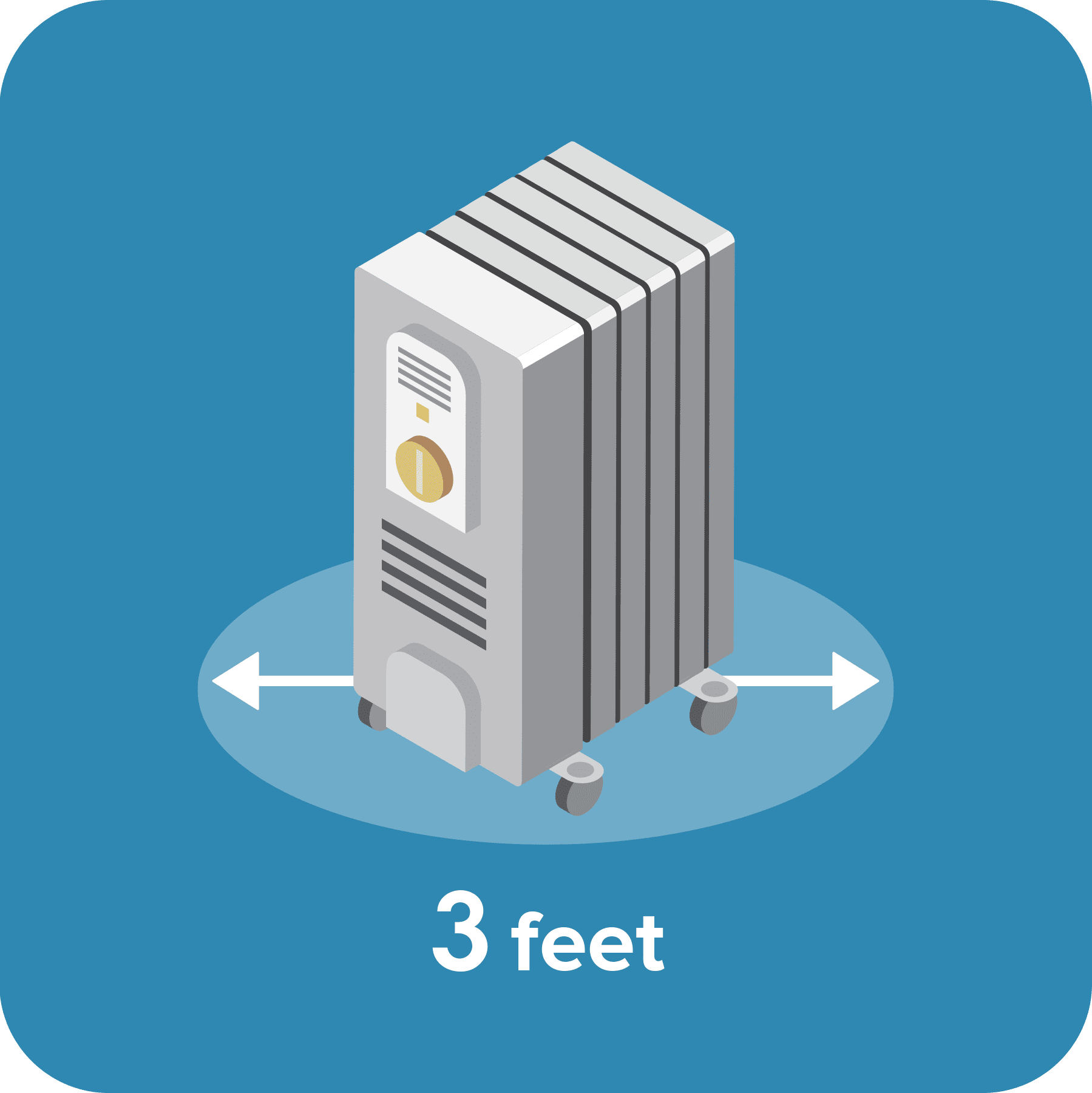
The most common cause of space heater fires is proximity to flammable materials. Keep at least three feet of clearance on all sides. Avoid placing the heater near curtains or drapes, upholstered furniture, bedding or pillows, paper stacks or books, or clothing or towels. Even heat radiating from a safe distance can ignite nearby fabrics over time.
Set Up on Stable, Non-Flammable Surfaces
Always set your space heater on a hard, level, non-flammable floor such as tile, stone, or hardwood. Never place on rugs or carpets, tables or countertops, or upholstered furniture. These surfaces can overheat, tip the unit, or catch fire. If the heater is accidentally knocked over, a low center of gravity and flat base reduce the risk of tipping.
Plug In Your Heater Safely

Use a Wall Outlet Directly
Plug your space heater directly into a wall outlet, never into a power strip, surge protector, or multi-outlet adapter. Most space heaters draw 1,500 watts (12.5 amps), which is near the limit of a standard 15-amp circuit. Power strips and surge protectors are not designed to handle this load and can overheat, melt, or ignite.
Avoid Extension Cords When Possible
If you must use an extension cord, choose the shortest possible length. Use only 14-gauge or thicker (lower gauge number equals thicker wire). Ensure it is labeled for heavy-duty use. Never run under rugs or furniture. Even with a heavy-duty cord, plugging directly into the wall is always safer.
Check Circuit Load Before Use
Running a space heater on a circuit already powering other appliances like a microwave or hair dryer can trip the breaker or overload the system. Plug the heater into an outlet on a different circuit than other high-wattage devices. If the breaker trips frequently, stop using the heater on that circuit.
Use With Constant Supervision
Never Leave the Heater Unattended
Turn off your space heater when you leave the room or go to sleep. This is one of the most important safety rules. Overnight use increases fire risk, especially if the unit tips over or something falls onto it. Even models with safety shutoffs can fail.
Never Use for Drying Clothes
It may be tempting to dry socks or gloves on a heater, but this is extremely dangerous. Hanging items block airflow, cause overheating, and can ignite. Never use a space heater as a drying rack.
Prioritize Essential Safety Features
Ensure Key Safety Mechanisms Are Present
When purchasing or using a space heater, confirm it has these essential safety features. Look for a tip-over switch that automatically shuts off if the unit falls over. Overheat protection turns off if internal temperatures become unsafe. Cool-touch housing prevents burns, especially important around kids and pets. Thermostat control maintains desired temperature and reduces energy use. If any of these features are missing or malfunctioning, do not use the heater.
Install Carbon Monoxide Detectors
If you use a fuel-burning space heater (propane, natural gas, kerosene), install carbon monoxide detectors in the same room and on every level of your home. Carbon monoxide is odorless and colorless. Early symptoms of poisoning include headache, dizziness, and nausea. A detector can save lives. Test detectors monthly and replace batteries annually.
Maintain Your Space Heater Regularly
Clean Dust and Debris
Dust buildup on heating elements or fans can reduce efficiency and become a fire hazard. Unplug the heater and let it cool completely. Wipe the exterior with a dry or slightly damp cloth. Use a soft brush or vacuum to remove dust from vents and grilles. For oil-filled radiators, check for leaks and ensure fluid levels are stable. Do not use water or chemical cleaners on internal components.
Inspect Cords and Plugs Before Each Use
Check the power cord and plug for fraying or cracking, discoloration (sign of overheating), or loose connections. Replace the unit if you notice any damage.
Store Properly During Off-Season
When not in use, store your space heater in a dry, dust-free place, preferably in its original box or a protective cover. Avoid damp basements or garages where moisture can corrode electrical parts.
Optimize for Energy Efficiency
Heat Only the Room You Are Using
Space heaters are most cost-effective when used to heat a single occupied room instead of running a central furnace. Turn down the thermostat at night and use a space heater in your bedroom for a few hours. This strategy can reduce overall heating costs, especially in well-insulated rooms.
Use Thermostat or Timer Features
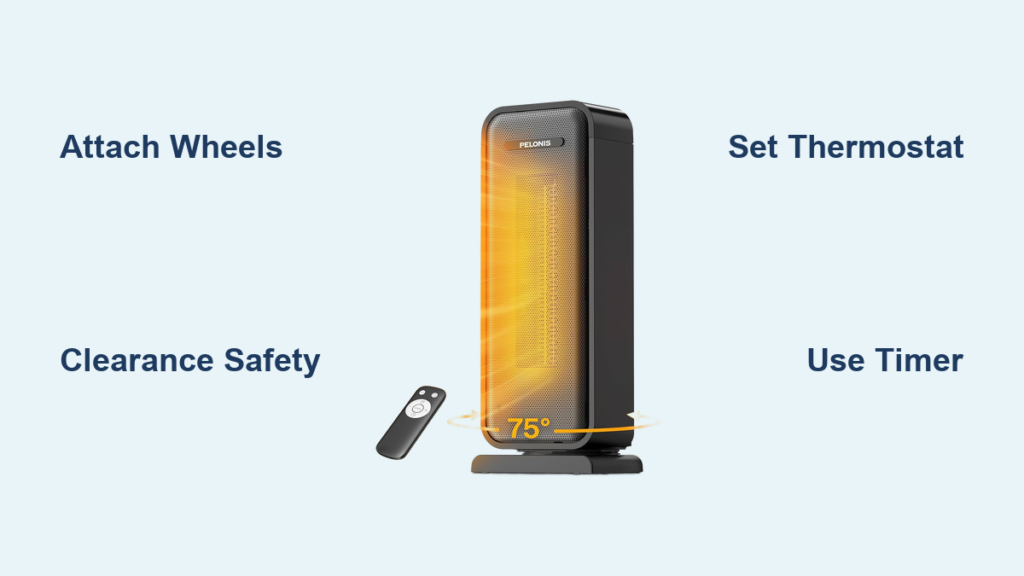
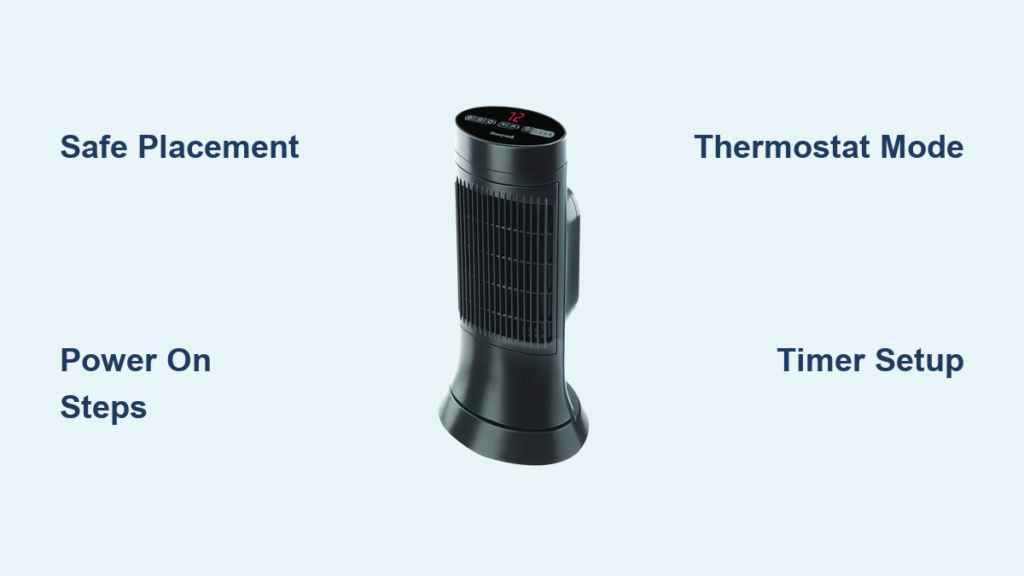
Models with built-in thermostats cycle on and off to maintain temperature, preventing wasted energy. Some units also offer programmable timers, allowing you to turn on the heater 15 minutes before you enter a room or automatically shut off after one to two hours. This adds convenience and reduces the risk of leaving the heater on too long.
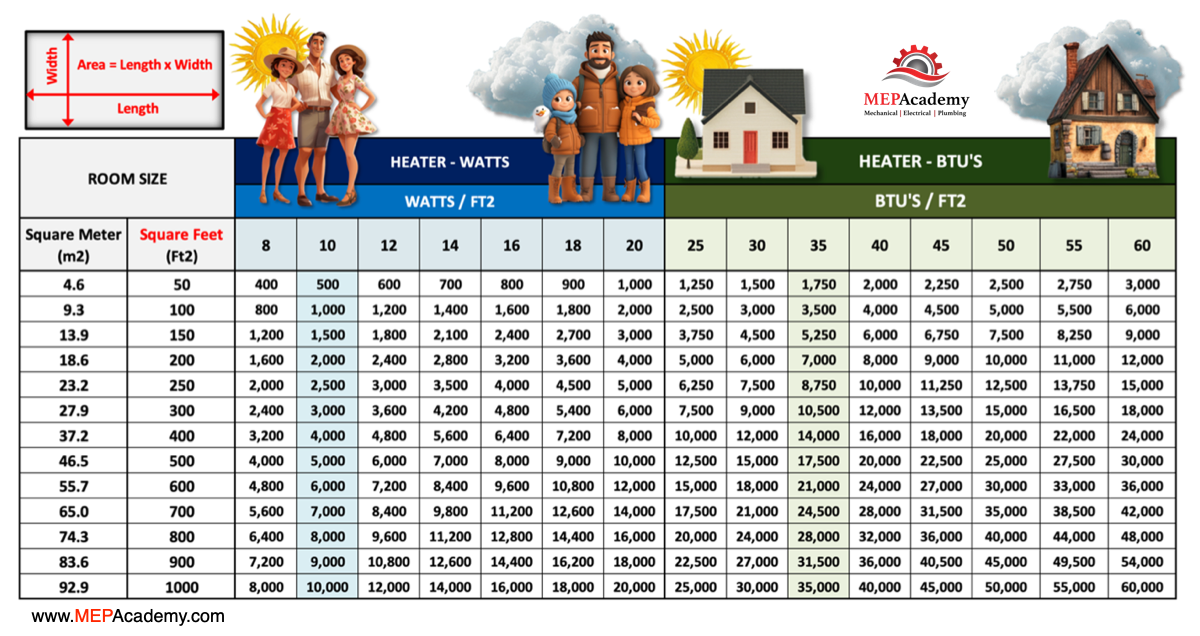
Choose the Right Size for Your Room
Using an undersized heater forces it to run constantly, increasing energy use and wear. An oversized one cycles too frequently. Match your room size to the appropriate Btu output. For 100 square feet, aim for 3,000 to 5,000 Btu. For 150 square feet, use 5,000 to 7,500 Btu. For 250 square feet, target 7,500 to 10,000 Btu. For 400 square feet, use 10,000 to 15,000 Btu. Electric heaters use watts instead of Btu: 1,500 watts equals approximately 5,100 Btu.
Know When Not to Use a Space Heater
Avoid High-Risk Areas
Never use a space heater in bathrooms or near sinks (unless specifically rated for wet locations), children’s rooms without supervision, cluttered storage areas, or garages with flammable liquids like gasoline or paint thinner. Moisture and electricity are a deadly combination. Most electric heaters are not waterproof.
Do Not Use as Primary Heat Source
Space heaters are designed for supplemental heating only. They are not energy-efficient for whole-house warming and pose greater risks when used continuously. If your central heating fails, consider temporary repairs, professional service, or alternative heating solutions like portable heat pumps. Relying on multiple space heaters can overload circuits and increase fire risk.
Handle Special Situations Properly
Think Twice About Power Outages
During a power outage, electric space heaters will not work unless you have a generator. Propane or kerosene models can provide heat, but they must be used in well-ventilated areas, require outdoor-rated venting, and should never be used indoors without proper exhaust. Improper use can lead to carbon monoxide buildup, a leading cause of poisoning during storms.
Ideal for Elderly or Cold-Sensitive Users
Older adults or people with circulation issues often feel cold even in heated homes. A space heater in a favorite chair or bedroom can improve comfort without raising the whole-house temperature. Use a low-wattage radiant heater pointed at the person, not the room, for efficient warmth.
Follow Manufacturer Instructions
Read the User Manual
Every space heater comes with a manual containing model-specific safety and operation guidelines. Skipping this step increases risk. Always follow placement and clearance instructions, use only approved fuels for combustion models, perform recommended maintenance, and heed warnings about indoor or outdoor use. If you have lost the manual, download a copy from the manufacturer website using the model number.
Register Your Heater
Registering your space heater with the manufacturer ensures you will be notified of any recalls or safety alerts. Many recalls go unclaimed because owners do not register. It takes less than five minutes and could prevent a fire.
Frequently Asked Questions About Using Space Heaters
Can I leave a space heater running overnight?
No, you should never leave a space heater unattended or running while sleeping. Even models with safety shutoffs can fail, and overnight use significantly increases fire risk. Always turn off your space heater before leaving the room or going to bed.
What is the 3-foot rule for space heaters?
The 3-foot rule means keeping at least three feet (one meter) of clearance on all sides of your space heater from any flammable materials. This includes curtains, furniture, bedding, paper, and clothing. This clearance prevents heat from igniting nearby objects.
Can I use an extension cord with my space heater?
You should avoid using an extension cord if possible. If absolutely necessary, use the shortest heavy-duty cord available (14-gauge or thicker) labeled for high-wattage appliances. Never run extension cords under rugs or furniture, and always plug directly into a wall outlet when possible.
Are oil-filled space heaters safer than other types?
Oil-filled radiators are generally considered safer for indoor use because they do not have exposed heating elements and cool down slowly after being turned off. They also do not dry out the air as much as fan-forced heaters. However, all space heaters require the same basic safety precautions regardless of type.
Do space heaters use a lot of electricity?
Space heaters typically draw 1,500 watts, which is near the maximum of a standard 15-amp circuit. While they can be more economical than heating an entire home, they can increase your electricity bill if used frequently or in large spaces. Using a space heater to heat a single occupied room is the most cost-effective approach.
Key Takeaways for Safe Space Heater Use
Using a space heater safely starts with choosing the right model and ends with consistent habits like turning it off before bed and keeping it clear of clutter. Always prioritize certified, modern units with automatic shutoff features like tip-over protection and overheat shutoff. Never cut corners on placement or electrical setup. Keep three feet of clearance from all flammable materials, plug directly into wall outlets, and never leave the heater unattended. For combustion heaters, always use proper venting and install carbon monoxide detectors. By following these guidelines, you can enjoy targeted warmth without compromising safety. Stay warm, stay alert, and keep your home fire-free.