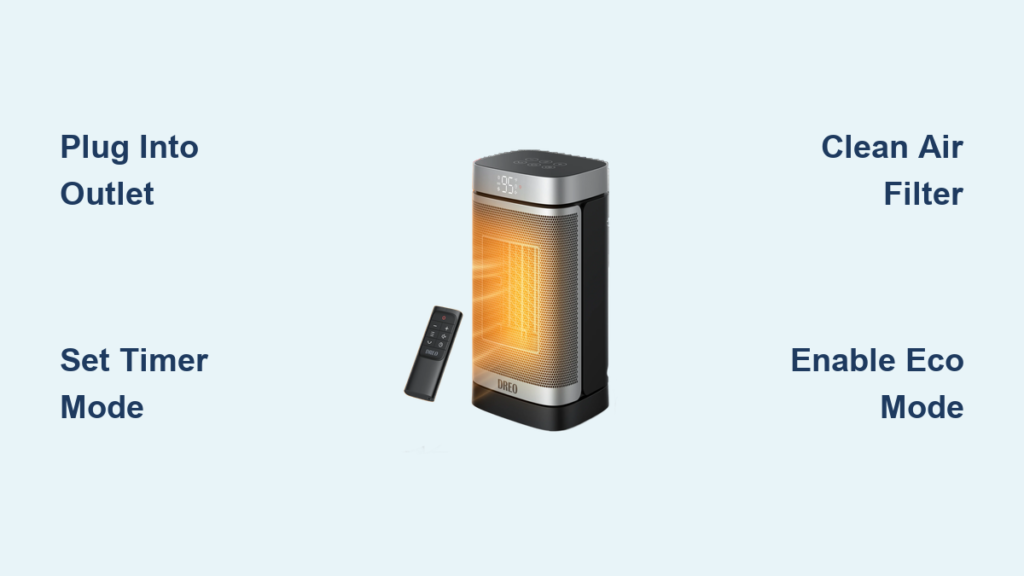
If you have ever turned on a space heater and felt warmth flood the room within minutes, you have witnessed one of the most efficient ways to deliver targeted heat. But how does a space heater work, exactly? At its core, a space heater converts energy, usually electricity or fuel, into heat using physical principles like resistance and infrared radiation. Unlike central heating systems that warm an entire home, space heaters focus on specific areas, making them ideal for boosting comfort in drafty rooms, home offices, or garages.
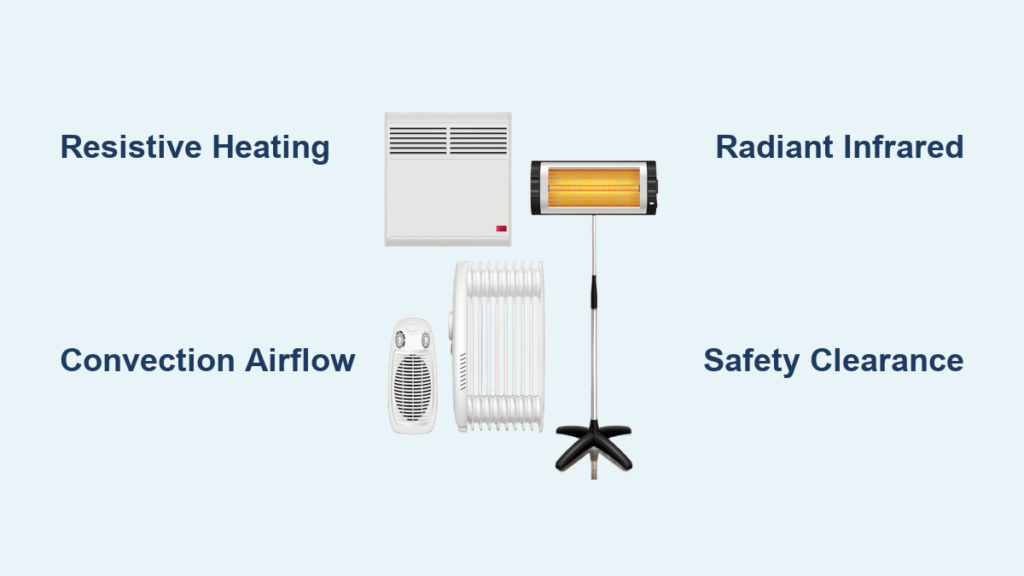
Understanding how these devices operate reveals why some heat up instantly while others provide slow, steady warmth. The answer lies in their heating method: convection, radiant, or a hybrid of both. Each type uses different components like ceramic plates, nichrome wires, or propane burners to generate and transfer heat. With power draws ranging from 750W to over 1,500W, electric models are nearly 100% efficient at turning electricity into heat, but safety and proper use are critical.
Energy Conversion: Turning Power Into Heat
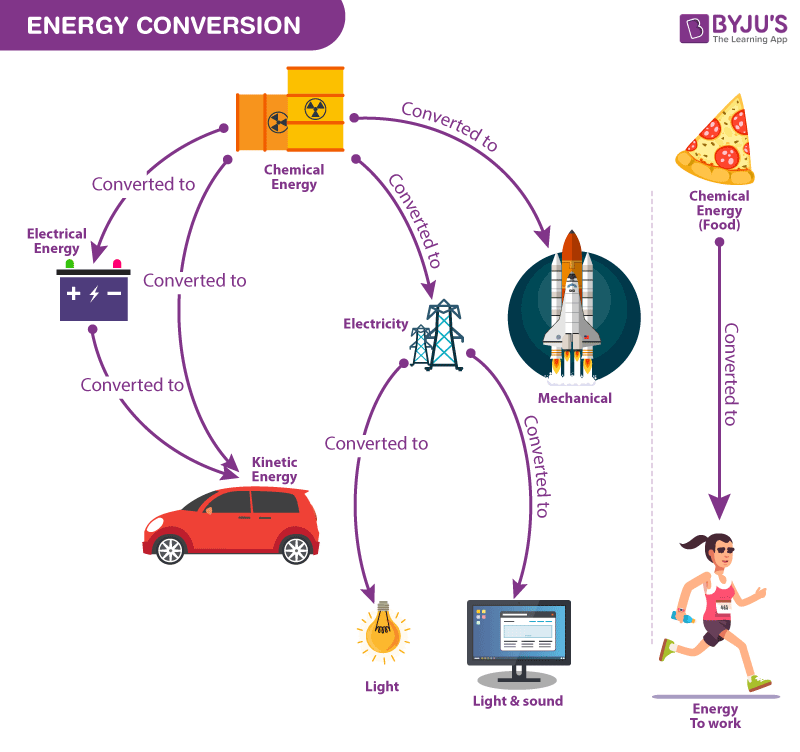
All space heaters rely on one fundamental principle: converting input energy into thermal energy. The method varies based on power source and design, but the outcome is the same, warmth where you need it most.
Resistive Heating in Electric Models
Electric space heaters use Joule heating, also known as resistive heating, to generate warmth. When electric current flows through a high-resistance material, energy is lost as heat due to electron friction.
The heating element is the heart of this process. Common materials include:
• Nichrome wire (nickel-chromium alloy)
• Ceramic plates
• Quartz tubes
• Tungsten filaments (in halogen heaters)
These materials resist electrical flow, causing rapid temperature rise. For example, a ceramic element can reach operational heat in seconds. Because nearly all electrical energy becomes heat, electric models are approximately 100% efficient at point-of-use, though electricity costs can add up quickly.
Combustion Heating for Fuel-Powered Units
Non-electric heaters burn fuel to produce heat. Common fuels include propane (LPG), natural gas, and kerosene.
Combustion occurs via a pilot light for continuous flame or an electronic igniter for spark-based ignition. The resulting flame heats a metal surface or radiates directly, transferring warmth through radiation or convection. While powerful, these models produce carbon monoxide (CO) and require ventilation. Never use unvented combustion heaters indoors unless explicitly rated for it.
Convection Heating: Warming the Air
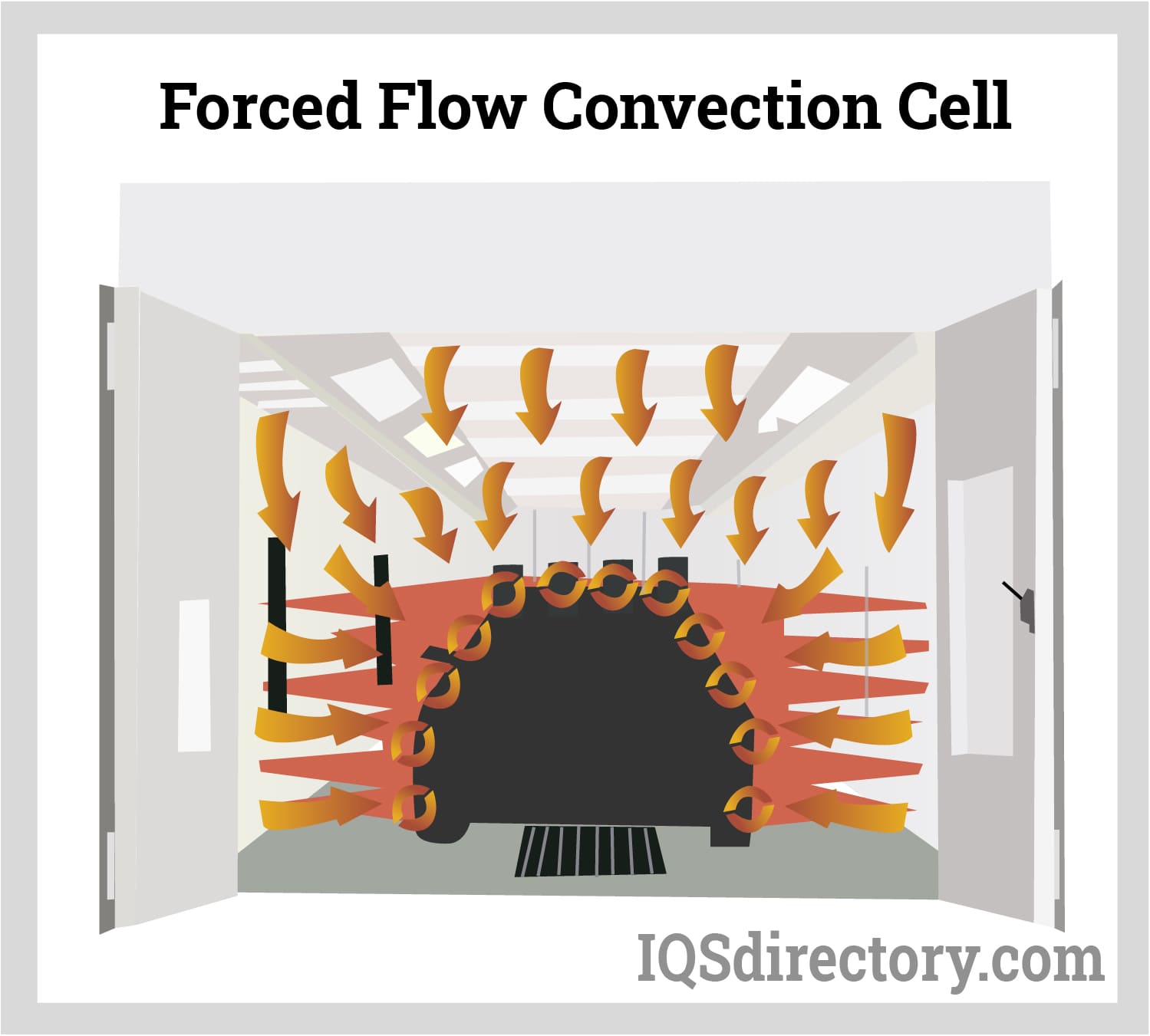
Convection heaters work by circulating warm air throughout a room, gradually raising ambient temperature. They are ideal for heating enclosed spaces over time.
Natural vs Forced Airflow
There are two main types of convection systems: natural and forced.
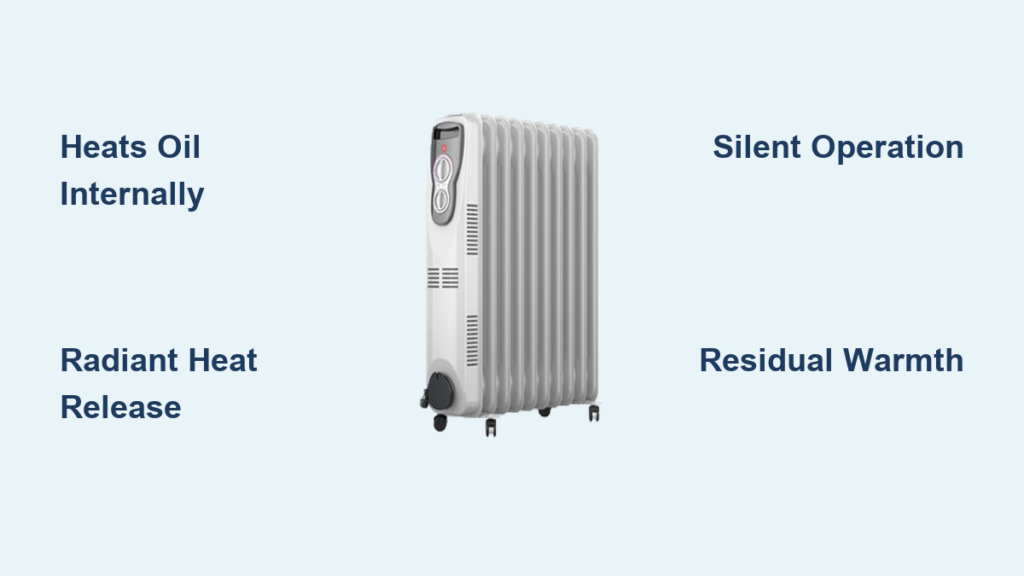
Natural convection heats air without a fan. Warm air rises while cool air sinks, creating a convection current. Oil-filled radiators are the best example of this type. These units contain electrically heated oil that retains heat long after shutdown. Surfaces warm slowly but emit consistent heat, making them perfect for bedrooms.
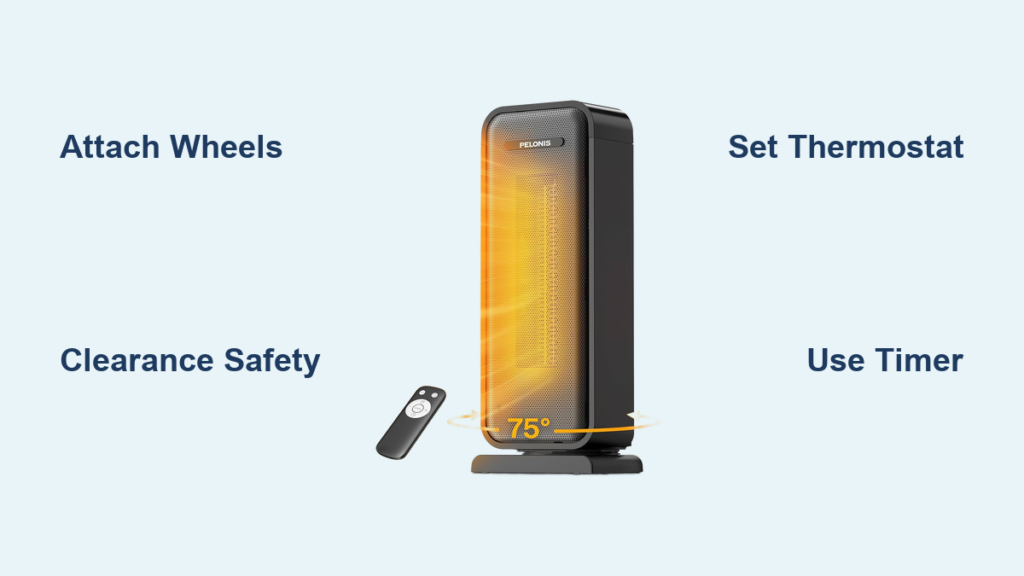
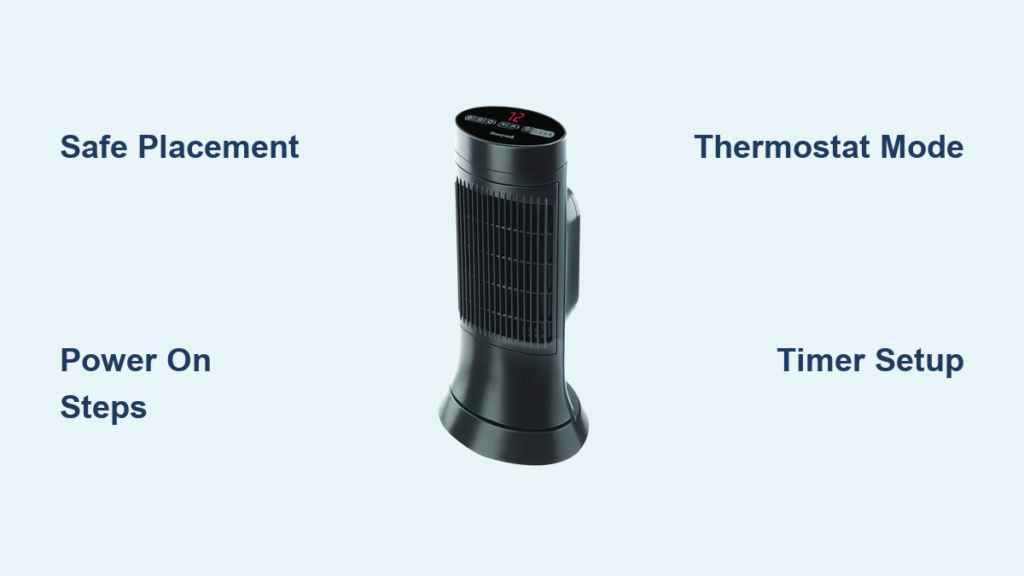
Forced convection uses an internal fan to blow air over hot elements. These are also called blower heaters or fan heaters. Common in ceramic models, they deliver quick warmth to small rooms but may generate noticeable noise and circulate dust.
Advantages and Limitations
Convection heaters offer even room heating and maintain stable temperatures, making them good for larger areas. However, they have slower start times compared to radiant models, and forced models create fan noise that may disturb some users. They can also stir up allergens in the air.
Radiant Heating: Direct Warmth on Demand
Radiant heaters deliver instant heat by emitting infrared radiation, warming objects and people directly, like sunlight on your skin.
Infrared Heat Transfer Explained
A heating element emits electromagnetic waves in the infrared spectrum. These waves travel through air without heating it. They are absorbed by surfaces like walls, furniture, and skin, which then re-radiate heat.
This makes radiant heaters highly effective for spot heating, ideal when you are sitting at a desk or relaxing on a couch. Because they do not rely on air movement, radiant heaters work well in poorly insulated or ventilated areas.
Common Radiant Heater Types
Quartz tube heaters contain a nichrome or tungsten wire inside a quartz tube. Quartz allows infrared to pass while protecting the filament. These units glow orange when active and provide instant heat with no warm-up time.
Halogen heaters use halogen-filled tubes with tungsten filaments. They operate at very high temperatures and emit bright light along with heat. Up to 86% of energy becomes radiant heat in these models.
Ceramic infrared heaters use ceramic plates that heat and emit infrared. They do not glow visibly and offer safer surface temperatures than quartz or halogen models.
When Radiant Heating Works Best
Radiant heaters work best for personal heating under desks or beside chairs. They excel in drafty spaces like garages and sunrooms. They are also suitable for outdoor areas like patios and covered decks.
Hybrid Systems: Best of Both Worlds
Some heaters combine convection and radiant methods to balance speed, coverage, and comfort.
Oil-Filled Radiators: Dual-Mode Operation
Oil-filled radiators heat oil internally using electricity. Hot metal fins warm surrounding air through convection while outer surfaces emit radiant heat to nearby objects.
These units warm up slowly but stay warm after being turned off. They operate silently and are ideal for overnight use in bedrooms.
Combination Fan-Radiant Units
Combination units use a heating element that radiates heat and include a fan to boost convection. They offer multiple settings, allowing users to choose between radiant-only, fan-only, or both modes.
This flexibility lets users choose between immediate warmth and whole-room heating based on their needs.
Power Sources: Electric vs Fuel
The type of energy used determines where and how a space heater can be safely operated.
Electric Heaters: Indoor Safety and Simplicity
Electric heaters plug into standard 120V outlets in North America. They produce no emissions and are safe for indoor use. They require no venting and come equipped with modern safety features.
The most common electric types include ceramic fan heaters, oil-filled radiators, and quartz and halogen models. The main drawback is high electricity use, up to 1,500W, which can increase utility bills significantly.
Combustion Heaters: High Output for Large Spaces
Combustion heaters are used outdoors or in industrial settings due to carbon monoxide risk.
Propane heaters output between 10,000 and 40,000 BTU/h. Types include radiant patio heaters for directional infrared and forced-air propane heaters that blow heated air. Common uses include outdoor dining areas, construction sites, and workshops.
Never use unvented propane heaters indoors because carbon monoxide buildup is deadly.
Kerosene and natural gas models are less common in homes. They require proper storage and handling and must be used in well-ventilated areas.
Key Components Inside Every Heater

Understanding the parts helps you choose and maintain your unit safely.
Heating Element: The Core Engine
Different materials serve different purposes. Ceramic elements are used in fan heaters for fast heat and self-regulating properties. Nichrome wire is common in basic fan heaters for durability and affordability. Quartz tube elements are used in radiant heaters for efficient infrared transmission. Oil-filled cores are found in radiators for long-lasting residual heat.
Ceramic elements increase resistance as they heat, naturally limiting temperature, which adds a layer of safety.
Fan and Blower Systems
Fans are found in forced-convection models. Speed options allow control over noise and airflow. Dust buildup reduces efficiency and can cause overheating, so always clean intake vents regularly.
Thermostat Control
A thermostat lets you set a target temperature. The heater cycles on and off automatically to maintain that temperature. This saves energy and prevents overheating. Models without thermostats run continuously and are less efficient.
Essential Safety Mechanisms
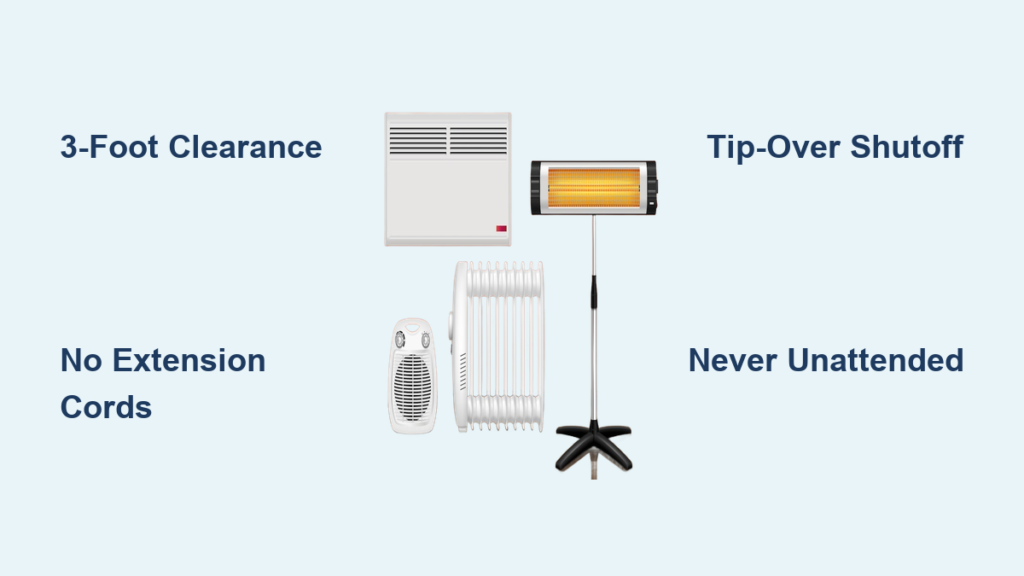
Modern heaters include multiple fail-safes. The tip-over switch cuts power if the unit falls over, preventing contact with flammable materials. Test this by gently tilting the heater; power should shut off immediately.
Overheat protection uses a thermal cutoff to disable the heater if internal temperatures exceed safe levels. This is often caused by blocked vents or dust accumulation.
Cool-touch housing keeps the exterior below burn threshold, typically below 60°C. This is critical for homes with children or pets.
Timer functions allow automatic shutdown after 1 to 8 hours, reducing fire risk during sleep or absence.
Measuring Performance: Watts and BTUs
Heat output determines how well a heater matches your space.
Electric Output Ratings
Electric output is measured in watts (W). Standard settings include low at 750W (approximately 2,560 BTU/h) and high at 1,500W (approximately 5,120 BTU/h).
Each 1,500W heater draws about 12.5 amps, near the limit of a standard 15-amp circuit. Avoid running other high-draw appliances like microwaves on the same outlet.
Fuel-Based Output
Fuel-based output is measured in BTU/h. Propane heaters range from 10,000 to 40,000 BTU/h. Higher output means faster heating for large, open areas.
Sizing Your Heater Correctly
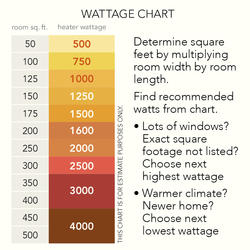
For rooms up to 100 square feet, use 750W. For 100 to 150 square feet, use 1,000W. For 150 to 250 square feet, use 1,500W.
Insulation quality matters. Poorly insulated rooms may need higher output.
Safety Risks and How to Avoid Them
Space heaters cause over 25,000 fires annually in the U.S., leading to hundreds of deaths. Most incidents are preventable.
Fire Hazards
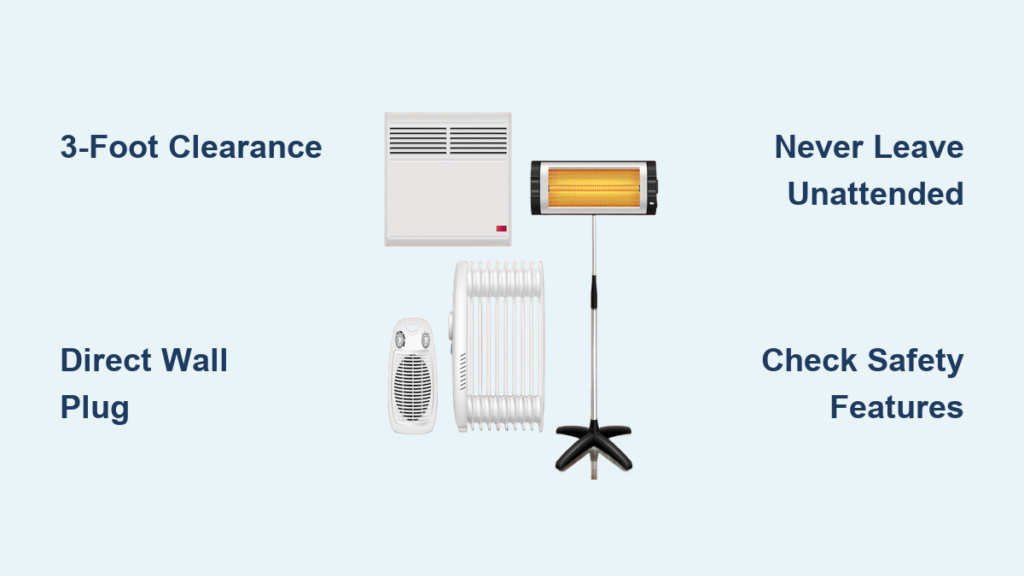
The leading cause of fires is placing heaters too close to combustibles. Curtains, bedding, paper, and furniture should be at least 3 feet (0.9 meters) away.
Never place a heater on carpet or near drapes.
Carbon Monoxide Poisoning
Carbon monoxide poisoning only affects combustion-based models. CO is odorless, colorless, and lethal. Symptoms include headache, dizziness, and nausea.
Always use CO detectors if operating fuel-burning heaters nearby.
Burn Injuries
Over 6,000 ER visits yearly are due to contact burns. Even cool-touch models have hot internal parts. Keep children and pets away from all heaters.
Safe Operation Checklist
Follow these steps every time you use a space heater.
Plug Directly Into Wall Outlet
Never use extension cords or power strips because they can overheat. High-wattage heaters require dedicated circuits.
Never Leave Unattended
Turn off when leaving the room or going to sleep. Use timer functions as backup safety measures.
Use in Dry Locations Only
Do not use in bathrooms unless specifically rated for it. Look for GFCI plugs and moisture resistance.
Check Certification Labels
Units should be certified by UL (Underwriters Laboratories) or ETL (Intertek). These certifications are required by law in places like New York City.
Maintenance for Longevity and Safety
A well-maintained heater runs efficiently and safely year after year.
Cleaning Steps
Unplug and cool completely before cleaning. Use a soft brush or vacuum to remove dust from air intake grilles and heating elements if accessible. Wipe the exterior with a dry or slightly damp cloth.
Dust buildup insulates the element, causing overheating and burning smells.
Pre-Use Inspection
Before each season, check the power cord for frays or cracks. Test the plug for looseness. Verify the housing is not cracked. Confirm tip-over and overheat shutoffs work properly.
Replace damaged units. Do not attempt repairs.
Storage Tips
For electric heaters, store in a dry, cool place. Loosely wrap the cord without kinking it. Avoid direct sunlight to prevent plastic degradation.
For propane heaters, disconnect and store the tank upright in a ventilated area. Cover the unit with a waterproof cover if stored outside.
Choosing the Right Type for Your Needs
Not all heaters are created equal. Match the model to your space and usage.
Best for Bedrooms: Oil-Filled Radiators
Oil-filled radiators offer silent operation with no fan to disturb sleep. They provide residual heat after shutdown and have safe surface temperatures.
Best for Quick Warmth: Ceramic Fan Heaters
Ceramic fan heaters heat in seconds and are compact and portable. They often include thermostats and timers, making them great for offices or living rooms.
Best for Spot Heating: Quartz or Halogen
Quartz and halogen heaters provide instant, directional warmth with no waiting for air to circulate. They are ideal for reading nooks or drafty corners.
Best for Outdoors: Propane Radiant Heaters
Propane radiant heaters offer high BTU output with wind-resistant infrared heat. They come in freestanding or mounted designs and are perfect for patios and decks.
Key Takeaways for Understanding Space Heaters
Space heaters convert electricity or fuel into heat via resistive heating or combustion. Convection warms air while radiant heats objects directly. Electric models are 100% efficient but costly to run. Safety is critical: maintain 3-foot clearance, avoid extension cords, and never leave heaters unattended. Choose the right type based on room size, insulation, and use case.
Frequently Asked Questions About How Space Heaters Work
How does a space heater convert electricity into heat?
Electric space heaters use resistive heating, also called Joule heating. When electric current passes through a high-resistance material like nichrome wire or ceramic, the resistance causes energy to be released as heat. Nearly 100% of electrical energy converts to heat, making electric heaters highly efficient at point of use.
What is the difference between convection and radiant space heaters?
Convection heaters warm the air in a room by circulating it over a hot heating element. This gradually raises ambient temperature throughout the space. Radiant heaters emit infrared radiation that warms objects and people directly without heating the air. Convection works well for whole-room heating while radiant is better for spot heating.
Are space heaters energy efficient?
Electric space heaters are approximately 100% efficient at converting electricity to heat at the point of use. However, they consume significant power, typically 750W to 1,500W, which can lead to high electricity bills. No space heater has earned the ENERGY STAR label due to their inherently high energy use relative to other heating solutions.
Can space heaters cause carbon monoxide poisoning?
Only combustion-based space heaters (propane, natural gas, kerosene) produce carbon monoxide. Electric space heaters do not produce CO. If using fuel-burning heaters, always ensure adequate ventilation and install CO detectors. Never use unvented combustion heaters indoors unless specifically rated for indoor use.
How do I choose the right size space heater for my room?
Match heater wattage to room size. Use 750W for rooms up to 100 square feet, 1,000W for 100 to 150 square feet, and 1,500W for 150 to 250 square feet. Poorly insulated rooms may require higher output. Always plug heaters directly into wall outlets and avoid running other high-draw appliances on the same circuit.