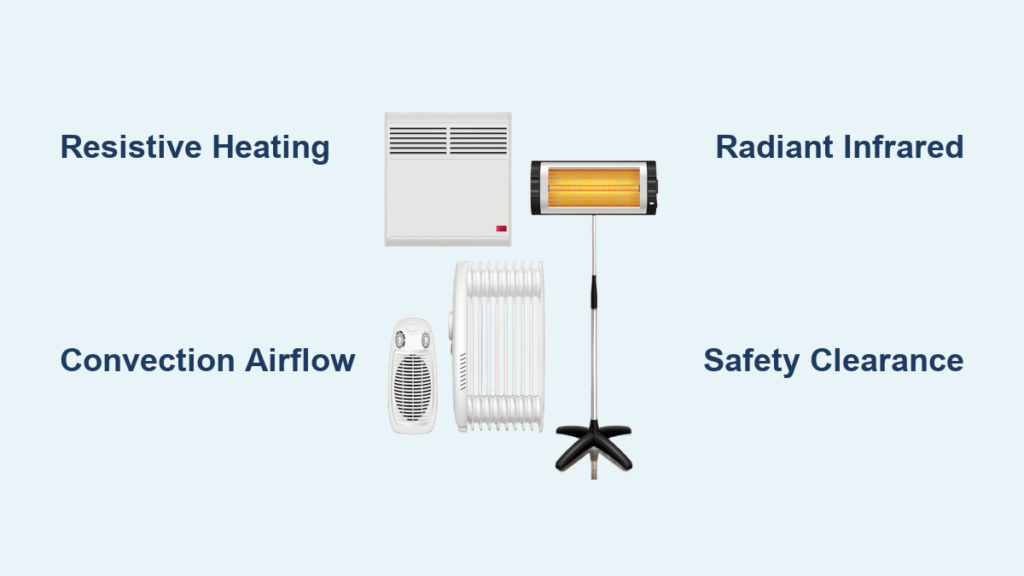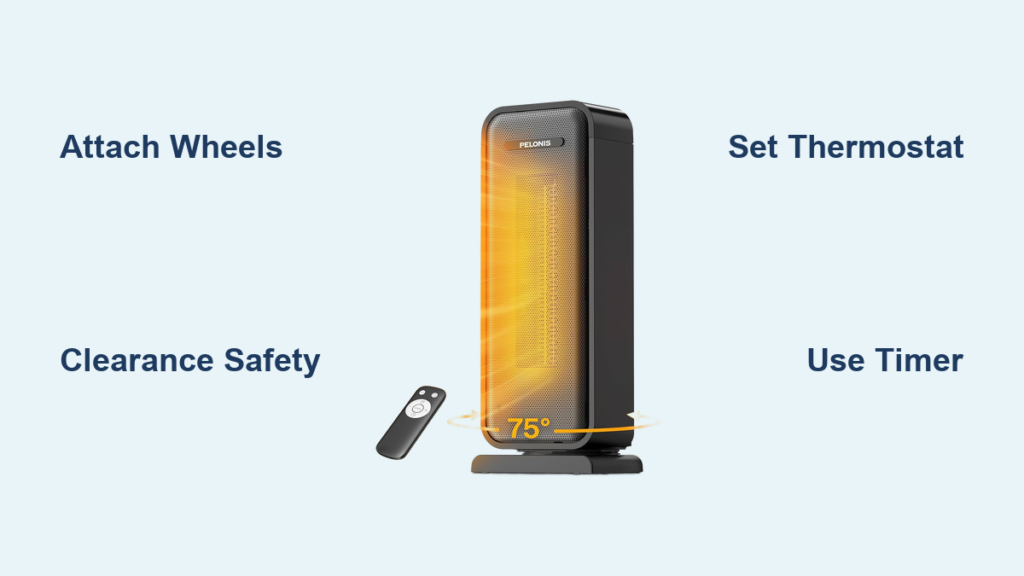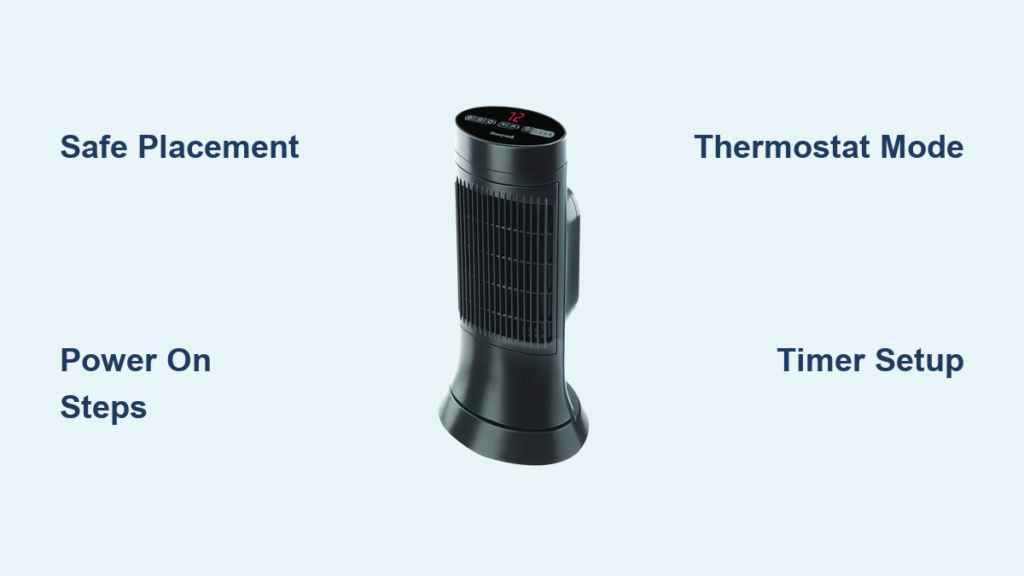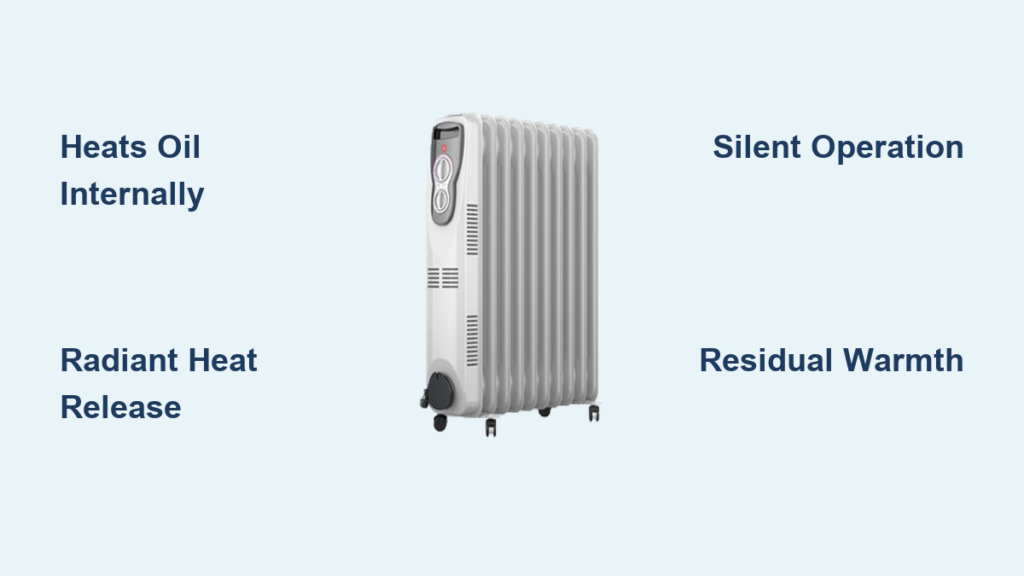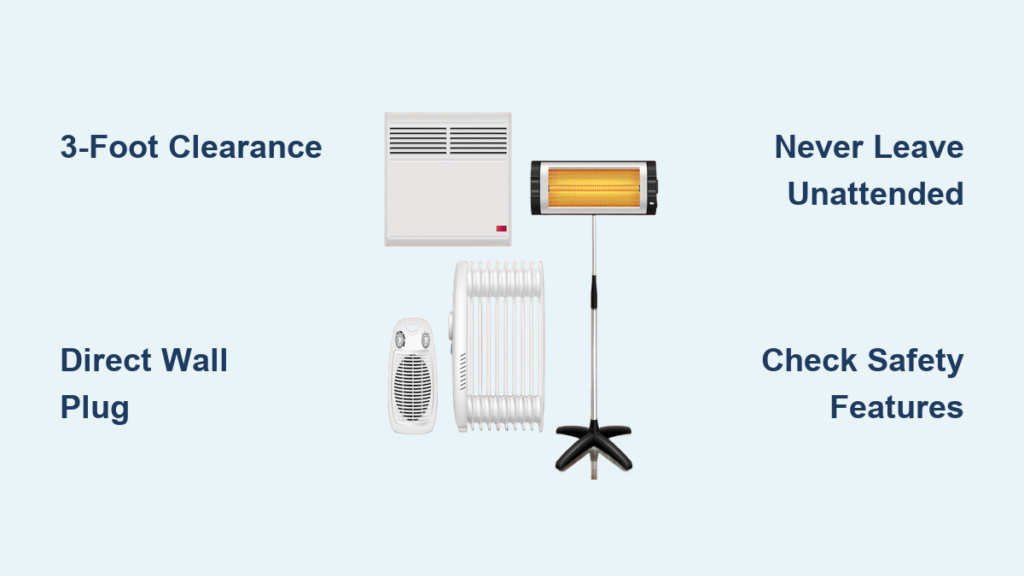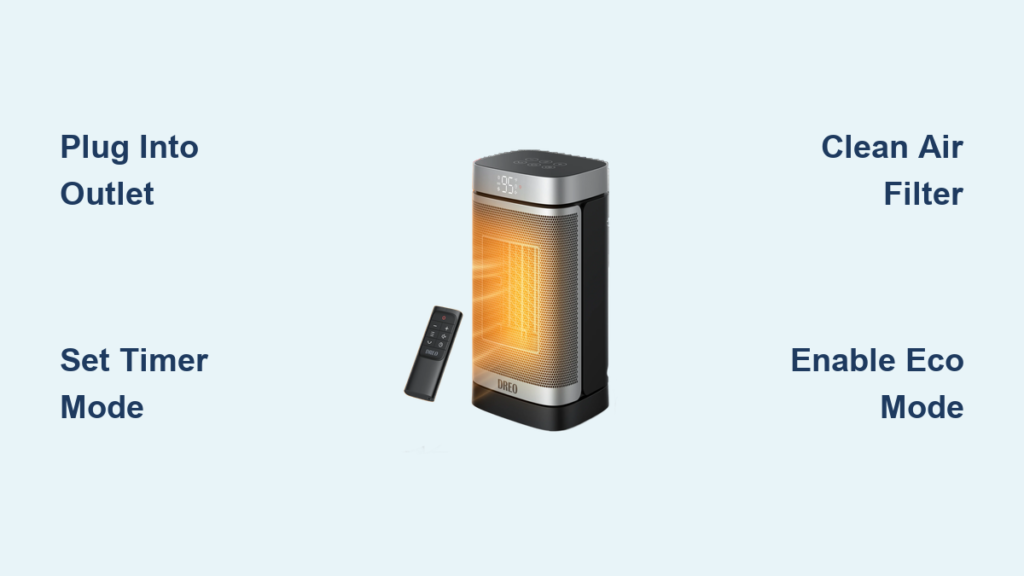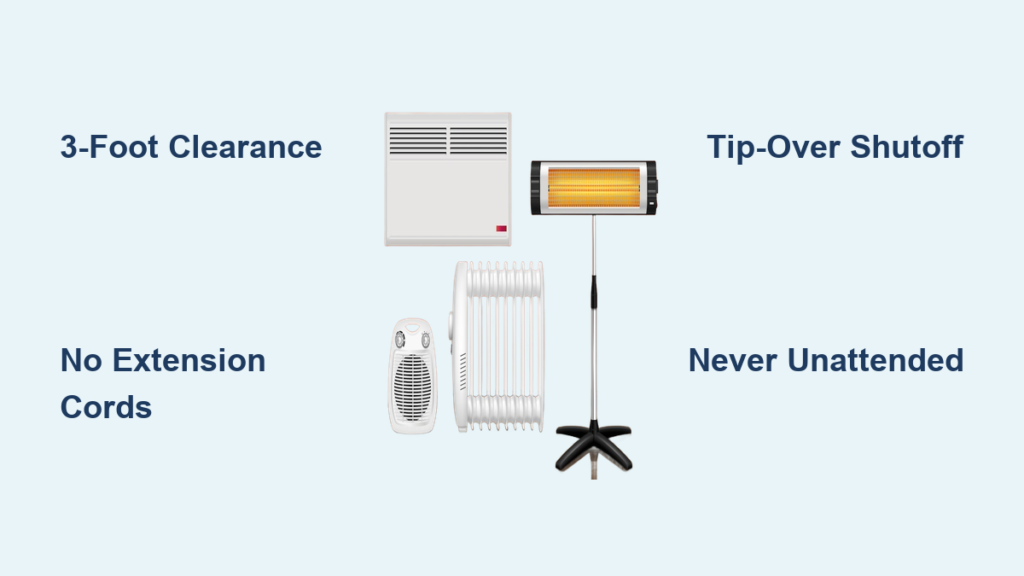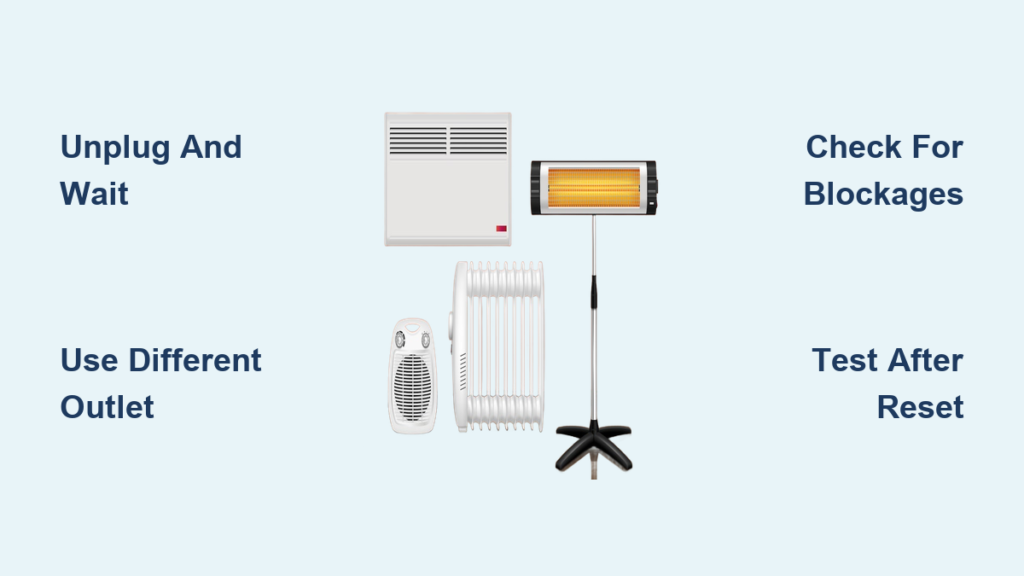
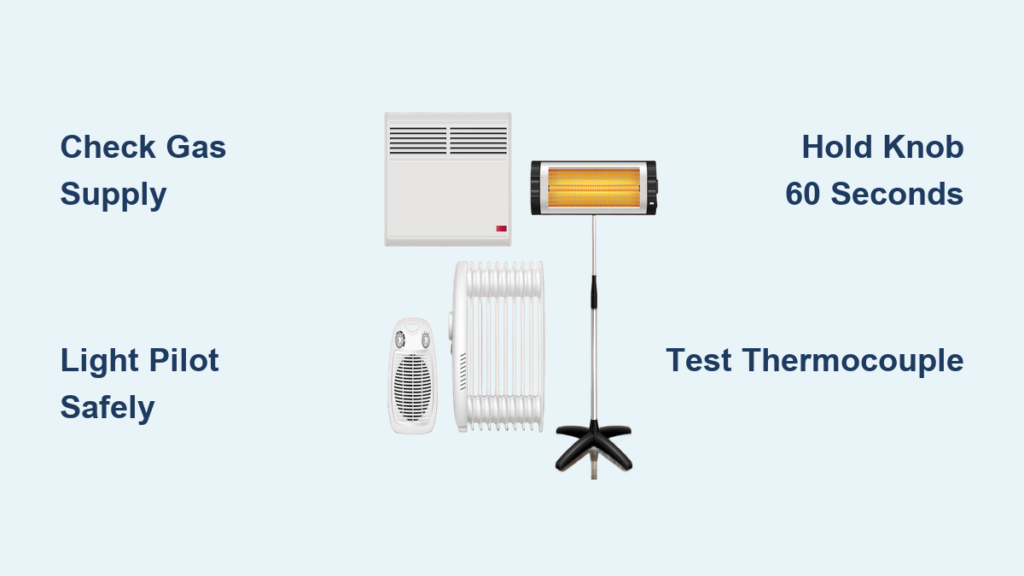
Nothing disrupts a cold evening like a heater that won’t turn on. Whether you’re firing up a gas patio heater for outdoor comfort or lighting a wall-mounted unit to warm your living room, knowing how to start a space heater correctly is essential for safety, efficiency, and peace of mind. This guide focuses on gas-powered models, the most complex to operate, while also covering electric heaters for completeness.
You’ll learn step-by-step ignition procedures, safety checks, troubleshooting tips, and maintenance practices that ensure reliable performance every time. By the end, you’ll confidently handle pilot lighting, thermocouple conditioning, and proper gas flow.
Identify Your Heater Type First
Before attempting to start any heater, confirm what kind you have. The startup process varies dramatically by fuel source and ignition system.
Gas vs. Electric Key Differences
Gas heaters require pilot lighting and safety checks. Electric heaters start with a switch or thermostat. Knowing your model prevents errors. Check the label, manual, or control panel for clues.
- Wall-mounted units, patio heaters, and portable blower heaters typically run on gas
- If you see a pilot light, gas line, or propane tank, treat it as a gas appliance
- Electric models have no flame and no gas connection
Check Gas Supply and Connections
A failed start often traces back to fuel issues. Always verify the gas supply before ignition.
For Natural Gas Heaters
Ensure the shut-off valve near the unit is open. The handle should be parallel to the pipe. Listen for a faint hiss when the control knob is pressed to confirm gas flow.
For Propane Models
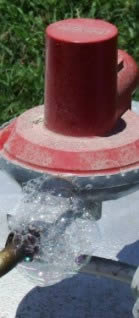
Confirm the propane cylinder is securely attached. Open the valve fully. Do not leave it partially closed. Check for leaks using soapy water on connections. Bubbles indicate a leak.
- Tighten or replace parts immediately if leaks are found
- Never smell for leaks. Use the soap test instead
- Propane tanks require full valve opening for proper pressure
Access the Pilot Assembly Safely

Most gas heaters hide the pilot under a removable panel. Access is required for lighting, especially on older or manual-ignition models.
How to Open the Panel
Locate the front or bottom access panel. Pull down or lift up depending on your model. Some snap off; others have screws. Use a flashlight to clearly see the pilot tube, thermocouple, and igniter electrode.
- Never force the panel if stuck
- Consult the manual or contact a technician if access is difficult
- Clear visibility is essential for safe pilot lighting
Turn Control Knob to Pilot Mode
The control valve is your ignition command center. It usually has three positions: Off, Pilot, and On.
Steps to Set the Knob
Turn the knob from Off to Pilot. Align the arrow or indicator with the Pilot mark. Press and hold the knob down to release gas to the pilot.
- Hold firmly throughout the lighting process
- Releasing too soon cuts off gas and prevents ignition
- A faint hissing sound indicates proper gas flow
Ignite the Pilot Light
Now it’s time to light the flame. The method depends on your heater’s ignition system.
With Electronic Igniter (Piezo Button)
Press the igniter button repeatedly while holding the control knob. Look for sparks at the pilot tube. A small blue flame should appear within seconds.
Without Electronic Igniter (Manual Lighting)
Use a long-reach lighter or fireplace match. Insert the flame into the pilot access hole. Hold it near the pilot tube while pressing the control knob.
- Never use aerosol sprays or candles
- They can cause flare-ups or fail to reach the pilot
- Keep the flame steady until ignition occurs
Hold Knob for 30-60 Seconds After Ignition
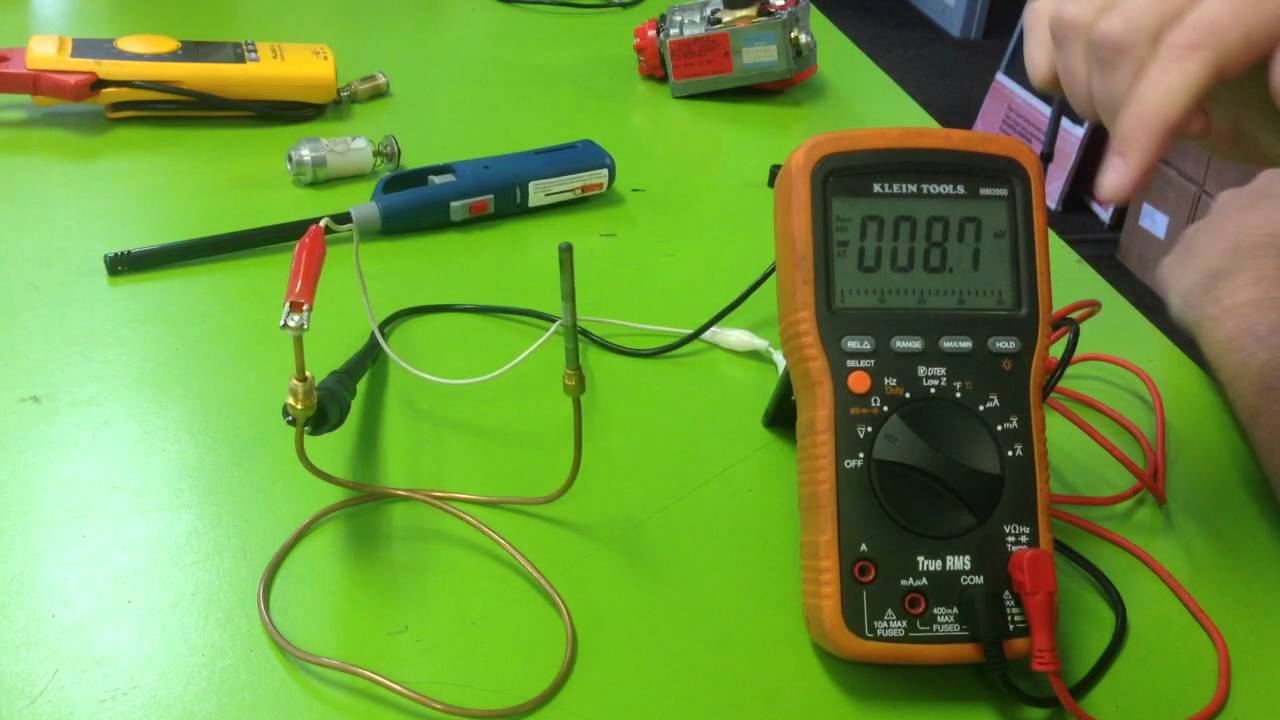
This step is critical for heating the thermocouple. The thermocouple is a safety device that senses the pilot flame. If it’s not hot enough, it shuts off gas when you release the knob.
Why Timing Matters
Hold the knob for at least 30 seconds, up to 60 seconds. This allows the thermocouple to heat and signal flame present. Releasing too early causes the pilot to go out.
- Count slowly to ensure proper timing
- If the pilot dies, repeat and hold longer
- Older units may require additional time
Turn Knob to On Position
Once the pilot stays lit after releasing the knob, move to the final ignition phase.
Activate the Main Burner
Slowly turn the control knob from Pilot to On. The main burner should ignite automatically. You’ll hear a whoosh and see flames travel along the burner tube.
- If no ignition occurs, the gas valve may be faulty
- Burner ports could be clogged
- Turn off and inspect before retrying
Adjust Temperature and Monitor Operation
With the heater running, set your desired heat level.
Using the Temperature Dial
Rotate the dial to High, Medium, or Low. Some models use a thermostat. Set it above room temperature to maintain heat.
Dual Thermostat Setup (Wall Plus Built-In)
Set the built-in thermostat to maximum (90°F or High). Let the wall thermostat control on/off cycles. This prevents conflict and enables zone heating.
- Use programmable wall thermostats for energy savings
- Set the heater’s dial to High when using wall thermostat control
- Monitor the flame for consistent blue color
Shut Down Properly After Use
Improper shutdown risks gas leaks and equipment damage.
For Gas Heaters
Turn off the gas supply first. Close the propane valve or shut-off lever. Switch the heater to Off. Wait for the unit to cool.
- Close access panels and store safely
- Never shut off power before gas on blower heaters
- This traps unburned gas in the system
Troubleshoot Common Startup Failures
Even with correct steps, problems happen. Here’s how to fix them fast.
Pilot Won’t Light
No gas, clogged pilot tube, or weak igniter causes this. Check the gas valve. Clean the pilot orifice with a needle. Replace the igniter battery if equipped.
Pilot Lights But Goes Out
Thermocouple not heated or misaligned causes this. Hold the knob longer (60 seconds). Clean the thermocouple tip. Ensure it sits in the flame properly.
No Spark From Igniter
Dead battery, dirty electrode, or wiring fault causes this. Replace the battery (common in patio heaters). Clean the electrode with sandpaper. Inspect all wires.
Gas Smell During Lighting
Gas buildup before ignition causes this. Stop immediately. Close the gas valve. Wait 5 or more minutes before retrying.
- Evacuate if smell persists
- This could indicate a serious leak
- Call emergency services if necessary
Start an Electric Wall Heater (Simple On/Off)
Electric models skip the flame and gas steps entirely.
Steps to Power On
Clear obstructions around the unit. Set thermostat to Heat mode and desired temperature. Flip the power switch on the heater or wall control. Wait for heat.
- Most units warm up in seconds
- Set the heater dial to High when using wall thermostat
- Let the wall unit control operation
Maintain Your Heater for Reliable Starts
Annual maintenance prevents 90% of startup issues.
Essential Maintenance Tasks
Clean pilot and thermocouple with a soft brush. Inspect gas hoses for cracks or leaks using soapy water. Clear dust from burner and vents. Replace igniter batteries in electronic models.
- Test operation before winter
- Perform maintenance once per year
- Ideally do this before the first cold snap
Safety Rules for Lighting Any Gas Heater
Follow these non-negotiable safety practices.
Must-Do Safety Steps
Never leave the heater unattended during lighting. Ensure ventilation by opening a window slightly if indoors. Keep flammables 3 feet away. Install carbon monoxide detectors in nearby rooms.
- Never bypass safety systems
- Do not hold the pilot knob indefinitely
- If you smell gas, evacuate and call emergency services
- Do not use phones or switches indoors
Can a Gas Heater Work Without Electricity
Most modern gas heaters require electricity even though they burn gas.
Why Power Is Needed
Electronic ignition needs voltage to spark. Blower fans circulate heat. Thermostats and controls are electric.
- Older models with standing pilots and no fan can operate during outages
- Heat rises naturally without fan assistance
- Use a generator or power inverter to run essential components during blackouts
When to Call a Professional
Some issues go beyond DIY fixes.
Call a Technician If
Pilot won’t stay lit after multiple attempts. You detect persistent gas smells. Burner flames are yellow or uneven. Heater shuts off randomly. Unit is over 15 years old.
- Gas work is not worth the risk
- Contact a licensed HVAC technician when unsure
- Professional servicing checks thermocouple integrity and gas pressure
Frequently Asked Questions About Starting a Space Heater
How do I know if my space heater is gas or electric?
Check for a pilot light, gas line, or propane tank. Electric heaters have no flame and connect to a standard outlet. The label or manual also indicates the fuel type.
Why does my pilot light keep going out?
The thermocouple isn’t heating long enough. Hold the pilot knob for a full 60 seconds. Clean the thermocouple tip. Replace it if faulty.
Can I start a gas heater without electricity?
Most modern gas heaters need electricity for ignition and blowers. Older models with standing pilots and no fan can work during outages.
What should I do if I smell gas while starting my heater?
Evacuate immediately. Do not operate switches or create flames. Close the gas valve if safe. Call emergency services or your gas provider.
How often should I maintain my gas space heater?
Perform annual maintenance before heating season. Clean the pilot, inspect connections, replace batteries, and test operation.
Key Takeaways for Starting Your Space Heater
Starting a space heater doesn’t have to be intimidating. With the right steps, safety awareness, and maintenance, you can confidently light your heater season after season.
Always consult your manufacturer’s manual for model-specific guidance. Never skip the thermocouple hold. Those 60 seconds save lives by ensuring the safety device properly detects the flame.
Regular maintenance prevents most startup failures. Check gas connections, clean components, and test your heater before winter arrives. Stay warm, stay safe, and keep your heater ready for cold weather.