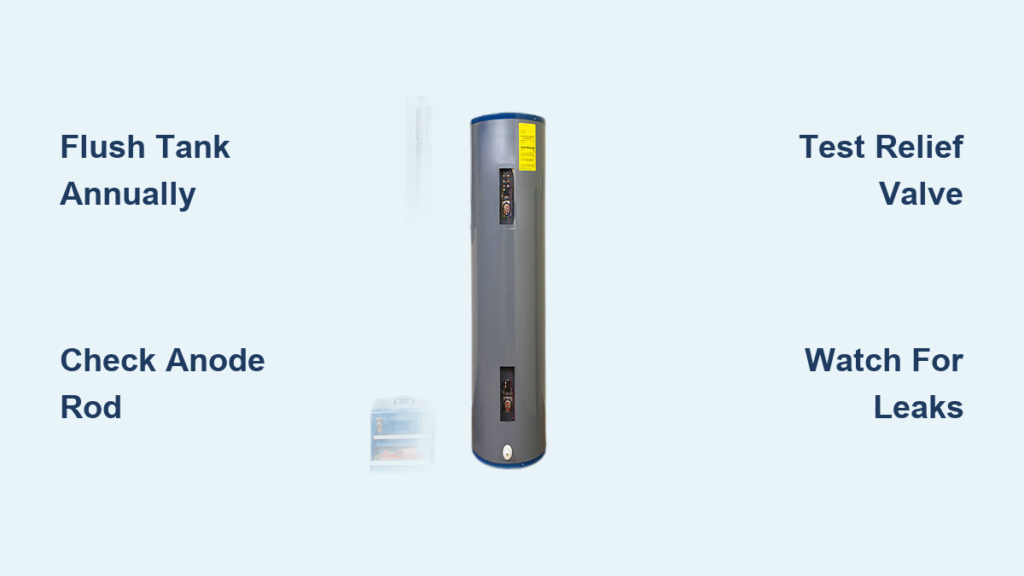
Your morning shower suddenly runs cold, or you spot a small puddle forming beneath the water heater. These moments raise an important question: how long does a water heater last before it needs replacement? The average water heater runs for 8 to 12 years, with 10 years being a common benchmark. Yet this range shifts based on installation quality, household demand, water hardness, and how well you maintain the unit. Some heaters fail early while others run strong for 15 years or more. Knowing what controls your water heater’s lifespan helps you plan ahead and avoid sudden cold showers. In this guide, you’ll learn how to estimate your unit’s remaining life, recognize early warning signs, and apply simple maintenance that adds years of reliable service.
Warning Signs Your Water Heater Is Nearing the End
Rust, Leaks, and Puddles Around the Base
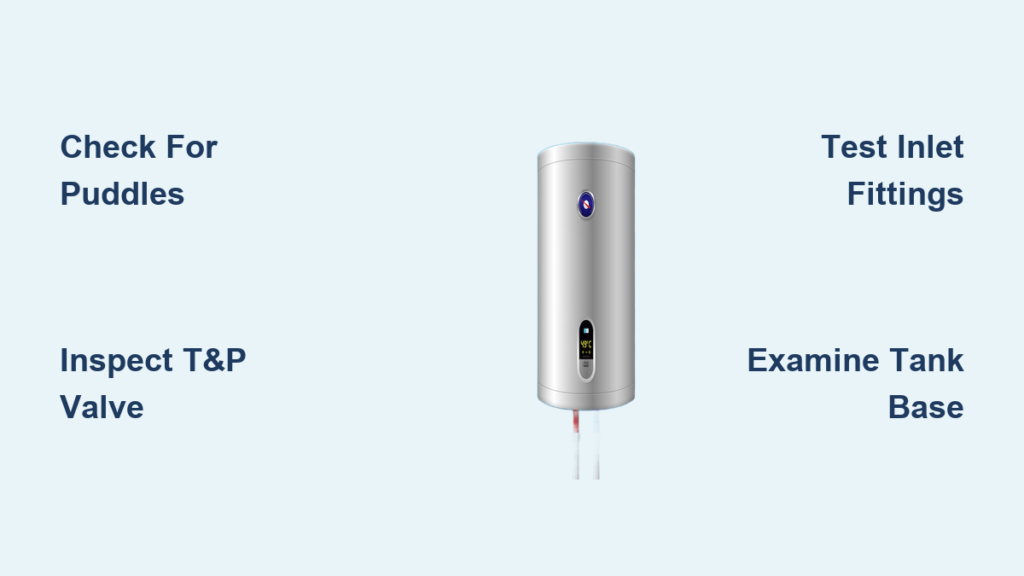
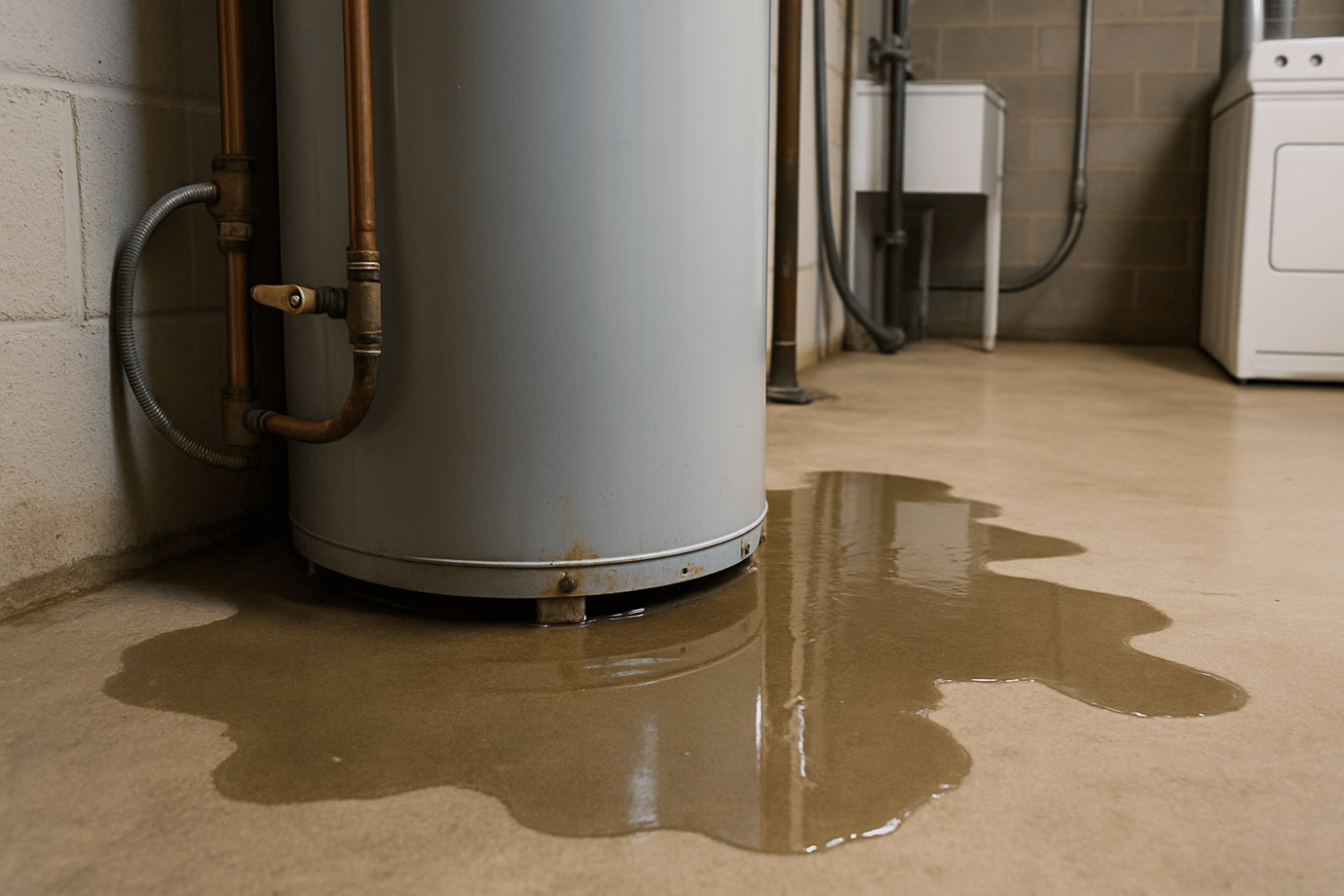
A persistent puddle near the heater often signals a leak in the tank or connecting pipes. While light condensation can appear on cold surfaces, ongoing pooling means trouble. Rust-colored water or visible corrosion on the tank’s exterior points to internal deterioration. Once steel tanks begin rusting through, replacement becomes the only real option.
Inconsistent Hot Water or Cold Bursts
Running out of hot water faster than usual often means the heater struggles to keep up. This slowdown can come from sediment buildup, a failing heating element, or a damaged dip tube. When recovery time stretches noticeably, the unit is usually past its prime.
Popping, Rumbling, or Banging Noises
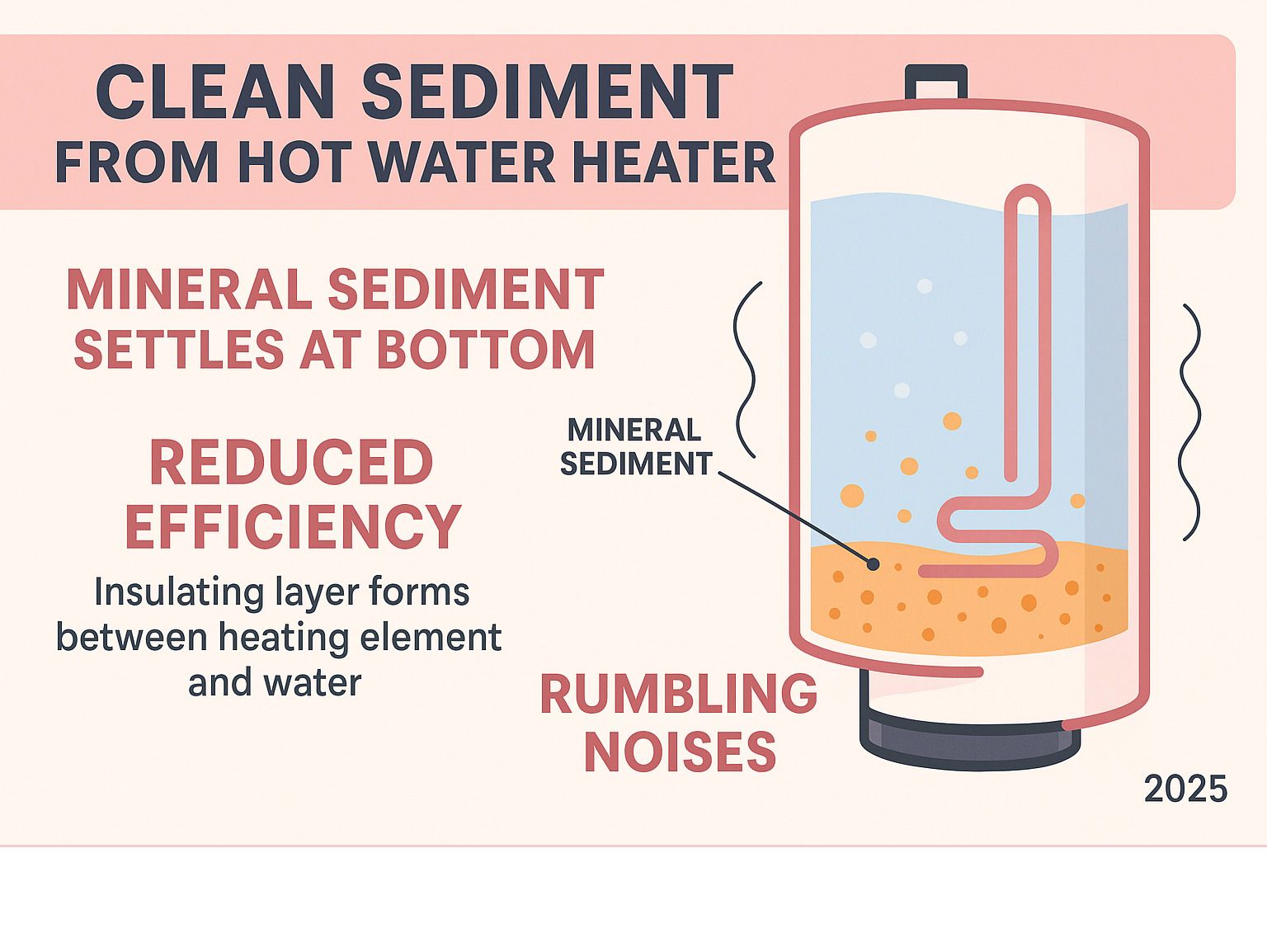
Strange sounds from the tank typically mean sediment has hardened on the bottom. As water heats, it gets trapped beneath the debris, creating steam pockets that burst with noise. Flushing helps in mild cases, but chronic noise in an older unit suggests structural stress and declining efficiency.
How Installation Quality Shapes Lifespan
Proper Placement Prevents Premature Failure
Water heaters must stand upright in well-ventilated spaces. Poor airflow leads to overheating, carbon monoxide buildup, and early component failure. Avoid placing units in flood-prone zones, since standing water corrodes the base and pipes. An easily accessible location also makes routine maintenance far simpler.
Professional Installation Reduces Long-Term Risk
DIY setups, especially for tankless gas models, often miss critical details like gas line sizing, venting, or pressure regulation. A licensed installer verifies leak-free connections, correct pipe slope, and adequate combustion air. Even a brand-new unit can fail early if installed incorrectly.
Why Usage Volume Matters
High Household Demand Accelerates Wear
The more hot water your household consumes, the harder the heater works. Large families with multiple bathrooms put constant strain on heating elements, thermostats, and internal components. Units in high-demand homes often wear out before reaching the 10-year mark.
Frequent Cycling Stresses Internal Parts
Every heating cycle causes metal expansion and contraction. In homes with back-to-back hot water needs, the tank reheats repeatedly, increasing thermal fatigue. This constant cycling contributes to pressure valve failure, leaks, and sediment hardening over time.
Construction Quality: What Your Warranty Reveals
Longer Warranties Signal Better Build
A water heater’s warranty is one of the strongest clues about its quality. Models with 9- or 12-year warranties typically feature thicker steel tanks, better insulation, and higher-wattage heating elements. A 2007 Consumer Reports analysis found that longer-warranty units consistently used superior materials and design.
Features That Help Units Last Longer
Look for these upgrades when shopping:
– Porcelain-lined tanks that resist rust
– Thicker anode rods that slow corrosion
– Self-cleaning systems that reduce sediment
– Stainless steel or glass-lined components
These features help the unit withstand mineral buildup and internal decay, especially in hard water areas.
Maintenance Habits That Add Years of Service
Flush the Tank Annually
Sediment buildup is a top lifespan killer. Flushing the tank once a year removes mineral deposits that insulate the heating element and cause overheating. Electric models gain efficiency, while gas units experience less rumbling and pressure strain.
Safe flushing steps:
1. Turn off power (electric) or gas supply
2. Shut off the cold water inlet
3. Attach a garden hose to the drain valve
4. Open the valve and drain to a floor drain
5. Refill only after water runs clear
Avoid forcing the valve handle, since many are plastic and break easily.
Test the Pressure Relief Valve Twice a Year
This safety valve prevents dangerous pressure buildup. Lift the lever briefly every six months. If water doesn’t flow out or the valve leaks afterward, replace it right away.
Inspect the Anode Rod Every 3 Years
The sacrificial anode rod attracts corrosive elements, protecting the tank from rust. Once depleted, the tank itself begins corroding. Check it every 3 years and replace it if more than 6 inches of core wire are exposed or heavily worn.
Note: Some manufacturers void warranties if homeowners replace the rod improperly. Follow guidelines carefully or hire a professional.
Water Hardness and Its Hidden Impact
Hard Water Cuts Years Off Your Heater
In areas with high mineral content, calcium and magnesium accumulate quickly inside the tank. This buildup lowers heating efficiency, raises energy costs, and speeds corrosion. Units in hard water regions may fail by year 6 to 8 without regular flushing.
Softened Water Helps, With One Caveat
Water softeners reduce mineral deposits and extend heater life. However, softened water can raise sodium levels, which may speed corrosion in standard steel tanks. A glass-lined or stainless steel tank pairs better with softened water.
When to Repair vs. Replace
Use the 10% Rule for Repairs
A simple guideline: if annual repair costs exceed 10% of a new unit’s installed price, replacement makes more sense. For example, if a new heater costs $1,000 installed, spending $100 or more per year on repairs points toward buying a replacement.
Common repair costs:
– Thermostat or heating element: $150 to $300
– Tank leak repair: usually not practical
– Anode rod replacement: $200 to $400 with labor
Age Is the Deciding Factor
Even with perfect care, no water heater should be trusted past 12 to 15 years. Beyond that point, the risk of sudden failure and water damage rises sharply. Proactive replacement avoids emergency calls and protects your home from flooding.
Lifespan by Water Heater Type
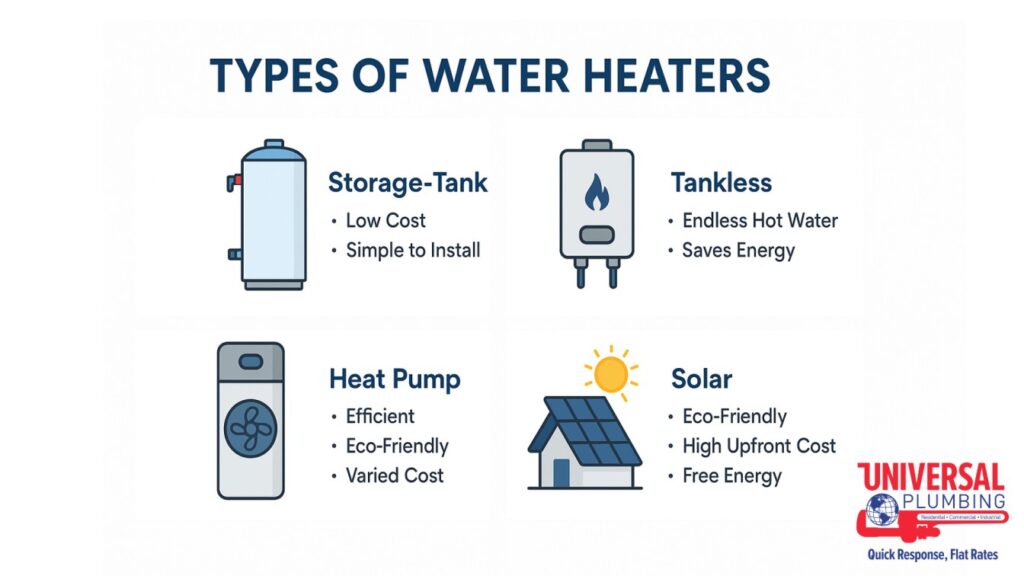
Standard Tank Heaters: 8 to 12 Years
Gas and electric storage tank models are the most common style. Electric units often last slightly longer due to lower internal temperatures, though both remain vulnerable to sediment and corrosion.
Tankless (On-Demand) Heaters: 15 to 20 Years
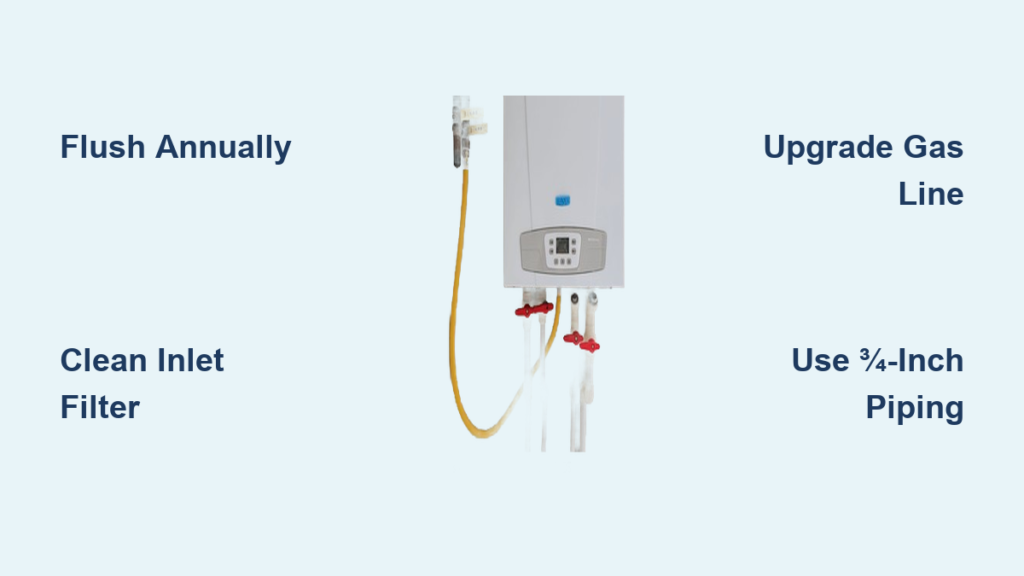
Tankless models heat water instantly and last significantly longer with proper care. They require annual descaling to prevent mineral clogging in the heat exchanger.
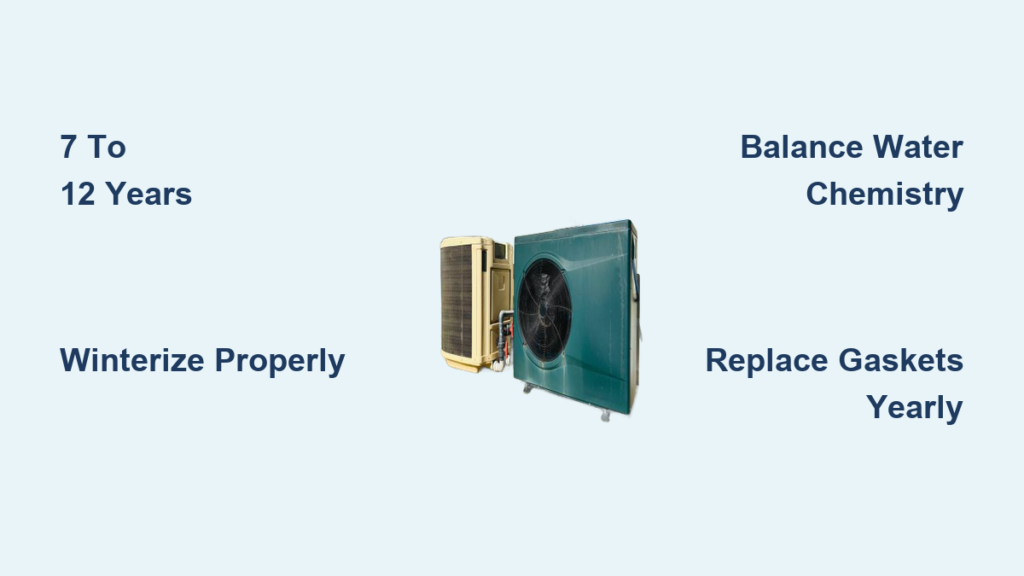
Heat Pump Water Heaters: 10 to 15 Years
These energy-efficient units pull heat from surrounding air and last 10 to 15 years. They need adequate airflow and perform best in warm, dust-free spaces. Regular filter cleaning keeps them running efficiently.
Solar Water Heaters: 15 to 20 Years
With few moving parts, solar systems can run 15 to 20 years. Annual checks on antifreeze levels, pumps, and controllers keep the system performing well.
Simple Ways to Maximize Your Water Heater’s Life

Set the Thermostat to 120°F
Keeping the temperature at 120°F (49°C) reduces pressure, scaling, and corrosion. It’s also safer and more energy-efficient for daily use.
Install a Water Softener in Hard Water Areas
A whole-house softener dramatically reduces scale buildup. Pair it with annual flushing for the best protection.
Add a Sediment Filter for Well Water
A point-of-entry filter catches sand and grit before it reaches the tank, preventing abrasion and buildup.
Schedule Annual Professional Tune-Ups
A plumber can inspect for leaks, test safety valves, check burner condition, and flush sediment thoroughly. Think of it as an oil change for your water heater.
Frequently Asked Questions About Water Heater Lifespan
What is the average lifespan of a water heater?
Most standard tank water heaters last 8 to 12 years, with 10 years being typical. Tankless and solar models can reach 15 to 20 years with proper care.
How do I know if my water heater is going bad?
Common warning signs include rust-colored water, puddles near the base, popping or rumbling noises, and inconsistent hot water. Any of these signals suggest the unit is nearing failure.
Does hard water really shorten water heater life?
Yes. High mineral content causes calcium and magnesium to accumulate inside the tank, reducing efficiency and accelerating corrosion. Heaters in hard water areas may fail by year 6 to 8 without regular flushing.
Is it worth repairing an old water heater?
Use the 10% rule: if yearly repair costs exceed 10% of a new unit’s installed price, replacement is the smarter choice. Once a heater passes 12 years, repairs rarely pay off.
How often should I flush my water heater?
Flush the tank once a year to remove sediment. In hard water areas, consider flushing every six months for added protection.
Can I extend my water heater’s life with maintenance?
Absolutely. Annual flushing, anode rod inspections, pressure valve testing, and keeping the thermostat at 120°F can add several years to a water heater’s service life.
Key Takeaways for Getting the Most From Your Water Heater
The average water heater lasts about 10 years, but smart habits can stretch that timeline significantly. Focus on proper installation, annual flushing, and anode rod care to protect against the most common causes of failure. Pay attention to early warning signs like leaks, strange noises, and inconsistent hot water so you can act before a full breakdown occurs. When repair costs climb or the unit passes 12 years, plan a replacement rather than waiting for an emergency. A little preventive care today means reliable hot water and peace of mind for years to come.