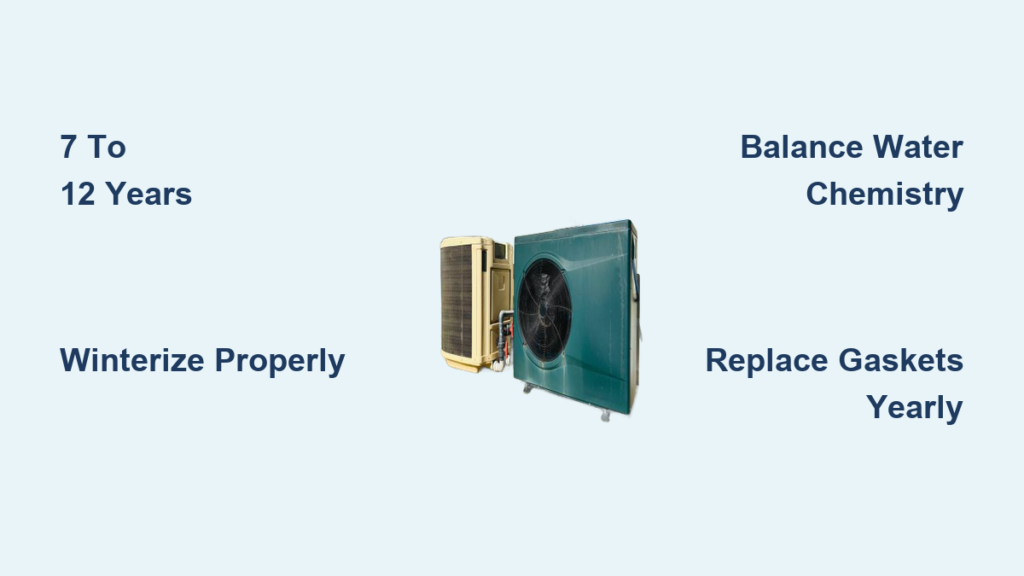
You step outside expecting warm, inviting water, but your pool heater sputters, fails to ignite, or simply refuses to heat. Before you call a technician, one question comes to mind: how long does a pool heater last? The honest answer is that most natural gas and propane pool heaters last 7 to 12 years, though some fail sooner and others push past 15 years. Your results depend on water chemistry, climate, usage patterns, and how consistently you service the unit.
Lifespan is not just about the whole unit either. Individual parts wear out at different speeds, from gaskets that need replacement every couple of years to heat exchangers that can fail after a single harsh winter. Knowing what to expect helps you plan repairs, avoid surprise costs, and decide when replacement makes more financial sense than another fix.
In this guide, you will learn:
– How fuel type and climate affect how long a pool heater lasts
– Which components fail first and how often
– Maintenance steps that extend heater life
– Clear criteria for repairing versus replacing your unit
Let’s break down the factors that determine how long your pool heater will keep performing.
Gas vs. Electric vs. Solar: Lifespan Comparison
-2.png?width=650&height=370&name=$175%E2%80%93$600+month%20(1)-2.png)
Natural gas and propane heaters dominate the residential market and typically last 7 to 12 years. Their lifespan depends heavily on combustion cycles, moisture exposure, and water chemistry interacting with internal components. These units contain metal parts like heat exchangers and burners that degrade over time due to thermal stress and chemical exposure.
Electric heat pumps often last longer, generally 10 to 15 years, because they have fewer parts exposed to direct water contact and corrosion. However, they rely on ambient air temperature and lose effectiveness in colder climates. Solar pool heaters can exceed 20 years, especially when panels are well maintained, though supporting valves and controls may need attention sooner.
For most homeowners, the gas heater is the primary concern, so this guide focuses on the factors that shape its service life.
Climate Impact on Heater Wear
Your local weather plays a major role in how long a pool heater lasts. In hot, dry regions, heaters cycle less frequently, reducing thermal stress. In humid coastal areas, salt-laden air accelerates corrosion of metal housings and electrical connections.
Cold climates pose the greatest threat. Even one winter with improper winterization can destroy a heater. Water left inside the header or heat exchanger freezes, expands, and cracks critical components. Homeowners in freezing zones who skip draining procedures often face catastrophic failure within just 3 to 5 years.
In mild climates where heaters run year-round, wear comes from constant use. Burners, switches, and gaskets degrade faster due to repeated expansion and contraction.
Bottom line: Proper winterization in cold areas and corrosion protection in coastal zones are non-negotiable for reaching the upper end of your heater’s lifespan.
Water Chemistry: The Silent Killer

Unbalanced pool water is the leading cause of premature heater failure. When pH drops below 7.2 or alkalinity falls out of range, the water becomes acidic, and acidic water eats metal. The heat exchanger, usually made of copper or cupro-nickel, corrodes rapidly under low-pH conditions. Pinhole leaks develop, leading to expensive repairs or full replacement.
High calcium hardness above 400 ppm causes scale buildup inside the heat exchanger. This insulating layer reduces efficiency, forces the heater to work harder, and leads to overheating. Over time, this thermal stress shortens component life.
To protect your investment:
– Test water weekly
– Maintain pH between 7.4 and 7.6
– Keep alkalinity at 80 to 120 ppm
– Monitor calcium hardness (ideal: 200 to 400 ppm)
Clean water does more than protect swimmers. It protects your heater.
Usage Frequency and Run Cycles
A heater used only on weekends during summer will outlast one running daily to maintain spa-like temperatures. Frequent on/off cycling increases wear on ignition systems, gas valves, and electrical relays.
Infrequent use is not always better either. Long dormancy without proper shutdown can lead to moisture buildup, rust, and insect infestations inside the burner chamber.
Ideal usage includes:
– Seasonal operation with full startup and shutdown procedures
– Avoiding rapid temperature swings (such as heating from 70°F to 90°F in one cycle)
– Using a timer to limit run hours and reduce cycling
Moderate, consistent use with proper off-season care yields the longest lifespan.
Installation Quality Matters
Even a high-end heater will not last long if installed incorrectly. Common issues that shorten life include:
– Improper gas line sizing leading to incomplete combustion and sooting
– Undersized plumbing restricting flow and tripping pressure switches
– Chlorinator placed before the heater exposing copper parts to concentrated chlorine
– Lack of union valves making servicing difficult and increasing leak risk
Always ensure:
– Chlorinators are installed after the heater
– Gas lines meet local code and manufacturer specs
– A licensed professional handles gas and electrical connections
A proper install sets the foundation for a decade of reliable service.
Gaskets and O-Rings: First to Go
Lifespan: 1–3 years
These small rubber seals are the weakest link. Located at unions, headers, and drain plugs, they dry out, crack, and leak due to UV exposure, heat, and chemical splashback.
Symptoms of failure:
– Water dripping from heater casing
– Hissing sounds indicating air or gas leaks
– Difficulty maintaining pressure
Prevention tips:
– Apply pool-grade lubricant annually
– Replace whenever opening the unit
– Keep spares on hand since cost is low but failure rate is high
Most heater disassembly begins with replacing these seals, so treat them as consumables.
Electrical Switches and Sensors
Lifespan: 3–7 years
Critical safety devices include:
– Pressure switch that prevents ignition without proper water flow
– Flow switch that confirms the pump is running
– High-limit switch that shuts down the heater if overheating occurs
– Thermostat that controls temperature settings
Failure signs:
– Heater won’t ignite
– Cuts off mid-cycle
– Indicator lights blinking abnormally
Diagnosis tip: Use a multimeter to test continuity. A jumper wire test can temporarily bypass a switch to isolate faults, but only for diagnostics, never as a permanent fix.
Rodents chewing wires or power surges can also cause electrical failures. Protect wiring and consider surge protection.
Burner Assembly Issues
Lifespan: 5–10 years
The burner ignites gas to heat water. Common problems include:
– Clogged pilot orifice blocked by dust, rust, or insects
– Faulty thermopile failing to generate enough voltage to keep the gas valve open
– Cracked manifold allowing gas leaks or uneven flame
Quick fix: Clean the pilot tube with compressed air or a fine wire. If the pilot lights but won’t stay lit, test the thermopile with a multimeter. Output should be at least 180 to 250 millivolts.
Never attempt to repair a cracked burner. Replace it instead.
Heat Exchanger: The Heart of the Heater
Why It Fails Early
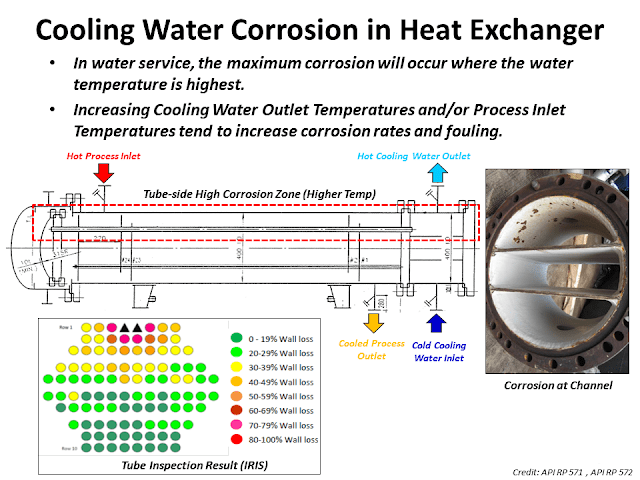
The heat exchanger transfers heat from combustion gases to pool water. It is the most expensive part, often costing $500 to $1,200+ to replace. Many homeowners opt for a new heater instead.
Main causes of early failure:
– Freeze damage when water left inside expands and cracks metal
– Acidic water corroding copper tubes from the inside
– Scale buildup insulating tubes and causing overheating
– Chlorine damage from high chlorine levels or improper chlorinator placement
If you see green staining or water pooling under the heater, the heat exchanger may be leaking.
Preventing Premature Failure
- Balance water chemistry monthly
- Install chlorinator after the heater, never before
- Flush the system annually if hardness is high
- Winterize completely by draining front and rear headers
One neglected winter can end a heater’s life. Drain all plugs and blow out lines with compressed air.
Bypass Valves and Flow Control
Lifespan: 7–12 years
Bypass valves regulate how much water flows through the heater. Too little flow causes overheating. Too much reduces heating efficiency.
Over time, valves can:
– Corrode shut or stick open
– Develop internal leaks
– Lose calibration
Symptoms:
– Inconsistent water temperature
– Heater cycling on and off rapidly
– Reduced heat output
Inspect valves annually. If adjusting does not restore function, replace them.
Never block flow to increase pressure. This stresses the entire system and can trip safety switches.
When to Repair vs. Replace
Cost Threshold for Replacement
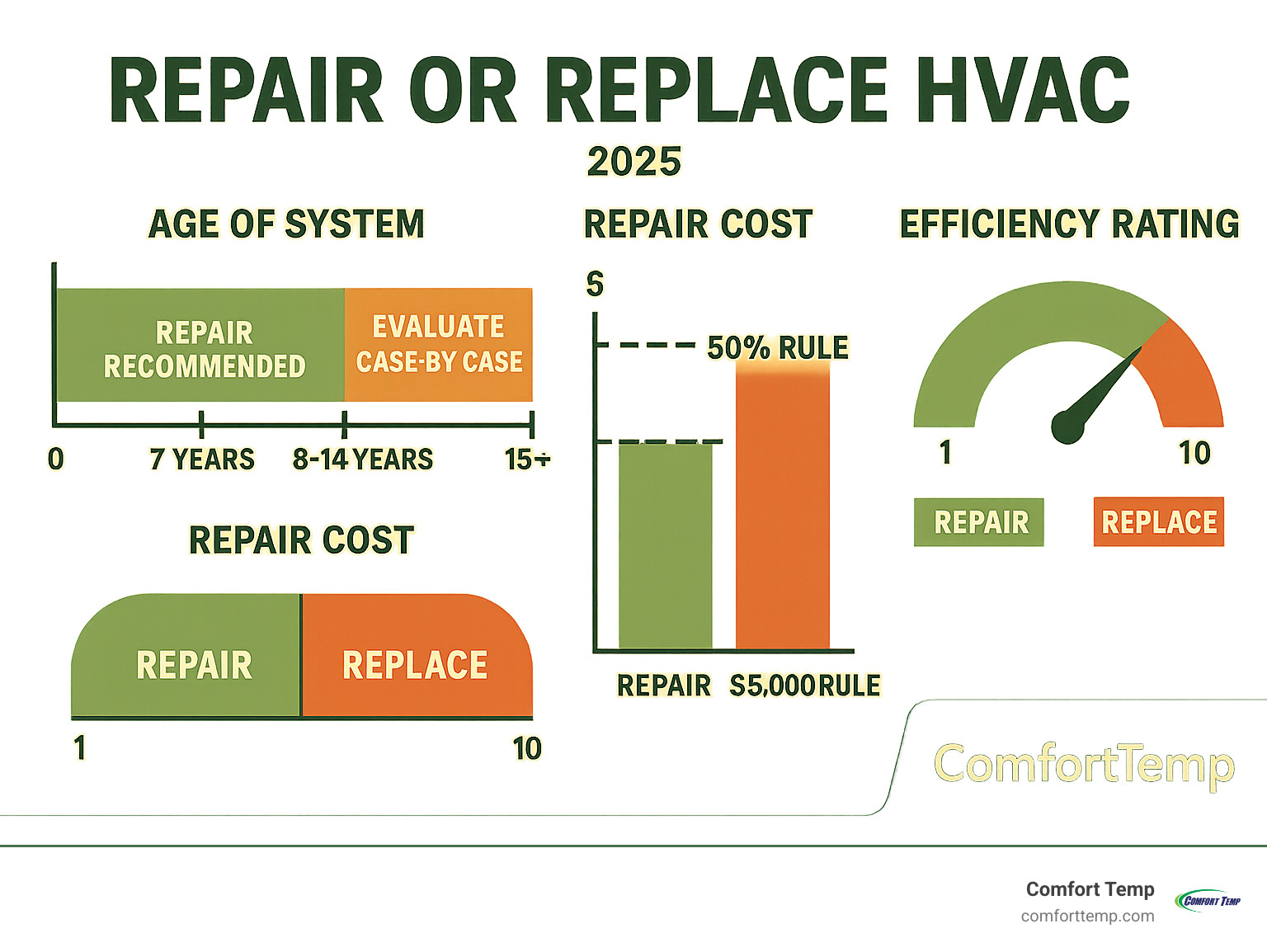
Ask this question: Is the repair cost more than 50% of a new heater?
For example:
– New heater: $1,800
– Heat exchanger replacement: $1,000 (parts plus labor)
In this case, replacement is the smarter move. You get:
– A new warranty
– Higher energy efficiency
– Modern safety features
– Lower long-term operating costs
Even when repair is cheaper, consider efficiency loss over time.
Efficiency Decline Over Time
An old heater may still work, but at what cost? After 8+ years, common issues reduce efficiency:
– Soot buildup on burners
– Scale in the heat exchanger
– Air intake blockages
– Worn insulation
The result is higher gas bills and longer heat-up times.
Newer models offer:
– Electronic ignition with no standing pilot
– Modulating burners that adjust output based on demand
– Sealed combustion for better efficiency and less corrosion
Upgrading can cut fuel use by 20 to 40%.
Annual Maintenance Checklist
Perform these tasks every spring and fall:
| Task | Frequency | Purpose |
|---|---|---|
| Clean or replace filter | Monthly | Maintain flow |
| Test water chemistry | Weekly | Prevent corrosion |
| Inspect gaskets and O-rings | Annually | Prevent leaks |
| Check burner flame color | Annually | Blue means clean, yellow means problem |
| Flush heater (if hard water) | Annually | Remove scale |
| Lubricate O-rings | Annually | Prevent cracking |
| Test pressure switch | Annually | Confirm safety function |
A 30-minute inspection can prevent a $1,000 repair.
Winterization: Non-Negotiable in Cold Zones
If temperatures drop below freezing, drain the heater completely.
Steps:
1. Shut off gas and power
2. Close isolation valves
3. Open drain plugs on front and rear headers
4. Blow out plumbing lines with compressed air
5. Remove pressure switch if recommended to prevent water traps
Skipping this risks cracked headers or heat exchangers, which is a death sentence for most heaters.
DIY vs. Professional Repairs
What You Can Safely Fix
Experienced homeowners can handle:
– Replacing gaskets and O-rings
– Cleaning the pilot orifice
– Replacing thermostats or switches
– Testing electrical components with a multimeter
Always:
– Turn off gas and power first
– Take photos before disconnecting wires
– Use manufacturer-specified parts
When to Call a Pro
Seek professional help for:
– Gas valve replacement
– Burner assembly repair
– Heat exchanger replacement
– Complex electrical issues
– Any repair under warranty
Gas leaks and improper combustion are serious hazards. Never guess with gas.
DIY work may also void warranties, so check terms before starting.
Signs It Is Time for a New Heater
Watch for these red flags:
– Age over 10 years with recurring issues
– Frequent ignition failures despite cleaning
– Visible rust or corrosion on casing or frame
– Green stains near the heater indicating copper leaching
– Water leaking from internal components
– Unusual noises such as banging, hissing, or rumbling
– Rising gas bills with no change in usage
If multiple signs appear, replacement is likely the best move.
Upgrade Opportunities
New heaters offer:
– Higher AFUE ratings (Annual Fuel Utilization Efficiency)
– Smart controls with app-based scheduling
– Quieter operation
– Lower emissions
– Better integration with pool automation
Even if your old heater works, upgrading can save money over 5 years.
Frequently Asked Questions About Pool Heater Lifespan
How long does a pool heater last on average?
Most natural gas and propane pool heaters last between 7 and 12 years. Electric heat pumps often reach 10 to 15 years, and solar systems can exceed 20 years. Your heater’s actual lifespan depends on water chemistry, climate, usage, and maintenance quality.
What causes a pool heater to fail early?
The most common causes of premature failure are unbalanced water chemistry (especially low pH), freeze damage from improper winterization, scale buildup from hard water, and corrosion from a chlorinator installed before the heater. Neglecting any of these factors can cut your heater’s life in half.
Is it worth repairing an old pool heater?
Repair makes sense when the fix costs less than 50% of a new unit and the heater is under 8 years old. If repair costs approach the price of replacement, or if the heater is over 10 years old with recurring problems, replacing it is usually the better financial decision.
How often should pool heater gaskets be replaced?
Gaskets and O-rings typically need replacement every 1 to 3 years. They are considered consumable parts and should be lubricated annually with pool-grade lubricant. Many technicians replace them during any major service as a preventive measure.
Can a pool heater last 20 years?
While uncommon, gas heaters can occasionally reach 20 years with exceptional care, including perfect water chemistry, rigorous winterization, and prompt repairs. Electric heat pumps and solar heaters are more likely to reach or exceed this mark due to fewer corrosion-prone components.
Does turning off the pool heater extend its life?
Yes, but only with proper shutdown procedures. Simply cutting power without draining can trap moisture and cause rust. Seasonal shutdown should include draining the heater, blowing out lines, and protecting components from freeze damage.
Key Takeaways for Maximizing Pool Heater Lifespan
So, how long does a pool heater last? The average is 7 to 12 years, but your results depend on action, not just time. By balancing water chemistry, performing annual maintenance, winterizing properly, and addressing small issues early, you can push your heater toward the upper end of its lifespan or beyond.
When repairs start adding up or efficiency drops, do not throw good money after bad. Replacing an aging unit with a modern, efficient model often pays for itself in energy savings and peace of mind.
Protect your heater the way you protect your pool, because a well-maintained system delivers warmth, comfort, and value for years to come.