Replacing a water heater is one of those decisions most homeowners face only once or twice in a lifetime, yet it carries lasting consequences for comfort, energy bills, and home value. With dozens of models, fuel types, and efficiency ratings on the market, choosing wrong can mean years of cold showers or wasted money. A well-informed water heater buying guide helps you avoid both extremes and invest wisely.
This guide walks you through every critical decision point, from sizing your unit to comparing technologies and avoiding common pitfalls. You’ll learn how to match a system to your household’s hot water habits, evaluate energy efficiency, and budget for both upfront and long-term costs. By the end, you’ll have a clear framework for selecting a water heater that delivers reliable performance and real savings.
Determine Your Hot Water Needs Before Shopping
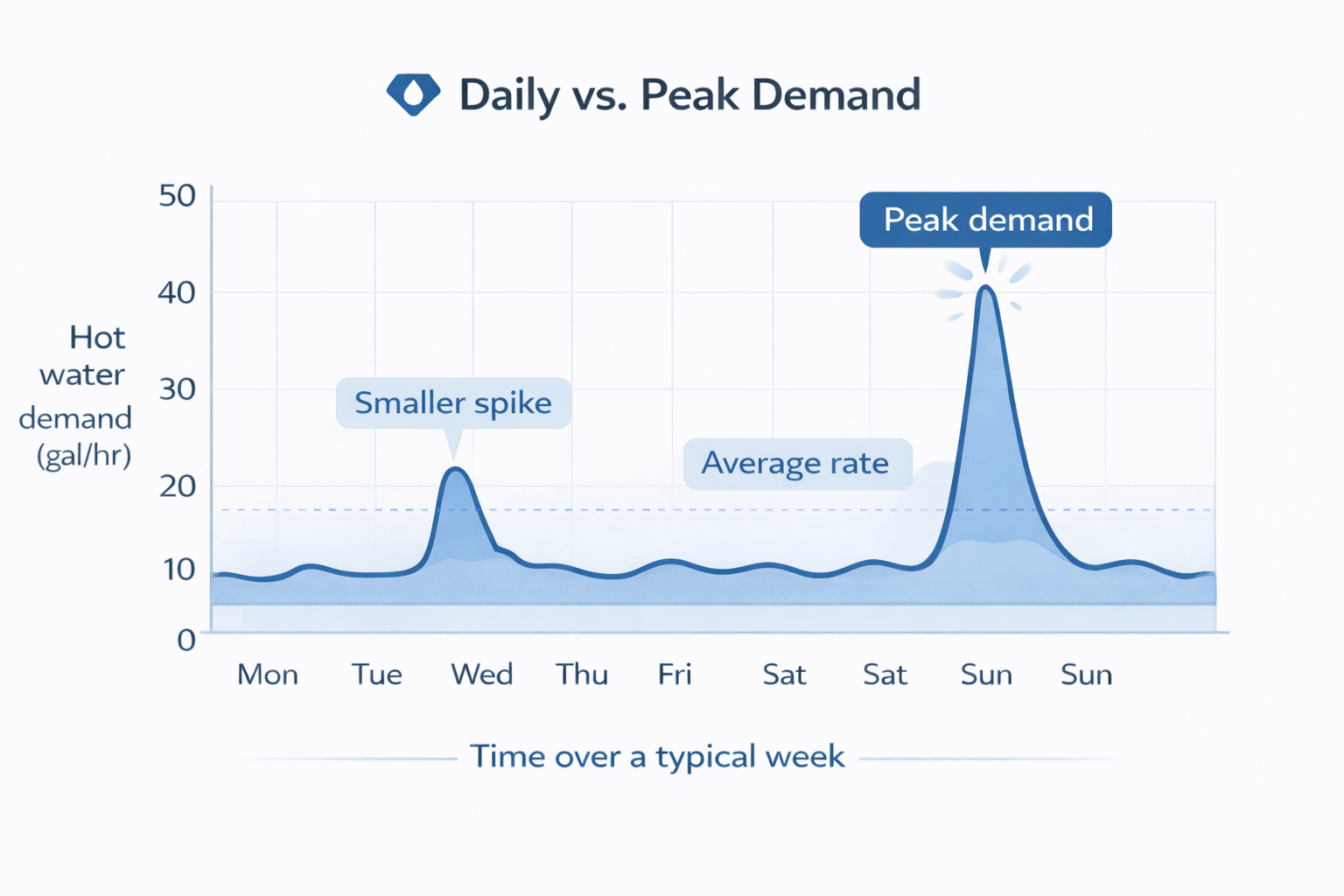
The biggest mistake buyers make is choosing a water heater based on price or brand alone. Sizing your system correctly ensures you never run out of hot water during peak times or waste energy heating a tank that’s too large.
Calculate Your Peak Hour Demand
Your peak hour is the single 60-minute window when hot water demand is highest, such as morning showers plus a running dishwasher. Add up the gallons used by each appliance or fixture during that window to find your required capacity.
- Shower: 10–20 gallons
- Dishwasher: 6–10 gallons
- Washing machine: 20–30 gallons
- Hand-washing or shaving: 1–2 gallons
This total gives you the minimum first-hour rating or flow rate your new water heater must deliver.
Match Tank Size to Household Size
If detailed usage tracking feels daunting, use household size as a starting point:
- 1–2 people: 30–40 gallon tank
- 2–3 people: 40–50 gallon tank
- 3–4 people: 50–66 gallon tank
- 5+ people: 66+ gallon tank or tankless system
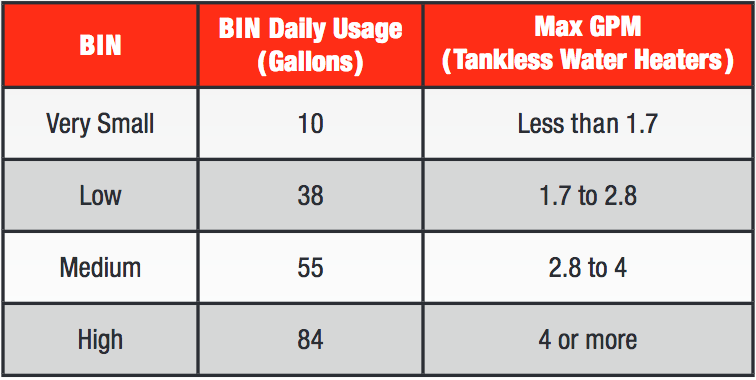
Tankless units are rated by gallons per minute (GPM). A system producing 7–9 GPM handles most homes, though high-altitude areas may need higher input ratings due to thinner air reducing burner efficiency.
Compare Water Heater Types and Technologies
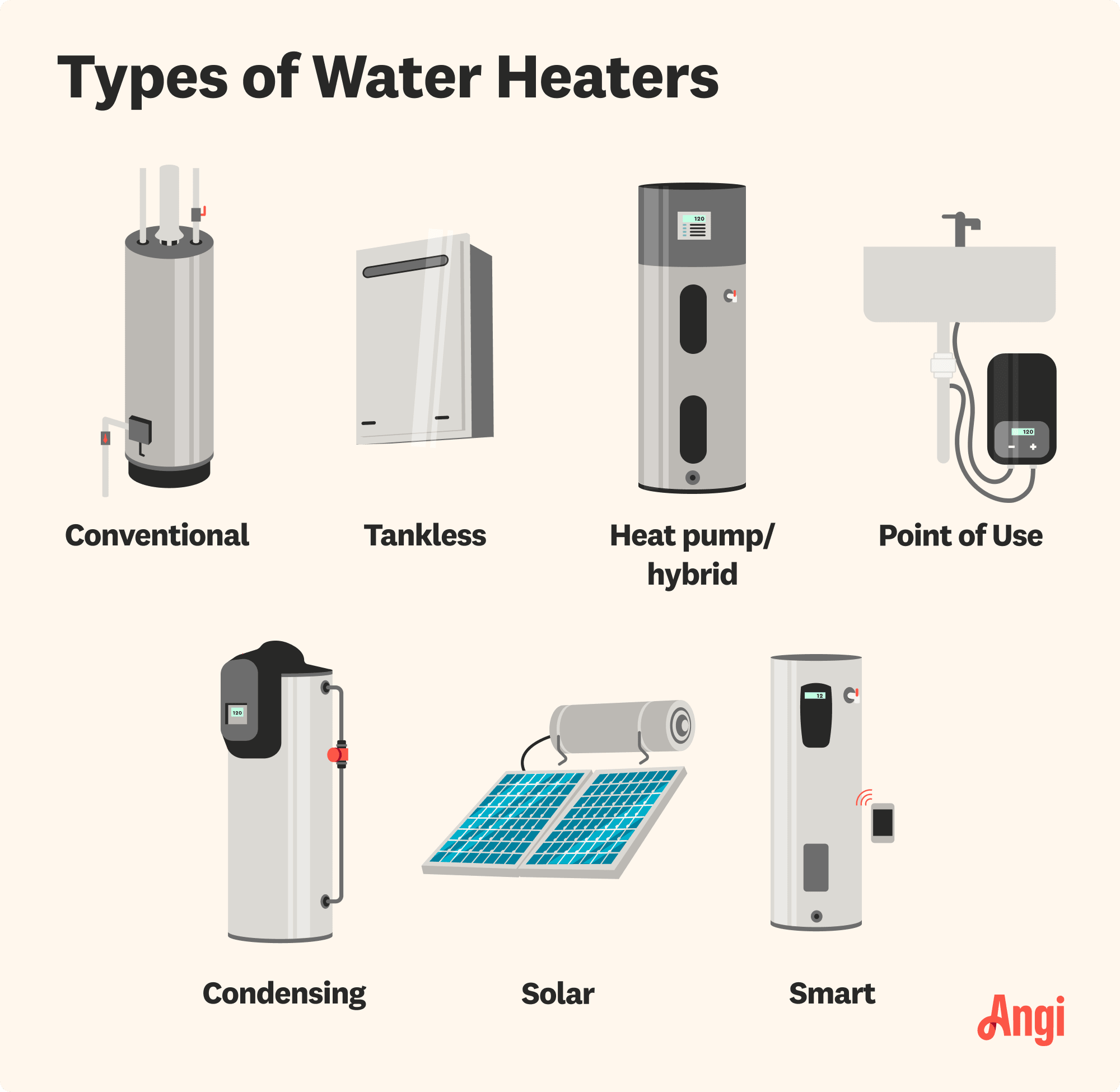
Each water heater type offers distinct advantages depending on your priorities. Understanding the trade-offs helps you match technology to your home and budget.
Tank Storage Water Heaters
The traditional choice, these insulated tanks store and keep water hot around the clock.
- Pros: Lower upfront cost, simple installation, widely available parts
- Cons: Standby heat loss, limited hot water supply, 10–15 year lifespan
- Best for: Budget-conscious buyers and small to medium homes
Gas tank models heat faster and cost less to operate where natural gas is affordable. Electric versions work in homes without gas lines but typically cost more to run.
Tankless (On-Demand) Water Heaters
Tankless units heat water directly as it flows through the system, eliminating the need for a storage tank.
- Pros: Unlimited hot water, 20+ year lifespan, compact wall-mounted design
- Cons: Higher upfront cost, possible flow rate limits, may require gas line or electrical upgrades
- Best for: Larger households, energy savers, and tight spaces
These come in gas and electric versions. Whole-house units cost more than point-of-use models designed for a single fixture.
Heat Pump Water Heaters
Heat pumps extract warmth from surrounding air to heat water, similar to an air conditioner running in reverse.
- Pros: 2–3 times more efficient than standard electric, significantly lower utility bills
- Cons: Higher upfront cost, requires 7–8 feet of vertical clearance, works best in spaces between 40–90°F
- Best for: Homes with high hot water usage and suitable installation environments
These need a basement or utility room with stable temperatures. Local rebates may offset the higher purchase price.
Solar Water Heaters
Solar systems use rooftop collectors to absorb energy from the sun, often paired with a backup heater for cloudy days.
- Pros: Lowest operating cost, environmentally friendly, long-term savings
- Cons: High installation cost, weather-dependent, requires southern roof exposure
- Best for: Sunny climates and eco-focused homeowners
Active systems use pumps to circulate fluid, while passive systems rely on natural convection. Most homeowners combine solar with a conventional backup unit.
Condensing Water Heaters
Condensing models capture exhaust heat that would otherwise escape through the flue, making them ideal for high-efficiency gas installations.
- Pros: Up to 98% thermal efficiency, perfect for homes converting from oil to gas
- Cons: Expensive, requires PVC venting and a condensate drain
- Best for: Large homes with high hot water demand and natural gas access
These are typically found in luxury residential or light commercial settings.
Evaluate Fuel Types and Energy Sources
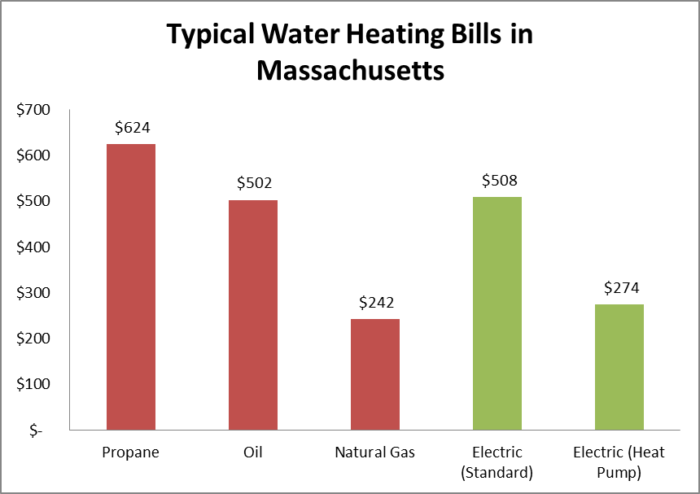
Your home’s existing utilities determine which water heaters you can realistically install. Each fuel source has unique cost and performance characteristics.
Natural Gas and Propane
Gas water heaters heat faster and cost less to operate than electric in most regions.
- Natural gas: Requires a municipal connection but offers the lowest fuel cost
- Propane: Stored in on-site tanks, portable, but more expensive per BTU
Both require proper exterior venting. Condensing gas models deliver the highest efficiency.
Electric Resistance
Electric water heaters are common in apartments and all-electric homes.
- No venting required
- Simpler and safer installation
- Higher operating cost in most markets
- Ideal for small tanks or point-of-use applications
Standard electric models are inexpensive but less efficient than heat pump alternatives.
Oil-Fired Water Heaters
Oil-fired units serve regions without natural gas access.
- Powerful heating output
- Require annual maintenance
- Higher emissions and fuel costs
These systems are being phased out in favor of cleaner, more efficient technologies.
Understand Energy Efficiency Ratings
Efficiency directly impacts your long-term operating costs. Looking beyond purchase price reveals the true lifetime expense of a water heater.
Check the Energy Factor (EF) Rating
EF measures how efficiently a unit converts fuel into hot water. Higher numbers mean better efficiency.
- Standard tank electric: 0.90–0.95
- Heat pump models: 2.0–3.5
- Tankless gas: 0.90+
- Condensing models: up to 0.98
Higher EF ratings often qualify for rebates and lower monthly utility bills.
Use the Uniform Energy Factor (UEF) Label
Newer models display UEF, a more accurate metric based on real-world usage patterns.
- UEF groups models into efficiency tiers
- Look for First Hour Rating and GPM on the label
- Compare units within the same fuel type
The yellow EnergyGuide label shows estimated annual operating cost and efficiency comparisons with similar models.
Estimate Annual Operating Costs
Multiply your daily usage by local energy rates to project yearly expenses.
- Electric: $0.12–$0.30 per kWh
- Natural gas: $1.00–$2.00 per therm
- Propane: $2.50–$4.00 per gallon
A heat pump water heater might cost $200 per year to run, compared to $600 for a standard electric tank.
Consider Installation Requirements and Space Constraints

Even the best water heater fails if it doesn’t fit your space or connect properly to existing systems.
Measure Your Available Space
Standard tanks require specific clearances for safety and service access.
- 18 inches of clearance around sides
- 12 inches above for servicing
- Floor must support 500+ pounds when full
Tankless units are wall-mounted and compact, typically about 2 feet tall, but need proper gas line diameter, venting, and electrical access.
Heat pumps need at least 1,000 cubic feet of surrounding air space, a drain line for condensation, and a minimum 7-foot ceiling height.
Assess Venting and Plumbing Needs
Gas models require flue venting.
- Non-condensing units use metal B-vent pipe
- Condensing units use PVC piping, which is cheaper to install
Electric models don’t need vents but may require a 240-volt circuit, a dedicated breaker, or upgraded wiring.
Older homes may need electrical or gas line upgrades before a new water heater can be installed.
Plan for Permits and Building Codes
Most jurisdictions require permits for water heater replacement.
- Local codes dictate clearances, seismic strapping, and pan drains
- Improper installation voids warranties and creates safety hazards
- A licensed plumber or HVAC technician ensures compliance
Ask your installer about required inspections before work begins.
Set a Realistic Budget for Purchase and Installation

Water heater costs vary widely by type, size, and installation complexity. Budgeting accurately prevents surprises.
Know Upfront Purchase Prices
- Tank electric: $400–$800
- Tank gas: $600–$1,000
- Tankless gas: $1,200–$3,500
- Electric tankless: $500–$1,500
- Heat pump: $1,200–$2,800
- Solar system: $3,000–$7,000
Higher-efficiency models often qualify for federal tax credits or utility rebates.
Factor in Installation Costs
Labor typically ranges from $300 to $1,500 depending on complexity.
- Replacing like-for-like: $300–$600
- Switching fuel types: $1,000+
- Adding venting or electrical upgrades: $500–$2,000 extra
Tankless and heat pump units usually cost more to install due to required modifications.
Calculate Long-Term Savings
High-efficiency models pay back the price difference over time.
- Heat pump saves $200–$400 per year versus standard electric
- Tankless eliminates standby losses, saving 10–20%
- Rebates can cover 25–50% of the cost in some areas
Use this formula: (Upfront cost difference) ÷ (Annual savings) = Payback years. A $1,000 upgrade that saves $300 per year pays back in roughly 3.3 years.
Review Warranties and Expected Lifespan
Longer warranties often signal better build quality and durability. Understanding coverage protects your investment.
Compare Warranty Lengths
- Standard tanks: 6–12 year limited
- High-end tanks: 12–15 years
- Tankless: 15 years on heat exchanger, 5–10 years on parts
- Heat pump: 10–12 years
Some brands offer lifetime warranties on tankless heat exchangers with product registration.
Understand What’s Covered
Most warranties cover tank leaks, heat exchangers, and defective parts. However, they typically exclude labor costs, damage from improper installation, and failures caused by lack of maintenance.
Extended warranties are available but often not cost-effective for reliable brands.
Plan for Expected Lifespan
- Tank heaters: 10–15 years
- Tankless: 20+ years with regular descaling
- Heat pump: 12–15 years
- Solar: 15–20 years
Annual flushing extends equipment life. Homes with hard water need more frequent maintenance to prevent sediment buildup.
Avoid Common Water Heater Buying Mistakes
Even informed buyers can fall into avoidable traps. Recognizing these pitfalls keeps your project on track.
Ignoring Local Climate and Conditions
Heat pumps struggle in cold garages below 40°F. High altitude reduces tankless performance. Hard water clogs tanks and coils faster than soft water. Choose a model designed for your specific environment.
Oversizing or Undersizing the Unit
An oversized unit wastes energy heating water you won’t use. An undersized unit leaves you with cold showers. Use first-hour rating and GPM data, not just tank volume, to size correctly.
Chasing the Lowest Upfront Price
Cheap units often cost more over time through repairs and higher energy bills. Investing in quality and efficiency delivers better long-term value.
Skipping Professional Sizing
DIY estimates frequently miss critical factors like recovery rate and fuel pressure. A licensed technician can assess your home’s specific needs before you buy.
Explore Smart Features and Modern Upgrades
Today’s water heaters offer advanced controls that boost convenience and efficiency.
Wi-Fi Enabled Models
These allow remote monitoring and scheduling through smartphone apps.
- Adjust temperature from anywhere
- Receive maintenance alerts
- Track energy usage over time
Wi-Fi features are most common in heat pump and tankless models.
Self-Cleaning and Low-Maintenance Technology
Some tanks include powered anodes or mixing valves to reduce sediment buildup. Tankless units with self-flushing modes cut maintenance time significantly.
Recirculation Pumps
Recirculation pumps deliver hot water faster to distant fixtures.
- Reduce water waste while waiting for hot water
- Available as built-in or add-on systems
- Ideal for large homes with long pipe runs
Some models require a dedicated return line, while others use an under-sink kit.
Prepare for Replacement Day
Timing and preparation affect both cost and disruption to your household.
Know When to Replace
Replace your water heater if it’s over 10–12 years old, produces rusty water, shows pooling leaks, has frequent pilot light issues, or takes longer than usual to heat water. Delaying replacement risks sudden failure and water damage.
Choose the Right Installation Season
Spring and fall installations often have shorter contractor wait times, milder weather for venting work, and time to resolve issues before winter demand peaks. Avoid scheduling during peak summer HVAC season.
Get Multiple Written Quotes
Always obtain at least three written estimates. Compare equipment brand and model, warranty terms, labor cost breakdown, and permit handling. Make sure quotes include disposal of your old unit.
Finalize Your Decision with a Simple Scoring System
With all factors considered, narrow your options using a decision matrix that reflects your priorities.
Rank Your Priorities
Create a simple scoring chart:
| Factor | Weight (1–5) | Model A Score | Model B Score |
|---|---|---|---|
| Upfront Cost | 4 | 8 | 5 |
| Operating Cost | 5 | 6 | 9 |
| Space Fit | 3 | 9 | 7 |
| Lifespan | 4 | 7 | 9 |
| Installation Ease | 3 | 8 | 5 |
Multiply weight by score for each factor, then sum the totals. The highest combined score wins.
Consult a Trusted Installer
Even with thorough research, a professional’s input is invaluable. They can verify fuel line capacity, assess venting options, and recommend reliable local brands. Choose licensed, insured contractors with strong reviews.
Buy and Schedule Installation
Once you’ve decided, purchase from a reputable supplier or directly through your installer. Confirm delivery access for doorway width, stairs, and weight limits. Shut off power and water before installation day, and stay available to answer questions during setup. Store manuals and warranty documents in a home maintenance folder for future reference.
Frequently Asked Questions About Water Heaters
What size water heater do I need for a family of four?
A family of four typically needs a 50–66 gallon tank or a tankless unit delivering 7–9 GPM. Calculate your peak hour demand for the most accurate sizing, as actual usage patterns vary by household.
Are tankless water heaters worth the higher cost?
Tankless water heaters cost more upfront but last 20+ years and eliminate standby heat loss, saving 10–20% on energy bills. They provide unlimited hot water and take up less space, making them worthwhile for many homeowners who plan to stay in their homes long-term.
How long do water heaters typically last?
Traditional tank water heaters last 10–15 years, while tankless models can run 20+ years with proper maintenance. Heat pump units typically last 12–15 years, and solar systems can reach 15–20 years. Annual flushing extends the life of any water heater.
What is the most energy-efficient water heater type?
Heat pump water heaters are the most efficient, with UEF ratings of 2.0–3.5, making them 2–3 times more efficient than standard electric tanks. Solar and condensing gas models also offer excellent efficiency for suitable homes.
Should I replace my water heater before it fails?
Proactive replacement avoids emergency situations and water damage. Replace units over 10–12 years old, especially if you notice rusty water, leaks, or longer heating times. Scheduling replacement during off-peak seasons can also reduce costs.
Can I install a water heater myself?
DIY installation is possible for some homeowners, but most jurisdictions require permits and licensed professionals for gas or electrical work. Professional installation ensures code compliance, warranty protection, and safe operation, making it worth the investment.
Key Takeaways for Choosing the Best Water Heater
A successful water heater purchase starts with accurate sizing based on your household’s peak hour demand. Compare tank, tankless, heat pump, solar, and condensing models to find the best match for your climate, fuel availability, and efficiency goals. Budget for both upfront costs and long-term operating expenses, since high-efficiency units often pay back the price difference within a few years.
Your next step is to measure your available space, check your fuel sources, and request quotes from at least three licensed installers. With this water heater buying guide as your roadmap, you’ll select a system that delivers reliable hot water, lower utility bills, and lasting value for your home.