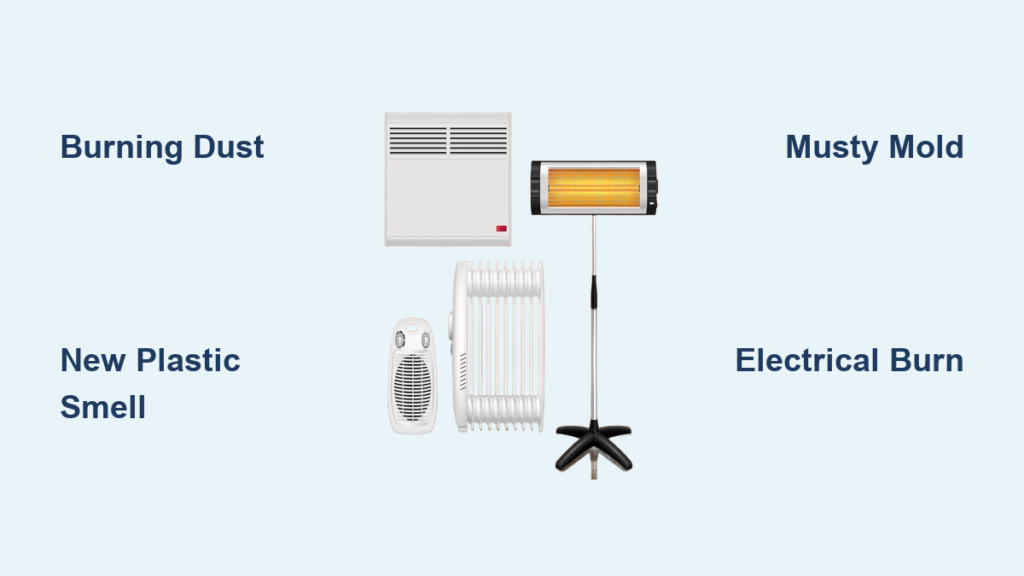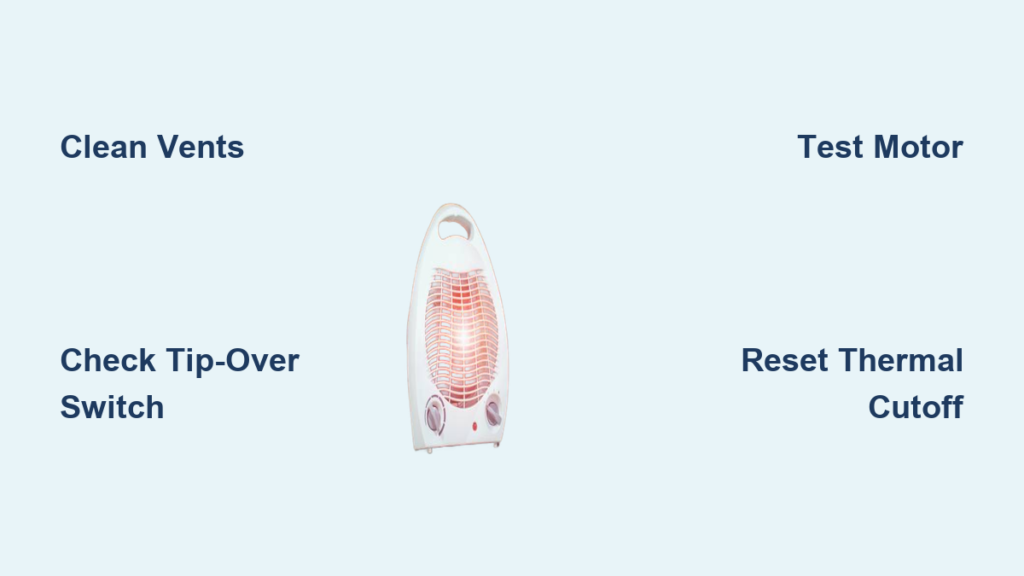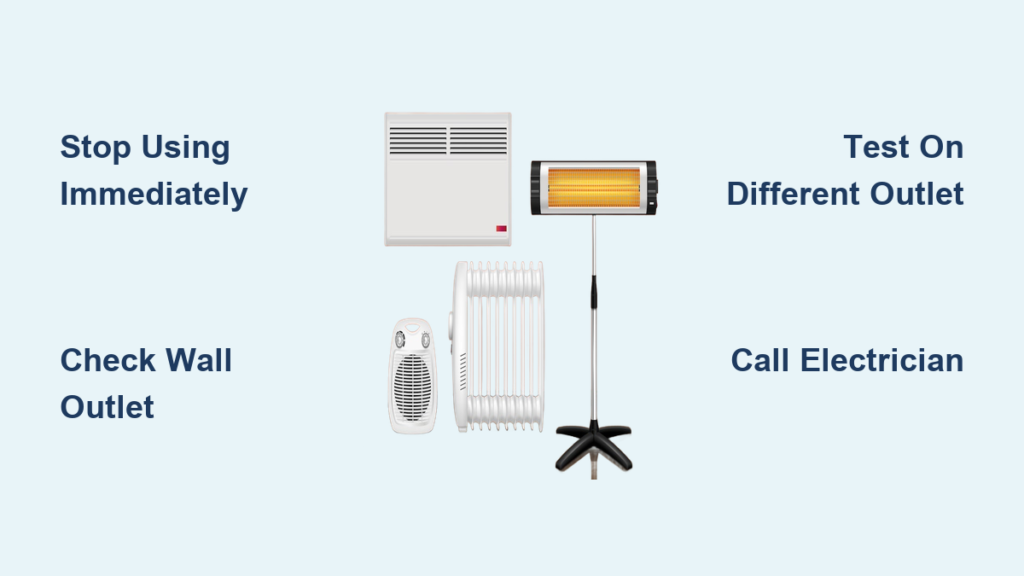

You flip the switch, plug it in, and nothing happens. Your space heater won’t turn on, or maybe it powers up but blows cold air. In the middle of winter, a malfunctioning heater can quickly turn into a serious comfort and safety issue. The good news is that most space heater not working problems stem from simple, fixable causes like tripped breakers, blocked airflow, or safety lockouts. With the right steps, you can often restore heat in under 30 minutes without opening the unit or calling a technician.
According to fire safety data, 30–40% of house fires are caused by space heaters, usually due to poor maintenance or unsafe use. That is why troubleshooting must start with safety: ensuring proper clearance, checking cords, and verifying circuit load. Many “broken” heaters are simply in overheat protection mode or have a disabled tipover switch. This guide walks you through every step, from quick resets to advanced repairs, helping you decide whether to fix or replace your unit.
Check Power Source First
Before assuming the heater is broken, confirm it is getting electricity. A surprising number of failures are due to outlet or circuit issues.
Test the Outlet
Plug in another high-wattage device like a hair dryer or lamp. If it doesn’t work, the outlet is dead. Try a different outlet, preferably on another circuit. If multiple outlets are dead, check your breaker panel.
Inspect Circuit Breaker
Space heaters draw up to 1500W (12.5A). Running one with other high-draw appliances (vacuum, microwave) can trip the breaker. Go to your electrical panel and look for a switch in the “off” position. Flip it fully to “on” to reset. If it trips again immediately, there may be a short or overload. Unplug all devices on that circuit before retrying.
Examine Power Cord
Look for fraying, kinks, or chew marks from pets. Even if the cord looks fine externally, internal wire breaks can prevent power delivery. Gently flex the cord near the plug and heater base while attempting to turn it on. If it flickers or works intermittently, the cord is damaged and must be replaced.
Reset Safety Features

Most modern space heaters shut down automatically when safety systems activate. These issues mimic mechanical failure but are easily corrected.
Perform Full System Reset
Unplug the heater for 10 minutes. This allows internal sensors and thermal fuses to cool and reset. After waiting, plug it back in and try powering it on. This simple step fixes many “dead” units caused by temporary overheat lockouts.
Reset Thermostat Contacts
If the thermostat is stuck, rotating the dial repeatedly can free internal contacts. Turn the knob from the lowest setting to the highest 10 times, then set it to your desired temperature. This often resolves no-power or no-heat issues linked to contact wear.
Clear Overheat Protection
If the heater shuts off after a few seconds, it likely triggered overheat protection. This happens when vents are blocked or dust accumulates. Turn it off, unplug, and let it cool for 30–60 minutes. Clean intake and exhaust grills before restarting.
Verify Tipover Switch Function
The tipover switch cuts power if the unit tilts more than 15–30 degrees. It is a common cause of sudden failure.
Identify the Switch
Located on the base, it is usually a small black button or round disk. If the heater was bumped or placed on an uneven surface, the switch may remain engaged.
Test the Switch
Unplug the unit. Use electrical tape to temporarily hold the switch down, simulating an upright position. Plug in and test. If it works, the switch is faulty or debris is preventing reset.
Critical: Remove the tape immediately after testing. Never operate the heater with a bypassed tipover switch. It removes a vital fire safety feature.
Inspect for Airflow Blockages
Lack of airflow causes overheating, which triggers safety shutdowns even if components are functional.
Clean Intake and Exhaust Vents
Use a dry cloth or soft brush to remove surface dust. For deep cleaning:
- Unplug and cool the unit.
- Remove back panel (typically 4 Phillips screws).
- Use compressed air to blow out dust from the fan, heating element, and ducts.
- Reassemble carefully, ensuring wires are secured.
Perform Paper Test
Hold a piece of paper near the intake. It should be pulled firmly toward the grill. Weak suction means internal clogs or a failing fan motor.
Diagnose No-Heat Issues

If the fan runs but no heat is produced, the problem lies in the heating system.
Test Heating Element
- Set multimeter to RX1 (resistance).
- Touch probes to element terminals.
- A reading of infinity means the element is broken.
- A high number (e.g., 10–20 ohms) indicates continuity, meaning the element is likely good.
Note: Coil and ceramic (PTC) elements can fail from thermal stress. Infrared quartz tubes may crack or burn out.
Check Heat Setting Switch
This switch controls low (1300W), high (1500W), and fan-only modes. If only fan works, the switch may be stuck or corroded. Inspect for:
- Burn marks
- Loose connections
- Cracked housing
Use a multimeter to test continuity across terminals when switching modes. No change means replacement is needed.
Test Thermal Fuse and Overheat Sensor
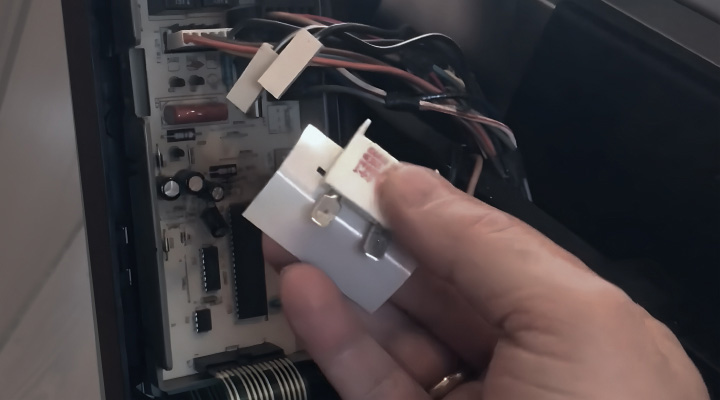
These safety devices prevent fire but can fail and disable the heater.
Locate Thermal Fuse
Usually near the heating element or control board. It is a small cylindrical component with two wires.
Test with Multimeter
Check for continuity. No continuity means a blown fuse. Replace it with an exact match (same temperature rating and amperage). Never bypass it long-term. This removes critical fire protection.
Diagnose Overheat Sensor
Unlike the one-time thermal fuse, this sensor resets when cooled. If the heater shuts off repeatedly, the sensor may be faulty or dirty. Clean gently with isopropyl alcohol. If the issue persists, replace.
Evaluate Fan Motor Performance
The fan circulates air over the heating element. If it fails, the unit overheats and shuts down.
Listen for Noise or Silence
No sound means the motor may be dead. Grinding or squealing means bearings need lubrication.
Lubricate Fan Shaft
Apply one drop of thin oil (e.g., 3-in-1) to the motor shaft. Let it soak in, then wipe excess. Avoid getting oil on heating elements.
Test Motor Continuity
With a multimeter, check for continuity across motor terminals. No reading means the motor is dead and should be replaced.
Assess Thermostat Function
A failed thermostat causes erratic behavior: running non-stop, not turning on, or short cycling.
Check for Continuity
Set multimeter to continuity mode. Rotate the temperature dial. The circuit should open and close as you adjust. If it stays open or closed regardless of position, the thermostat is faulty.
Inspect Knob and Shaft
Ensure the dial isn’t loose or stripped. If the knob turns but the internal shaft doesn’t, replace the knob or thermostat assembly.
When to Replace vs. Repair
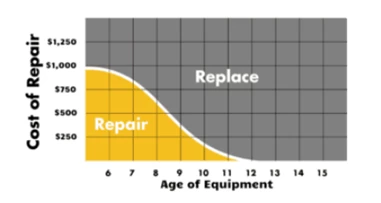
Not every heater is worth fixing. Consider cost, age, and safety.
Repair If:
- Unit is under 5 years old
- Issue is a simple part (fuse, switch, cord)
- It is a high-end model ($100+)
- You have technical confidence
Replace If:
- Heater is over 10 years old
- Heating element or control board is damaged
- It is a basic $20–$25 model
- You are unsure about electrical work
Cost Tip: Entry-level heaters cost $20–$25. Paying more for repair rarely makes sense unless it is a premium unit.
Prevent Future Failures
Regular maintenance prevents 90% of space heater issues.
Clean Every 1–2 Months
During heavy use, disassemble and clean internal components. Dust buildup insulates heating elements, causing overheating and premature failure.
Avoid Extension Cords
Use only heavy-duty, outdoor-rated cords if absolutely necessary. Better yet, plug directly into a wall outlet on a dedicated circuit.
Maintain 3-Foot Clearance
Keep furniture, curtains, and bedding at least 3 feet away. This prevents fire hazards and ensures proper airflow.
Never Leave Unattended
Turn off when leaving the room or sleeping. Automatic shutoff features aren’t foolproof.
Frequently Asked Questions About Space Heater Problems
Why does my space heater keep shutting off after a few seconds?
This usually indicates overheat protection activation. Common causes include blocked vents, dust buildup, or a faulty overheat sensor. Clean the intake and exhaust grills thoroughly and let the unit cool for 30–60 minutes before restarting.
Can I use an extension cord with my space heater?
Standard office extension cords are not rated for the 750–1500W draw of space heaters. Only heavy-duty, outdoor-rated cords should be used if absolutely necessary, though direct wall outlet connection is always preferred.
How do I know if my thermal fuse is blown?
Test the thermal fuse with a multimeter set to continuity mode. If there is no continuity, the fuse is blown and must be replaced. Never bypass it long-term, as this removes critical fire protection.
Is it worth repairing an old space heater?
For basic models costing $20–$25, replacement is usually more economical than repair. Repair makes sense for high-end units ($100+) or simple fixes like fuses, switches, or cords on units under 5 years old.
Why is my space heater blowing cold air?
If the fan runs but no heat is produced, the heating element may be broken or the heat setting switch may be faulty. Test the element with a multimeter (infinity reading means it’s blown) and inspect the switch for burn marks or corrosion.
How often should I clean my space heater?
Clean your space heater every 1–2 months during heavy use. Regular maintenance prevents dust buildup that causes overheating and premature component failure.
Key Takeaways for Fixing a Space Heater Not Working
A non-functioning space heater is often a solvable issue, not a death sentence for the unit. By methodically checking power, safety switches, airflow, and internal components, you can restore heat safely and quickly. Always prioritize fire prevention: never bypass safety features, keep the unit clean, and replace outdated models. If in doubt, replace it.
Pro Tip: Modern heaters with UL certification, tipover protection, and overheat sensors are affordable and far safer than repairing aging units. Recommended replacements include the Lasko 754220, Pelonis 1500W PTC, or any UL-listed model with dual safety features. Stay warm and stay safe.