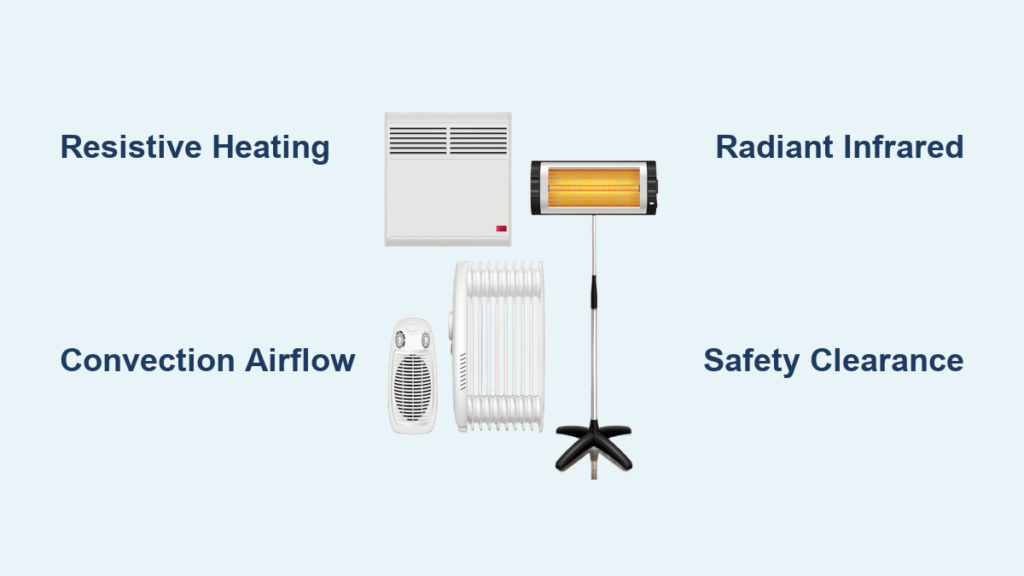
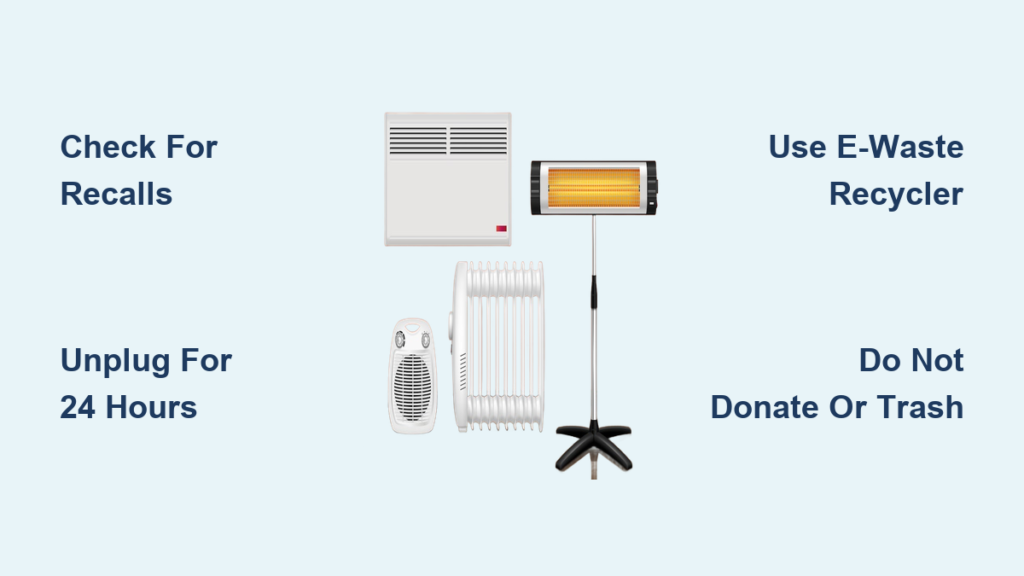
You’ve upgraded to a newer model, or your old space heater finally gave out. Now what? Tossing it in the trash might seem easy, but space heaters are not regular household waste. They are classified as electronic waste (e-waste) and require responsible disposal. Improperly discarded units can spark fires in garbage trucks or landfills, pollute the environment, and even pose legal risks if they’re recalled models.
The good news: recycling your space heater is simple, safe, and environmentally responsible. This guide walks you through exactly how to dispose of a space heater. You’ll learn why it counts as e-waste, how to check for recalls, where to recycle, and what mistakes to avoid.
Why Space Heaters Are Classified as E-Waste
Space heaters contain complex electrical systems that classify them as e-waste. They cannot go in regular trash due to fire hazards and the valuable materials that can be recovered through proper recycling.
Electrical Components That Make Them E-Waste
These internal parts make space heaters unsuitable for landfill disposal. The heating elements consist of nichrome coils or ceramic plates that resist high heat. Wiring and circuitry made from copper manage power flow throughout the unit. Motors in fan heaters circulate warm air. Safety sensors including thermostats and tip-over switches prevent overheating.
When crushed or compacted in waste processing, damaged wiring or heating elements can short-circuit and ignite surrounding materials.
Valuable Materials Waiting to Be Recovered
A single space heater contains materials worth recycling. Copper comes from motor windings and internal wiring. Steel makes up frames and protective grills. Plastics are engineered for heat resistance. Smart components like Wi-Fi modules exist in modern units.
Recycling these materials reduces the need for mining and cuts carbon emissions from manufacturing new products.
Fire Risk in Waste Systems
Discarded heaters have caused fires in garbage trucks during compaction, at transfer stations handling mixed waste, and in landfills where heat builds up in compressed trash. Even a dead heater can retain energy or ignite if its cord is frayed or internal components are compromised.
Check for Recalls Before Disposing of Your Space Heater
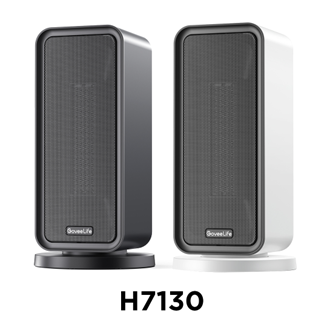
Never donate or casually discard a recalled space heater. Two major recalls occurred in 2024 and 2025, affecting hundreds of thousands of units.
Govee Smart Heater Recall (November 2024)
Over 500,000 units were recalled due to overheating and fire risk. The issue stemmed from wireless control systems failing to meet UL 1278 safety standards.
What to do:
• Stop using the heater immediately
• Visit Govee’s official recall page for refund instructions
• After processing, recycle only through a licensed e-waste facility
Vornado VH2 Heater Recall (January 2025)
Sold exclusively through Amazon, this model had a power cord detachment hazard increasing risks of electric shock and fire.
Action steps:
• Confirm your model number (found on the base or back)
• Cease use and follow Vornado Air’s recall process
• Do not trash or donate. Recycle through a certified handler only
Can You Throw a Space Heater in the Trash?
No. Disposing of a space heater in regular trash is unsafe and often illegal.
Why Landfills Reject These Appliances
Fire risk exists from damaged cords or residual electrical charge. The presence of non-biodegradable plastics and metals creates long-term environmental problems. Potential for re-entry into use if scavenged poses safety hazards.
Municipal waste systems are not equipped to handle small appliances with heating elements.
Legal Consequences for Businesses
Property managers, schools, and companies face fines for improper e-waste disposal. Recycling provides documentation for compliance and reduces liability if a discarded unit causes harm later.
Where to Recycle a Space Heater
Choose one of these safe, approved disposal methods.
Drop Off at Licensed E-Waste Recyclers
EACR Inc. accepts space heaters and ensures proper dismantling. They recover copper, steel, and plastics. They handle smart heaters with circuit boards. They offer recycling certificates ideal for businesses.
Use Municipal E-Waste Programs
Many cities offer designated drop-off bins at recycling centers. Seasonal collection events handle electronics. Curbside bulk pickup is available in some areas.
Before you go:
• Call ahead to verify space heaters are accepted
• Ask about preparation rules like unplugging for 24 hours
• Find out if recalled models require special handling
Schedule Bulk Pickup for Commercial Users
Hotels, property managers, and institutions can arrange on-site pickup for multiple units. Benefits include no need to transport heavy or damaged heaters. Full documentation exists for audits or insurance. Safer handling of recalled inventory occurs.
Contact local e-waste recyclers to set up service.
Step-by-Step: How to Recycle Your Space Heater
Follow these seven steps for safe, compliant disposal.
-
Unplug and inspect
Wait at least 24 hours after last use to let components cool and discharge. Look for frayed or cracked power cords, scorch marks on housing or grill, and cracked casing or loose parts. Damaged units pose higher fire risks. -
Verify recall status
Find the model number on the bottom or back. Search the CPSC recall database. Visit the manufacturer’s website. If recalled, follow refund or replacement steps first, then recycle. -
Do not take it apart
Internal components may still carry electrical charge. Only licensed recyclers should disassemble heaters. Never cut cords or open the casing. You risk injury or fire. -
Find a local recycling option
Search for e-waste recycling near you. Contact your municipal waste department. Confirm the facility accepts small heating appliances. -
Transport safely
Keep the heater upright during transport. Use original packaging or wrap in a blanket. Secure it in your vehicle to prevent tipping. This protects the unit and recycling workers. -
Drop off or schedule pickup
Deliver to a licensed recycler, a municipal e-waste drop-off point, or schedule bulk pickup for multiple units. Businesses should request a certificate of recycling for records. -
Maintain disposal logs for commercial use
Record model numbers and dates of disposal. Keep copies of recycling certificates. Store recall completion confirmations. This supports sustainability reporting and audit readiness.
Can You Donate an Old Space Heater?
No. Most charities no longer accept used space heaters.
Why Donations Create Risks
Older models may lack modern safety features. Hidden damage can lead to fires in new homes. Charities face liability if a donated heater causes injury.
Even if it works, recycling is safer than donating.
When Exceptions May Apply
Only donate if the unit is new, unused, and part of a manufacturer recall program. Or if the organization specifically requests working heaters. This is rare.
When in doubt, recycle.
What Happens When You Recycle a Space Heater
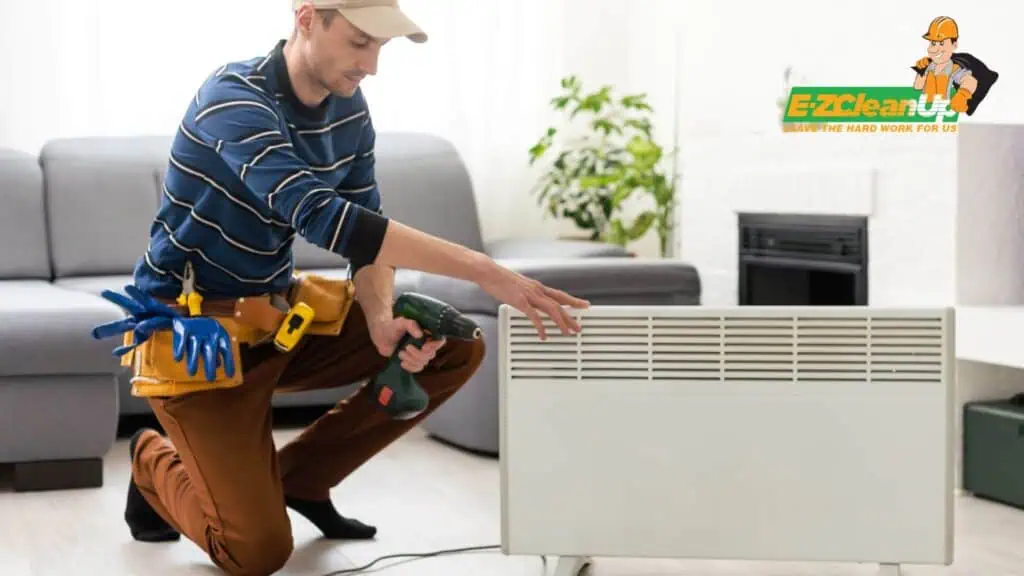
Licensed recyclers follow a controlled process to recover materials and neutralize hazards.
The Recycling Process
At facilities like EACR Inc., units are manually disassembled first. Metals, plastics, and electronics are separated. Copper wiring and motors are extracted. Circuit boards from smart models go to specialized processors.
Material Recovery Outcomes
Recycled materials transform into new products. Copper becomes new wiring, motors, and electronics. Steel goes into automotive parts and construction materials. Plastics become industrial-grade polymer products. Circuit boards enable precious metal extraction including gold, silver, and palladium.
Recycling one heater helps reduce demand for raw material mining and cuts manufacturing energy use by up to 80 percent for some metals.
Benefits of Proper Disposal
Prevent Fires in Waste Systems
Removing functional and damaged heaters from general waste reduces ignition sources in compacted trash. This protects sanitation workers and facilities. It lowers risk of landfill fires that release toxic fumes.
Support Environmental Sustainability
Each unit diverts 5 to 10 pounds of e-waste from landfills. Energy saves by reusing refined metals. Plastic pollution decreases along with resource extraction needs.
Ensure Legal Compliance
For businesses and institutions, proper disposal meets local e-waste regulations. It avoids fines for improper disposal. It demonstrates corporate responsibility.
Frequently Asked Questions About Disposing of Space Heaters
Is a space heater considered e-waste?
Yes. Due to electrical components like wiring, motors, and circuitry, space heaters are classified as e-waste and must be recycled, not trashed.
Can I put a space heater in curbside recycling?
No. Standard recycling bins do not accept e-waste. Use designated e-waste drop-off or pickup services instead.
Do space heaters contain hazardous materials?
They do not contain mercury or leaded glass, but damaged cords or circuits pose shock and fire risks. Lithium components in smart models can overheat. Internal parts require controlled processing.
Does EACR Inc. accept space heaters?
Yes. EACR Inc. recycles small electronic appliances including all types of space heaters, whether functional or broken.
Can I sell my old space heater online?
Not recommended. Used heaters may lack safety certifications or have hidden damage. Selling could expose you to liability if it malfunctions.
How do I prepare a heater for recycling?
Unplug it for 24 or more hours. Wipe down the exterior. Keep it intact with no disassembly. Bring it to a licensed recycler.
Key Takeaways for Responsible Space Heater Disposal

Dispose of your space heater responsibly with these essential actions. Never trash or donate. Always recycle through proper channels. Check for recalls first, especially for Govee, Vornado, and other models. Use licensed e-waste recyclers like EACR Inc. Keep units intact with no DIY dismantling. Businesses should schedule bulk pickup with documentation.
Proper disposal takes minutes but delivers lasting benefits. You reduce fire risk, support material recovery, and protect the environment. Whether replacing an aging unit or removing a recalled model, recycling remains the only safe, responsible choice.