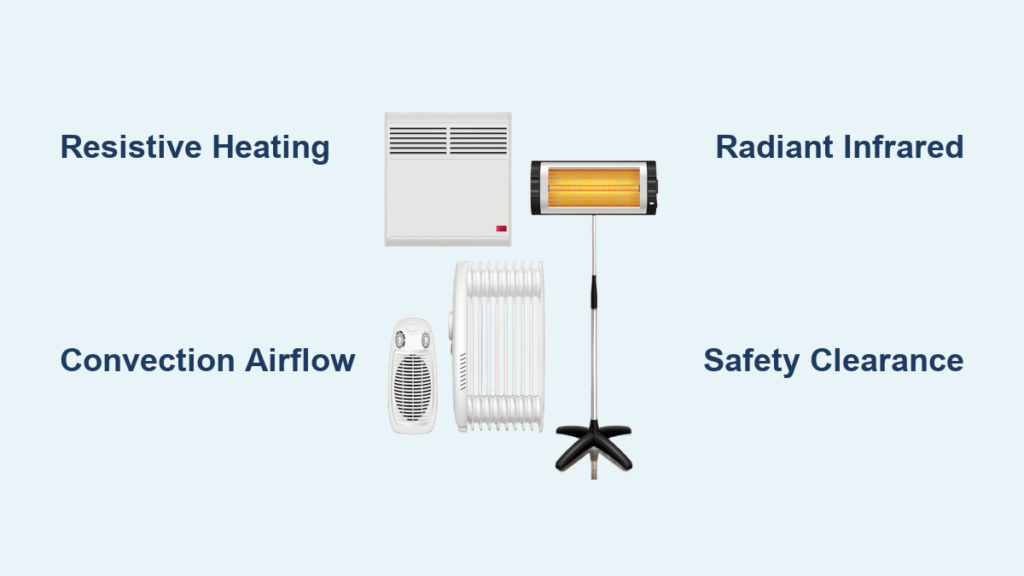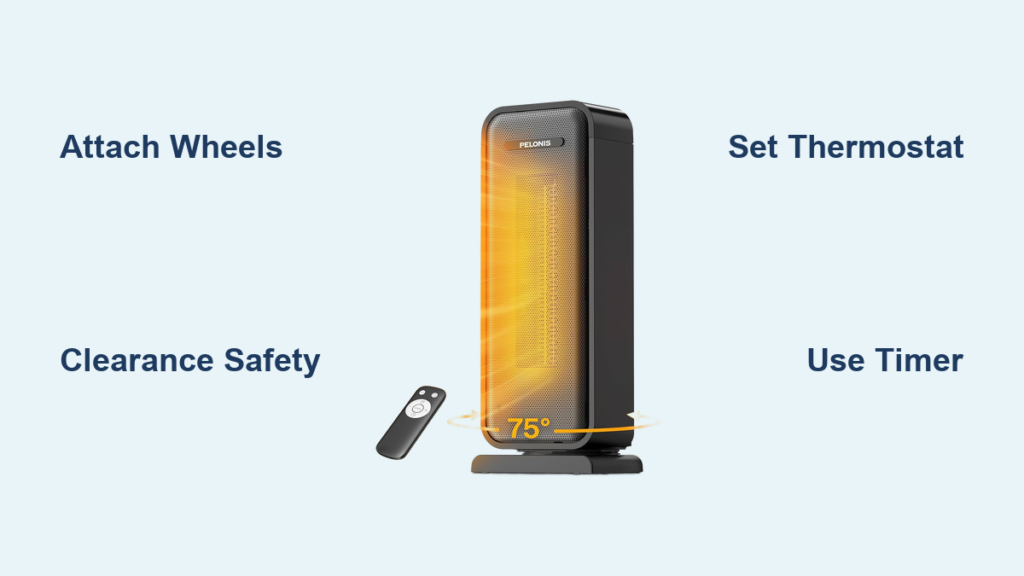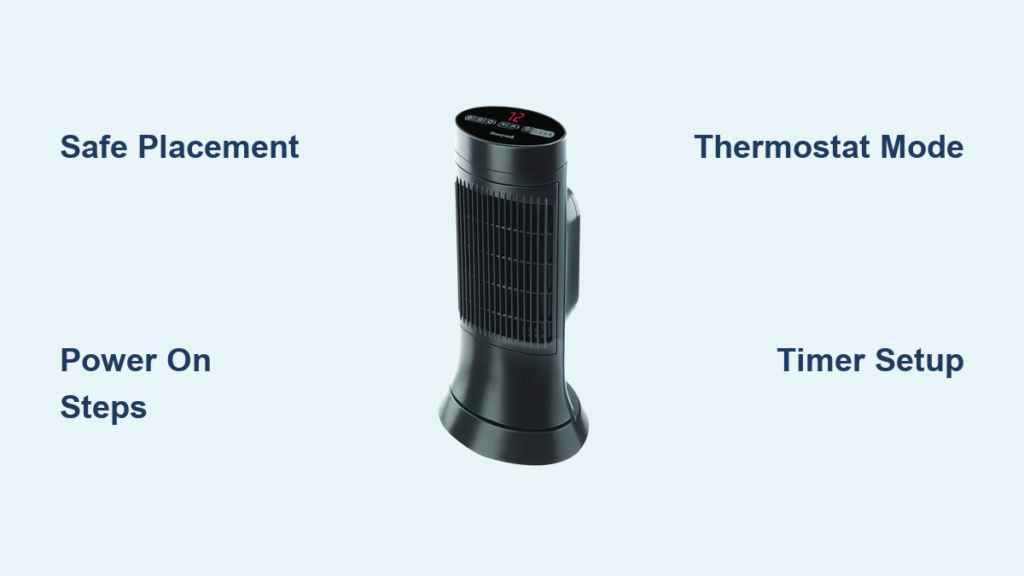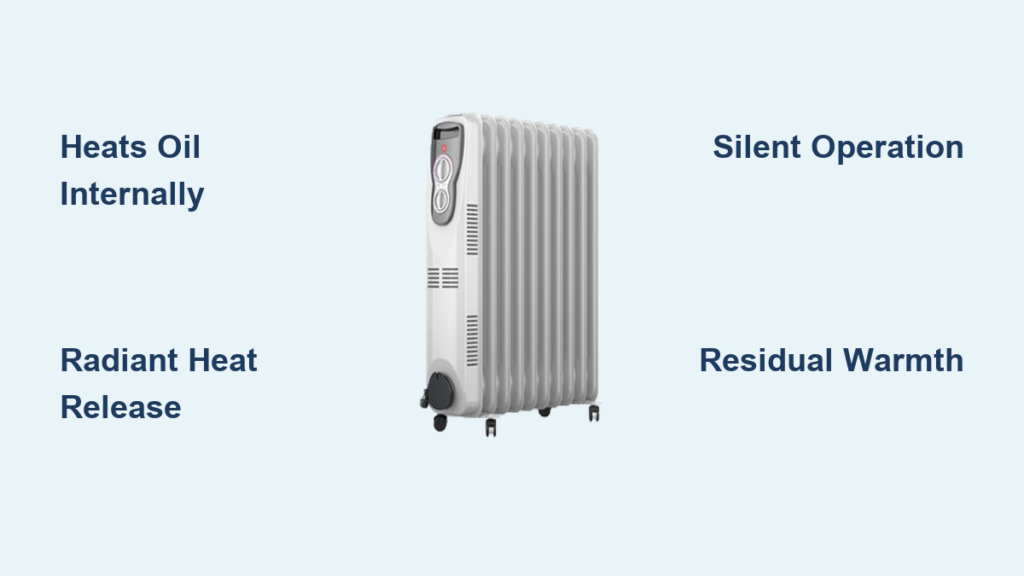
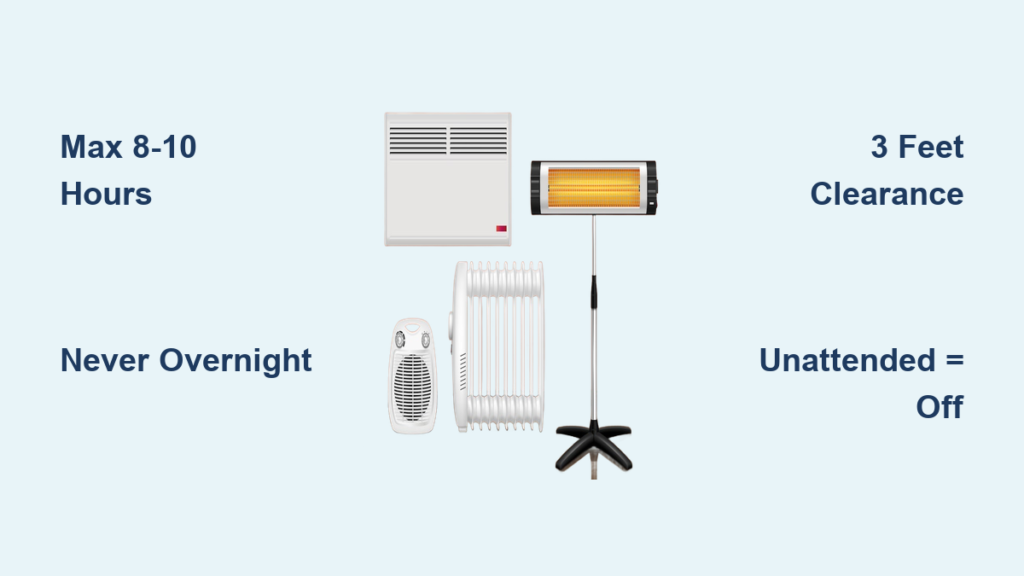
Space heaters are a go-to solution for extra warmth during winter, especially in drafty rooms or homes with uneven heating. But a critical question lingers for every user: how long can a space heater be on safely? While some models can technically run for 8–10 hours, safety experts agree—no space heater should be left on unattended or overnight. The risk of fire, carbon monoxide poisoning, and electrical hazards increases significantly with prolonged use. Even with modern safety features, continuous operation without supervision is a gamble. This guide breaks down the real limits of space heater runtime, the dangers of overuse, and smarter ways to stay warm.
Safe Runtime Guidelines
Maximum Continuous Use: 8–10 Hours
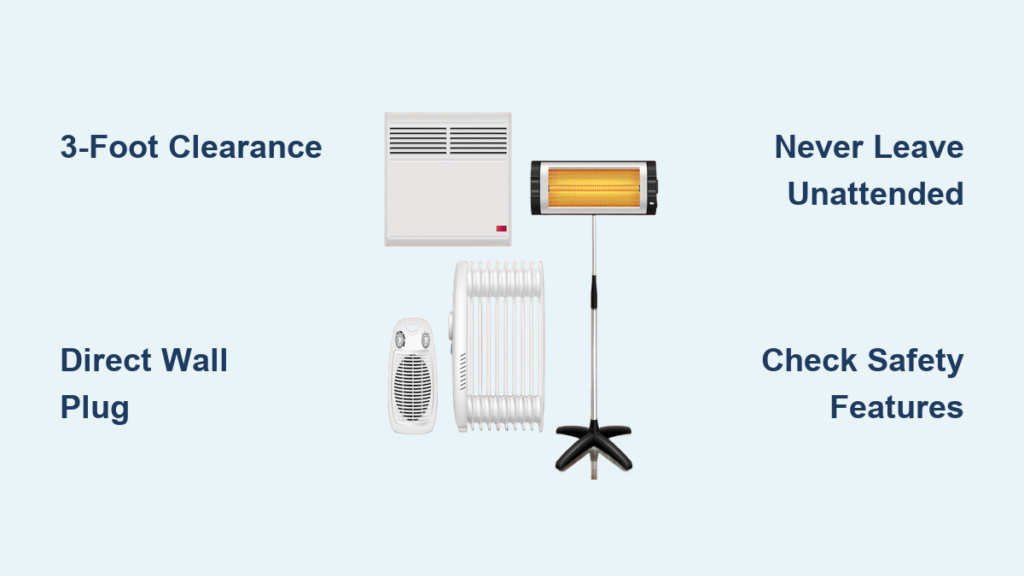
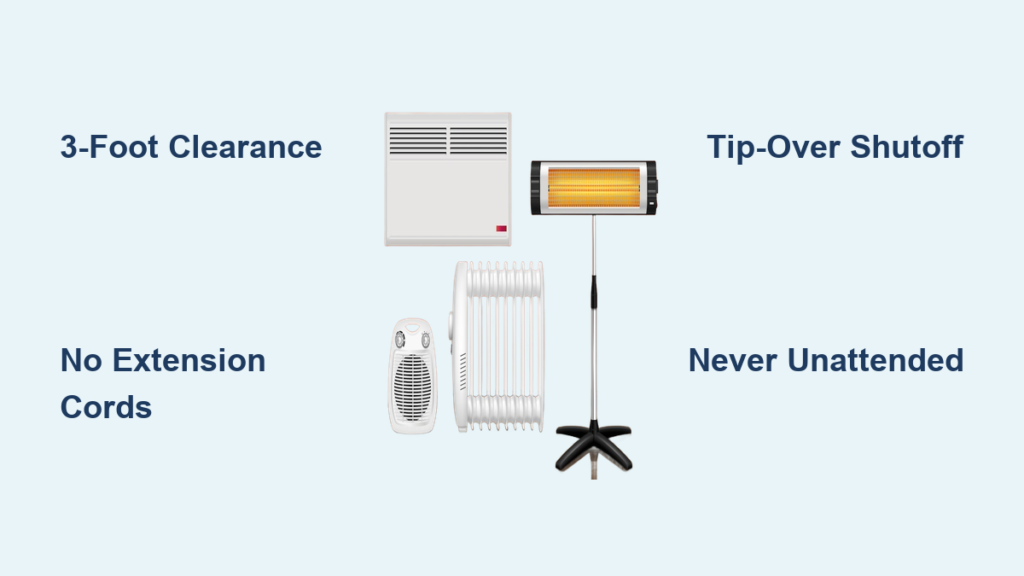
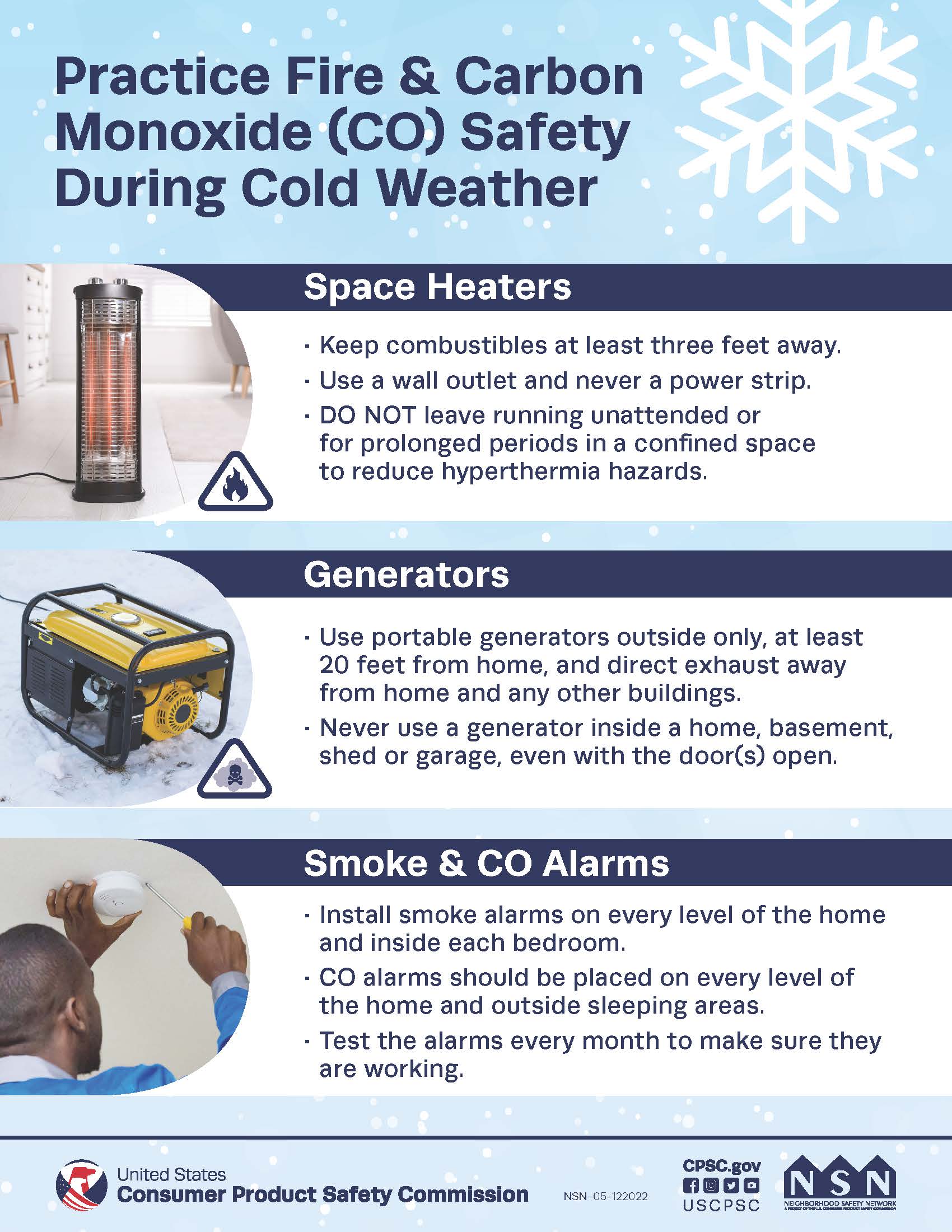
Most space heaters can operate continuously for 8 to 10 hours, but only under strict conditions. This limit assumes the heater has overheat protection, tip-over shutoff, and is placed on a hard, non-flammable surface. It must also be used in a well-ventilated room with no flammable materials within 3 feet. Even then, this duration is not recommended as routine practice—it is the upper edge of safe operation, not a target. Prolonged use increases component wear, energy load, and fire risk, especially if dust accumulates or airflow is blocked.
Daytime Use: 6–8 Hours with Supervision
When you are awake and in the room, running a space heater for 6 to 8 hours is generally safe. This window allows for effective heating without crossing into high-risk territory. To stay safe, keep these points in mind:
• Keep the heater on a level floor—never on a rug or table
• Maintain 3 feet of clearance on all sides
• Avoid using it in high-traffic areas where it could be bumped
• Check the unit every few hours for unusual heat, smells, or noises
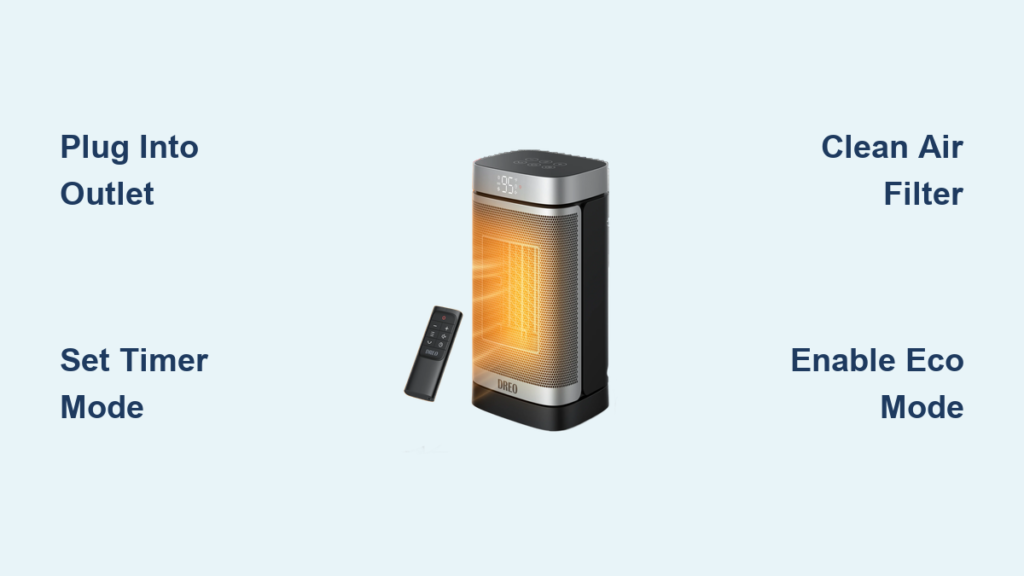
Using a built-in timer or smart plug helps automate shutoff, reducing the temptation to let it run “just a little longer.”
Overnight Use: Not Recommended
Never leave a space heater on while sleeping. The U.S. Fire Administration and NFPA strongly advise against it. If you must use one at night, limit runtime to 4–6 hours on a low setting and use a timer to shut it off after 1–2 hours. Your safest move is to pre-warm the room, then turn the heater off before bed. Electric blankets or heated mattress pads are far safer for overnight warmth.
Unattended Use: Turn It Off
Leaving a space heater on when you are not in the room—even for 15–30 minutes—increases fire risk. If you step out, turn it off. If you are leaving the house for more than 30 minutes, unplug it completely. No exceptions. Use a smart plug to turn the heater on 30–60 minutes before you return, so the room is warm without unattended operation.
Key Safety Risks
Fire Hazards: Leading Cause of Winter Fires
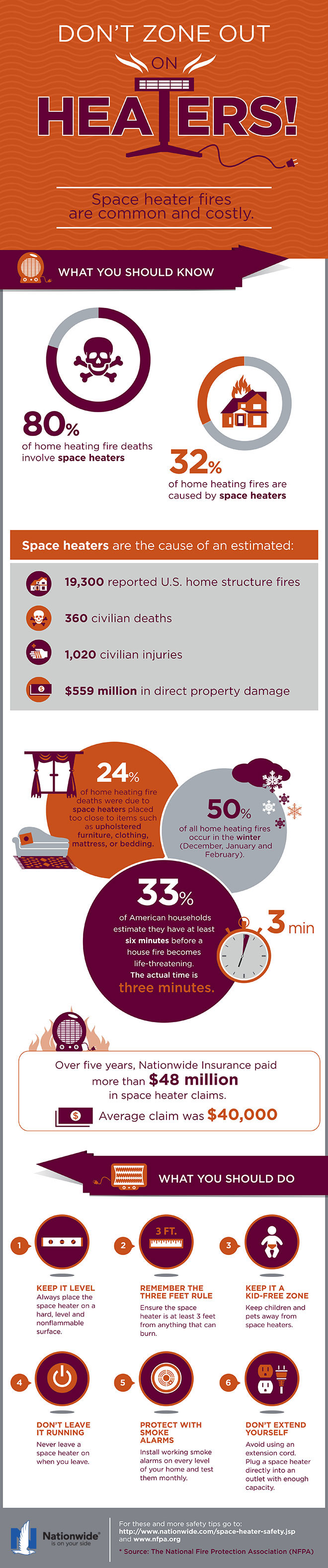
Space heaters cause 44% of home heating fires and 87% of related deaths, according to the NFPA. Most fires start when heaters are placed too close to curtains, beds, or furniture. Surface temperatures can exceed 400°F, igniting nearby materials in seconds. To prevent fires, follow these essential rules:
• Keep 3 feet of clearance on all sides
• Never place on carpets or near bedding
• Avoid using in children’s rooms or pet areas unless constantly supervised
Carbon Monoxide Poisoning: Silent Killer
Fuel-burning heaters (propane, kerosene, natural gas) produce carbon monoxide (CO)—a colorless, odorless gas that can be deadly. Symptoms like headache, dizziness, and nausea are often mistaken for the flu. To stay safe, keep these precautions in mind:
• Install CO detectors on every level and near sleeping areas
• Never use unvented fuel heaters in tightly sealed rooms
• Ensure proper ventilation—crack a window if needed
Electric heaters do not produce CO, making them safer for indoor use.
Oxygen Depletion in Sealed Rooms
Combustion-based heaters consume oxygen. In small, poorly ventilated spaces, this can lead to drowsiness, confusion, and breathing difficulties. Always ensure adequate airflow when using fuel-powered models. Electric heaters do not deplete oxygen—ideal for closed rooms.
Electrical Hazards: Overloaded Circuits
Most space heaters draw 1500 watts (12.5 amps)—near the limit of a standard 15-amp circuit. Running it with other high-wattage devices (like microwaves or hair dryers) can trip breakers or overheat wiring. To avoid danger, remember these points:
• Plug directly into a wall outlet—never use extension cords or power strips
• Use a grounded 3-prong outlet
• If the plug or outlet feels warm, stop use immediately—this signals overload
Factors That Affect Safe Runtime
Room Size: Match Heater to Space
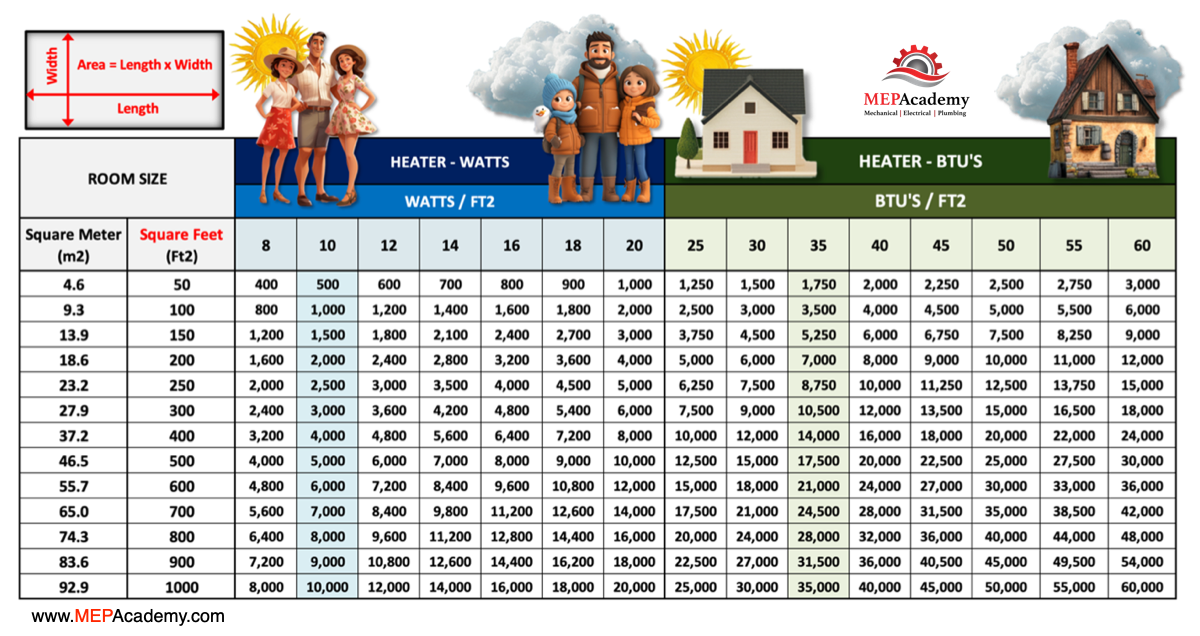
An undersized heater will run nonstop trying to warm a large room, increasing wear and risk. Use this guide to match your heater to your space:
• 100–150 sq ft: 750–1000W
• 150–300 sq ft: 1000–1500W
• 300–400 sq ft: 1500W (max standard)
A properly sized heater cycles on and off, reducing total runtime and energy use.
Insulation Quality: Heat Loss Matters
Well-insulated rooms retain warmth longer, allowing shorter heater cycles. Poor insulation—drafty windows, thin walls, or bare floors—forces the heater to run longer. Improve efficiency with these methods:
• Sealing gaps with weatherstripping
• Using thermal curtains
• Adding rugs to cold floors
Heater Wattage and Type: Know Your Model
750–1000W models run longer (6–10 hours) to heat a space, which means higher cumulative risk if unattended. 1500W models heat faster but max out circuit capacity—never share the outlet with another device. Higher wattage does not mean better efficiency. Focus on safety features and room match over raw power.
Ambient Temperature: Colder = Longer Runtime
In freezing climates, heat loss is greater. A room starting at 50°F takes longer to warm than one at 65°F. This increases initial runtime and total daily use. Pre-warming during the day reduces nighttime demand.
Must-Have Safety Features
Tip-Over Protection: Automatic Shut-Off
If the heater is knocked over, it shuts off instantly. This feature is essential for homes with kids or pets. Never buy a heater without this feature.
Overheat Protection: Prevents Internal Fires
This shuts off if internal temperatures get too high, which is common if vents are blocked by dust or furniture. This safety layer is non-negotiable.
Cool-Touch Exterior: Prevents Burns
This keeps the outer casing safe to touch even during use. It is critical in hallways or shared spaces.
Thermostat and Timer: Smarter Control
A thermostat maintains temperature by cycling on and off. A timer lets you set runtime (1–8 hours), then shuts off automatically—perfect for sleep or pre-warming.
UL Certification: Non-Negotiable
Only use heaters with UL, ETL, or CSA certification. These meet strict safety standards. Avoid off-brand or uncertified models.
Warning Signs: When to Shut Off Immediately
Turn off and unplug your heater if you notice any of these warning signs:
• Burning smell (beyond initial dust burn-off)
• Discoloration or warping of the unit or floor
• Frequent breaker trips
• Unusual noises (buzzing, popping)
• Sparks or glowing elements outside the chamber
• Continuous operation without reaching set temperature
Clean vents and filters every 1–2 weeks. Never run a heater with blocked airflow.
Safer Alternatives to Prolonged Use
Electric Blankets: Warmth Without Risk
Electric blankets use 50–100 watts, which is far less than space heaters. Modern models have auto shut-off (6–12 hours) and overheat protection. They are ideal for bedtime use.
Heated Mattress Pads: Consistent Warmth
These heat from beneath, avoiding fire risks from covered heaters. They offer zone control and timers, making them safer than space heaters for overnight use.
Smart Thermostats: Automate Central Heat
Set schedules to warm the house before waking or returning home. Geofencing turns heat on when you are nearby. This reduces the need for space heaters.
Improve Home Insulation: Long-Term Fix
Consider these long-term solutions:
• Add attic insulation
• Install storm windows or thermal film
• Use door sweeps and draft stoppers
Less heat loss means less reliance on supplemental heating.
Expert Guidelines and Regulations
NFPA: 3-Foot Rule
The National Fire Protection Association mandates 3 feet of clearance from anything flammable. Also recommends never leaving heaters unattended, plugging directly into outlets, and using only in occupied rooms.
CPSC: No Overnight Use
The U.S. Consumer Product Safety Commission warns against overnight or unattended operation. It recommends annual inspection of older units for damage or wear.
American Red Cross: Detection and Prep
Follow these recommendations from the Red Cross:
• Install smoke alarms on every level and in bedrooms
• Test monthly
• Have a fire escape plan and practice it
Best Practices Summary
| Scenario | Safe Action |
|---|---|
| Daytime Use | 6–8 hours with supervision; use timer |
| Overnight Use | Not recommended; pre-warm and turn off |
| Unattended | Turn off if leaving room more than 15 minutes |
| Plug Use | Direct wall outlet only—no extensions |
| Placement | Hard, level surface; 3 feet clearance |
| Maintenance | Clean vents; inspect before each use |
| Detection | Smoke and CO alarms; test monthly |
Frequently Asked Questions About Space Heater Runtime
Can a space heater run for 24 hours straight?
No. While some heaters can technically run for 8–10 hours continuously, no space heater should run for 24 hours. Continuous operation increases fire risk, component wear, and energy consumption. Always turn off the heater when leaving the room or going to sleep.
Is it safe to leave a space heater on while I am at work?
No. Leaving a space heater on unattended, even while at work, is not safe. If you will be away from home for more than 30 minutes, unplug the heater completely. Use a smart plug to warm the space 30–60 minutes before you return instead.
What is the safest way to use a space heater overnight?
The safest approach is to not use a space heater overnight at all. If you must, pre-warm the room before bed, then turn the heater off completely. Use electric blankets or heated mattress pads instead—they are designed for overnight use and have built-in safety shut-off timers.
How do I know if my space heater is too hot?
Watch for these warning signs: a persistent burning smell, discoloration or warping of the unit, frequent circuit breaker trips, unusual noises, or sparks. If any of these occur, turn off and unplug the heater immediately. Also check that vents are not blocked by dust or debris.
Does the type of space heater affect how long it can run safely?
Yes. Fuel-burning heaters (propane, kerosene, natural gas) require ventilation and should never run unattended due to carbon monoxide risk. Electric heaters are safer for indoor use but still require supervision. All types should have tip-over protection, overheat protection, and UL certification.
What happens if I use an extension cord with my space heater?
Using an extension cord with a space heater is dangerous and strongly discouraged. Extension cords can overheat, especially with high-wattage devices drawing 1500 watts. Always plug directly into a grounded wall outlet. If the cord is too short, move the heater closer to the outlet instead.
Key Takeaways for Safe Space Heater Use
While some space heaters can technically run for 8–10 hours, safety must always come first. The real answer to “how long can a space heater be on” depends on whether someone is present to monitor it. Never leave a space heater running unattended or overnight. Use timers and smart plugs to automate shutoff, and always keep at least 3 feet of clearance from flammable materials. For overnight warmth, switch to electric blankets or heated mattress pads, which are specifically designed for safe continuous use. When in doubt, turn it off and unplug it. Your safety is not worth the risk of convenience.