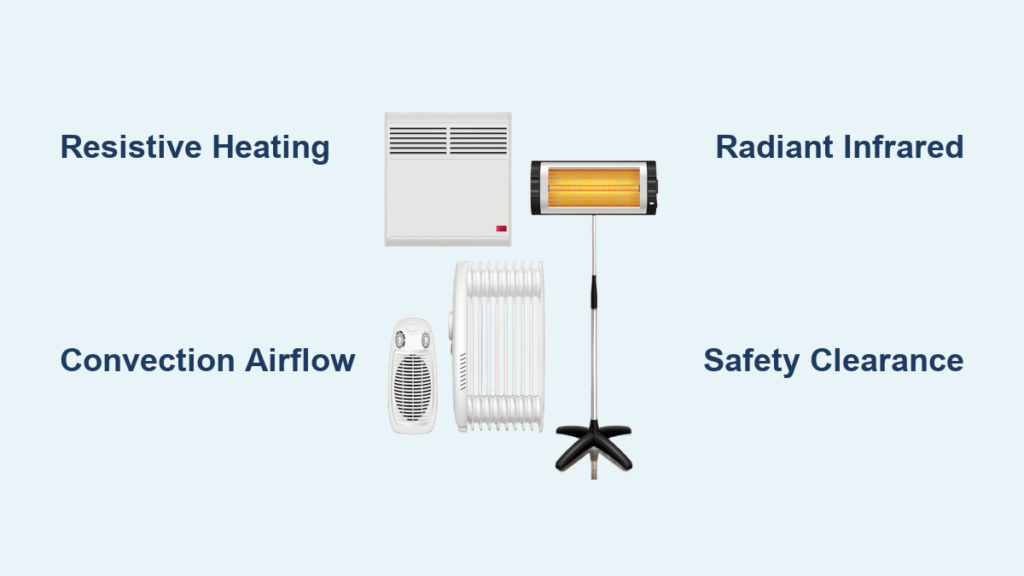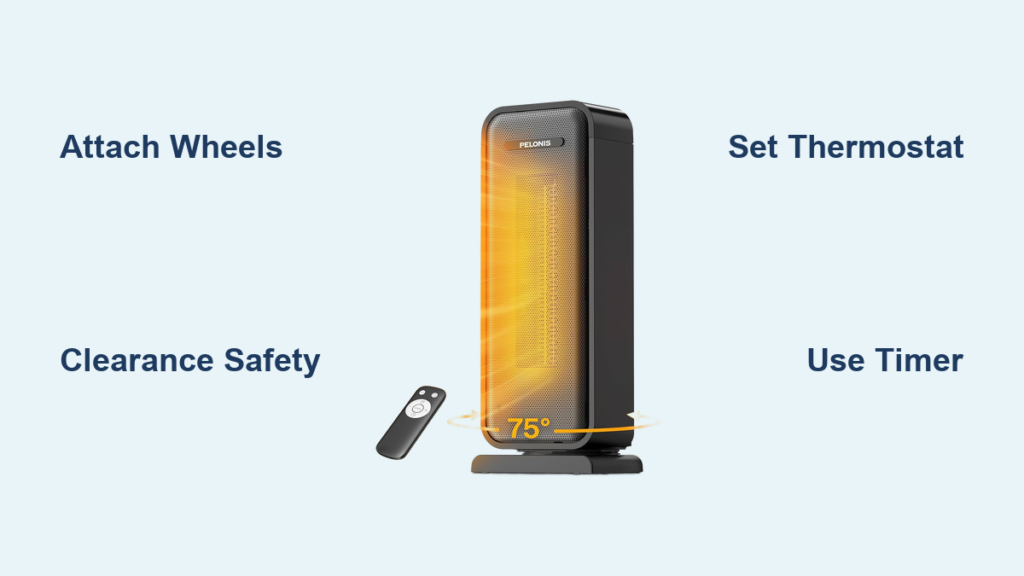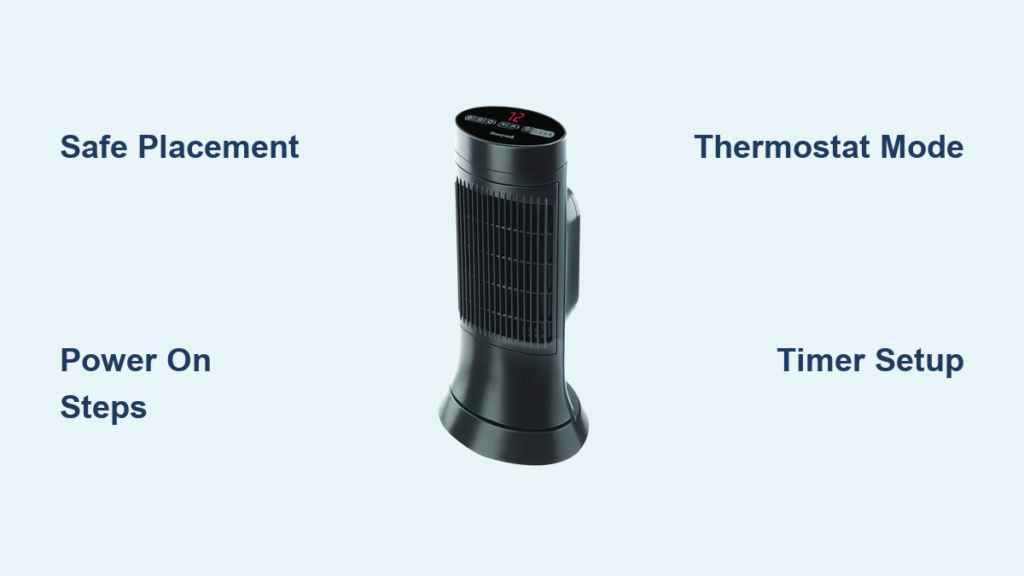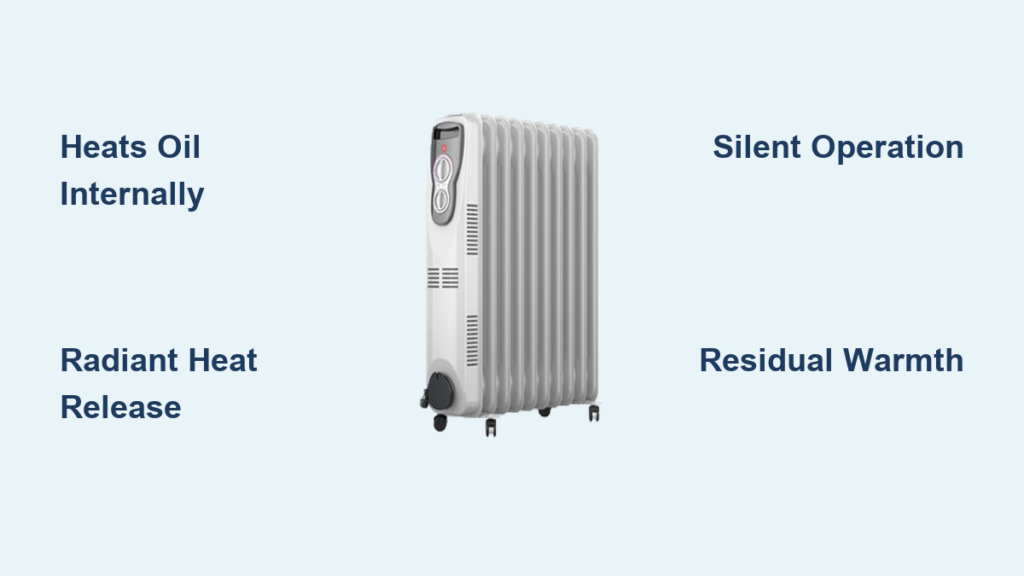

You flip a switch on your space heater or adjust your oven dial, and warmth fills the room within minutes. That instant comfort comes from a small but powerful component working behind the scenes: the heater coil. How does a heater coil work? The answer lies in basic physics, specifically the principle of electrical resistance generating heat. This process, called Joule heating, powers everything from hair dryers and toasters to water heaters and industrial furnaces.
Understanding how heater coils function helps you make smarter decisions about appliance use, safety, and maintenance. In this guide, you’ll learn the core principles behind heater coil operation, the materials that make them work, how design affects performance, and where you’ll find them in everyday devices. Whether you’re troubleshooting a faulty heater or simply curious about the technology, this breakdown offers clear, practical insights.
The Core Principle: Joule Heating Explained
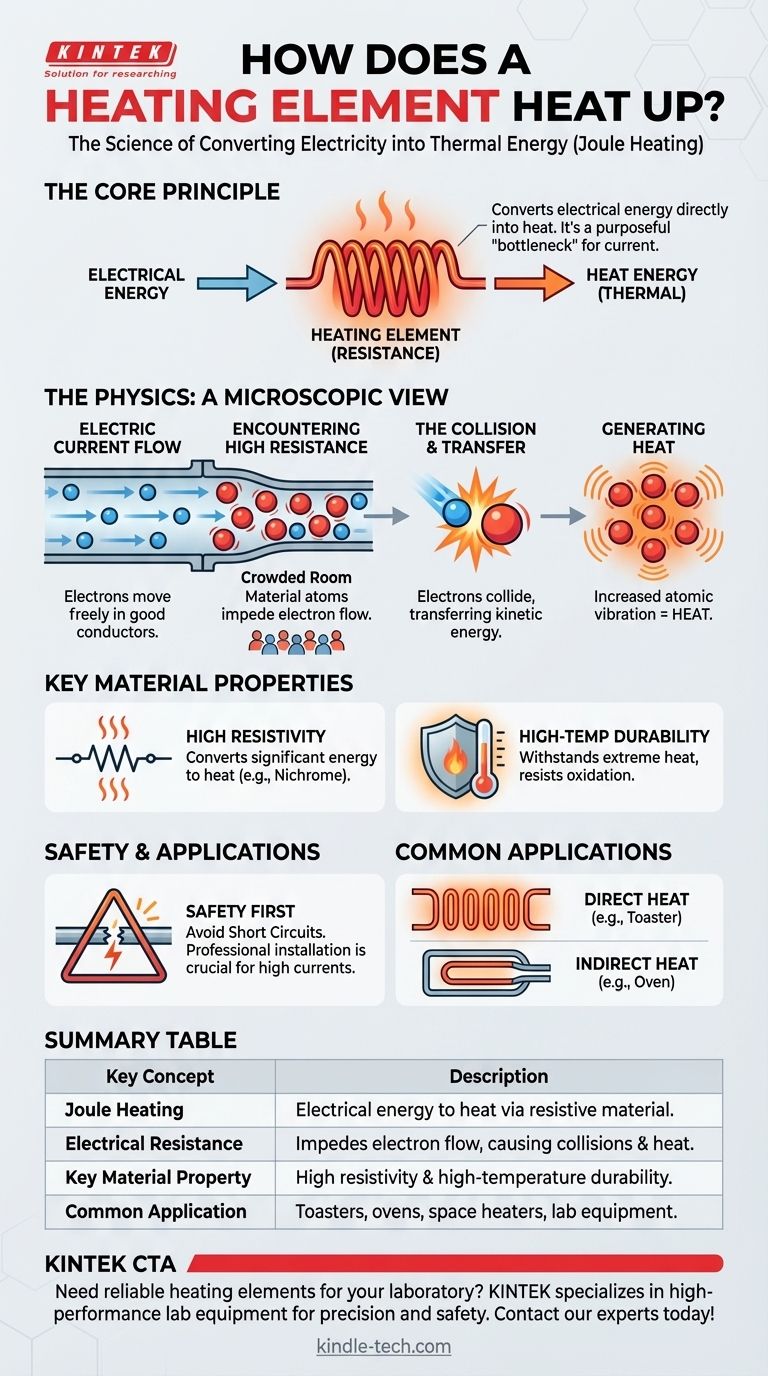
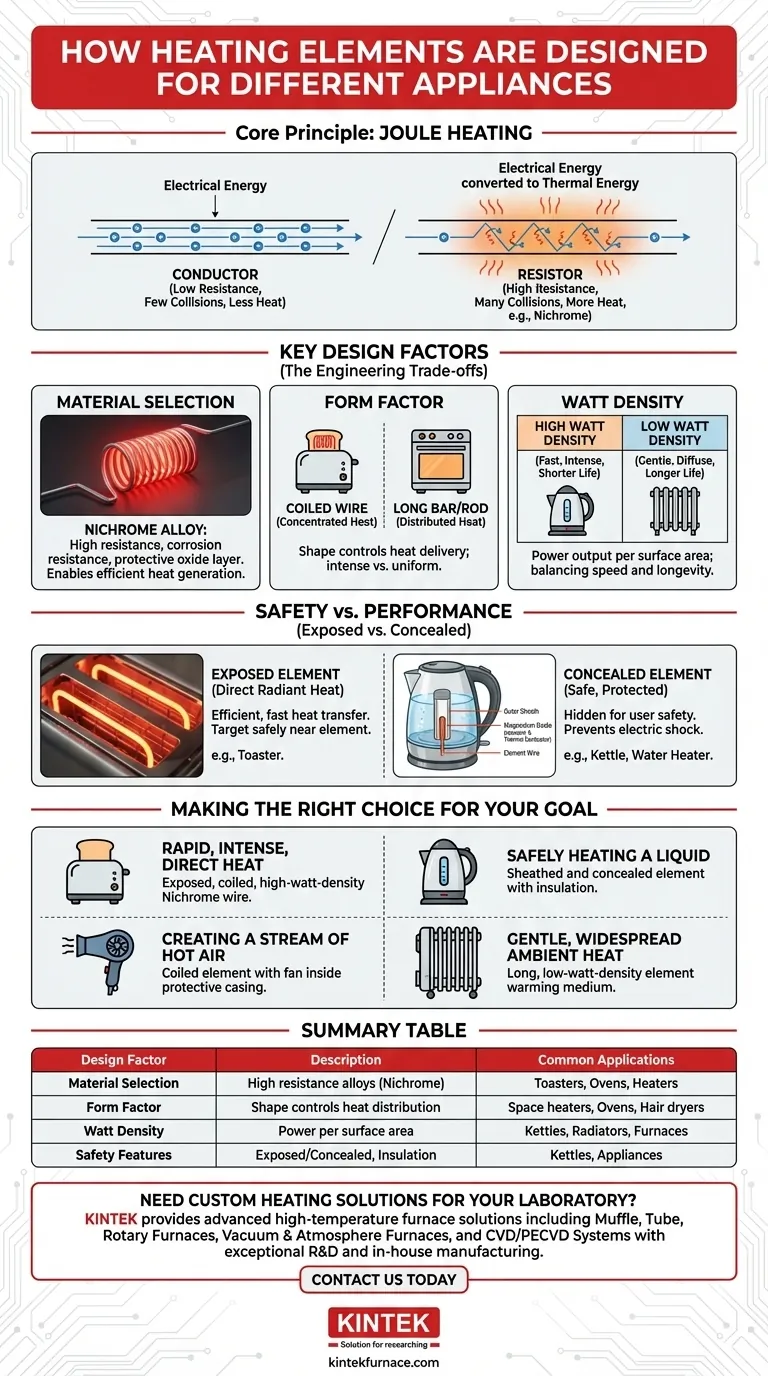
Every heater coil operates on one fundamental concept: Joule heating, also known as resistive or ohmic heating. This phenomenon occurs when electric current flows through a material that resists the movement of electrons.
What Happens When Electricity Meets Resistance
As current moves through the coil’s wire, electrons collide with atoms in the metal. These collisions increase atomic vibrations, converting electrical energy into thermal energy. The greater the resistance, the more heat gets produced. This relationship follows Joule’s Law:
Heat (Q) = I² × R × t
Where:
– Q = heat energy in joules
– I = current in amperes
– R = resistance in ohms
– t = time in seconds
This formula reveals an important detail: doubling the current quadruples the heat output. Engineers use this principle to design coils that produce specific temperature ranges safely.
Why High-Resistance Materials Matter
Standard copper wiring has very low resistance and would overheat dangerously if used for heating purposes. Heater coils use special alloys that offer high resistance while withstanding extreme temperatures. The material must generate enough heat to be useful without melting, corroding, or drawing excessive current that could trip circuits.
Key Components of a Heater Coil System
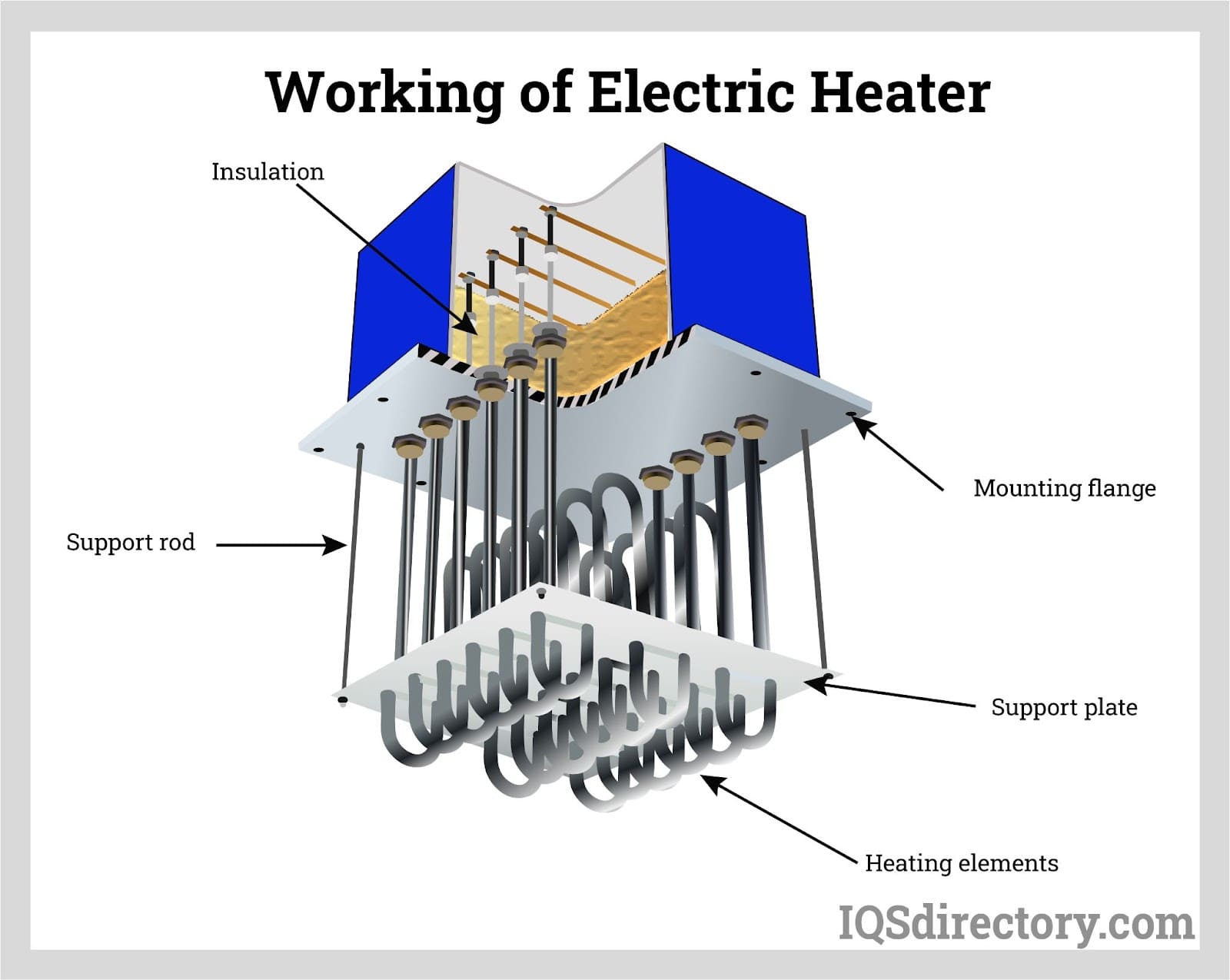
A working heater coil involves more than just a piece of wire. It’s part of an engineered system with several critical parts.
The Heating Element Wire
This is the heart of the system, typically made from metal alloys designed to handle repeated heating and cooling cycles. Common materials include:
- Nichrome (Nickel-Chromium): The most popular choice; it resists oxidation even at high temperatures
- Kanthal (Iron-Chromium-Aluminum): Common in furnaces and high-temperature appliances
- Copper-Nickel Alloys: Used in lower-temperature applications like water heaters
These alloys combine high resistivity, mechanical strength, and long-term durability.
Insulation and Support Materials
Since coils reach extremely high temperatures, they need insulation and structural support. Mica sheets, ceramic beads, or quartz tubes hold the coil in place while preventing short circuits. These materials also help direct heat outward toward the intended target.
Power Supply and Control Systems
Heater coils connect to electrical power through switches, thermostats, or electronic controllers. These components regulate current flow, turning the coil on or off and adjusting temperature based on user settings or sensor feedback.
How Coil Design Influences Performance
The physical shape and dimensions of a heater coil directly affect its efficiency, heat distribution, and operational lifespan.
Wire Gauge and Length Considerations
Thinner wires offer higher resistance per unit length, producing more heat in a compact space. Longer coils distribute heat more evenly but may require higher voltage to function properly. Engineers carefully balance these factors to match each appliance’s specific requirements.
Common Coil Shapes and Their Uses
Different applications call for different configurations:
- Helical (spiral) coils: Maximize surface area in tight spaces, commonly found in hair dryers
- Straight rod elements: Used in water heaters and industrial tanks for direct immersion heating
- Flat ribbon coils: Found in toasters and radiant heaters where broad heat distribution matters
Tightly wound coils produce concentrated, intense heat. Wider spacing allows better airflow and more even radiation across a surface.
Surface Load and Temperature Limits
Surface load measures how much power (watts) each square centimeter of coil surface emits. Exceeding the recommended surface load causes premature failure through overheating or oxidation. Proper design keeps the coil operating within safe thermal limits for its specific material.
Common Applications of Heater Coils
Heater coils appear in countless household and industrial devices.
Household Heating Appliances
Electric stoves and ovens use coils that glow red when activated, transferring heat to cookware or the oven interior. Older models feature exposed coils, while newer designs may hide them beneath glass surfaces.
Toasters and toaster ovens rely on thin nichrome wires that radiate intense heat to brown bread quickly. The wires sit close to the food for rapid conduction and infrared transfer.
Hair styling tools like straighteners and curling irons wrap coiled heating elements around ceramic or metal plates to maintain consistent temperatures during use.
Industrial and Commercial Systems
Water heaters use immersion heater rods with coiled elements that heat water directly inside storage tanks. These rods are sealed to prevent electrical contact with water while conducting heat efficiently.
Furnaces and industrial dryers contain high-power coils within duct systems to warm air for space heating or material drying processes.
Medical and laboratory equipment relies on precision heater coils to maintain stable temperatures in incubators, sterilizers, and analytical instruments.
Built-In Safety Features
Because heater coils operate at high temperatures, safety mechanisms are essential in any device that uses them.
Thermal Cut-Off Switches
These automatic switches interrupt the circuit when temperatures exceed safe limits. Some reset automatically after cooling, while others require manual replacement or reset.
Overcurrent Protection Devices
Fuses and circuit breakers prevent excessive current from damaging the coil or creating fire hazards. They serve as a critical failsafe against electrical faults.
Grounding and Quality Insulation
Proper grounding protects users from electric shock, especially in wet environments like bathrooms and kitchens. High-quality insulation prevents live electrical parts from contacting conductive surfaces or housing materials.
Maintenance and Troubleshooting Tips
Even well-designed heater coils eventually wear out. Recognizing early warning signs can extend your device’s lifespan.
Warning Signs of a Failing Coil
Watch for these indicators that your heater coil may need attention:
- No heat output: Suggests an open circuit or broken wire
- Uneven heating: Indicates damaged or sagging coil sections
- Visible damage: Look for discoloration, warping, or unusual hotspots
- Tripped breakers: Points to a short circuit or insulation failure
Cleaning and Basic Care
Dust and debris reduce heating efficiency while increasing fire risk. For accessible coils, such as those in toasters, unplug the device and gently brush away residue with a soft brush. Avoid using water or chemical cleaners unless the manufacturer specifically recommends them.
When Replacement Becomes Necessary
Heater coils generally cannot be repaired. If a multimeter test shows no continuity, replacement is the only option. Always match the new coil’s voltage rating, wattage, and physical dimensions to ensure safe operation.
Heat Transfer Methods and Efficiency

While heater coils convert nearly all electrical energy into heat, how that heat reaches you affects overall efficiency.
Three Primary Heat Transfer Methods
- Conduction: Direct contact transfers heat (like a clothing iron pressing fabric)
- Convection: Heated air circulates through space (as in fan heaters)
- Radiation: Infrared waves travel through air or vacuum (used in radiant heaters)
Many appliances combine two or more methods to maximize warmth delivery and reduce energy waste.
Practical Ways to Improve Efficiency
- Use built-in thermostats to prevent overheating
- Ensure proper airflow around heating elements
- Keep reflectors, grilles, and vents clean
- Choose well-insulated appliances that minimize heat loss
Modern Innovations in Heater Coil Technology
Recent advancements focus on improving durability, precision, and energy savings.
Smart Heating Elements
Some newer systems use microcontrollers to adjust coil output based on ambient conditions. This responsiveness reduces energy waste while maintaining more consistent temperatures.
Improved Alloy Materials
New metal blends offer longer operational life, faster heat-up times, and better corrosion resistance. These improvements matter most in humid or chemically harsh environments.
Thin-Film and Flexible Heaters
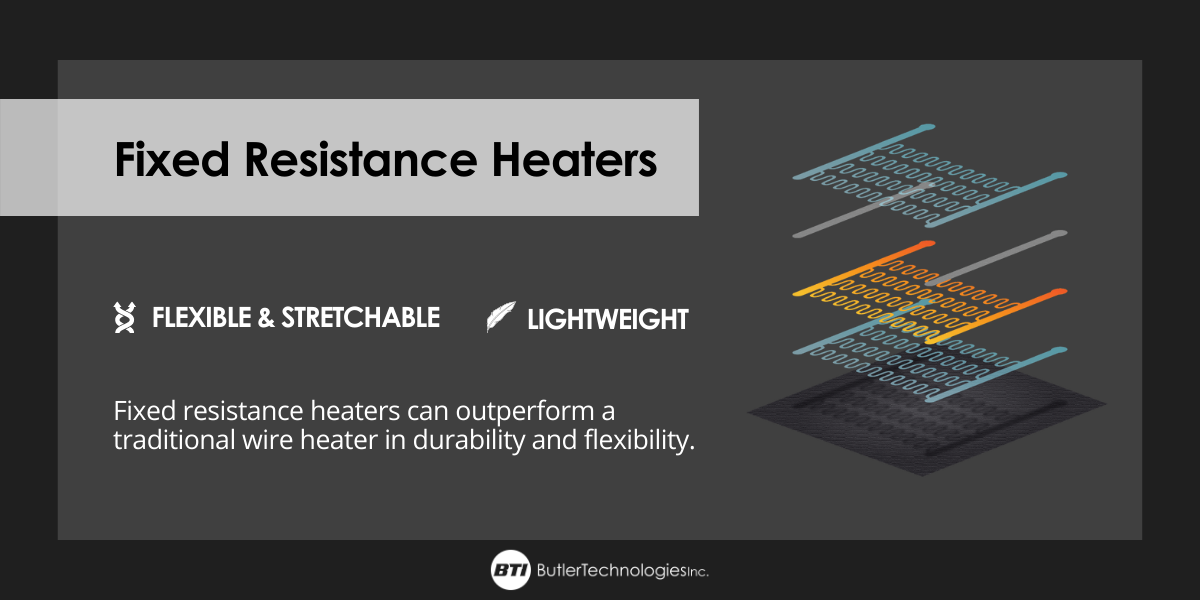
Emerging technologies use printed conductive inks or etched foil elements to create ultra-thin, bendable heating pads. You’ll find these in wearable devices, automotive mirror defrosters, and medical warming equipment.
Frequently Asked Questions About Heater Coils
What is the most common material used in heater coils?
Nichrome, a nickel-chromium alloy, is the most widely used material. It offers high electrical resistance, excellent heat tolerance, and strong resistance to oxidation at elevated temperatures.
Can a broken heater coil be repaired?
Heater coils cannot be repaired once damaged. If testing reveals no electrical continuity, the coil must be replaced with one matching the original specifications for voltage, wattage, and dimensions.
Why do heater coils glow red when hot?
The red glow comes from incandescence. As the coil’s temperature rises, it emits visible light in the red portion of the spectrum. This typically occurs when temperatures exceed 800 degrees Fahrenheit.
How long do heater coils typically last?
Lifespan varies by application and usage. In household appliances like toasters, coils may last several years with normal use. Industrial coils in continuous operation may need replacement more frequently depending on operating temperatures and duty cycles.
Are heater coils energy efficient?
Heater coils convert nearly 100 percent of electrical energy into heat, making them highly efficient at energy conversion. However, overall appliance efficiency depends on how well that heat transfers to the intended target and how much escapes as waste.
Is it safe to leave a heater coil unattended?
Most modern heaters include safety features like thermal cut-offs and tip-over switches. However, manufacturers generally recommend not leaving any heating appliance running unattended for extended periods to reduce fire risk.
Key Takeaways on How Heater Coils Work
Heater coils rely on Joule heating, where electrical resistance converts current into thermal energy. The choice of high-resistance alloys like nichrome allows coils to generate substantial heat without melting or failing prematurely. Design factors including wire gauge, coil shape, and surface load all influence performance and lifespan.
Safety features such as thermal cut-offs, circuit breakers, and proper insulation protect users from electrical and fire hazards. Regular cleaning and prompt attention to warning signs like uneven heating or tripped breakers help extend coil life. When replacement becomes necessary, matching the original specifications ensures safe, efficient operation.
For your next step, consider inspecting the heating appliances in your home. Check for dust buildup, test thermostats, and note any unusual behavior. This simple maintenance routine keeps your devices running safely and efficiently for years to come.