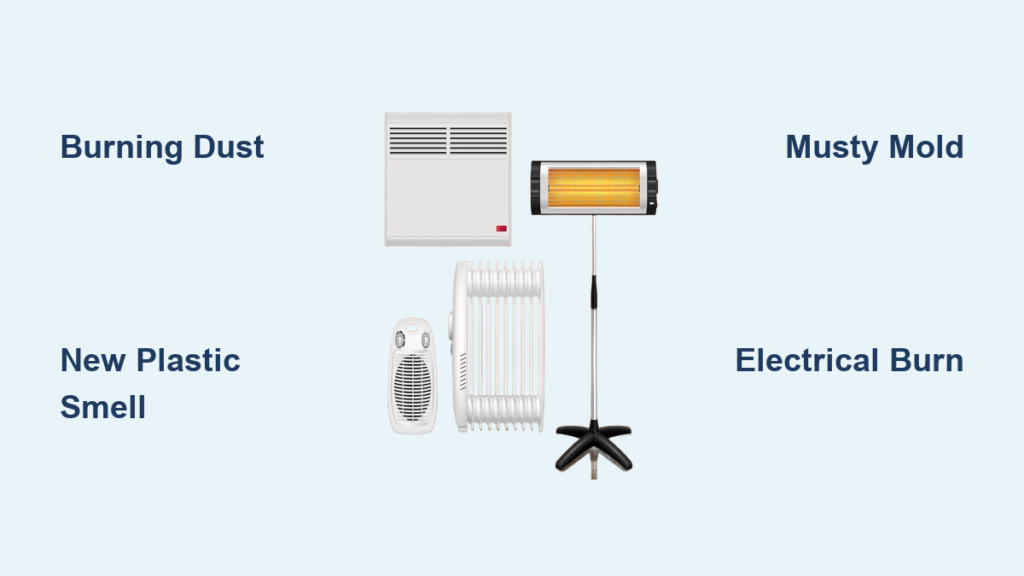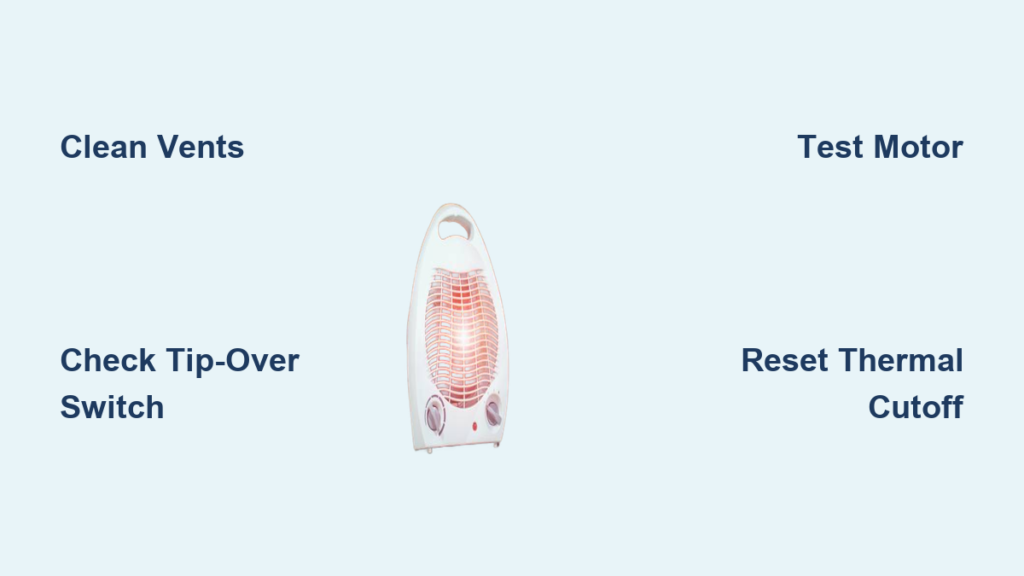

You flip the switch on your heater for the first time this season, and a sharp, chemical-like odor hits you within minutes. Your first thought is concern—something is burning, and you need answers fast.
If your heater smells like burning, you’re dealing with a common but confusing issue. In most cases, the odor comes from dust or factory coatings burning off the heating elements. However, certain smells signal real danger and require immediate action.
This guide explains exactly why your heater smells like burning, how to fix it quickly, and how to tell the difference between harmless odors and warning signs. You’ll learn what to do for new units, seasonal startups, and ongoing problems.
New Heater? Expect a Brief Burning Odor
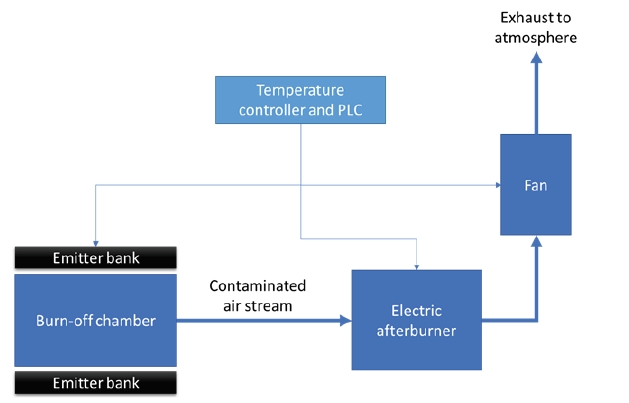
A slight burning smell during the first use of a brand-new heater is typically normal. The odor usually comes from factory-applied materials reacting to heat for the first time.
Manufacturing Residues Burn Off
Heaters are coated with protective oils, lubricants, and anti-corrosion treatments during production. These substances sit on heating coils and internal parts until you power the unit on. Once heated, they burn away and release a plastic-like or chemical smell.
This process is harmless and should stop within 30 to 60 minutes of operation.
Plastic Parts Release Initial Odors
Some internal components, including wire insulation and housing materials, contain heat-resistant plastics. When exposed to high temperatures for the first time, these materials may release a distinct smell as they stabilize.
Pro Tip: Run your new heater in a well-ventilated space for one full hour before relying on it for regular heating.
Dust Buildup Causes Burning Smells in Stored Heaters

If your heater sat unused for months, dust is the most likely reason it smells like burning when you turn it on.
Dust Burns Off Heating Elements
Fine particles settle on coils, fans, and vents during storage. Once the heater powers on, this dust heats up fast and burns, producing an acrid smell often compared to burning hair or scorched plastic.
The odor typically clears within 10 to 20 minutes.
Prevent Dust-Related Odors
- Vacuum intake grills monthly using a soft brush attachment
- Wipe the exterior with a dry or slightly damp cloth before seasonal use
- Store heaters in sealed bags or covered areas when not in use
Warning: If the burning smell continues past 30 minutes, dust is probably not the cause. Investigate further.
Quick Steps to Clear the Burning Smell
Take these immediate actions to identify and resolve the odor safely.
Ventilate the Room Right Away
Open windows and doors to push stale air outside. Turn on ceiling fans or portable fans to speed up airflow.
Good ventilation dilutes odor concentration and helps combustion byproducts clear out faster. Aim for at least 15 to 20 minutes of strong airflow while the heater runs.
Run the Heater on Low for One Hour
Set the unit to its lowest setting and let it run continuously for 30 to 60 minutes. Low heat prevents overheating, allows gradual burn-off of residues, and reduces the chance of triggering smoke alarms.
Never leave a heater unattended during this burn-off process.
Clean Intake Grills and the Exterior
Unplug the unit and wait for it to cool completely. Then follow these steps:
- Wipe the outer casing with a dry microfiber cloth
- Vacuum or brush dust from intake and exhaust vents
- Check for pet hair, lint, or debris blocking airflow
Blocked vents force the unit to overheat in specific spots, which creates stronger burning smells.
Warning Signs That Require Immediate Shutdown
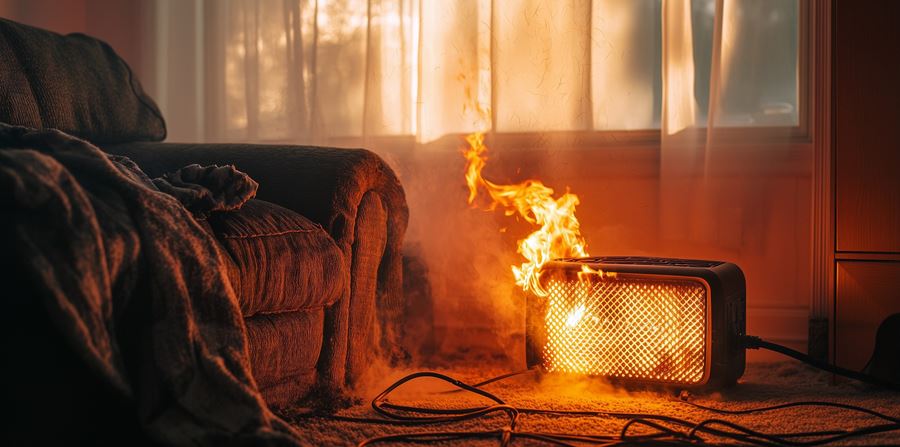
Not every burning odor is safe. Some indicate serious malfunctions that demand instant action.
Stop Using the Heater If You Notice:
- A strong, persistent chemical or rubber-like odor
- Visible smoke or sparks coming from the unit
- A sharp, acrid burning wire smell
- A tripped circuit breaker or flickering lights when the heater runs
These red flags point to electrical faults, damaged wiring, or internal component failure.
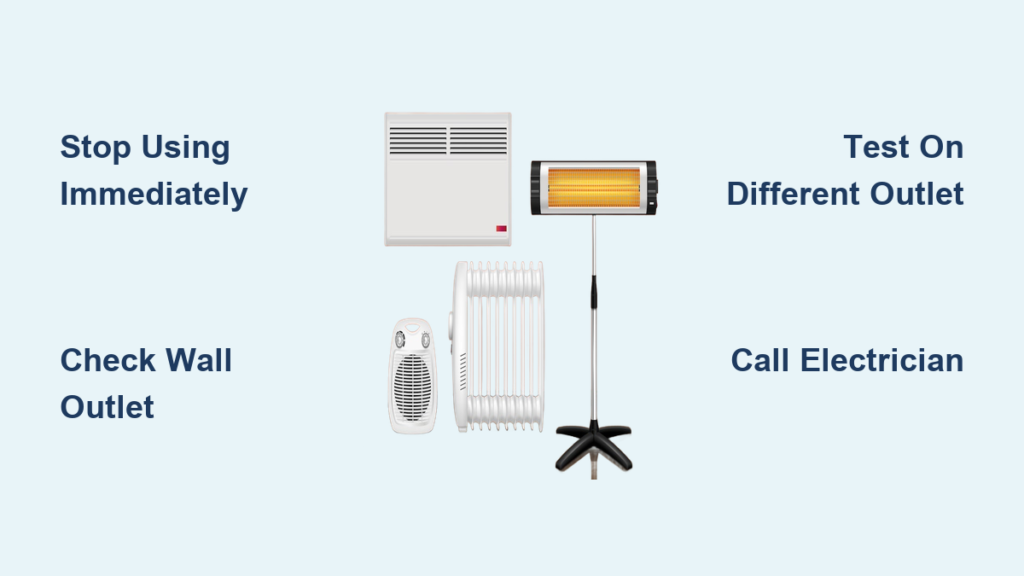
Action Step: Unplug the heater immediately. Do not use it again until a professional has inspected it.
Check for Foreign Objects Inside the Unit
Small items like paper, fabric, toys, or foil wrappers can get lodged near heating elements. Inspect all openings by looking inside intake grills, shining a flashlight into vents, and feeling for unusual obstructions.
Even a tiny piece of plastic can melt and release toxic fumes.
How Smell Sources Differ by Heater Type

The origin of a burning smell varies depending on the kind of heater you own.
Electric Space Heaters
Most common causes include:
- Dust on quartz tubes or ceramic elements
- Manufacturing oils burning off during initial use
- Overheated plastic housing from blocked vents
These units are usually safe if the smell disappears quickly.
Baseboard Heaters
Typical issues include:
- Dust buildup along long heating fins
- Debris caught in wall-mounted units
- Paint or drywall dust from recent renovations
Run baseboard heaters for 30 minutes with windows open during the first seasonal use.
Furnace and Central Heating Systems
A brief dusty smell when starting the furnace in fall is normal, but a plastic or rubber odor is not.
Concerning signs include:
- Burning smell lasting more than 10 minutes
- Musty undertones suggesting dirty ducts
- Odor spreading through multiple rooms
Schedule a professional HVAC inspection if the smell persists.
How Long Should a Burning Smell Last?
Timing helps you judge whether the odor is harmless or hazardous.
| Duration | Likely Cause | Recommended Action |
|---|---|---|
| First 5 to 10 minutes | Dust burn-off | Ventilate and monitor |
| 10 to 30 minutes | Residue burn-off (new units) | Let it run, keep area clear |
| Over 30 minutes | Possible malfunction | Turn off, inspect, delay use |
| Recurring each use | Chronic dust or defect | Deep clean or replace |
Rule of Thumb: Any burning smell should vanish after the first few uses. If it returns weekly, an ongoing issue exists.
Prevent Burning Smells With Simple Maintenance
Avoid repeat problems with these easy habits.
Clean Before Every Heating Season
Unplug the heater, let it cool, and complete these tasks:
- Wipe down all surfaces
- Vacuum vents and coils
- Remove pet hair from fan blades
Repeat this process halfway through the season for best results.
Maintain Clearance Around the Heater
Keep at least 3 feet of space on all sides of the unit. Avoid placing heaters near curtains, furniture, rugs, or laundry. Restricted airflow causes overheating and unusual odors.
Replace Aging or Damaged Units
Heaters older than 5 to 7 years often lose efficiency and safety features. Consider upgrading if the unit cycles erratically, emits frequent odors, or lacks current safety certifications like UL or ETL labels.
Modern models include tip-over switches, overheat protection, and cooler exterior surfaces.
When to Call a Professional
Some issues go beyond basic cleaning and ventilation.
Seek expert help if:
- The smell continues after multiple cleanings
- You suspect internal wiring damage
- The heater trips breakers or produces sparks
- The problem involves a built-in system like a furnace or ducted heat
For central heating, schedule an annual HVAC tune-up to catch hidden hazards early.
Certified technicians can inspect motors, belts, wiring, and ductwork before small issues become dangerous.
Frequently Asked Questions About Heater Burning Smells
Is it normal for a new heater to smell like burning?
Yes. A mild burning odor during the first use of a new heater is normal. It comes from manufacturing residues, protective coatings, and dust burning off the heating elements. The smell should fade within 30 to 60 minutes and disappear completely after a few uses.
How long should a heater smell like burning when first turned on?
The smell should last no more than 30 to 60 minutes during the initial burn-off period. If the odor continues beyond one hour or returns with every use, stop using the heater and inspect it for damage or deeper issues.
Why does my heater smell like burning plastic?
The plastic smell usually comes from dust, manufacturing oils, or plastic components heating up for the first time. In new heaters, this is temporary. In older units, it may indicate melting insulation or wiring damage, which requires immediate shutdown and professional inspection.
Can a burning heater smell be dangerous?
Yes, certain smells are dangerous. A strong, persistent chemical odor, burning rubber scent, or burning wire smell can signal electrical faults or fire hazards. Visible smoke, sparks, or tripped breakers also indicate serious problems. Unplug the heater and contact a professional in these cases.
How do I stop my heater from smelling like burning?
Ventilate the room, run the heater on low for 30 to 60 minutes, and clean the intake grills and exterior. For recurring smells, deep clean the internal components or replace aging units. Persistent odors warrant a professional inspection.
Should I turn off my heater if it smells like burning?
If the smell is mild and fades within 30 minutes, ventilation and cleaning usually resolve it. If the odor is strong, persistent, or accompanied by smoke or sparks, turn off and unplug the heater immediately. Do not use it again until it has been inspected.
Key Takeaways for Fixing a Heater That Smells Like Burning
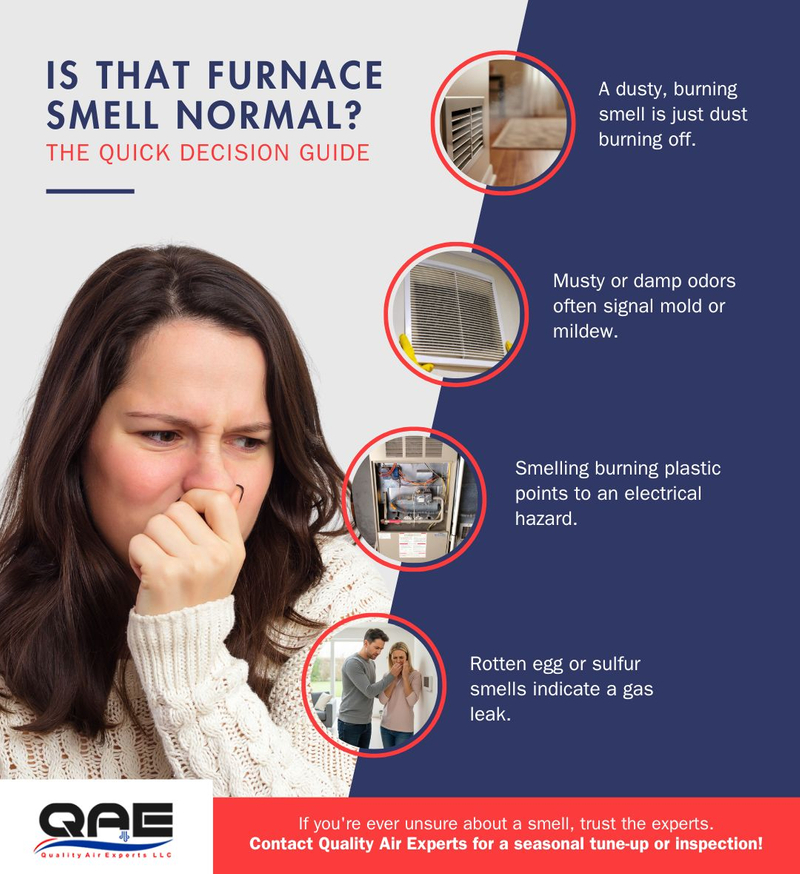
A heater smells like burning most often because of dust or factory residues burning off during initial or seasonal use. Ventilating the room, running the heater on low for 30 to 60 minutes, and cleaning the vents usually clears the odor quickly.
However, strong, persistent, or chemical-like smells signal electrical problems or component failure. In these cases, unplug the heater immediately and seek professional help before using it again.
Your next step: inspect your heater today, clean the intake grills, and run it on low in a ventilated space. If the smell lingers beyond an hour, stop using the unit and contact a certified technician. Safe heating starts with quick action and regular maintenance.