
Your heater fails to ignite just as the temperature drops. Cold air blows instead of warmth, and no amount of thermostat adjustments seem to help. You are not alone. A heater ignition not working issue ranks among the most common HVAC problems during colder months. Whether you own a furnace, boiler, or wall heater, ignition failure cuts off heat at the source. The good news is that most causes are diagnosable and fixable without an immediate service call.
This guide walks you through the top reasons your heater will not ignite, step-by-step troubleshooting, and practical fixes you can perform yourself. From checking power sources to inspecting flame sensors, you will learn how to restore heat quickly. If you have ever wondered why your heater clicks but does not fire up, or why the burner will not light, this is your complete action plan.
Check Power and Thermostat Settings

Before diving into complex repairs, confirm the basics. Many ignition failures stem from simple oversights in power or control settings.
Verify Thermostat Mode and Batteries
Ensure the thermostat is set to Heat mode and the temperature is set above room temperature by at least 5°F. A common mistake is leaving the thermostat in Auto fan mode or accidentally switching to Cool.
If your thermostat is battery-powered, replace the batteries even if the display appears on. Weak batteries can prevent signal transmission to the furnace. For smart thermostats, check Wi-Fi connectivity and system status alerts.
Confirm Power Supply to Heater
Locate the furnace main power switch, usually a toggle near the unit or on a nearby wall. Make sure it is in the On position. Some systems use a pull cord or a breaker-style switch that can be accidentally turned off.
Next, check the circuit breaker panel. Look for a tripped breaker labeled “Furnace,” “HVAC,” or “Heater.” If tripped, switch it fully off, then back on. Wait 30 seconds before restoring power to reset the system.
Pro Tip: After resetting the breaker, listen for a soft hum or click from the furnace. This indicates power has been restored and the system is attempting to start.
Inspect the Ignition Sequence
Modern heaters use electronic ignition systems instead of standing pilots. Understanding how your system starts helps identify where the process fails.
Identify Ignition Type: Hot Surface or Intermittent Pilot
Most furnaces use one of two electronic ignition types:
- Hot Surface Igniter (HSI): A ceramic or silicon carbide rod glows red-hot to ignite gas
- Intermittent Pilot (IP): A small pilot flame lights first, then ignites the main burner
To determine which your system uses, remove the furnace access panel and observe during startup. If you see a bright orange glow near the burners, it is a hot surface igniter. If you hear repeated clicking and a brief pilot flame, it is an intermittent pilot system.
Note: Hot surface igniters fail more frequently than pilot-based systems due to thermal stress.
Listen for Ignition Sounds
Turn the thermostat up and listen closely:
- A clicking sound followed by a whoosh means ignition succeeded
- Repeated clicking without ignition may indicate a faulty spark module or dirty pilot
- No sound at all suggests no gas flow, power issue, or failed control board
If the igniter glows but the gas does not ignite, the problem likely lies with the gas valve, pressure, or safety sensors.
Examine the Flame Sensor

A dirty or faulty flame sensor is a leading cause of ignition failure. It shuts off the gas supply if it does not detect a flame. This is a safety feature, but it can malfunction.
Locate and Remove the Flame Sensor
The flame sensor is a thin metal rod mounted near the burner assembly, typically secured with a single 1/4-inch screw. Turn off power before touching any components.
Carefully disconnect the wire connector and unscrew the sensor. Avoid bending or damaging it during removal.
Clean with Fine Grit Sandpaper
Over time, oxidation and carbon buildup prevent proper flame detection. Use 400-grit sandpaper or a fiberglass brush to gently polish the sensor rod from base to tip.
Do not use steel wool. It leaves conductive fibers that can short the sensor.
Wipe clean with a dry cloth and reinstall securely. Restore power and test the system.
Success Tip: If the furnace ignites after cleaning, the flame sensor was likely the culprit. Clean it annually as preventive maintenance.
Assess Gas Supply and Valve

No gas means no ignition. Even with power and a working igniter, fuel must reach the burner.
Ensure Gas Shutoff Valve is Open
Locate the gas shutoff valve near the furnace. It is usually a lever-type valve on a copper or black iron pipe. When the lever is parallel to the pipe, gas flows. When perpendicular, it is shut off.
Accidental bumps or prior maintenance can leave the valve closed. Rotate it to the open position and ensure no obstructions block the line.
Check for Gas Odor (Use Caution)
If you smell rotten eggs, which is the added odorant in natural gas, do not operate the heater. Evacuate and call your gas company immediately.
For normal operation, absence of gas flow without odor may indicate a closed upstream valve, utility interruption, or failed gas valve inside the furnace.
Test Gas Valve Operation
With power on and thermostat calling for heat, listen for a soft click from the gas valve after the igniter glows. This indicates the valve is attempting to open.
No click? The valve may be defective or not receiving signal from the control board. A multimeter test for 24V AC at the valve terminals can confirm signal delivery.
Diagnose Pressure and Venting Issues
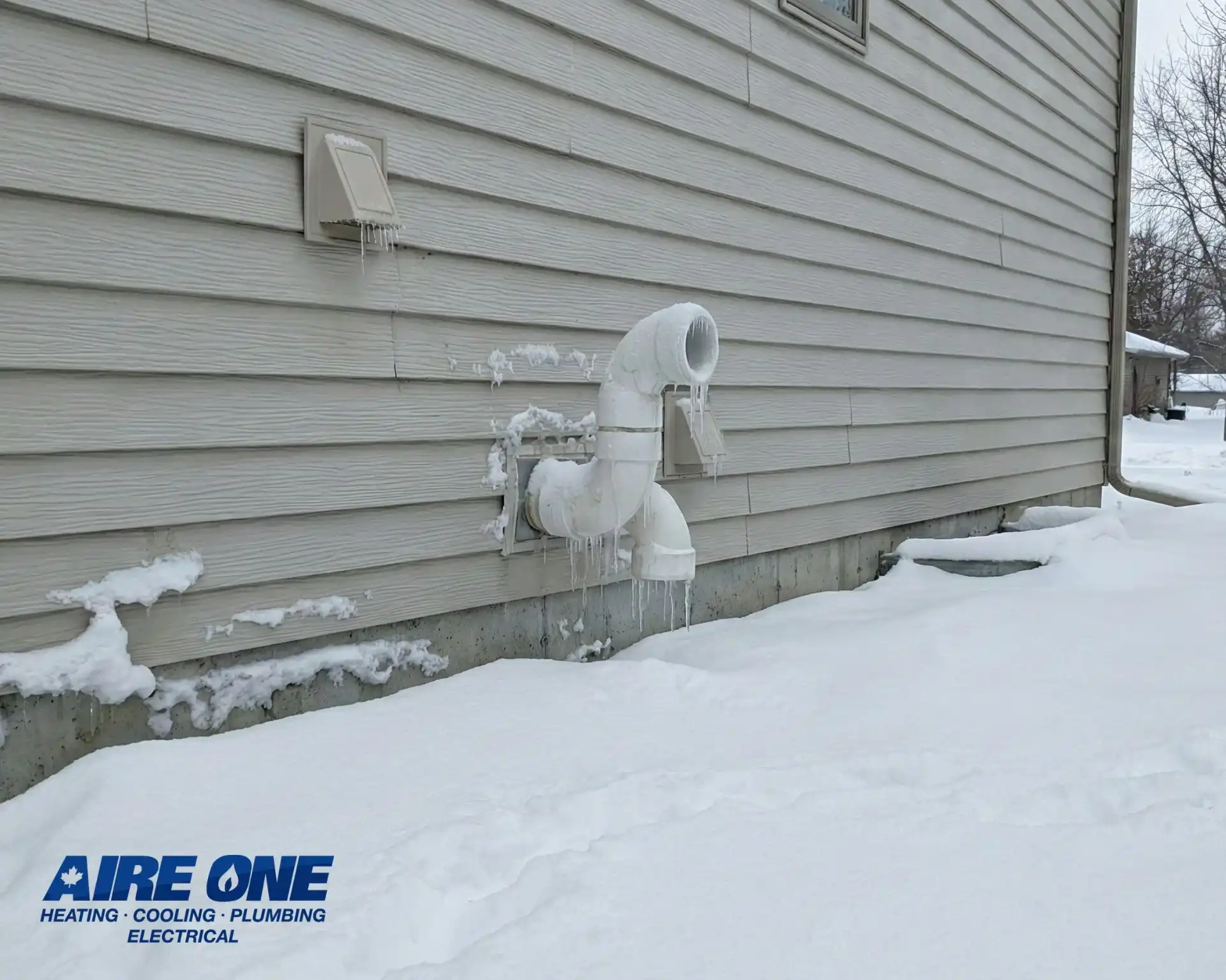
Modern heaters will not ignite if exhaust or intake vents are blocked. Safety switches monitor airflow and prevent operation if unsafe.
Inspect Air Intake and Exhaust Pipes
Locate the PVC or aluminum pipes running from the furnace to the outside. Check both ends for:
- Bird nests
- Ice blockages (common in winter)
- Debris or snow cover
Remove any obstructions and ensure pipes are securely connected. A disconnected vent triggers a pressure switch fault.
Test the Pressure Switch
The pressure switch confirms proper draft before allowing ignition. If blocked or faulty, it prevents startup.
Use a multimeter to test for continuity across the switch terminals when the inducer motor runs. If no continuity, the switch is open, indicating blockage or failure.
Quick Fix: Blow through the tubing connected to the pressure switch to clear moisture or clogs. Replace cracked or brittle tubes.
Evaluate the Inducer Motor
The inducer motor creates draft to pull exhaust gases out before ignition. If it fails, the system will not proceed.
Listen for Inducer Motor Start
When the thermostat calls for heat, the inducer motor should start within 30 seconds, producing a low hum or whirring sound.
No sound? Check:
- Power to the motor
- Tripped fuse (if equipped)
- Burnt wiring or loose connections
Inspect for Obstruction or Wear
Turn off power and remove the inducer assembly. Check the fan wheel for debris, rust, or seizing. Spin it manually; it should rotate freely.
A seized motor or cracked housing requires replacement. Lubrication is not recommended on sealed units.
Warning: A failed inducer motor often mimics ignition failure. Always verify its operation before replacing costly parts like igniters or control boards.
Test Electrical Components
Faulty wiring, blown fuses, or failed control boards disrupt the ignition sequence.
Check for Blown Fuse on Control Board
Many furnaces have a 3 to 5 amp fuse on the control board to protect low-voltage circuits. A tripped limit switch or short can blow it.
Use a multimeter to test for continuity. If blown, replace with the same rating. Investigate underlying causes such as overheating or short circuits before restoring power.
Inspect Wiring and Connections
Loose, corroded, or disconnected wires halt communication between components. Focus on:
- Thermostat wires at the furnace
- Igniter and flame sensor connections
- Gas valve and pressure switch terminals
Tighten loose screws and reconnect any unplugged wires. Look for signs of melting or charring and replace damaged wires immediately.
Suspect Control Board Failure
If all other components test good but the system will not ignite, the control board may be faulty.
Symptoms include:
- No response to thermostat call
- Intermittent operation
- Erratic blinking LED codes
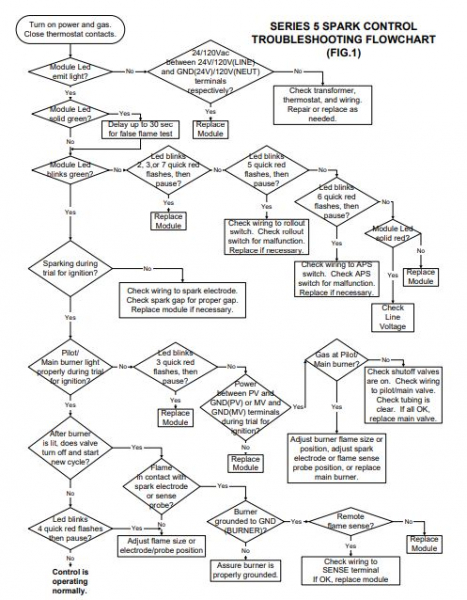
Refer to the furnace diagnostic code chart, usually on the access panel, to interpret flash patterns. A blinking light can confirm board-level faults.
Note: Control board replacement requires technical skill. Consider professional help unless experienced.
Review Safety Limit Switches
Limit switches shut down the system if overheating or airflow issues occur. A tripped switch blocks ignition.
Understand Types of Limit Switches
- High-limit switch: Cuts power if furnace overheats
- Rollout switch: Detects flame outside combustion chamber
- Auxiliary limit switch: Monitors secondary heat exchanger
A tripped switch resets automatically when the cause is resolved, but repeated tripping indicates an underlying problem.
Diagnose Recurring Trips
Common causes include:
- Dirty air filter restricting airflow
- Blocked vents or registers
- Failing blower motor
- Cracked heat exchanger
Replace the air filter first. If the issue persists, inspect ductwork and blower function.
Critical: A repeatedly tripping rollout switch may indicate a dangerous condition. Call a technician.
Prevent Future Ignition Failures
Regular maintenance avoids most ignition issues before they leave you in the cold.
Schedule Annual Professional Tune-Up
A certified HVAC technician should inspect:
- Heat exchanger integrity
- Gas pressure and combustion efficiency
- Electrical connections and safety controls
This ensures safe, efficient operation and catches small issues early.
Perform DIY Maintenance Monthly
- Replace air filter every 1 to 3 months
- Keep area around furnace clear
- Vacuum debris from burners and blower compartment (with power off)
- Check pilot or igniter condition visually
Pro Tip: Set phone reminders for filter changes and fall tune-ups.
Monitor for Warning Signs
Act early if you notice:
- Longer start-up times
- Frequent cycling
- Unusual noises such as banging or squealing
- Yellow pilot flame (should be blue)
These signal declining performance and potential ignition failure.
Frequently Asked Questions About Heater Ignition Problems
Why does my heater click but not ignite?
Repeated clicking without ignition usually points to a dirty flame sensor, faulty igniter, or gas supply issue. Start by cleaning the flame sensor with fine sandpaper and verifying the gas valve is open.
Can a thermostat cause ignition failure?
Yes. Incorrect mode settings, dead batteries, or loose wiring at the thermostat can prevent the furnace from receiving a call for heat. Always verify thermostat settings before troubleshooting internal components.
How do I know if my igniter is bad?
A bad hot surface igniter may glow dimly, crack, or fail to glow at all. If the igniter does not heat up during the startup sequence, it likely needs replacement.
Is it safe to keep resetting the furnace?
Repeatedly resetting a malfunctioning furnace is not recommended. It can mask serious issues like overheating or gas leaks. If the system fails to start after two or three attempts, call a professional.
What does a yellow pilot flame mean?
A yellow flame indicates incomplete combustion, often caused by a dirty burner or insufficient oxygen. This can produce carbon monoxide and should be addressed immediately by a technician.
Key Takeaways for Fixing Heater Ignition Problems
Start your troubleshooting with the simplest checks: thermostat settings, power supply, and flame sensor condition. These three areas resolve the majority of heater ignition not working cases. Move on to gas valves, pressure switches, and electrical components only if the basics check out.
Schedule annual maintenance and replace your air filter regularly to prevent future breakdowns. If you smell gas, see a yellow flame, or encounter repeated system trips, stop troubleshooting and contact a licensed HVAC professional. Staying proactive keeps your heater running safely and your home warm all season long.