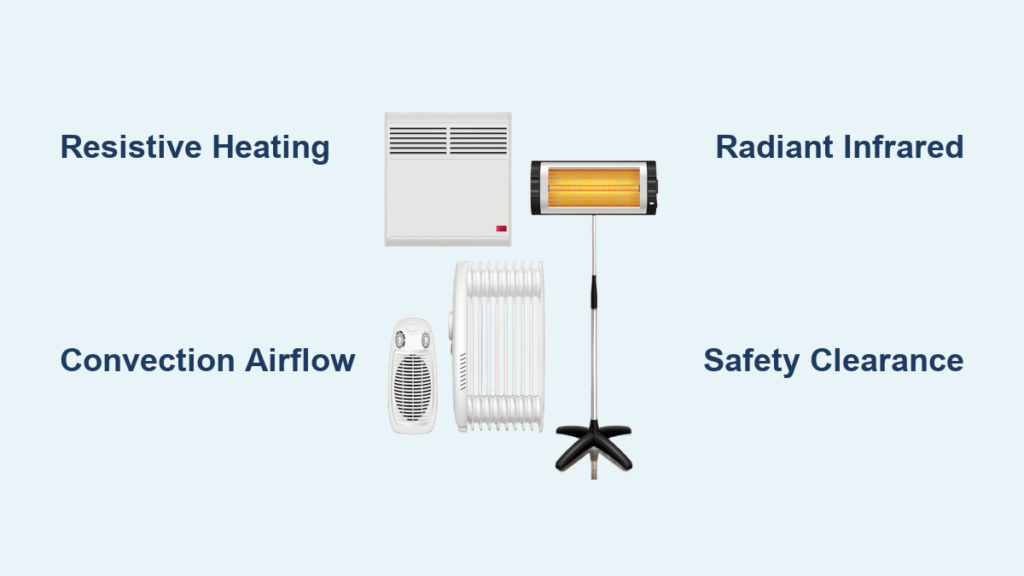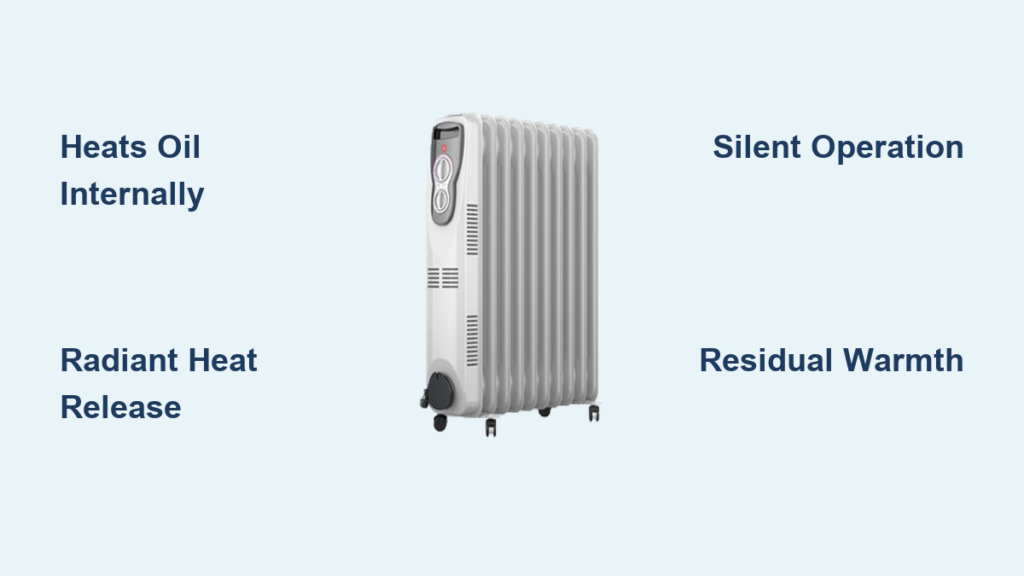

You step into a chilly room and see the radiator sitting silently against the wall. You reach for the knob, turn it, and wait. Nothing happens, or maybe just a faint warmth creeps across the metal. Knowing how to use a radiator heater the right way removes that guesswork and keeps your space cozy without wasting energy. This guide walks you through every step, from opening the valve to getting the most heat from your unit, so you stay comfortable all season long.
Open the Radiator Valve the Right Way
The valve controls everything. It is the gateway that lets hot water flow from your building’s central heating system into the radiator. Get this step right, and the rest is easy.
Turn the Dial Counterclockwise to Start Heating
Rotating the valve counterclockwise opens it and allows hot water to enter the radiator’s internal pipes. As water fills the unit, the metal fins heat up and begin radiating warmth into the room. On most manual valves, a single full turn is enough to get things going.
Close Clockwise to Stop the Flow
When you want to shut off heat, turn the dial clockwise. This stops hot water from entering the radiator, and the unit gradually cools down. Closing the valve in unused rooms saves energy and prevents unnecessary heating.
Pro Tip: Never force a stuck dial. If the valve resists turning, stop and contact maintenance to avoid breaking the mechanism.
Understand Your Building’s Heating Season
Your radiator only works when the central heating system is active. Knowing when that happens prevents frustration when your unit stays cold.
Heating Runs from Autumn Through Spring
Most buildings run their heating systems from late autumn to early spring, usually October through April. During this window, hot water circulates through radiators on a schedule controlled by a central thermostat or building management system.
No Heat During Warmer Months
Outside heating season, the central system shuts down completely. Even with your valve wide open, no hot water flows, so your radiator stays cold. This is intentional and designed to save energy during mild weather.
Check for Seasonal Exceptions
Some buildings allow limited heating during unexpected cold snaps. If temperatures drop sharply outside the normal window, ask your landlord or building manager whether emergency heating is available.
Maximize Heat Output in Your Room
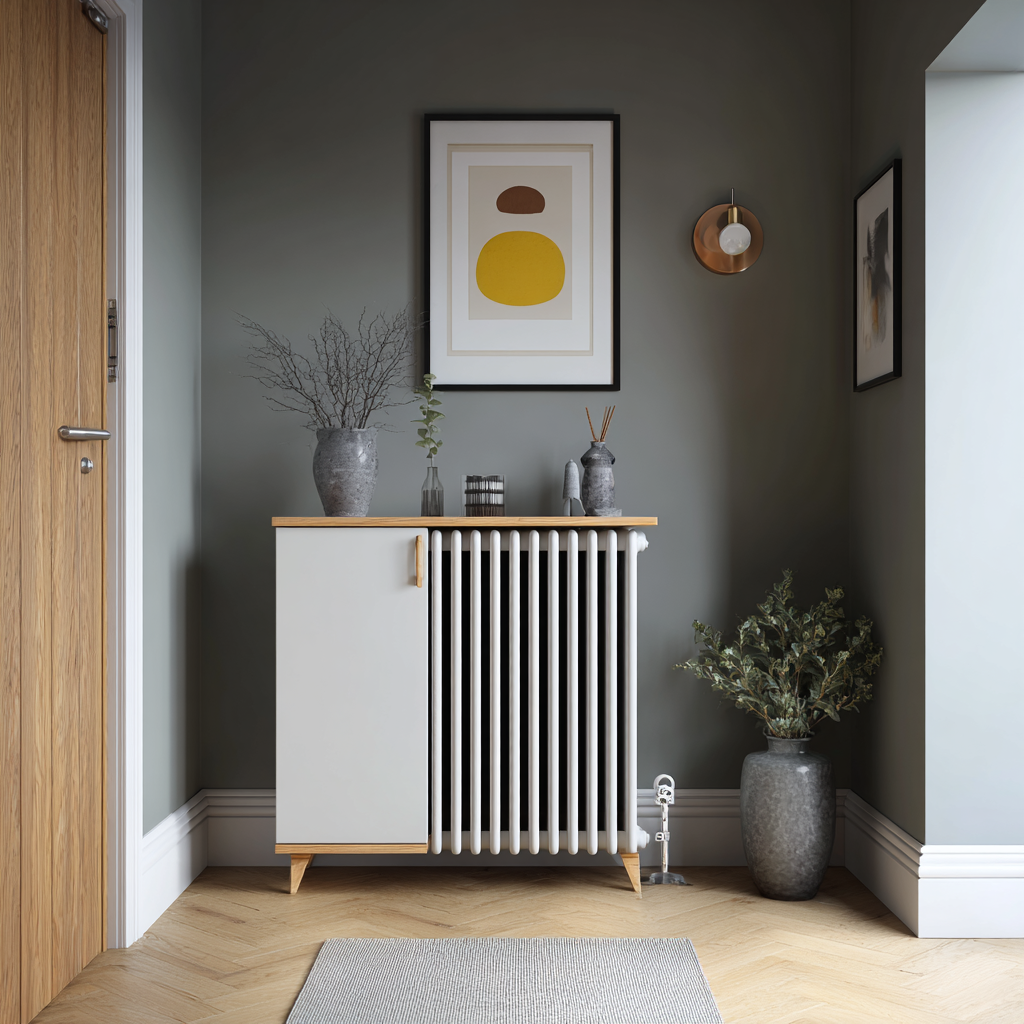
Small changes in how you set up your space can dramatically improve how a radiator heater performs. Heat needs room to circulate, and blocking it costs you comfort.
Keep Furniture at Least 12 Inches Away
Sofas, cabinets, or curtains placed too close trap heat against the wall. Maintain at least 12 inches (30 cm) of clearance in front of and above the radiator. This lets warm air rise and spread evenly across the room.
Skip Drying Clothes on the Radiator
Hanging wet clothes over the radiator feels efficient, but it traps moisture and reduces heat output. Over time, dampness can also damage the radiator’s finish. Use a drying rack placed a few feet away instead.
Add a Reflective Panel Behind the Unit
If your radiator sits on an exterior wall, install a foil-backed reflective panel behind it. These simple boards bounce heat back into the room instead of letting it escape through the wall. They are inexpensive and can improve efficiency by up to 25%.
Identify Your Valve Type

Different valves give you different levels of control. Knowing which one you have helps you fine-tune your comfort.
Manual Valves Offer Simple On/Off Control
Manual valves require you to open or close them by hand. There is no temperature sensing, just full heat, no heat, or something in between. These are common in older buildings and rely on your judgment to avoid overheating.
Thermostatic Valves Adjust Automatically
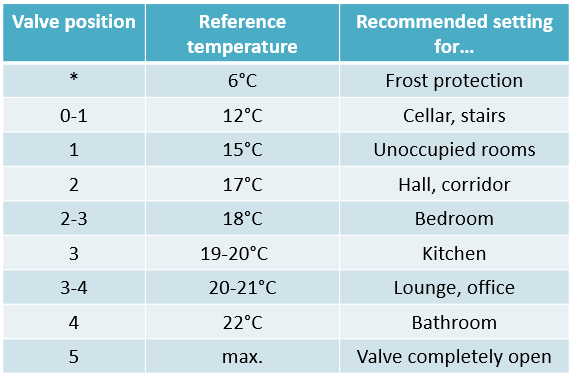
Thermostatic radiator valves (TRVs) sense the room temperature and adjust water flow to maintain your chosen setting. Most use a scale of 1 to 5, with 3 being average room temperature.
Note: TRVs read the air right around them. Avoid covering them with curtains or placing lamps nearby, since heat sources can throw off the reading.
Smart Valves Allow Remote Control
Modern systems may include smart TRVs that connect to an app. You can schedule heating times, monitor energy use, and adjust settings from your phone. These work well for people who want precise control without manual adjustments.
Troubleshoot Common Radiator Problems
Even with proper use, radiators sometimes underperform. Most issues are easy to fix without calling a professional.
Radiator Cold at the Top but Hot at the Bottom
Trapped air is usually the culprit. The air blocks hot water from filling the upper portion of the unit. Bleed the radiator using a radiator key: turn off the heating, then slowly open the bleed valve at the top corner until you hear a hiss and see water drip. Close it right away and restart the system.
Only One Room Stays Cold
First, check that the valve is fully open. If it is, the issue may be an unbalanced system where some radiators receive priority water flow. Contact building maintenance to adjust the flow valves if the problem persists.
Strange Noises Like Gurgling or Tapping
Gurgling usually means trapped air, which bleeding can fix. Tapping or knocking may indicate high water pressure or an uneven radiator. Make sure the unit tilts slightly toward the valve so water drains properly.
Use Timing and Temperature Wisely
Smart timing keeps you comfortable while keeping energy use in check. You do not need to heat every room all day.
Coordinate with Your Building’s Schedule
If your building uses a programmable central thermostat, align your radiator use with its settings. Turn units on before you arrive home and lower them during the day when the apartment is empty.
Create Heat Zones with TRVs
Close valves in guest rooms or storage areas and keep them open in the rooms you use most. This directs hot water where it matters and avoids wasting energy on empty spaces.
Aim for 18–21°C (64–70°F)
This range offers comfort without overspending on energy. Higher settings use significantly more power without much added warmth. A basic room thermometer helps you verify the actual temperature.
Prevent Problems with Simple Maintenance

A little care goes a long way toward keeping your radiator heater running smoothly for years.
Bleed Radiators Once a Year
Before the first cold spell, bleed all radiators to release trapped air. Do this when the heating is off and the units are cool. Annual bleeding ensures even heating and reduces strain on the system.
Dust the Surface Regularly
Dust buildup on the fins blocks heat transfer. Use a vacuum brush attachment or a damp cloth to clean the radiator every few months. Skip harsh cleaners that can corrode the metal.
Inspect for Leaks and Rust
Check valve connections and pipe joints for moisture or corrosion. If you spot a leak, shut off the radiator and notify maintenance immediately. Small drips can turn into costly water damage if ignored.
Quick Checklist When Your Radiator Won’t Heat
If your radiator stays cold even with the valve open, run through these steps before calling for help.
Confirm the Heating System Is Running
Make sure the building’s central heating is active. Outside heating season, no hot water circulates, so the radiator cannot produce heat. Contact your building manager if activation seems delayed.
Check the Valve Position
Ensure the dial is turned counterclockwise and fully open. On TRVs, make sure the head is not jammed or blocked by dust.
Test Other Radiators in Your Home
If every radiator is cold, the issue is system-wide. If only one unit is affected, the problem is local, possibly due to trapped air, a blockage, or an unbalanced flow.
Contact Maintenance for Persistent Issues
If bleeding and valve checks do not solve the problem, reach out to your building’s heating engineer. They can inspect for sludge buildup, pressure issues, or valve failure.
Frequently Asked Questions About Radiator Heaters
Why is my radiator cold even when the valve is open?
The building’s central heating system may not be active. Radiators only work during the official heating season, typically October through April. Outside this window, no hot water circulates, so your radiator stays cold regardless of valve position.
How do I know if my radiator has air trapped inside?
A radiator that is hot at the bottom but cold at the top usually has trapped air. You may also hear gurgling sounds. Bleeding the radiator with a radiator key releases the air and restores even heating.
Can I use a radiator heater to dry clothes?
It is best to avoid this. Hanging clothes on the radiator traps moisture, reduces heating efficiency, and can damage the unit’s finish over time. Use a drying rack placed nearby instead.
What temperature should I set my radiator to?
Aim for 18–21°C (64–70°F) for a balance of comfort and efficiency. Higher settings use more energy without adding much warmth. If you have a TRV, a setting of 3 typically corresponds to this range.
How often should I bleed my radiator?
Once a year, before the heating season begins, is usually enough. Bleeding removes trapped air and helps the radiator heat evenly. Do this when the heating is off and the unit is cool.
Do radiator heaters use a lot of electricity?
Radiator heaters connected to a central system use hot water from the building’s boiler rather than electricity directly. Your energy costs depend on the building’s heating system and how efficiently you manage valve settings and room temperatures.
Key Takeaways for Using a Radiator Heater
Using a radiator heater effectively comes down to three things: turning the valve correctly, understanding your building’s heating schedule, and giving the unit room to work. Open the valve counterclockwise to start heating and clockwise to stop. Remember that radiators only function during the official heating season, so a cold unit in summer is completely normal. Keep furniture and curtains at least 12 inches away, avoid drying clothes on the unit, and consider a reflective panel for exterior walls. Bleed your radiators annually, dust them regularly, and inspect for leaks to keep everything running smoothly. With these habits, you will stay warm all season without wasting energy or calling for unnecessary repairs.