
A portable propane heater is a reliable source of warmth for camping trips, garages, or emergency heating until it stops working. When your heater won’t light, shuts off unexpectedly, or produces weak heat, it can leave you in the cold, literally. The good news is that most common problems have simple fixes you can do yourself. Whether you’re troubleshooting a stubborn ignition, a flickering yellow flame, or a sudden shutdown, this guide walks you through propane heater repair steps that are safe, effective, and based on real-world diagnostics. You’ll learn how to identify issues, make quick repairs, and know when it’s time to replace the unit.
Let’s dive into the most frequent problems and how to fix them. In most cases, no technician is needed.
Heater Won’t Light
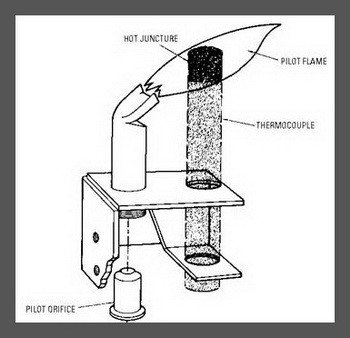
When your propane heater fails to ignite, the issue usually lies in fuel delivery, ignition, or blockages. Start with these targeted checks.
Confirm Propane Supply
- Check tank level: Shake the tank gently. If it feels very light, refill or replace it.
- Test gas flow: Open the valve slowly. A hissing sound means gas is flowing. No sound means the tank may be empty or the regulator stuck.
- Ensure proper connection: Reconnect the hose firmly to both tank and heater. Use only compatible, certified connections.
⚠️ Never use adapters or mismatched fittings. They increase leak risk.
Inspect Hose and Connections for Leaks
- Apply soapy water to all joints, including tank valve, regulator, and hose ends.
- Look for bubbles. They indicate a leak.
- Tighten connections with a wrench if leaking. If bubbles persist, replace the hose or regulator.
✅ Pro Tip: Do this test outdoors and with the heater off.
Clean Pilot and Burner Orifice
- Remove the burner cover and inspect the pilot tube and burner ports.
- Use a soft brush or compressed air to clear debris.
- For clogs, gently insert a brass wire (not steel) into the orifice to dislodge buildup.
❌ Avoid using sharp objects. They can damage the orifice and affect gas flow.
Test the Ignition System
For piezo ignition models:
– Press the igniter and watch for a spark.
– If no spark, clean the electrode tip with a dry cloth.
– Ensure the electrode is 0.125 to 0.25 inches (3 to 6 mm) from the pilot.
For battery-powered models:
– Replace batteries even if they seem functional.
– Check for corrosion in the battery compartment. Clean with vinegar and a brush.
🔧 Expert Note: Weak sparks often stem from misalignment or grime, not faulty igniters.
Yellow or Orange Flame

A healthy propane flame should be mostly blue, with slight yellow tips. A fully yellow or orange flame signals incomplete combustion, which is a safety hazard that reduces efficiency and increases carbon monoxide risk.
Clear Air Intake Blockages
- Inspect intake grills on the heater’s sides or base.
- Use a vacuum or brush to remove dust, lint, or spider webs.
- Ensure 36 inches of clearance around all vents during use.
Clean the Burner Tube and Orifice
- Turn off and cool the heater completely.
- Remove the burner assembly (consult manual if needed).
- Blow out debris with compressed air.
- Soak in warm, soapy water if heavily soiled, then rinse and dry fully before reassembly.
Let Cold Propane Warm Up
- Cold tanks reduce vapor pressure, leading to poor ignition and yellow flames.
- Bring the tank indoors for 15 to 20 minutes before use. Do not store it indoors.
- Avoid using heaters below 20°F, since efficiency drops significantly.
❄️ Cold Weather Hack: Wrap the tank in an insulated blanket (not electric) to maintain vaporization.
Heater Shuts Off After a Few Minutes
An automatic shutdown is often a safety feature kicking in. Don’t ignore it, as this prevents fire or CO buildup.
Allow Thermal Cutoff Reset
- Turn off the heater and disconnect propane.
- Wait 10 to 15 minutes for it to cool.
- Check for obstructions near exhaust vents or heat shields.
- Relight after cooling. If it stays on, overheating was the cause.
🛑 Never bypass the thermal cutoff switch. It’s a critical safety component.
Check Propane Pressure and Regulator
- Replace old or damaged regulators, since they wear out over time.
- Ensure correct regulator type: 11″ WC (water column) for most portable heaters.
- Test with a known-good tank if possible.
🔧 Signs of a bad regulator: inconsistent flame, popping sounds, or failure to maintain pressure.
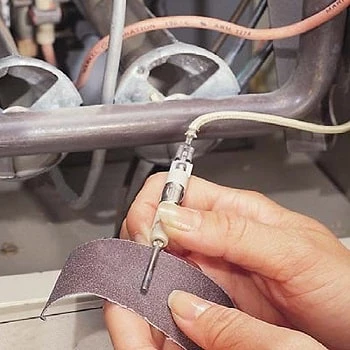
Inspect and Clean the Thermocouple
- Locate the thermocouple near the pilot assembly.
- Remove it carefully and wipe the tip with fine steel wool or emery cloth.
- Reposition it directly in the pilot flame. It must be heated to keep the gas valve open.
✅ Test: If the pilot stays lit after holding the control knob for 30 seconds, the thermocouple is working.
No Heat Despite a Flame
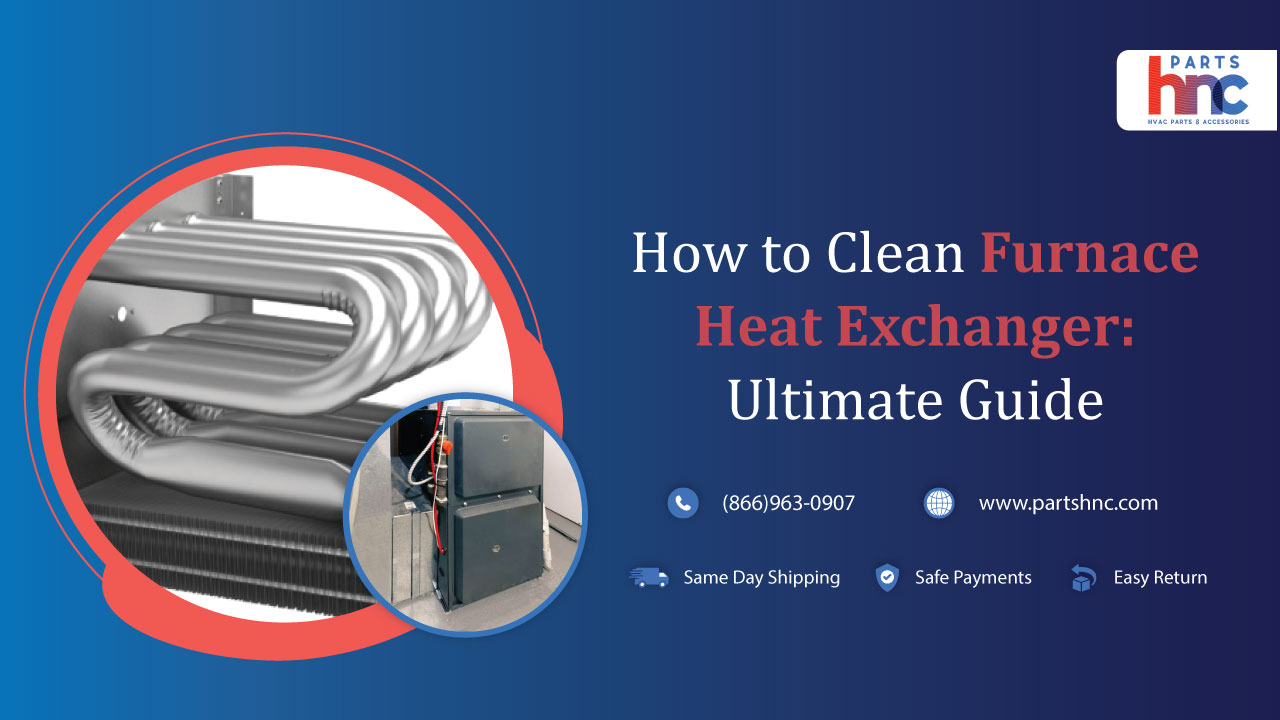
Seeing a flame but feeling no warmth? The issue isn’t ignition. It’s heat delivery.
Clear Heat Exchanger and Exhaust Path
- Inspect the heat exchanger fins for blockages.
- Use a soft brush or vacuum to remove soot, dust, or debris.
- Never use water or cleaners, since they can corrode metal components.
🔥 Warning: A blocked exhaust increases fire and CO risk.
Test the Fan (If Electric)
- Turn on the heater and listen for fan operation.
- Check the power source. If plugged in, test the outlet. If battery-powered, replace batteries.
- Inspect for obstructions in the fan blades.
🛠️ Fix: Replace the fan motor if it hums but doesn’t spin.
Verify Proper Placement and Airflow
- Use in open, well-ventilated areas only.
- Avoid corners or enclosed spaces where heat can’t circulate.
- Position heater on a level surface, since tilting can trigger safety shutoffs.
Propane Leak: Emergency Response
A propane leak is serious. Smell like rotten eggs? That’s the added odorant. Evacuate and act fast.
Immediate Actions
- Turn off the propane tank valve.
- Move the heater outdoors and do not operate it indoors.
- Do not create sparks. No light switches, phones, or flames nearby.
Locate and Seal the Leak
- Reconnect all fittings and retest with soapy water.
- Check the O-ring on the regulator and replace if cracked or missing.
- Replace damaged hoses immediately using only UL-certified, propane-rated hoses.
🧯 Safety Rule: Never repair a cracked hose with tape or clamps. Replace it.
Preventive Maintenance Tips
Regular upkeep prevents most repair needs and extends your heater’s life.
Clean After Every 10 to 15 Uses
- Wipe exterior with a dry cloth.
- Clean burner, pilot, and vents.
- Check hose for cracks or brittleness.
Store Properly
- Disconnect propane tank.
- Store in a dry, covered area and avoid damp garages or sheds.
- Cover the heater to prevent dust and pests.
Replace Worn Parts Early
- Hoses: Replace every 3 to 5 years.
- Regulators: Replace every 5 years or after exposure to extreme conditions.
- Ignition components: Replace if cleaning doesn’t restore function.
When to Replace Your Heater
Some issues aren’t worth fixing, especially if safety is compromised.
Replace If:
- The heater is over 10 years old.
- There’s visible rust or corrosion on internal components.
- The safety features are missing or disabled.
- You’ve had repeated leaks or ignition failures.
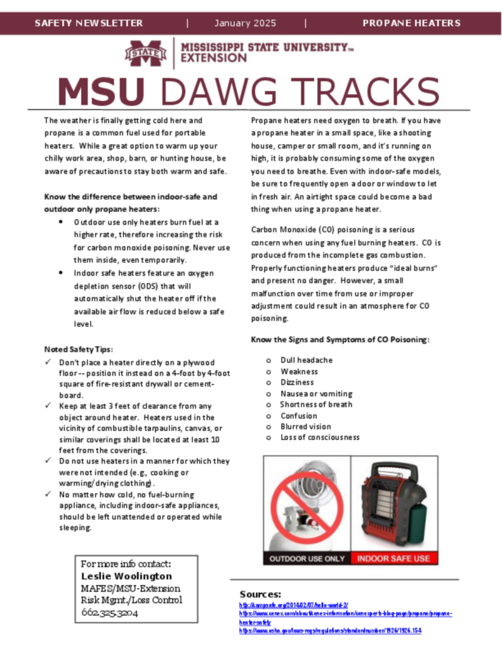
- The model lacks an oxygen depletion sensor (ODS), which is critical for indoor-safe use.
🆕 Upgrade Tip: Newer models have auto-shutoff, tip-over protection, and better efficiency, making them worth the investment.
Final Safety Checklist
Before every use, run through these safety steps:
- ✅ Propane tank is secure and not leaking.
- ✅ Heater is on a level, non-flammable surface.
- ✅ 3 feet clearance from walls, furniture, and fabrics.
- ✅ Used only in well-ventilated or outdoor areas.
- ✅ No one is sleeping near the heater.
🚫 Never use a propane heater in a bedroom, tent, or enclosed vehicle unless specifically rated for it.
Frequently Asked Questions About Propane Heater Repair
Why won’t my propane heater light even though the tank is full?
A full tank with no ignition usually points to a clogged pilot, faulty igniter, or stuck regulator. Clean the pilot orifice and test the electrode gap. If gas isn’t flowing at all, the regulator may need replacement.
Is a yellow flame dangerous on a propane heater?
Yes. A persistent yellow or orange flame indicates incomplete combustion, which produces carbon monoxide. Stop use immediately, clean the burner and air intakes, and ensure proper ventilation before relighting.
How do I safely check for a propane leak?
Mix dish soap and water, apply it to all connections, and look for bubbles. Do this outdoors with the heater off. Never use a flame to test for leaks, and replace any cracked hoses or worn fittings right away.
Can I repair a propane heater myself?
Most basic propane heater repair tasks, like cleaning burners, replacing hoses, and clearing clogs, are safe for DIYers. However, internal valve failures, regulator replacement, or gas valve issues may require a licensed technician.
How often should I service my portable propane heater?
Clean the burner and inspect hoses after every 10 to 15 uses. Replace hoses every 3 to 5 years and regulators every 5 years. Always follow the manufacturer’s maintenance schedule for best results.
When should I replace my propane heater instead of repairing it?
Replace your heater if it’s over 10 years old, shows internal corrosion, has repeated ignition failures, or lacks an oxygen depletion sensor. Safety should always outweigh repair costs.
Key Takeaways for Successful Propane Heater Repair
Most propane heater repair tasks come down to three things: fuel flow, cleanliness, and safety systems. Start by checking the propane supply and connections, then clean the burner and pilot components before assuming a part has failed. Always test for leaks with soapy water and never bypass safety features like thermal cutoffs or thermocouples. If your heater is old, corroded, or repeatedly failing, replacement is the safer and often more cost-effective choice. Run the final safety checklist before every use, and your heater will deliver reliable warmth for years to come.