
Your Mr Heater won’t light, the flame is weak and yellow, or it keeps shutting off after a few minutes. These are the most common frustrations owners face with portable propane heaters. The good news is that most issues take less than 30 minutes to diagnose and fix, using basic tools and no technical background.
This Mr Heater troubleshooting guide walks you through every major failure point, from ignition problems to safety shut-offs. You will learn how to test components, clear clogs, and restore proper combustion so your heater runs safely and efficiently again.
Check Fuel Supply First

Before assuming a mechanical failure, confirm your heater actually has fuel. A surprising number of “broken” heaters simply have empty or restricted propane sources.
Verify Propane Tank Level
If your heater starts but dies quickly or produces a weak flame, the tank may be low. Propane below 20% often fails to deliver enough vapor, especially in cold weather. Swap in a known-full tank to test, or use a propane gauge to check remaining pressure.
Inspect Hose and Regulator Connection
A loose hose blocks gas flow completely. Disconnect and reconnect the hose, ensuring the regulator clicks into place. Most Mr Heater models use an ACME connection that requires a full quarter-turn to lock. Inspect the hose for cracks, kinks, or wear, and replace it if damaged.
Test with a Different Tank
Even a full-looking tank can have a faulty valve or frozen regulator. Try a different propane tank to rule out supply issues. If the heater works with the new tank, the original tank was the problem.
Diagnose Ignition Problems

No spark or failed ignition is one of the top Mr Heater complaints. Here is how to pinpoint the cause quickly.
Listen for the Piezo Click
Press the ignition button and listen carefully. No clicking sound means the spark system is not engaging. Check whether the electrode is clean and properly gapped at about 1/8 inch from the burner. Use a soft brush or compressed air to remove dust or debris.
Clean the Spark Electrode
A dirty or misaligned electrode will not produce a spark. Remove the front panel and inspect the ceramic tip. If it is cracked or coated in carbon, clean it gently with isopropyl alcohol and a cotton swab. Straighten the electrode if bent so it points directly at the burner tube.
Check Battery Installation
Some models use AA batteries to assist ignition. Confirm the batteries are installed with correct polarity. Corroded or weak batteries prevent sparking, so replace them even if they seem functional. Low voltage alone can cause ignition failure.
Fix Flame Issues and Weak Heating
If the heater lights but produces a small, yellow, or flickering flame, combustion is not happening efficiently.
Adjust Gas Flow with the Regulator
Turn the control knob to high and observe the flame. A healthy flame is mostly blue with only minimal yellow tips. If the flame is weak, adjust the regulator knob (if your model has one) to increase pressure. Never exceed manufacturer settings, since over-pressurization creates a serious safety hazard.
Clear the Burner Tube and Orifice
Spider webs, dust, and debris commonly clog the burner tube. Shut off the fuel, disconnect the heater, and use a pipe cleaner or compressed air to clear the tube from both ends. Avoid wires or sharp tools that could damage the small orifice opening.
Ensure Proper Ventilation
Mr Heater units need oxygen for clean combustion. In tightly sealed rooms, the flame turns yellow or sputters. Crack a door or window to improve airflow. Never run the heater in a fully enclosed space without ventilation.
Address Automatic Shut-Off Triggers

Mr Heater models include safety features that shut the unit down when conditions become unsafe. Here is how to identify which trigger is activating.
Test the Oxygen Depletion Sensor (ODS)
If the heater runs for a few minutes then shuts off, the ODS may be triggering due to low oxygen. First, ventilate the area. Then inspect the pilot flame; it should fully surround the ODS probe. A weak or misdirected pilot flame may need cleaning of the pilot assembly.
Check for Tilt or Movement
These heaters include a tip-over switch that cuts fuel when the unit is not level. Place the heater on a flat, stable surface away from uneven floors or wobbly tables. The internal switch resets automatically once the heater is upright.
Inspect for Overheating
Blocked vents or extended use in confined spaces cause overheating shut-offs. Let the unit cool completely, then check the intake and exhaust grilles for dust or obstructions. Clean gently with a soft brush.
Prevent Frozen Regulator Issues

In cold weather, moisture in the propane line can freeze the regulator and stop gas flow entirely.
Use a Heated Regulator or Blanket
Standard regulators freeze below 40°F. Upgrade to a Mr Heater-approved heated regulator, or wrap the existing regulator in a thermal blanket. Never apply direct heat from a hair dryer or other source.
Store Properly Between Uses
Moisture builds up when heaters cool in humid conditions. Store the unit and hose indoors in a dry location. Always cap the hose and tank valve when not in use to keep condensation out.
Add a Filter to the Propane Line
Install an inline filter between the tank and heater to trap moisture and debris. This extends regulator life and prevents clogs. Replace the filter annually or as recommended by the manufacturer.
Replace Faulty Components Safely
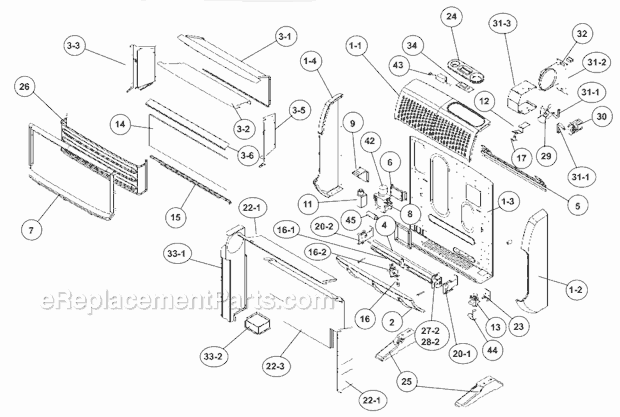
When troubleshooting does not resolve the issue, a specific part may need replacement.
Identify Your Model Number
Find the label on the back or bottom of the unit. Note the exact model number, such as F232000 MH9BX. Use this to order the correct replacement parts, especially for regulators, valves, and ignition components.
Order OEM Parts Only
Aftermarket parts may not meet safety standards. Stick with Mr Heater-branded or certified replacements for regulators, hoses, and burners. Verify compatibility before placing your order.
Follow Disassembly Steps Carefully
Turn off the fuel and disconnect the heater before any repair. Take photos during disassembly to remember wiring and component placement. Reassemble in reverse order and test outdoors before returning the unit to regular use.
Perform Routine Maintenance
Prevent future problems with simple, regular upkeep that takes only minutes.
Clean After Every 10 Hours of Use
Wipe down the exterior and clear dust from vents. Inspect the burner and pilot for buildup. Use a damp cloth and never spray water directly on the unit.
Test Safety Features Monthly
Light the heater and gently tilt it to confirm the tip-over switch shuts off the unit within seconds. Briefly block airflow to verify ODS response. Let the heater cool before restarting.
Store with Care in Off-Season
Empty the fuel line by running the heater until it shuts off on its own. Disconnect and cap all components. Store in a dry, temperature-stable area away from direct sunlight and chemicals.
Frequently Asked Questions About Mr Heater Troubleshooting
Why does my Mr Heater keep shutting off after a few minutes?
The most common causes are a triggered Oxygen Depletion Sensor (ODS), a tip-over switch activation, or overheating from blocked vents. Improve ventilation, place the heater on a level surface, and clear any obstructions around the grilles.
What do I do if my Mr Heater won’t light or spark?
Start by checking the propane supply and hose connection. Then listen for the piezo click when pressing ignition. Clean the spark electrode, verify the gap is about 1/8 inch, and replace the AA battery if your model uses one.
Why is my Mr Heater flame yellow instead of blue?
A yellow flame indicates incomplete combustion, usually from low oxygen or a clogged burner. Improve room ventilation and clear the burner tube and orifice with a pipe cleaner or compressed air.
Can I use my Mr Heater indoors safely?
Mr Heater units are designed for indoor use with proper ventilation. Always crack a window or door to allow fresh air in. Never operate in a fully sealed room, and never bypass the ODS or tip-over safety features.
How do I unfreeze a Mr Heater regulator?
Move the heater to a warmer area and let the regulator thaw naturally. Never apply direct heat. To prevent freezing, use a heated regulator or wrap the regulator in a thermal blanket, and store the unit indoors between uses.
Where can I find replacement parts for my Mr Heater?
Locate your model number on the back or bottom label, then order directly from Mr Heater or authorized dealers. Always choose OEM parts to ensure safety and compatibility.
Key Takeaways for Mr Heater Troubleshooting Success
Most Mr Heater problems come down to three causes: fuel supply issues, ignition failure, or safety shut-off triggers. By checking the propane tank and hose first, cleaning the spark electrode, and ensuring proper ventilation, you can resolve the majority of issues at home without spending a dime.
Your next step is to run through this Mr Heater troubleshooting guide the next time your unit acts up. Start with the simplest checks, fuel level and connections, before moving to component-level repairs. And remember: when in doubt, contact Mr Heater support or a certified technician to keep your heater running safely for years to come.