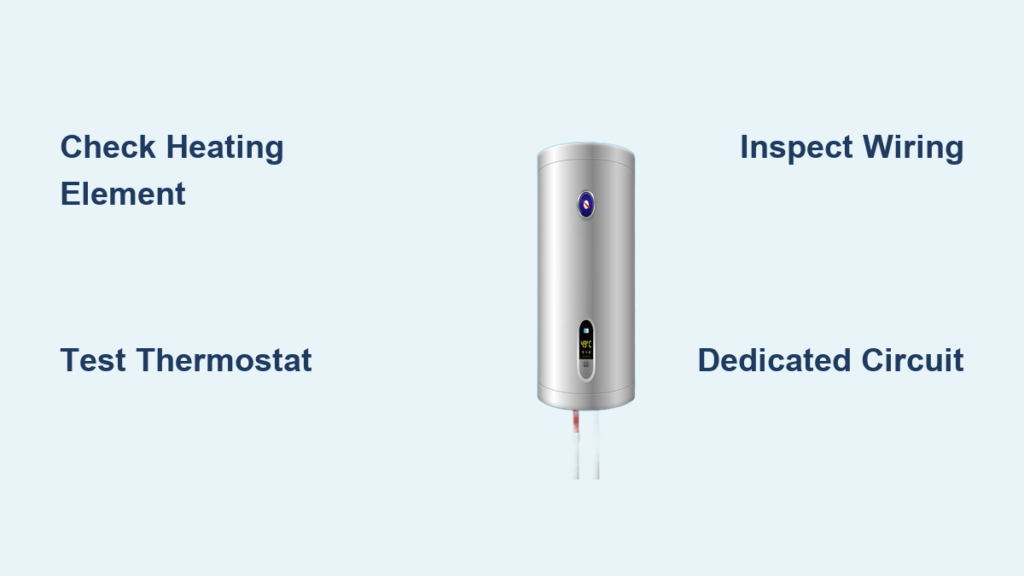
If your water heater keeps tripping breaker, you’re not just dealing with cold showers. You’re facing a serious electrical safety issue that demands immediate attention. Electric water heaters are among the highest power-consuming appliances in your home, drawing significant amperage on dedicated circuits. When the circuit breaker trips repeatedly, it’s not a glitch. It’s a warning sign.
The root cause could be a failed heating element, a malfunctioning thermostat, circuit overload, or aging system components. Left unaddressed, these issues can lead to electrical fires or permanent appliance failure. This guide breaks down exactly why your water heater trips the breaker, how to diagnose the problem using real-world symptoms, and when to call a professional. You’ll learn actionable steps to restore hot water safely without risking further damage.
Identify the Tripping Pattern

Understanding when and how your breaker trips is the first step to pinpointing the cause. The timing reveals whether you’re dealing with a short circuit, overheating, or external load issues.
Immediate Trip After Reset
If the breaker trips the moment you reset it, you likely have a hard short in the system. This means electricity is flowing where it shouldn’t, often due to a burnt-out heating element or damaged wiring. The breaker cuts power instantly to prevent overheating or fire.
What to look for:
– No hot water at all
– Breaker trips within seconds of being reset
– Possible burning smell near the unit or electrical panel
This type of failure usually points to a failed lower heating element or shorted wiring at the thermostat or junction box.
Intermittent or Delayed Tripping
When the breaker trips only after the water heater has been running for a while, the culprit is likely overheating caused by a faulty thermostat. The thermostat fails to shut off the heating element, causing the water to overheat and draw excessive current.
Common signs:
– Hot water turns scalding, then cold
– Breaker trips during or after shower use
– Resets fine when cool but trips again during heating cycle
This pattern matches real-world diagnostics where a thermostat stuck in the “on” position causes sporadic overheating.
Tripping During Appliance Use
If the breaker trips only when other high-draw appliances (like an AC unit, dishwasher, or washing machine) are running, your water heater is likely on a shared circuit. Sharing the circuit with other devices can overload the system during peak usage.
Check this:
– Are other appliances on the same breaker?
– Does tripping happen during peak usage (evening showers plus AC)?
This is circuit overload, a common but preventable issue in older homes.
Check for Faulty Heating Elements
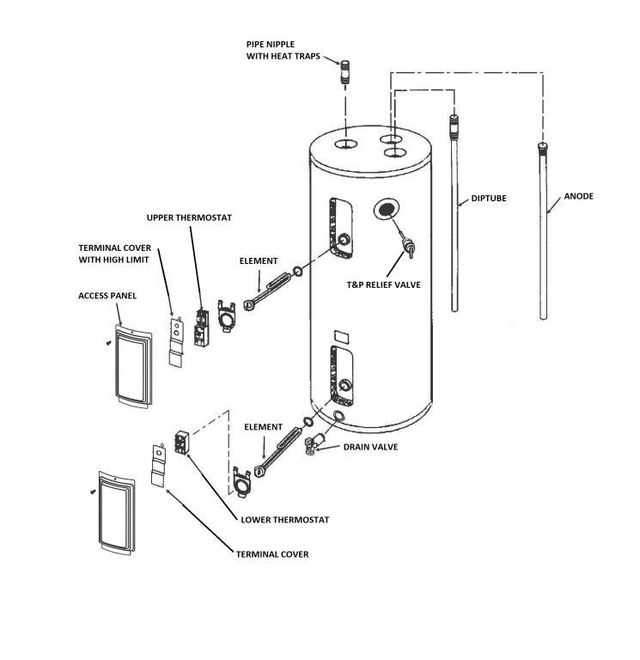
A burnt-out heating element is one of the most common reasons a water heater trips the breaker. These elements are submerged in water and constantly exposed to heat and minerals. Over time, they degrade, crack, or short-circuit.
Signs of Element Failure
- No hot water or lukewarm output despite power being on
- Buzzing or popping sounds from the tank, indicating electrical arcing
- Visible corrosion or scale buildup on the element during inspection
Hard water accelerates this damage, especially in areas with high mineral content.
Test the Heating Element
You’ll need a multimeter to check continuity:
- Turn off power at the breaker. Do not skip this step.
- Drain the tank slightly if testing the lower element.
- Remove access panel and insulation to expose the element.
- Disconnect wires from the element terminals.
- Set multimeter to ohms (Ω) and touch probes to the element’s screws.
Expected reading: 10–16 ohms.
No reading (OL): Element is dead and must be replaced.
Reading of 0: Short circuit. Replace immediately.
⚠️ Warning: If the element tests bad, do not reuse it. A failed element can ground out and trip the breaker every time it energizes.
Diagnose Thermostat Malfunctions
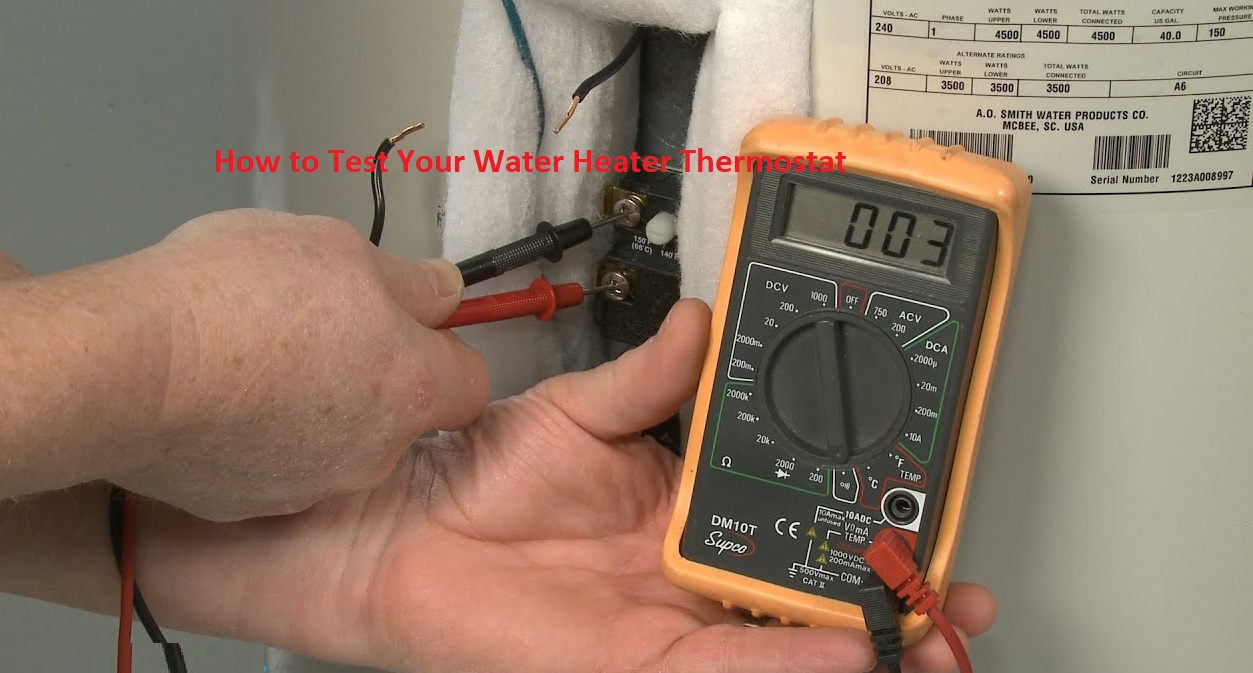
The thermostat regulates water temperature by turning the heating element on and off. When it fails, it can overheat the water, causing excessive current draw and tripping the breaker.
Symptoms of a Bad Thermostat
- Water alternates between scalding hot and cold
- Breaker trips after heating cycle begins
- Unit resets only after cooling down
- Thermostat feels hot to the touch or shows burn marks
Unlike a hard short, a bad thermostat often causes sporadic tripping, not immediate failure.
Test the Thermostat
- Kill power at the breaker.
- Remove access panel and insulation.
- Use a multimeter to test for continuity across the thermostat terminals.
- Trigger the thermostat manually or use test mode if available.
No continuity? Thermostat is open and faulty.
Continuity when it shouldn’t have it? It’s stuck closed, causing constant heating.
🔧 Pro Tip: Most electric water heaters have two thermostats (upper and lower). Test both. The upper thermostat usually controls power to the lower one.
Replace the Thermostat Safely
- Turn off power and drain pressure from the tank.
- Label wires before disconnecting.
- Install an exact replacement matching voltage, amperage, and cut-off temperature.
- Reinstall insulation and panel securely.
Use OEM parts when possible. Aftermarket thermostats may not calibrate correctly, leading to repeat issues.
Rule Out Circuit Overload

Your water heater should be on a dedicated 240-volt, 30-amp double-pole breaker. If it shares the circuit with other appliances, even briefly, the total load can exceed capacity.
How to Confirm Circuit Sharing
- Check your breaker panel to see if the water heater is on its own double-pole breaker.
- Turn off other high-draw devices like the AC, dryer, or microwave.
- Reset the water heater breaker and monitor.
If it stays on only when other devices are off, circuit overload is the cause.
Fix: Install a Dedicated Circuit
This is a job for a licensed electrician. Here’s what’s involved:
– Run a new cable from the panel to the water heater
– Install a 30-amp double-pole breaker
– Ensure all connections meet local code
📌 Code Note: National Electrical Code requires water heaters to have their own circuit. Older homes may not comply. Upgrading improves safety and performance.
Inspect Wiring and Connections
Loose, corroded, or damaged wiring can create resistance, arcing, or shorts, all of which trip the breaker.
Where to Look
- At the breaker panel: Check for loose or burnt terminals
- At the water heater: Inspect wires at the thermostat and element connections
- Inside the junction box: Look for frayed insulation or discoloration
Red flags:
– Blackened or melted wire nuts
– Brittle or cracked insulation
– Wires touching the metal tank (grounding fault)
Fix Loose or Damaged Wiring
- Turn off power and lock the panel.
- Tighten all wire connections, including at the breaker.
- Replace any damaged wires with appropriate gauge cable.
- Ensure grounding wire is secure to the tank.
⚠️ Do not attempt if you see significant damage or melted components. Call an electrician. This is a fire hazard.
Evaluate Unit Age and Lifespan
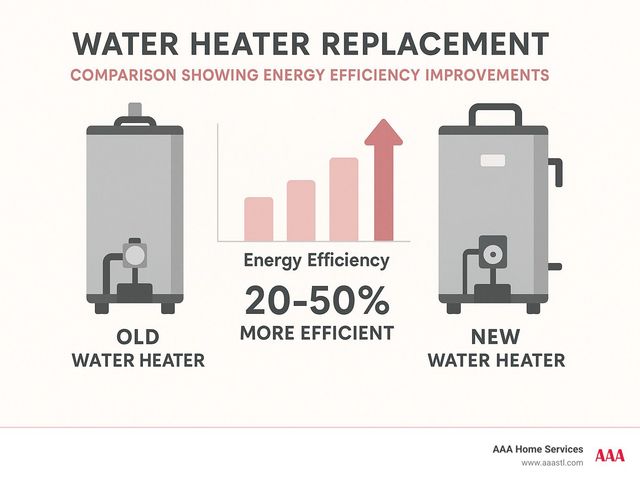
Most electric water heaters last around ten years. If yours is approaching or exceeding this age, repeated breaker trips may signal system-wide degradation.
Why Age Matters
- Simultaneous component failure: Thermostats and elements wear out together
- Internal corrosion: Tank rust can cause grounding faults
- Outdated electrical design: Older units may not meet modern safety standards
Repair vs. Replace?
| Factor | Repair | Replace |
|---|---|---|
| Unit Age | Under 8 years | Over 10 years |
| Cost | $150–$300 (parts plus labor) | $800–$1,500 |
| Efficiency | Same as before | Up to 10% more efficient |
| Longevity | 2–5 more years | 10+ years |
Recommendation: If your unit is over 10 years old and has multiple issues, replacement is more cost-effective than repeated repairs.
💡 Upgrade Option: Consider a tankless water heater. It uses less energy, lasts longer (15–20 years), and eliminates storage tank corrosion issues.
Prevent Future Breaker Trips
Once you’ve fixed the immediate issue, take steps to prevent recurrence and extend your water heater’s life.
Flush the Tank Annually
Mineral buildup (scale) insulates the heating element, forcing it to work harder and overheat.
How to flush:
1. Turn off power and water supply.
2. Attach a hose to the drain valve.
3. Open the valve and flush until water runs clear.
4. Refill and restore power.
Do this every 6–12 months, especially in hard water areas.
Install a Water Softener
If your water is hard (high in calcium and magnesium), a water softener drastically reduces scale buildup, protecting both elements and thermostats.
📊 Fact: Softened water can extend element life significantly by reducing mineral-related corrosion.
Upgrade the Breaker (If Needed)
Never replace a 30-amp breaker with a higher rating. But if the existing breaker is old or faulty, replace it with a new 30-amp double-pole.
Use a brand-matched breaker (e.g., Square D for Square D panel) to ensure compatibility.
When to Call a Professional
Some issues require licensed expertise. Don’t risk electrocution or code violations.
Call an Electrician or Plumber If:
- You smell burning plastic or ozone
- There’s visible damage to wiring or the breaker
- The unit is over 10 years old and failing repeatedly
- You’re uncomfortable working with 240-volt electricity
- You need a new dedicated circuit installed
🛑 Never bypass the breaker or use a higher-amp fuse. This defeats the safety system and can cause a fire.
Frequently Asked Questions About Water Heater Breaker Tripping
Why does my water heater breaker trip immediately after I reset it?
An immediate trip indicates a hard short in the system, usually caused by a burnt-out heating element or damaged wiring. Electricity is flowing where it shouldn’t, and the breaker cuts power instantly to prevent fire. You’ll likely have no hot water and may notice a burning smell.
Can a bad thermostat cause the breaker to trip?
Yes. A malfunctioning thermostat can fail to shut off the heating element, causing water to overheat and draw excessive current. This leads to sporadic breaker tripping, often after the heating cycle begins. Water may alternate between scalding hot and cold before the breaker trips.
Is it safe to keep resetting a tripped water heater breaker?
No. Repeatedly resetting a tripped breaker without diagnosing the cause can mask a serious electrical fault and increase fire risk. The breaker is tripping for a reason. Identify the underlying issue (element, thermostat, wiring, or overload) before resetting, or call a professional.
How do I know if my water heater is on a dedicated circuit?
Check your breaker panel. A water heater should be on its own double-pole breaker (two switches linked together). If other appliances share that breaker, you have a circuit overload issue. An electrician can verify this and install a dedicated circuit if needed.
Should I repair or replace an old water heater that keeps tripping?
If your unit is over 10 years old and experiencing repeated breaker trips, replacement is usually more cost-effective. Multiple components often degrade simultaneously in aging units, leading to ongoing repair costs. A new unit also offers better efficiency and reliability.
Can hard water cause my water heater to trip the breaker?
Yes. Hard water accelerates mineral buildup (scale) on heating elements, causing them to work harder, overheat, and eventually short-circuit. Installing a water softener and flushing the tank annually can prevent this and extend element life.
Key Takeaways for Fixing a Water Heater That Keeps Tripping the Breaker
A water heater that keeps tripping the breaker is a serious warning that requires prompt diagnosis. Start by identifying the tripping pattern: immediate trips point to a hard short (element or wiring), while delayed or sporadic trips suggest thermostat overheating. Tripping during appliance use indicates circuit overload.
Test the heating element with a multimeter (expect 10–16 ohms) and check both thermostats for proper continuity. Inspect all wiring for damage, corrosion, or loose connections. If your unit is over 10 years old, weigh repair costs against replacement, since aging systems often fail in multiple ways simultaneously.
For DIYers, flushing the tank annually and installing a water softener can prevent future issues. However, electrical work involving 240-volt circuits, dedicated circuit installation, or visible wiring damage should always be handled by a licensed professional. Your next step: identify your specific tripping pattern and test the corresponding component before deciding whether to repair or replace.