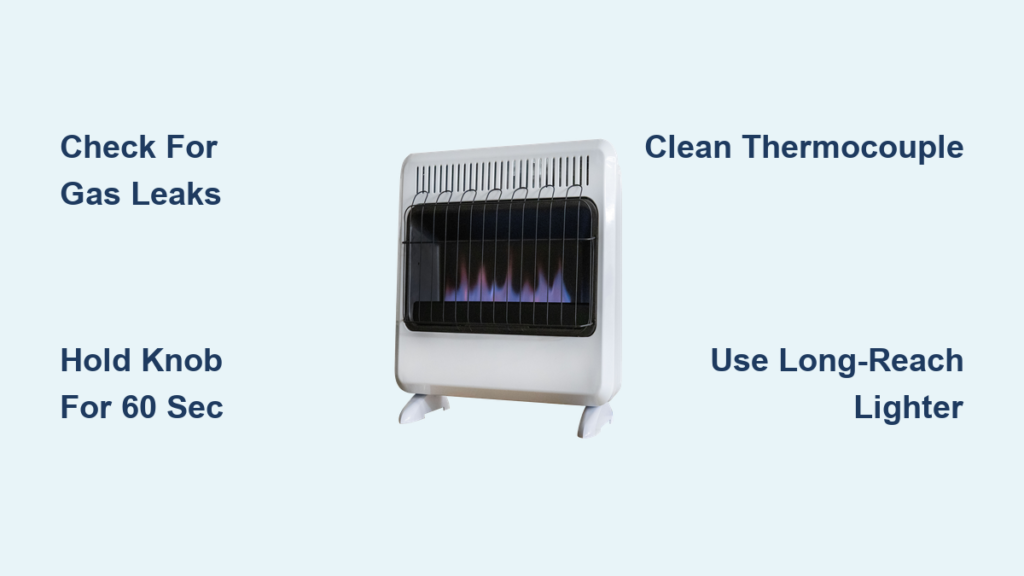
If your gas space heater won’t turn on, the issue might be as simple as a pilot light that’s gone out. Lighting a gas space heater is a common maintenance task for homeowners, especially with vent-free models that rely on a standing pilot system. This guide walks you through the safe, correct way to light a gas space heater pilot, step by step. Whether you’re using an Empire, Williams, Rheem, or other brand, the core process is similar, but attention to detail matters. Rushing the thermocouple heating phase or skipping safety checks can lead to failure or hazards. You’ll learn how to ignite the pilot, engage the main burner, troubleshoot common issues, and keep your heater running safely all season.
Prepare the Heater and Area Before Lighting
Before attempting to light the pilot, ensure your environment and equipment are ready. A proper setup prevents accidents and increases your chances of success on how to light a space heater properly.
Turn Off Power and Thermostat
Switch off the wall thermostat and the ON/OFF power switch on the heater base if equipped. This disables automatic cycling during ignition. Never try to light the pilot while the thermostat is calling for heat, as this can cause ignition failures.
Check for Gas Leaks
If you smell gas, do not proceed. Evacuate the area immediately and call your gas provider or emergency services. If no odor is present, verify the main gas shut-off valve is open and inspect connections with a soapy water solution. Bubbles indicate a leak, so tighten or repair before continuing.
Inspect the Ignition System
Press the red igniter button and look for sparks near the pilot assembly. No spark means the igniter isn’t working. Check the AA or AAA battery in electronic models and replace if weak. Clean the spark electrode tip with a dry cloth if it’s dirty or blocked.
Purge Air from the Gas Line
Heaters unused for months may have air trapped in the line. When in Pilot mode, hold the control knob down for up to 60 seconds before igniting. This clears air and ensures gas flow reaches the pilot.
Access the Pilot Assembly
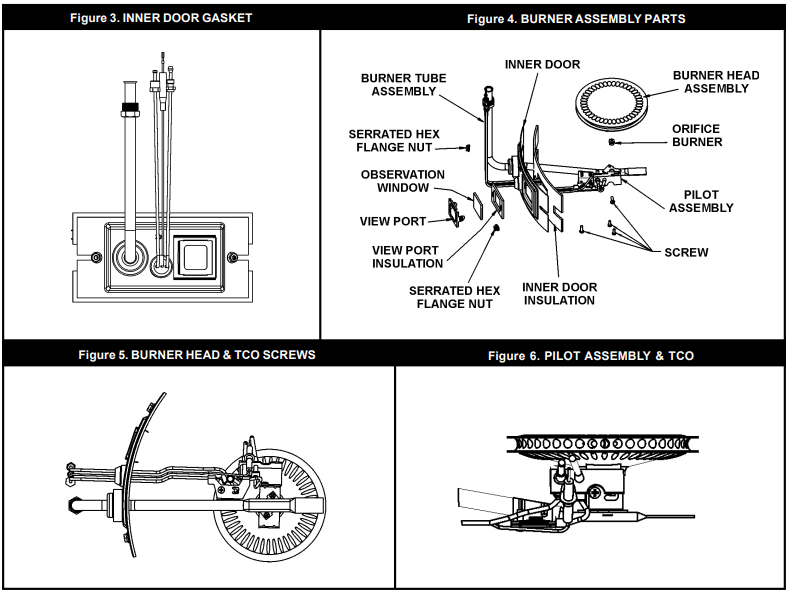
You need a clear view of the pilot flame, thermocouple, and burner tube to light the heater safely. This section covers how to access these components when learning how to light a space heater.
Remove the Access Panel
Locate the hinged or removable access panel at the base of the heater. On Empire models like the 11853, lift from the bottom. Once open, you should see the pilot tube, thermocouple tip, spark electrode, and silver radiant tube which is the main burner.
Ensure all components are clean and properly aligned. The thermocouple must sit directly in the pilot flame path to generate the voltage needed to keep the gas valve open.
Set Controls to Pilot Mode
Proper knob positioning is essential to initiate gas flow to the pilot when you light a space heater.
Turn Temperature Dial to Minimum
Rotate the front temperature control dial to Low or setting 1. This prevents the main burner from activating prematurely and ensures the system is ready for pilot ignition.
Rotate Control Knob to Pilot
Push down and turn the gas control valve knob until the indicator aligns with Pilot. Keep pressing down, as this manually opens the pilot gas circuit. On Empire 11853 models, precise alignment is critical. Misalignment can block gas flow even if the knob is turned correctly.
Ignite the Pilot Flame
Now that gas is flowing, create a spark or apply flame to light the pilot. This is the actual ignition step when you light a space heater.
Use the Built-In Igniter
While holding the control knob down, press the red igniter button repeatedly. Watch through the viewport for a spark to catch the gas. A small blue flame should appear at the pilot tube when successful.
Or Use a Long-Reach Lighter
If the igniter fails, use a long-reach butane lighter. Insert the flame into the pilot access hole while holding the control knob. Never use matches or your hand, as gas buildup could cause a flash.
Heat the Thermocouple
This is the most critical step when you light a space heater, and it’s the most commonly rushed. The thermocouple is a safety device that must heat up to keep the gas valve open.
Hold Knob for 20 to 90 Seconds
After ignition, keep the control knob fully depressed. The minimum is 20 to 30 seconds for Williams standard units, the recommended time is 60 seconds, and older units may need up to 90 seconds. The thermocouple must heat to approximately 500°F to generate 25 to 30 millivolts, which keeps the gas valve open after release.
Failure to hold long enough is the number one reason pilots go out when released. This step is crucial when you learn how to light a space heater correctly.
Release Knob Slowly
Gradually let go of the control knob. If the pilot stays lit, you’ve succeeded. If it dies, repeat the process, holding longer and ensuring the thermocouple is clean and positioned in the flame.
Activate the Main Burner
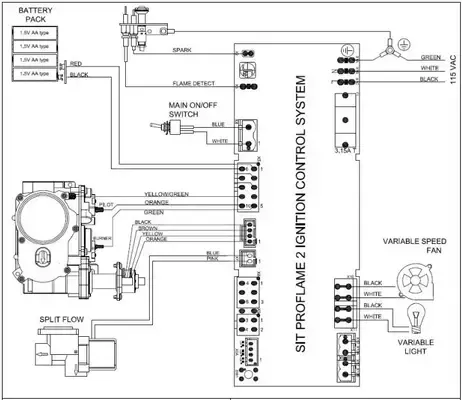
With the pilot stable, switch to normal operation to complete how to light a space heater.
Turn Knob to On or Heat Setting
Rotate the control valve counterclockwise from Pilot to On or a numbered setting like 3, 4, or High. This opens the main gas circuit and allows the burner to ignite.
Restore Power and Thermostat
Turn the ON/OFF switch back on. Set the wall thermostat to your desired temperature. The heater will now respond to thermostat calls for heat.
Confirm Main Flame Ignition
Within minutes, the main burner should ignite. Look for a steady, bright blue flame traveling along the silver radiant tube. A yellow or flickering flame means incomplete combustion, so shut off and call a technician.
Close the Access Panel
Once the system is stable, reattach the access panel securely. Your heater is now operating normally.
Understand Heat Settings and Thermostat Control
Your heater’s dial does not set temperature directly. It controls heat output level instead.
Dial Settings Explained
Settings 1 and 2 provide minimal heat where the pilot stays lit but the main burner runs infrequently. Setting 3 offers balanced performance ideal for maintaining warmth. Settings 4 and 5 provide maximum output best for quick heating in cold conditions.
The heater won’t ignite the main burner if the room is already warm. This is normal thermostat behavior and not a malfunction.
Follow Critical Safety Protocols
Gas heaters require strict safety practices to prevent fire, carbon monoxide exposure, or explosion when you light a space heater.
Pre-Lighting Safety Checks
Work in a well-ventilated room. Keep flammable materials at least 3 feet away from the heater. Do not wear loose clothing that could catch fire. Never bypass the thermocouple, as it’s a life-saving safety device that shuts off gas if the pilot goes out.
During and After Operation
Listen for smooth ignition and steady combustion hum. Watch for blue flames, as yellow or floating flames indicate problems. Smell for gas odor, and if detected, shut off the heater and evacuate.
Install CO Detectors and Manage Moisture
Vent-free gas heaters release combustion byproducts into your home, requiring additional safety measures.
Prevent Carbon Monoxide Poisoning
Install CO detectors in the heater room and nearby bedrooms. Use at least three detectors in your home for comprehensive coverage. Know the symptoms of CO exposure, which include headache, dizziness, nausea, and fatigue.
Never use kitchen ovens or stoves for heating, as this creates a deadly CO risk.
Control Humidity from Combustion
Gas combustion produces water vapor leading to window condensation, wall dampness, and mold or mildew growth. Run a dehumidifier during extended heater use to protect your home.
Troubleshoot Common Lighting Problems
If the pilot won’t light or stay lit, diagnose the issue quickly rather than repeatedly attempting to light a space heater.
Pilot Won’t Light
No spark means replace the battery, clean the electrode, and check wiring. No gas means confirm the main valve is open and purge air by holding the knob longer. A blocked pilot tube requires shutting off gas and cleaning with compressed air.
Pilot Lights But Goes Out
Held too short requires repeating and holding for 60 to 90 seconds. A dirty thermocouple needs cleaning with emery cloth and realignment in the flame. A failing thermocouple should be tested with a multimeter, which should read 25 millivolts or higher, and replaced if low.
Main Burner Won’t Ignite
The knob might not be in On, so rotate fully past Pilot. A clogged burner requires shutting off gas and cleaning ports. The thermostat might not be calling for heat, so verify the setting and power.
Yellow or Flickering Flame
Shut off immediately, as this indicates incomplete combustion. Possible causes include drafts, clogged ports, or air/gas imbalance. Call a professional for cleaning and adjustment.
Persistent Gas Odor
Shut off gas and evacuate immediately. Contact your gas provider or HVAC technician. Do not attempt re-lighting.
After 2 to 3 failed attempts, stop and call a qualified technician. Repeated failures suggest a deeper issue.
Follow Model-Specific Guidance
While procedures are similar, details vary by brand when you light a space heater.
Empire 11853
Hold the control knob for 30 seconds to 1 minute. Align the triangle indicator precisely with Pilot. The access panel lifts from the bottom for easy inspection.
Williams Heating Products
Watch official YouTube tutorials for visual help. Call tech support at 1-888-444-1212. Register your unit for warranty and parts support.
Other Brands
Rheem, Majestic, and Desa units follow the same core steps. Check manuals for access panel design or knob differences. Even small design changes between models can affect ignition.
Perform Routine Maintenance
Keep your heater reliable with simple, regular care to ensure it lights properly each season.
Annual Maintenance Tasks
Clean the pilot assembly and burner ports with compressed air. Inspect gas connections for leaks before heating season. Test thermocouple output every 1 to 2 years. Replace igniter batteries annually.
Monthly Checks
Observe flame color and stability. Confirm smooth ignition. Check for unusual noises or odors.
Know When to Call a Professional
Some issues are beyond DIY fixes when you light a space heater.
Call a Technician If
Pilot fails to stay lit after correct attempts. You smell gas after lighting. Flame is yellow, floating, or noisy. Heater cycles erratically. Thermocouple is corroded or damaged. You’re uncomfortable with the process.
While lighting the pilot is safe when done correctly, ongoing problems require professional diagnosis. Safety systems like the thermocouple must function perfectly.
Key Takeaways for Lighting Your Space Heater
Lighting a gas space heater is a straightforward DIY task when you follow the correct sequence and safety steps. The thermocouple hold time is critical, so don’t rush it. Hold the knob down for at least 60 seconds to ensure the safety device heats properly and keeps the gas valve open. Always consult your model-specific manual, and when in doubt, contact the manufacturer or a licensed HVAC technician. With proper care, your heater will provide safe, efficient warmth for years.
Frequently Asked Questions About Lighting a Space Heater
How do I know if my pilot light is lit?
Look through the access panel viewport. You should see a small blue flame at the pilot tube. The flame should be steady and positioned near the thermocouple tip.
Why does my pilot light keep going out?
The most common reason is not holding the control knob long enough after ignition. Hold for a full 60 to 90 seconds to let the thermocouple heat properly. Other causes include a dirty thermocouple, a failing thermocouple, or drafts blowing out the flame.
Can I use a match to light my space heater?
Only use a long-reach butane lighter designed for this purpose if the built-in igniter fails. Never use matches, as gas buildup could cause a flash. The built-in igniter is the safest method when you light a space heater.
What should I do if I smell gas?
Do not proceed with lighting. Evacuate the area immediately and call your gas provider or emergency services. Do not turn on any electrical switches or use phones inside the building. Wait for professionals to arrive.
How often should I clean my space heater?
Inspect and clean the pilot assembly and burner ports annually before heating season. Check monthly during use for flame color and stability. Replace batteries in electronic igniters yearly.
Is it safe to leave my gas space heater running overnight?
Gas space heaters should not be left running unattended for extended periods. Install CO detectors and monitor for any unusual flames or odors. Many experts recommend turning off heating systems when sleeping.