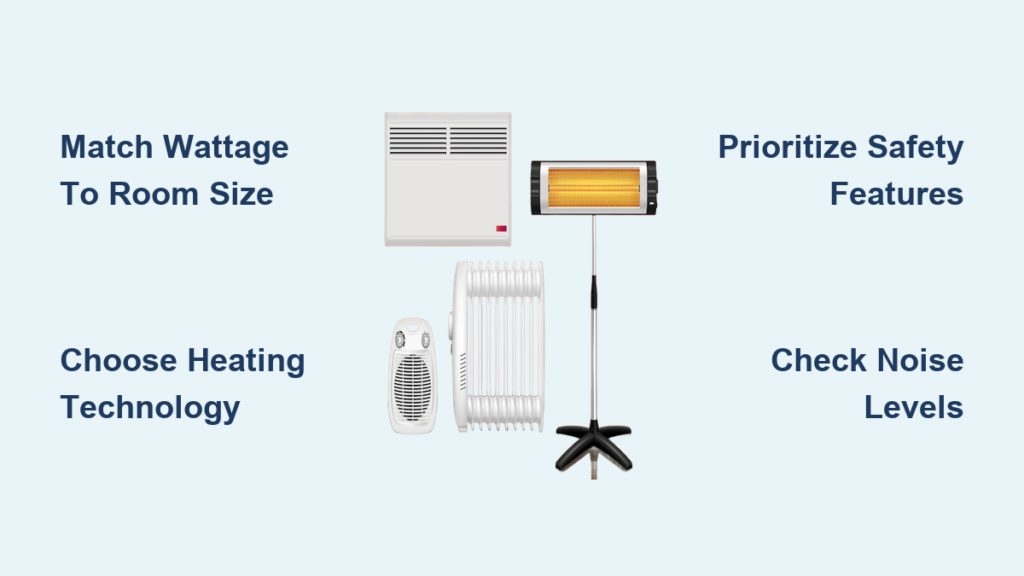
Choosing the right space heater can mean the difference between a warm, cozy room and an inefficient setup that wastes energy or creates safety risks. With so many models available, knowing how to choose a space heater that fits your specific needs is essential for staying comfortable while keeping bills manageable and your home safe. This guide walks you through every factor that matters, from heating technology and wattage to safety features and operating costs.
By the end of this article, you will understand which heater type works best for your space, what safety features are non-negotiable, and how to pick a model that delivers real performance without breaking the bank.
Match Heater Wattage to Your Room Size
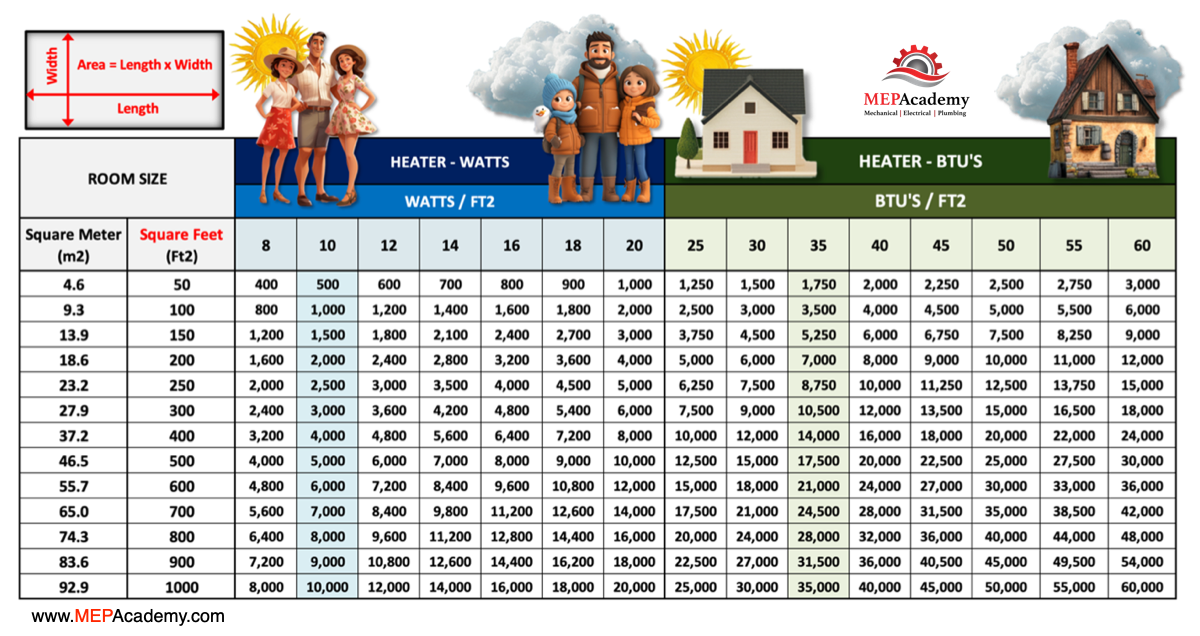
The most critical step in learning how to choose a space heater is matching its power output to your room dimensions. A heater that is too weak will struggle to warm the space, while one that is too powerful may trip circuits or waste energy unnecessarily.
Calculate Required Wattage
Use the simple rule of 10 watts per square foot of floor area. A 1,500-watt heater effectively heats rooms up to 150 square feet. For larger spaces between 200 and 300 square feet, you may need two units or a model with stronger airflow capabilities.
| Room Size | Recommended Wattage |
|---|---|
| Up to 100 sq ft | 750–1,000 W |
| 100–150 sq ft | 1,500 W |
| 150–200 sq ft | 1,500 W |
| 200–300 sq ft | 1,500 W (or two units) |
Keep in mind that infrared heaters may claim coverage up to 300 square feet, but this assumes direct line of sight and good insulation. Real-world performance often falls short of these estimates.
Prevent Circuit Overloads
Standard household outlets support 1,500 to 1,800 watts on a 15-amp circuit. A 1,500-watt heater draws 12.5 amps, leaving minimal headroom for other devices. Never run a heater on the same circuit as a microwave, hair dryer, or another space heater.
Select the Right Heating Technology
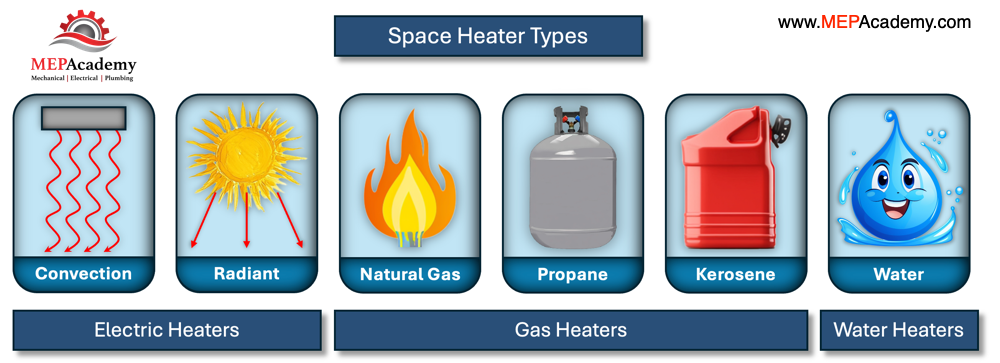
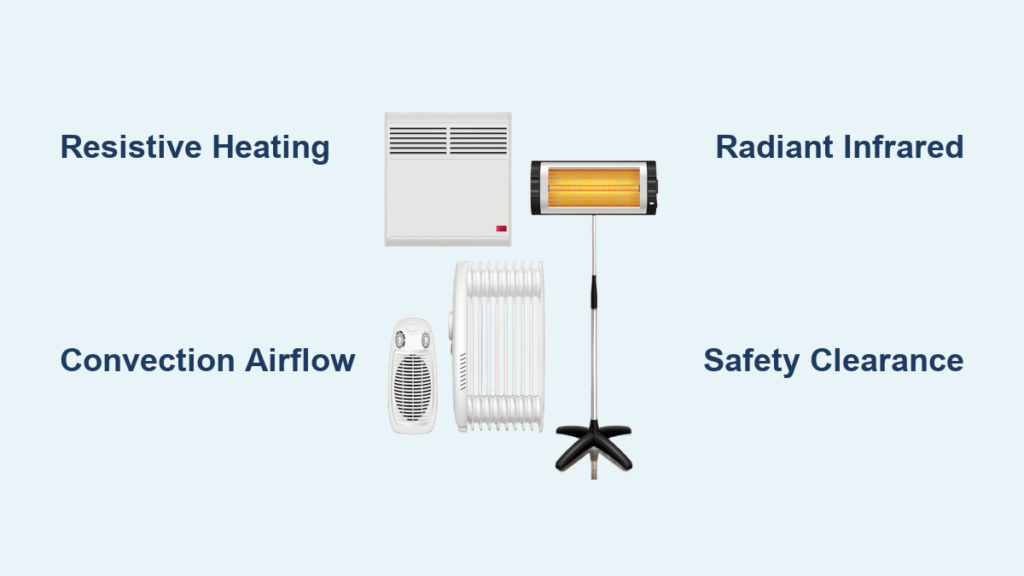
Different heating technologies serve different needs. Understanding these differences is key to how to choose a space heater that performs well in your specific situation.
Ceramic Heaters for Quick, Portable Heat
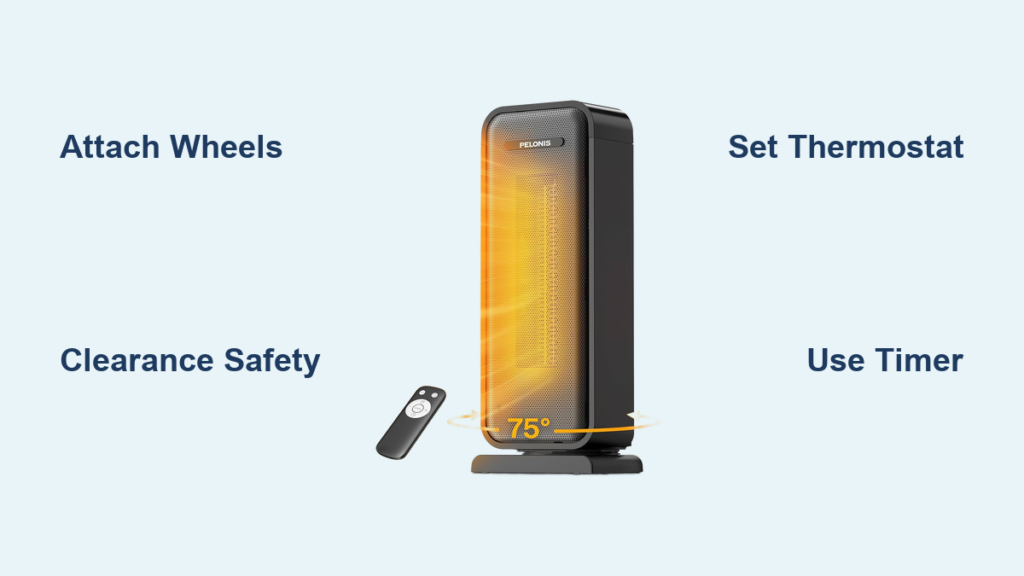
Ceramic heaters use a fan to blow air over heated ceramic plates, delivering fast, even warmth. They heat within seconds and are compact enough to move between rooms easily. These units work best in small to medium rooms up to 150 square feet, making them ideal for bedrooms, home offices, or bathrooms.
The main drawback is fan noise, which can be disruptive in quiet environments. Expect to pay between $30 and $70 for a quality model. The Vornado AVH10 stands out for its powerful airflow, oscillation feature, and convenient cord storage.
Oil-Filled Radiators for Silent, Steady Heat
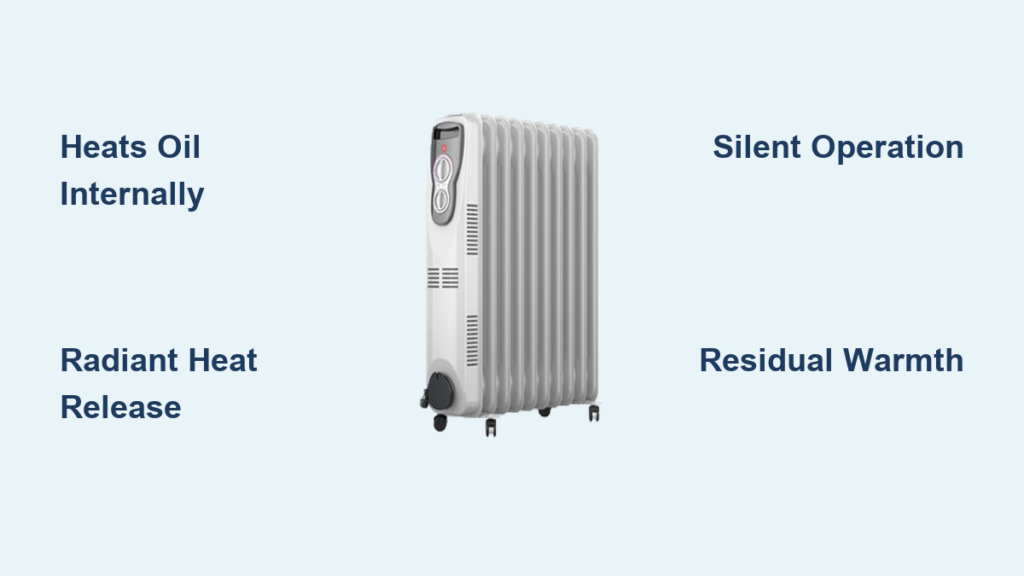
Oil-filled radiators use electrically heated oil to radiate heat slowly and consistently. Since there is no fan, these units operate silently, making them perfect for bedrooms or living rooms where quiet matters. They retain heat for 30 minutes or more after turning off, providing continued warmth even after the unit cycles off.
The trade-off is weight. These heaters typically weigh 30 to 50 pounds and take 15 to 30 minutes to warm up initially. The DeLonghi HVA8315 is a top pick for its reliable performance, quiet operation, and built-in wheels for easy movement.
Infrared Heaters for Instant Spot Warming
Infrared heaters emit radiant heat that warms people and objects directly, similar to sunlight. They provide immediate warmth without waiting for the room to heat up, making them excellent for garages, workshops, or spot-heating at a desk.
The limitation is directional warmth. These units only heat what is within their beam, so they do not warm an entire room effectively. The Honeywell HCE322V delivers impressive results, raising temperatures by 17.1 degrees Fahrenheit in just five minutes at three feet distance.
Micathermic Heaters for Slim, Fast Heating
Micathermic heaters combine radiant and convection heating in a slim panel design. They heat quickly without fan noise and can be wall-mounted to save floor space. These work well in apartments or narrow spaces where footprint matters.
The surface becomes hot to the touch, so these units require careful placement around children and pets. The Heat Storm HS-1500-PHX-WIFI offers wall-mounting capability with Wi-Fi control for added convenience.
Prioritize Essential Safety Features
Space heaters cause over 25,000 home fires annually according to the Consumer Product Safety Commission. Safety features are not optional when learning how to choose a space heater.
Must-Have Safety Mechanisms
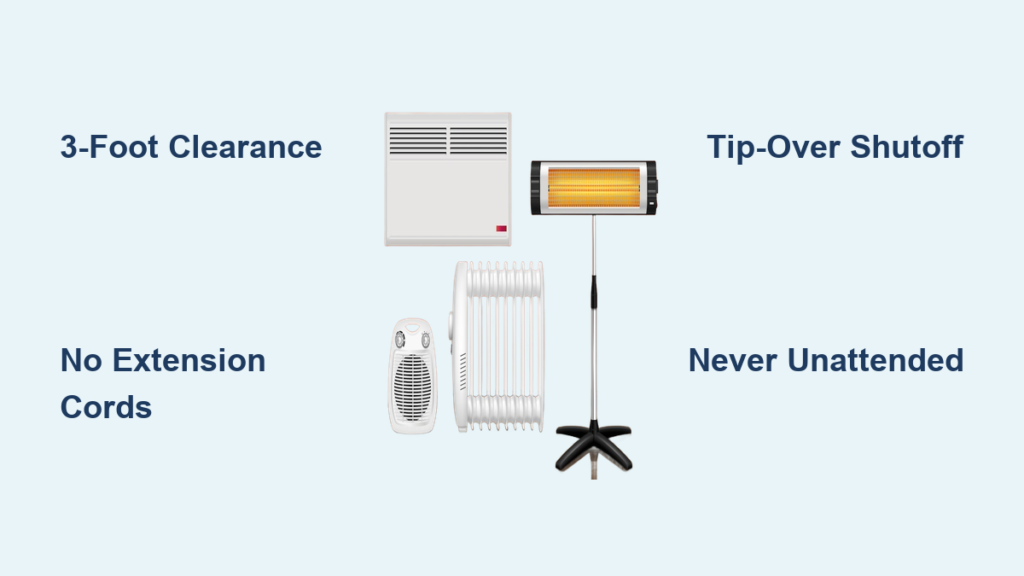
Every heater you consider must include these features. A tip-over switch shuts the unit off if it falls over. Overheat protection turns the heater off if internal temperatures rise dangerously. Cool-touch housing reduces burn risk, which is critical in homes with children or pets. Always look for UL, ETL, or CSA certification labels, which indicate independent safety testing has passed.
Some models fail dramatically in safety tests. Testing found the Dr. Infrared DR-968 took 11 minutes to shut off when covered, with the grille melting and warping. Always verify certified safety labels before purchasing.
Placement and Usage Rules
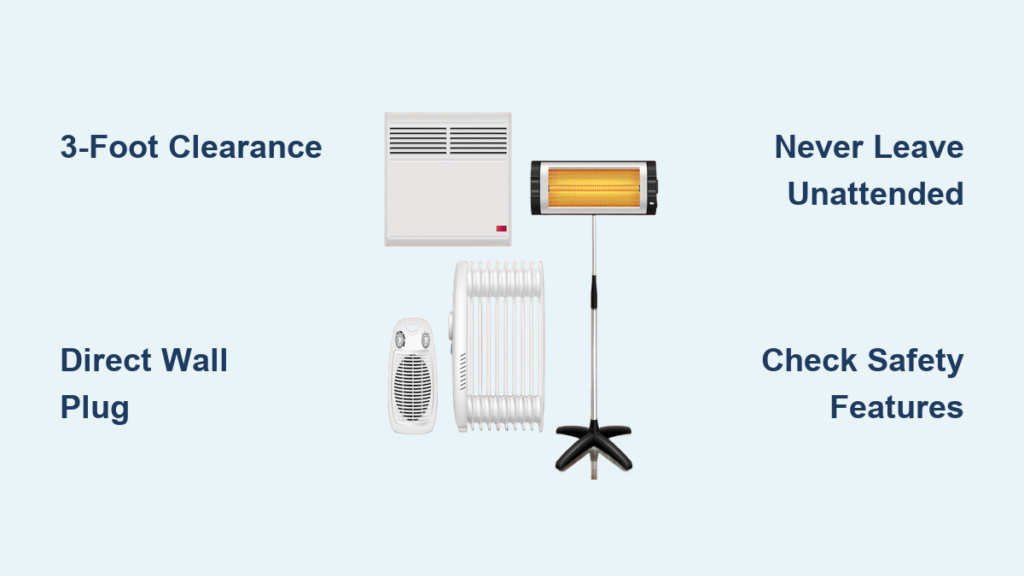
Keep at least three feet of clearance from curtains, furniture, bedding, and other flammable materials. Place heaters on hard, level, nonflammable surfaces only. Never use them on rugs or carpets. Plug directly into wall outlets. Never use extension cords or power strips with heaters. Never leave a heater unattended or running while sleeping.
Understand Noise Levels Before Buying
If you plan to use a heater in a bedroom or office, noise can make or break your experience. Heater noise is measured in decibels, with lower numbers indicating quieter operation.
Quietest and Loudest Options
The quietest models operate at 39 to 42 decibels, similar to a whisper. The Dreo Atom One measures just 39.3 decibels, while the Lasko Ceramic Tower comes in at 42.5 decibels. Louder models reach 46 to 48 decibels, comparable to a quiet conversation. The Honeywell HCE322V registers 46.2 decibels, and the GiveBest PTC-905 reaches 47.7 decibels.
For silent operation in bedrooms, choose oil-filled or micathermic heaters. Avoid fan-forced models in quiet spaces.
Evaluate Smart Features and Controls
Modern heaters come with features that improve convenience and efficiency. Understanding which ones matter helps you learn how to choose a space heater that actually gets used.
Thermostat and Eco Mode
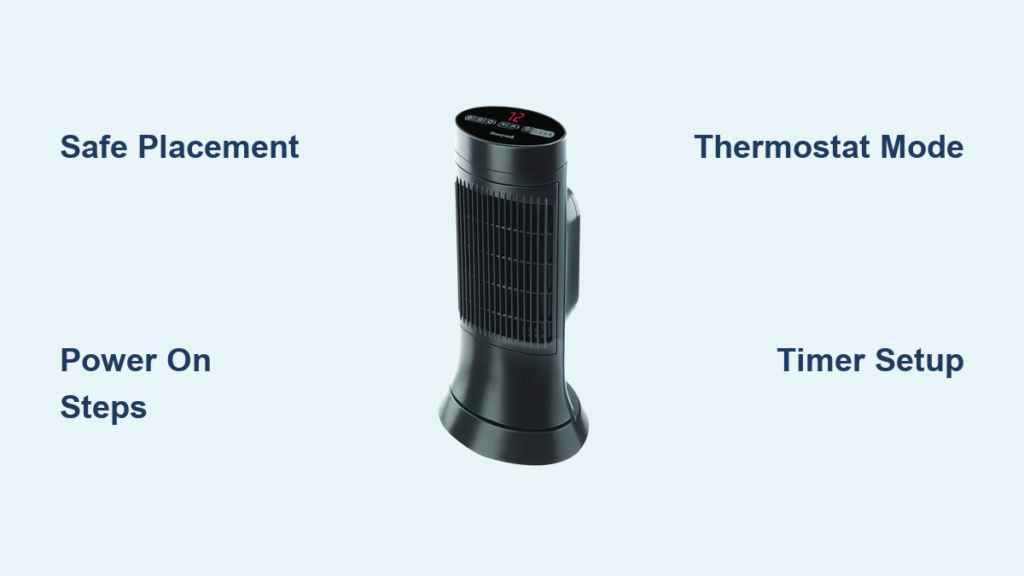
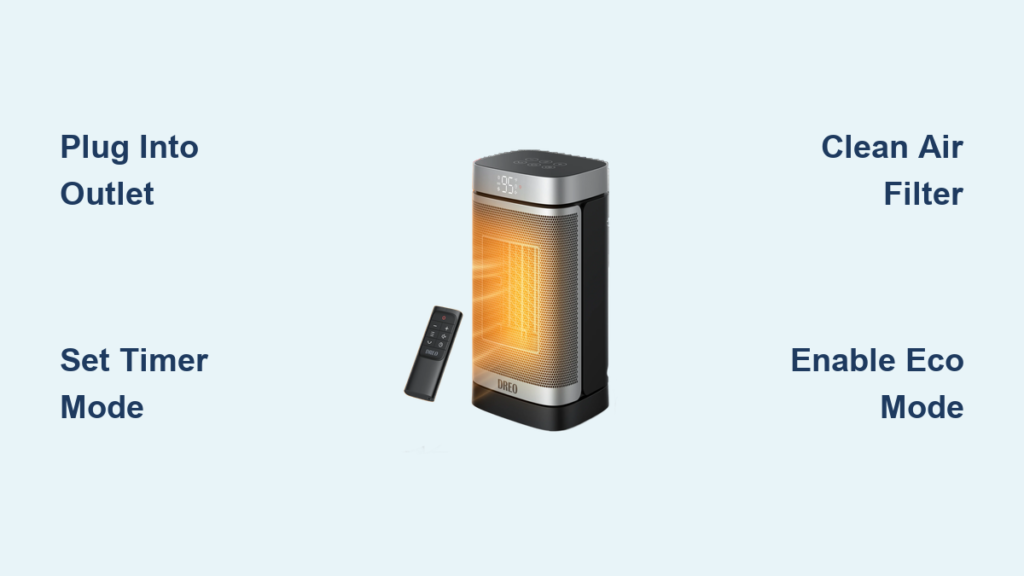
A manual thermostat requires you to adjust heat settings yourself. An automatic thermostat maintains your selected temperature by cycling the heater on and off. Eco mode reduces power consumption once the room reaches your target temperature, saving energy without sacrificing comfort. The Vornado AVH10 uses smart thermostat technology to maintain consistent warmth with minimal cycling.
Timer Functions
Timers allow automatic shut-off after 1 to 24 hours. This feature is ideal for warming a room before bed or having the heater turn off after you fall asleep. Use timers to avoid running heaters unattended.
Remote Controls and Digital Displays
Remote controls let you adjust settings from your bed or couch. Digital displays show exact temperature and current settings. These features appear on premium models from brands like Dyson, Lasko, and Heat Storm. They add cost but improve usability significantly for floor units.
Oscillation
Oscillation rotates the heater to spread warmth evenly across a room. This feature improves whole-room heating but may slightly increase noise. Best for living rooms and common areas rather than spot heating.
Calculate Operating Costs
All electric space heaters convert 100% of electricity into heat, making them equally efficient from a physics standpoint. However, electricity costs mean running these units adds up quickly.
Cost to Run a 1,500-Watt Heater
At $0.13 per kilowatt-hour, running a 1,500-watt heater for one hour costs approximately $0.195. Using it for eight hours daily totals about $1.56 per day or $47 per month. These costs add up significantly over a winter season.
Zone Heating Strategy
The most effective way to manage costs is zone heating. Lower your central thermostat by 5 to 10 degrees and heat only occupied rooms with your space heater. This strategy can reduce total heating bills by 10 to 15 percent. Focus on smart features like timers, thermostats, and eco modes to minimize runtime while maintaining comfort.
Unlike appliances, no space heaters qualify for ENERGY STAR certification because all resistive electric heaters are equally efficient.
Follow Critical Safety Guidelines
Beyond features, proper usage determines safety. These rules apply regardless of which heater model you choose.
Fire Prevention
Never leave a heater unattended. Never use while sleeping. Never place near curtains, furniture, or bedding. Never use on soft surfaces like rugs or couches. Keep three feet of clearance on all sides.
Electrical Safety
Always plug directly into a wall outlet. Never use extension cords, surge protectors, or power strips. Avoid high-traffic areas where cords create tripping hazards.
Carbon Monoxide Awareness
Electric heaters produce no carbon monoxide. Fuel-burning heaters including propane, kerosene, and natural gas units can produce deadly carbon monoxide and should only be used with proper venting. Install CO detectors on every floor if using any combustion appliance.
Choose the Best Model for Your Needs
Certain heaters excel for specific use cases. Here is how to choose a space heater that matches your priorities.
For Whole-Room Heating
The best choice is a ceramic fan-forced or oil-filled heater. The Vornado AVH10 delivers 1,500 watts with oscillation and a thermostat. It heated a 150-square-foot room in 15 minutes during testing.
For Personal or Spot Heating
Infrared heaters provide instant, intense warmth exactly where you need it. The Honeywell HCE322V warms you directly, delivering 17.1 degrees Fahrenheit temperature increase in just five minutes at three feet.
For Quiet Operation
Oil-filled or micathermic heaters run silently. The DeLonghi HVA8315 offers steady, quiet heat with wheels for easy movement between rooms.
For Safety with Kids and Pets
Cool-touch ceramic heaters minimize burn risks. The Lasko 755320 features cool housing, tip-over switch, overheat protection, and a remote control for convenience without danger.
For Budget Buyers
Basic ceramic heaters under $50 deliver excellent performance. The Amazon Basics 1500-watt heater costs just $27 and provides powerful, reliable heat simply.
For High-End Users
Smart multi-function heaters offer premium features. The Dyson Hot+Cool AM09 heats, cools, purifies air, and connects to smartphone apps, though it costs $500 or more.
Final Checklist Before You Buy
Before purchasing, confirm these points. Verify wattage matches your room size using the 10-watts-per-square-foot rule. Ensure tip-over and overheat protection are present. Check for UL, ETL, or CSA certification. If children or pets live in your home, confirm cool-touch housing. Verify thermostat and timer functions are included. Consider whether remote control improves your experience. Look for oscillation if heating entire rooms matters. Ensure cord length is at least 70 inches for placement flexibility. Plug directly into wall outlets only. Avoid unvented combustion heaters for indoor use. Read recent user reviews for quality and durability confirmation.
Frequently Asked Questions About Choosing a Space Heater
What size space heater do I need for my room?
Multiply your room’s square footage by 10 to determine the watts needed. A 150-square-foot room requires approximately 1,500 watts. For spaces up to 100 square feet, 750 to 1,000 watts suffices. Larger rooms over 200 square feet may need two heaters or a model with stronger output.
Are oil-filled heaters better than ceramic ones?
Both have strengths. Oil-filled radiators operate silently and provide steady, lasting heat, making them ideal for bedrooms and prolonged use. Ceramic heaters heat faster and are more portable, working better for quick warming and moving between rooms. Choose based on your priority between speed and quiet operation.
How much does it cost to run a space heater all day?
Running a 1,500-watt heater for eight hours costs approximately $1.56 per day at $0.13 per kilowatt-hour. This totals around $47 per month. Using a thermostat and timer to run the heater only when needed significantly reduces these costs.
What safety features should I look for in a space heater?
Essential features include tip-over protection, overheat protection, and cool-touch housing. Always choose models certified by UL, ETL, or CSA. Keep the heater three feet from flammable materials and always plug directly into a wall outlet.
Can I use a space heater in my bedroom while sleeping?
It is not recommended to run a space heater while sleeping, even with safety features. If you must use one in a bedroom, choose a silent model like an oil-filled radiator, set a timer to shut off after you fall asleep, and ensure proper clearance from bedding and curtains.
Key Takeaways for Choosing the Right Space Heater
Finding the best space heater requires matching technology to your specific needs. Ceramic heaters offer fast, portable heat for small to medium rooms. Oil-filled radiators provide silent, steady warmth ideal for bedrooms. Infrared units deliver instant spot heating for workshops and garages. Always prioritize safety features including tip-over protection, overheat shutoff, and cool-touch housing. For most people, a 1,500-watt ceramic heater like the Vornado AVH10 delivers the best balance of performance, safety, and value. Use zone heating strategies to reduce energy costs, and always follow safety guidelines strictly. When used correctly as supplemental heat in occupied rooms, a quality space heater can enhance comfort and help you save on heating bills all winter long.