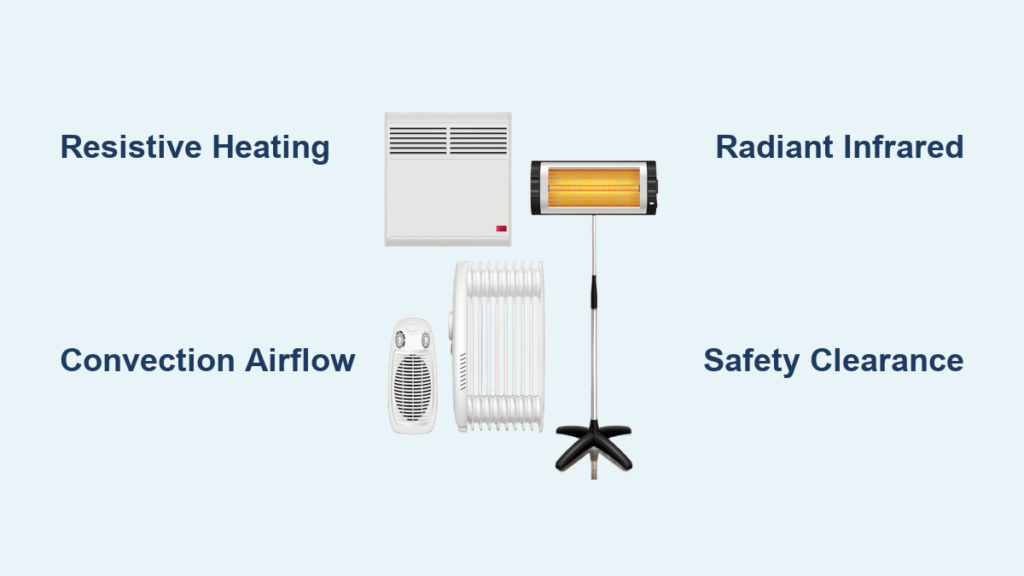

A paraffin heater can be a powerful, portable solution for warming spaces where central heating isn’t available, whether it’s a drafty garage, a living room during a power outage, or a greenhouse in winter. But without proper use, this efficient device can become a fire hazard or a source of dangerous fumes. Knowing how to use a paraffin heater correctly is essential for safety, performance, and longevity.
Paraffin (also known as kerosene) heaters generate heat through clean combustion, making them ideal for spot heating in small to medium rooms. However, they produce carbon monoxide and require strict ventilation, supervision, and fuel handling. Missteps like refueling while hot, using outdoor models indoors, or ignoring flame color can lead to serious risks.
This guide walks you through every step, from setup and lighting to maintenance and storage, so you can operate your paraffin heater safely, maximize efficiency, and avoid common mistakes. Whether you’re heating a home, workshop, or greenhouse, these actionable steps ensure reliable, risk-free operation.
Prepare the Safe Operating Area

Maintain 3-Foot Clearance from Combustibles
Before lighting your paraffin heater, position it at least 3 feet (1 meter) away from anything flammable. This includes curtains, furniture, paper, bedding, clothing, and walls. Radiant heat from the unit can ignite nearby materials, especially in cluttered or enclosed spaces.
Avoid corners or narrow passages where heat builds up. Instead, place the heater in the center of the room or near the area you want to warm, ensuring full airflow around all sides.
Choose a Level, Stable Surface
Set the heater on a flat, non-flammable surface like tile, stone, or metal. Never place it on carpet, wood tables, or wobbly stands. An uneven surface increases tipping risk, which could spill fuel and start a fire.
Keep the location out of high-traffic areas, especially where children or pets might bump into it.
Ensure Proper Ventilation
Even indoor-rated paraffin heaters produce carbon monoxide. Never operate without ventilation. Open a window or door slightly, about 1–2 inches, to allow fresh air intake and prevent fume buildup.
Run the heater in bursts rather than continuously. For example, operate for 1–2 hours, then turn off and air out the room. This maintains warmth while reducing dryness and CO concentration.
Select the Right Fuel
Use Only Clean, Indoor-Rated Paraffin
Only use high-quality, clear paraffin fuel labeled for indoor heater use. This type burns cleaner, with less odor, smoke, and soot. Avoid red-dyed kerosene (often sold for outdoor use), which contains impurities that increase emissions and clog the wick.
Never substitute gasoline, diesel, alcohol, or other fuels. These are highly volatile and can cause explosions.
Store Fuel Safely
Keep fuel in its original, sealed container, stored in a cool, dry place away from sunlight and heat sources. Never store fuel near the heater, in the same room, or inside living spaces. A detached shed or garage (away from ignition sources) is ideal.
Always use a funnel when pouring to prevent spills.
Fill the Heater Correctly
Refuel Only When Cool
Never add fuel to a hot or warm heater. Residual heat can vaporize fuel instantly, triggering a flash fire. Wait at least 30 minutes after extinguishing the flame before refueling.
Follow Safe Filling Steps
- Turn off the heater and let it cool completely.
- Place it on a stable surface.
- Use a clean funnel to pour fuel slowly into the tank.
- Fill only to about 1 inch below the top to allow room for fuel expansion and proper vaporization.
- Wipe away any spilled fuel with a dry cloth before relighting.
Overfilling causes leaks and pressure buildup. Spilled fuel can ignite when the heater is relit.
Light the Heater Safely
Use a Long-Reach Lighter
Keep your hands at a safe distance by always using a long-reach lighter or fireplace matches. Standard lighters bring your face and hands too close to the flame and fuel tank.
Prime and Ignite the Wick
- Raise the wick to the recommended height (usually 1/8 to 1/4 inch above the burner cup).
- Let it soak for 1–2 minutes if dry.
- Hold the flame to the wick and ignite slowly.
- Adjust the wick up or down to achieve a steady, blue flame.
Avoid rushing the ignition. Vapors can flare up if lit too quickly.
Recognize Flame Colors
- Blue flame: Efficient, clean combustion.
- Yellow or flickering flame: Incomplete burning, increased carbon monoxide.
- Common causes: dirty wick, low fuel, poor ventilation.
- Action: turn off, adjust wick, clean, or improve airflow.
If the flame smokes or sputters, shut down immediately and inspect.
Regulate Heat Output

Adjust the Wick or Thermostat
Most paraffin heaters use a knob to raise or lower the wick, controlling heat output. Start at a low-to-medium setting and increase gradually.
Higher wick equals more heat, but also more fuel consumption and fumes. Match the setting to the room size and your desired warmth.
Monitor Continuously
Never leave a burning paraffin heater unattended. Stay in the same room while it’s on. If you must leave, extinguish the flame.
Check the flame every 30 minutes. A sudden color change could signal a problem.
Maximize Heating Efficiency
Circulate Warm Air with a Fan
Heat rises. To prevent warm air from pooling near the ceiling, place a small oscillating fan nearby (but not directly on the heater). It helps distribute warmth evenly across the room.
Seal the Room Without Sealing It Completely
Close doors and windows to reduce drafts and heat loss. However, always leave a window cracked open for ventilation. A 1–2 inch gap is sufficient.
Use draft stoppers, heavy curtains, and rugs to improve insulation without compromising safety.
Position for Even Heat Spread
Face the heater toward the center of the room or the area you want to warm. Avoid blocking it with furniture or walls. Some models radiate heat in all directions; others are directional. Check your unit’s design.
Maintain the Heater Regularly
Clean the Wick Weekly
A dirty or carbon-coated wick causes poor combustion and soot. Before each use, inspect the wick:
- If frayed, blackened, or uneven, trim or replace it.
- Let it soak before lighting to ensure even fuel absorption.
Replace wicks every 4–6 weeks with regular use, or sooner if performance declines.
Inspect for Leaks and Blockages
Before every use, check:
- Fuel tank for cracks or leaks
- Fuel lines for clogs
- Burner assembly for residue
Any sign of leakage means do not use until repaired.
Deep Clean Monthly
- Empty the fuel tank.
- Wipe the inside with a dry cloth.
- Clean the burner cup and wick holder with a soft brush.
- Remove soot from the mantle or reflector (if applicable).
This prevents clogs and ensures optimal performance.
Handle Emergencies Quickly
Know How to Shut Off the Fuel
In case of spill, flare-up, or smoke, immediately cut the fuel supply. Most heaters have a wick-lowering knob. Turn it fully to extinguish the flame safely.
Never throw water on a paraffin fire. It can spread burning fuel.
Keep Fire Control Nearby
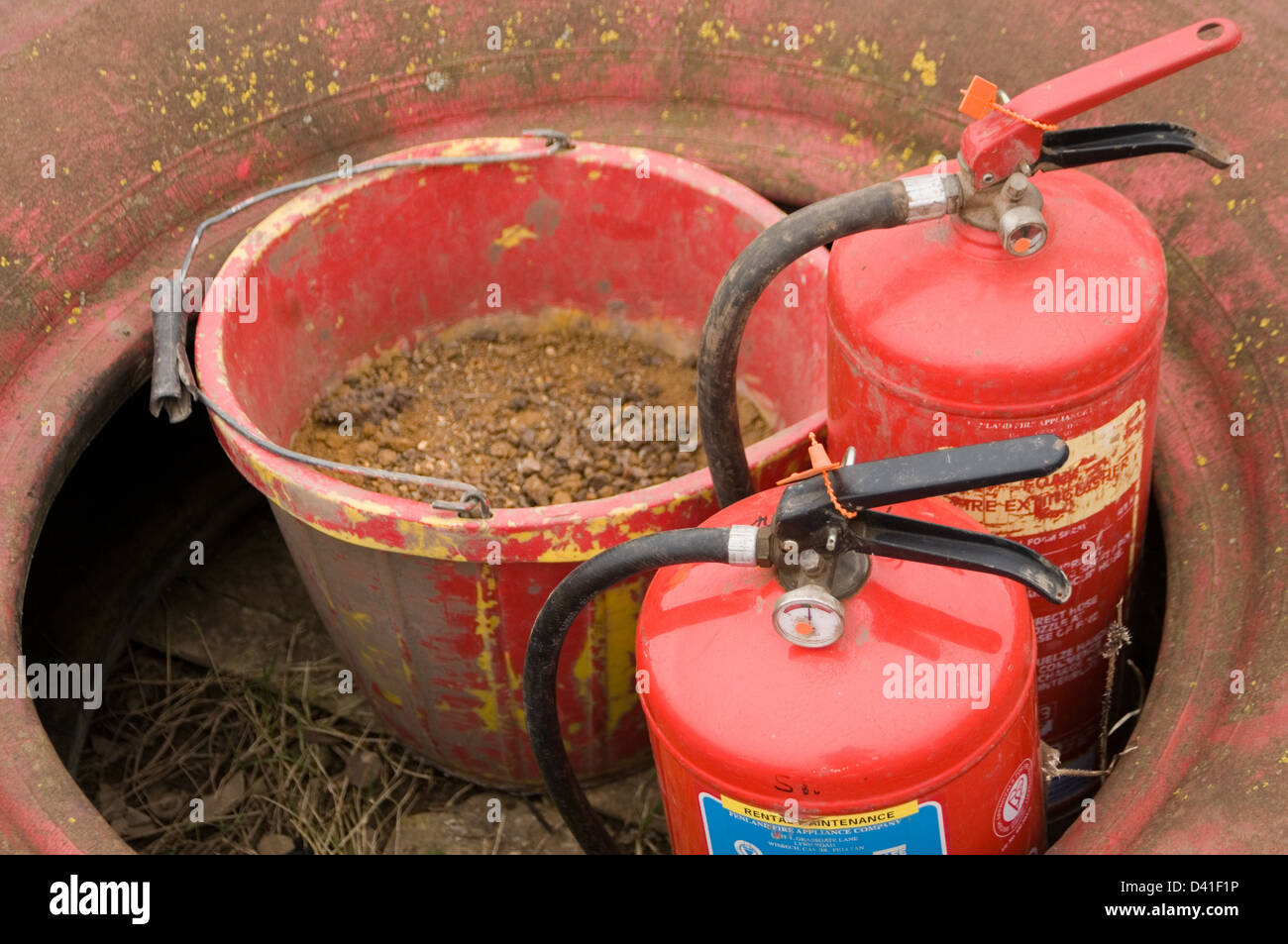
Always have one of these within reach:
- Class B fire extinguisher (for flammable liquids)
- Bucket of sand or baking soda (to smother flames)
Water is ineffective and dangerous for fuel fires.
Respond to Carbon Monoxide Risk
Symptoms of CO poisoning include headache, dizziness, nausea, and confusion.
If suspected:
1. Turn off the heater.
2. Evacuate the area.
3. Get fresh air immediately.
4. Seek medical help.
Install a carbon monoxide detector in any room where you use the heater.
Store the Heater Properly
Empty or Seal Before Storage
If storing long-term:
– Empty the fuel tank completely, or
– Fill it to the top (to reduce air and condensation), then seal tightly.
Stale fuel degrades and clogs the system.
Clean and Protect the Unit
Wipe down the exterior, clean the wick, and store in a dry, cool place away from sunlight and heat sources.
Keep it covered or in a storage case to prevent dust buildup.
Store Fuel Separately
Never store fuel in the same container as the heater. Use only the original fuel can with a secure lid.
Use Cases and Best Practices

Heat a Living Room or Bedroom
For indoor comfort:
– Use an indoor-rated model.
– Run in 1–2 hour intervals.
– Crack a window for air exchange.
– Use a fan to spread warmth.
– Keep away from beds and couches.
Avoid using in small, sealed bedrooms overnight. CO risk is too high.
Warm a Garage or Workshop
In well-ventilated workspaces:
– Ensure overhead clearance from shelves or flammable tools.
– Use during active work hours only.
– Turn off when leaving.
Avoid using near solvents, paint, or propane tanks.
Protect Plants from Frost
In greenhouses or allotments:
– Place heater at ground level for rising heat.
– Position centrally among plants.
– Run only during frost events.
– Monitor flame and ventilation.
Do not leave unattended overnight in unmonitored structures.
Frequently Asked Questions About Paraffin Heaters
Can I use a paraffin heater overnight while sleeping?
No. Paraffin heaters should never be left unattended, especially while sleeping. They produce carbon monoxide and pose fire risks if left unsupervised. Always turn off the heater before going to bed and ensure proper ventilation.
How often should I replace the wick in my paraffin heater?
Replace the wick every 4–6 weeks with regular use, or sooner if it appears frayed, blackened, or damaged. A worn wick causes poor combustion, increased soot, and higher carbon monoxide emissions.
What should I do if my paraffin heater flame turns yellow?
A yellow or flickering flame indicates incomplete combustion, often caused by a dirty wick, low fuel, or poor ventilation. Turn off the heater, check the wick, ensure adequate airflow, and allow the unit to cool before relighting.
Is it safe to use a paraffin heater in a small room?
Only indoor-rated models should be used in enclosed spaces, and even then, ventilation is mandatory. Crack a window 1–2 inches, run the heater in short bursts, and never use it in small sealed bedrooms overnight.
What type of fuel should I use in my paraffin heater?
Use only clean, high-quality paraffin fuel specifically labeled for indoor heater use. Avoid red-dyed kerosene, gasoline, diesel, or alcohol, as these can cause explosions, excessive soot, or toxic emissions.
How do I store paraffin fuel safely?
Store fuel in its original sealed container in a cool, dry place away from sunlight, heat sources, and living areas. Never store fuel near the heater or inside the home. A detached shed or garage is ideal.
Key Takeaways for Safe Paraffin Heater Use
A paraffin heater delivers reliable, efficient warmth when handled with care. The most critical practices include maintaining 3-foot clearance from combustibles, ensuring proper ventilation, using only approved indoor-rated fuel, and never leaving the unit unattended. Regular wick maintenance and monthly deep cleaning extend the life of your heater and keep combustion clean.
Before your next use, run through the safety checklist: stable surface, clear surroundings, cracked window, clean wick, blue flame, and fire extinguisher within reach. Install a carbon monoxide detector in any room where you operate the heater. Consult your model’s manual for specific instructions, and never compromise on ventilation or supervision. Stay warm, stay safe.