
Is your wall heater still running when the room feels too warm? You are not alone. Many homeowners are unsure how to properly shut down a wall heater, especially when there is no visible power button. Knowing how to turn off a wall heater safely helps you save energy, prevent fire hazards, and extend the life of your unit. Whether you have an electric, hydronic, or steam heater, using the wrong shutdown method can cause damage or safety risks. This guide walks you through step-by-step methods to shut down any type of wall heater, troubleshoot common issues, and avoid costly mistakes.
Identify Your Wall Heater Type
:max_bytes(150000):strip_icc()/convection-vs-hydronic-electric-baseboard-heaters-1821911_FINAL-ab6a04e928824ed597b49c0fd2f92286.jpg)
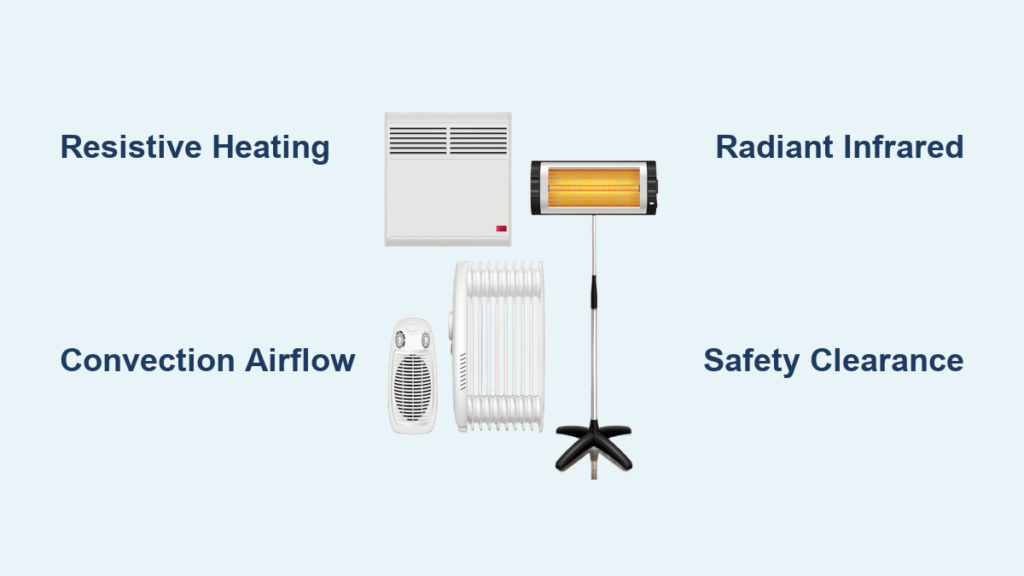
Before you attempt to turn off your heater, you need to know which type you have. The correct method depends on the system, and using the wrong approach can be ineffective or unsafe.
Electric Wall Heaters
Electric units are the most common in apartments and newer homes. They use electric resistance coils to generate heat and often feature built-in thermostats or manual switches. Look for:
– A switch mounted on or near the unit
– A dial or digital thermostat on the front
– No visible flue or gas line
Hydronic (Hot Water) Wall Heaters
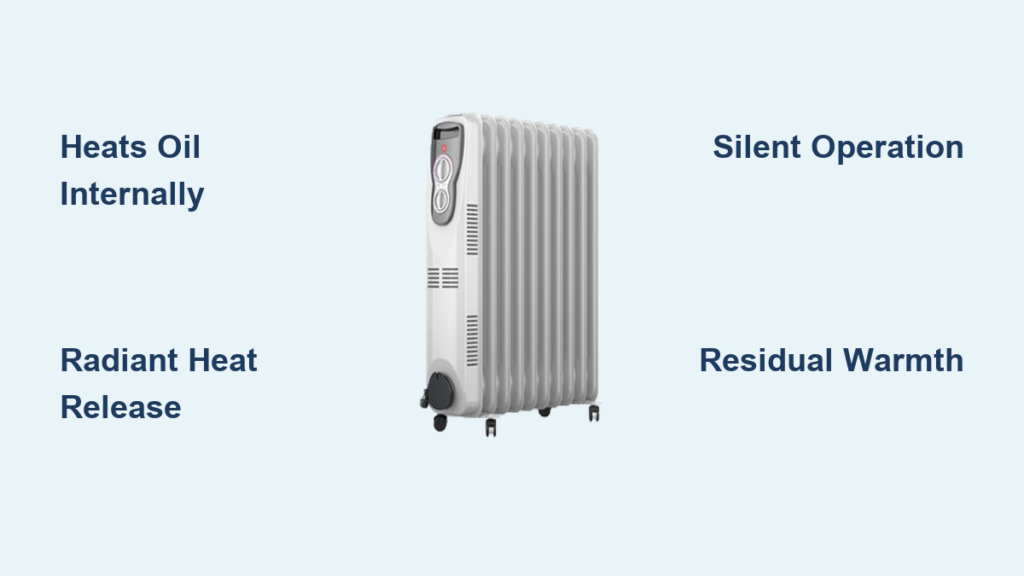
Hydronic heaters connect to a boiler and circulate hot water through baseboard units or radiators. They run quietly and provide steady heat. Signs include:
– Metal fins or panels running along a wall
– Pipes connected to the unit instead of wires
– A central thermostat controlling the system
Steam Radiator Heaters
Older buildings often use steam systems, which boil water to produce steam that rises into radiators. These systems usually lack individual controls. Identify them by:
– Hissing or gurgling sounds during operation
– Large cast-iron radiators
– A single boiler controlling all units
Turn Off Electric Wall Heaters

Electric wall heaters are usually the easiest to shut down because they operate independently and often have direct controls.
Flip the Wall Switch or Breaker
Many electric heaters have a dedicated wall switch nearby, sometimes labeled for the unit. If yours does:
– Flip the switch to the Off position
– Listen for the fan to stop, if equipped
– Confirm the unit is no longer emitting heat
If there is no wall switch:
– Go to your electrical panel
– Locate the breaker labeled for the heater, often a 240V double-pole breaker
– Switch it to Off to cut power completely
⚠️ Pro Tip: Never leave an electric heater running unattended, especially in bedrooms or high-traffic areas. Turning it off at the breaker eliminates any risk of overheating.
Adjust or Disable the Thermostat
Some units have built-in thermostats that let you stop heating without cutting power:
– Turn the dial to Off or the lowest setting
– On digital models, press and hold the power or mode button
– Set the target temperature below the current room temperature
If the heater keeps running after these steps, the thermostat may be faulty. See the troubleshooting section below.
Shut Down Hydronic Wall Heaters
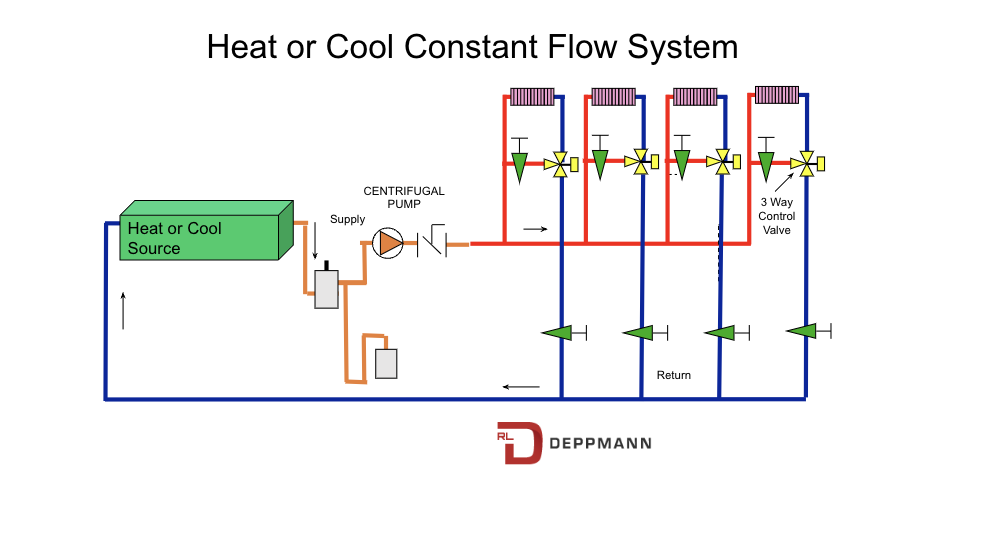
Hydronic systems rely on a boiler to circulate hot water, so closing valves on a single unit is often necessary to stop heat in that area.
Close the Control Valve
Each hydronic heater has two valves, one at each end:
– Turn both valves clockwise to stop water flow
– The supply-side valve (hot water in) is the most important
– The radiator will cool gradually after closing
✅ Visual Cue: Once closed, the valve handle should sit perpendicular to the pipe.
Use the Zone Thermostat (If Available)
Modern hydronic systems often divide the home into zones, each with its own thermostat:
– Lower the thermostat to Off or around 50°F (10°C)
– Wait 10 to 15 minutes for the system to respond
– Confirm the radiator is no longer warm to the touch
If your system has no zone control, you will need to shut down the main boiler to stop heat in that area entirely.
Stop Steam Radiator Heaters
Steam systems can be tricky because they are often controlled by a single boiler serving the whole building.
Close the Air Vent or Inlet Valve
Most steam radiators have an inlet valve near the floor:
– Turn it clockwise until snug, but do not force it
– This stops steam from entering the radiator
– The unit will cool over 20 to 30 minutes
❗ Warning: Never paint over or fully seal steam valves. They must release pressure safely.
Shut Off the Boiler
To stop all steam heating in the home:
– Locate the boiler control panel
– Switch the power to Off
– Turn off the fuel supply (gas or oil) for long-term shutdowns
⚠️ Caution: In cold climates, turning off the boiler completely can lead to frozen pipes. Only do this in warm weather or when winterizing the home.
Emergency: How to Turn Off a Malfunctioning Heater
:max_bytes(150000):strip_icc()/double-pole-circuit-breaker-59b9782822fa3a0011a34fde.jpg)
If your wall heater will not shut off, smells like burning, or shows visible sparks, act fast.
Cut Power at the Breaker
Follow these steps immediately:
1. Evacuate the area if there is smoke or fire
2. Go to your electrical panel
3. Turn off the double-pole breaker for the heater
4. Call a licensed electrician or HVAC technician
🚨 Never ignore a heater that runs nonstop. It can overheat and cause a fire.
Watch for These Danger Signs
- Persistent burning smell
- Unit stays hot even after lowering the thermostat
- Tripped circuit breaker
- Visible sparks or discoloration on the unit
If you notice any of these signs, shut off power immediately and schedule a professional inspection.
Common Mistakes When Turning Off Wall Heaters
Avoid these frequent errors that can damage your system or create safety hazards.
Leaving It On Low Instead of Off
Many people assume setting the thermostat low is the same as turning the heater off. It is not. The unit will still cycle on and waste energy.
✅ Fix: Use the physical switch or breaker for a true shutdown.
Forcing Closed Steam Valves
Over-tightening valves can strip threads or cause leaks when reopened.
✅ Fix: Turn until you feel resistance, then stop.
Ignoring Maintenance After Shutdown
Dust and debris build up when heaters sit unused. Turning it off is only half the job.
✅ Pro Tip: Vacuum around the unit, wipe down grills, and check for obstructions before the next use.
Preventive Tips for Safe Heater Use
Keep your wall heater safe and efficient with these simple habits.
Install a Smart Thermostat (Electric Models)
A programmable or Wi-Fi thermostat adds convenience and safety:
– Set automatic off times when you leave for work
– Monitor usage from your smartphone
– Receive alerts if the unit runs too long
💡 Bonus: Some models work with voice assistants, so you can say, “Hey Google, turn off the bedroom heater.”
Schedule Annual Inspections
Even if your heater works fine, a yearly professional check is worth it:
– Tests for electrical faults
– Cleans internal components
– Confirms safe operation
How to Tell the Heater Is Fully Off

Do not assume the heater is off just because the fan stopped. Verify with these checks.
Touch Test (After 10 Minutes)
- Hold your hand near the heater’s surface
- Slight warmth is normal as residual heat dissipates
- If it feels hot, the unit may still be powered
Use a Non-Contact Thermometer
Point a laser thermometer at the unit:
– Readings above 90°F (32°C) suggest active heating
– Below room temperature means it is fully off
Listen for Sounds
- No humming (electric)
- No gurgling (hydronic)
- No hissing (steam)
Silence confirms a successful shutdown.
When to Call a Professional
Some issues cannot be solved with a switch or valve turn.
Heater Won’t Shut Off Even With the Breaker Off
This may point to:
– A wiring fault
– A stuck relay or contactor
– A defective thermostat
🛠️ A licensed electrician or HVAC technician should handle these repairs.
Leaking Pipes or Radiators
Water dripping from a hydronic or steam unit requires quick action:
– Turn off the boiler and water supply
– Call a plumber immediately
Burning Smell Persists After Cleaning
This could signal:
– Overheated wiring
– Melted insulation
– Motor failure
🚨 Stop using the unit and get expert help right away.
Frequently Asked Questions About Wall Heaters
How do I turn off a wall heater with no visible switch?
Go to your electrical panel and switch off the breaker labeled for the heater. This cuts power completely and is the safest method when no switch is present.
Is it safe to unplug a wall heater?
Only if the unit plugs into an outlet. Many wall heaters are hardwired, meaning only the breaker can cut power safely. Never unplug a hardwired heater.
Can I leave my electric wall heater on overnight?
It is not recommended. Unattended electric heaters pose a fire risk. Use a timer or thermostat to shut it off automatically if you fall asleep.
Why does my wall heater keep running after I turn the thermostat down?
A faulty thermostat, stuck relay, or wiring issue can keep the heater active. If lowering the thermostat does not stop the unit, cut power at the breaker and call a professional.
How long does a wall heater take to cool down?
Most wall heaters cool within 10 to 30 minutes after shutdown, depending on the type and how long they were running.
Final Thoughts on Turning Off a Wall Heater Safely
Knowing how to turn off a wall heater correctly protects your home, saves energy, and prevents accidents. Whether you flip a switch, close a valve, or cut power at the breaker, each step plays a role in safe operation. Always prioritize safety, especially with older systems or units that show warning signs. When in doubt, shut off power and call a licensed professional. With the right approach, you can stay warm in winter and keep your home safe all year long.