
You flip the switch, and within minutes, warmth fills the room. But have you ever wondered what is happening inside that compact unit? How does a room heater work to turn cold air into cozy comfort, and why do some models heat faster, run quieter, or cost less to operate than others? Understanding the science behind heating helps you choose the right model and use it more efficiently.
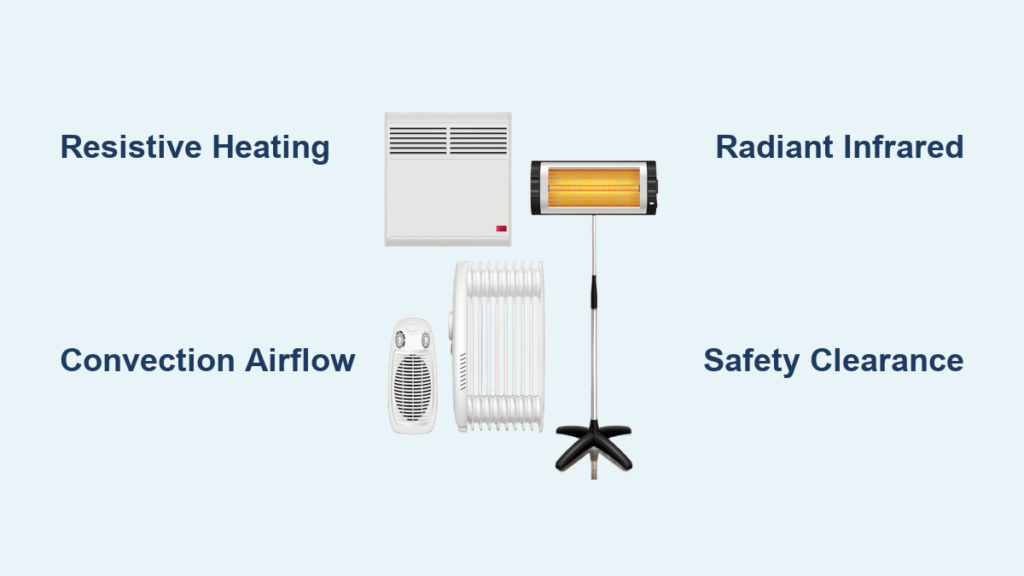
Room heaters convert electrical energy into heat through different methods. While their exteriors may look similar, their internal mechanisms vary significantly. Some use radiant heat to warm objects directly, while others rely on convection to circulate warm air. Each type offers unique benefits depending on your space and needs. In this guide, you will learn how does a room heater work, explore the most common types, and discover practical tips for efficiency, safety, and performance.
Types of Room Heaters
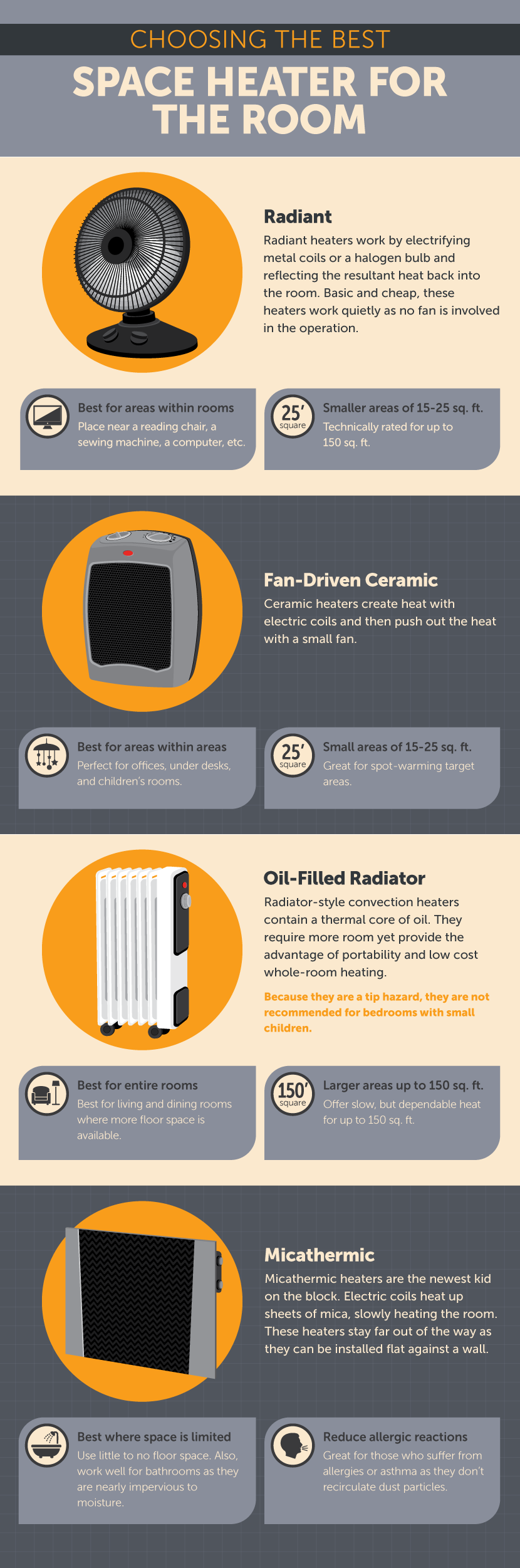
Different heaters use different methods to produce warmth. Knowing the main types helps you understand how each one delivers heat to your space.
Ceramic Heaters
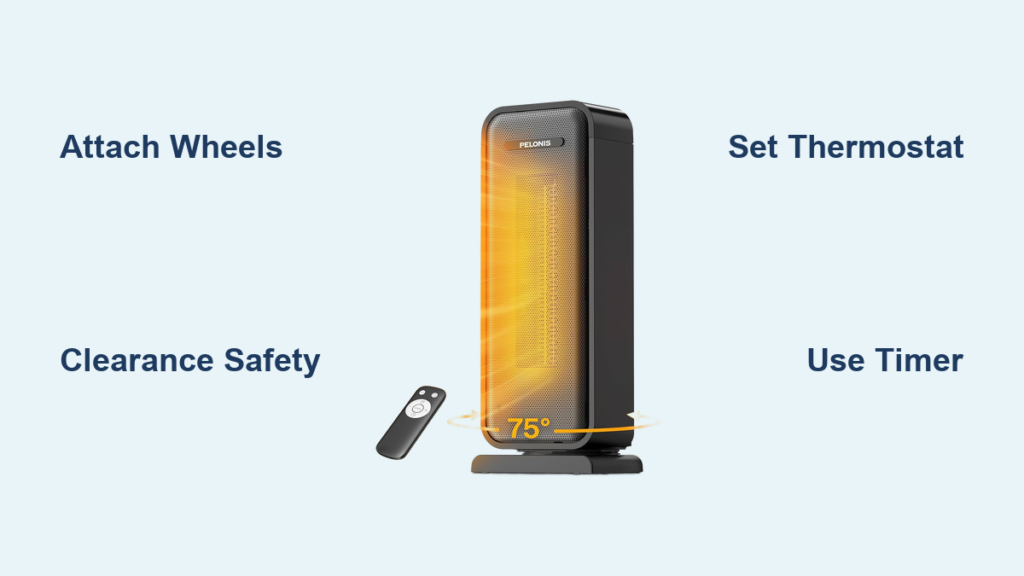
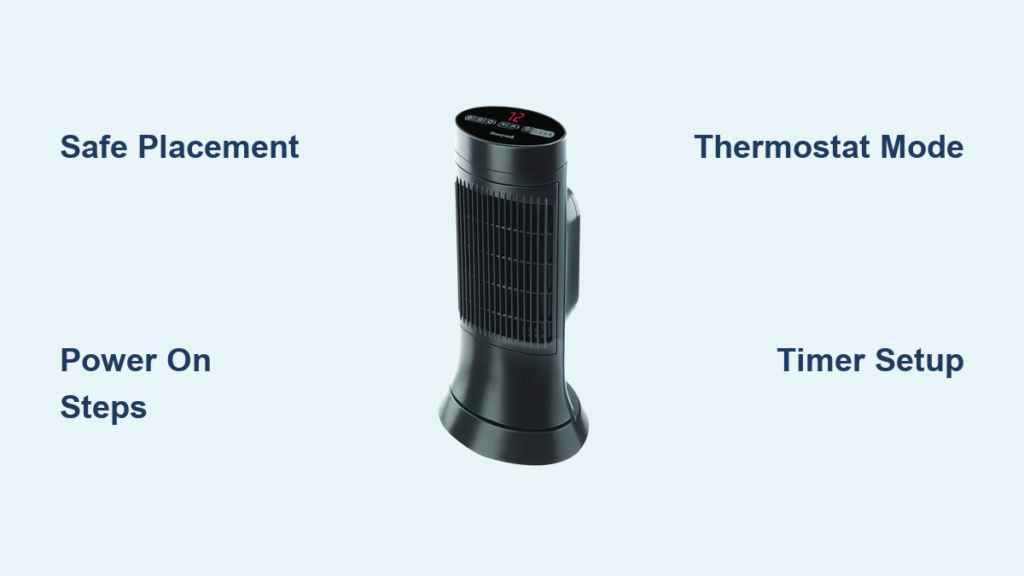
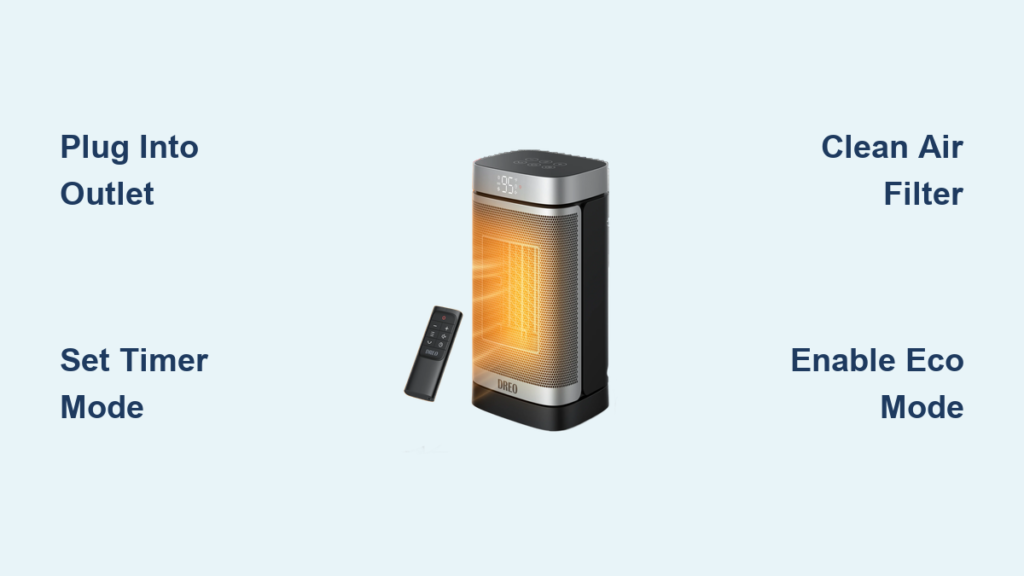
Ceramic heaters use a ceramic plate that heats up when electricity passes through it. A fan then blows air across the hot plate, pushing warm air into the room. These units heat up quickly and are known for energy efficiency in small areas.
Many models include safety features like automatic shutoff if tipped over or overheated. Ceramic heaters work best in small to medium-sized rooms where fast, temporary warmth is needed.
Pro Tip: Ceramic heaters cool down quickly after being turned off, making them safer around children and pets.
Infrared Heaters
Infrared heaters emit invisible infrared radiation that directly warms people and objects rather than the air. Think about how sunlight feels warm on your skin even in cold weather. That is the same principle behind infrared heating.
These heaters are ideal for spot heating, such as warming a workstation or seating area. Because they do not rely on air circulation, they operate silently and preserve indoor humidity better than fan-based models.
Best For: Garages, patios, or drafty rooms where immediate personal warmth is desired.
Oil-Filled Radiators
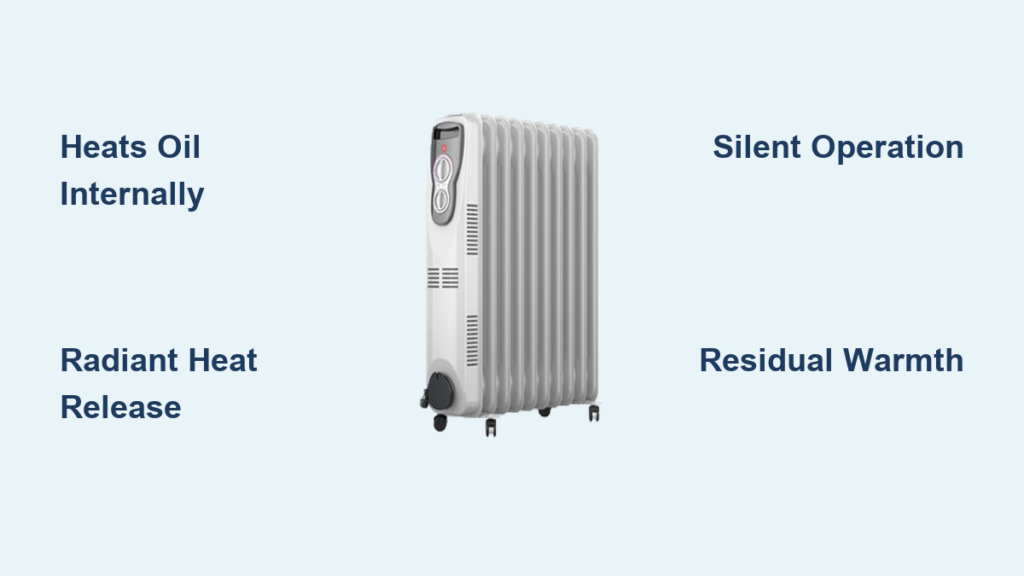
Oil-filled radiators contain diathermic oil sealed inside metal fins. When electricity flows through a heating element, the oil warms up and circulates through the fins, releasing steady heat into the room.
Unlike other models, these heaters continue radiating warmth even after being turned off due to thermal retention. They run quietly, stay cooler to the touch, and work well for continuous use in bedrooms or living rooms.
Note: They take longer to warm up but provide long-lasting, consistent heat.
Fan Heaters
Fan heaters use a resistive coil that heats up when powered. A built-in fan pushes air across the hot coil and distributes it into the room. They deliver fast heat but can be noisy and may dry out the air.
Commonly used in bathrooms or small spaces, they are affordable but less efficient for prolonged operation.
Caution: Keep flammable materials away, since coils can glow red-hot.
Micathermic Heaters
Micathermic heaters combine radiant and convection heating. They use mica-covered heating elements that emit infrared radiation while also warming surrounding air.
These units are lightweight, slim, and heat up quickly. Many include oscillation features and thermostats for better temperature control.
Advantage: Efficient for medium-sized rooms with minimal noise output.
Core Heating Mechanisms
All room heaters rely on one or more fundamental heat transfer methods. Understanding these explains their performance differences.
Convection Heating Explained
Convection heaters warm the air directly. As air heats up, it rises, and cooler air moves in to replace it, creating a natural circulation loop throughout the room.
- Works well in enclosed spaces
- Best for whole-room heating
- Slower initial warmth but consistent over time
Examples include oil-filled radiators and convection panel heaters.
Visual Cue: No visible glow, and heat builds gradually.
Radiant (Infrared) Heating
Radiant heaters emit electromagnetic waves in the infrared spectrum that travel until absorbed by surfaces, warming those objects directly.
- Immediate sensation of warmth
- Does not depend on air temperature
- Ideal for targeted heating zones
Used in infrared quartz tubes and carbon fiber heaters.
Think of it like: Standing near a campfire, where you feel heat even if the air around you is cold.
Forced Air Systems
Forced air heaters use a fan to blow air over a heated element, speeding up heat distribution across the room.
- Fast room warming
- Can be noisy during operation
- May circulate dust and allergens
Common in ceramic and fan heater designs.
Time Estimate: Reaches maximum output in under 30 seconds.
Internal Components and Function
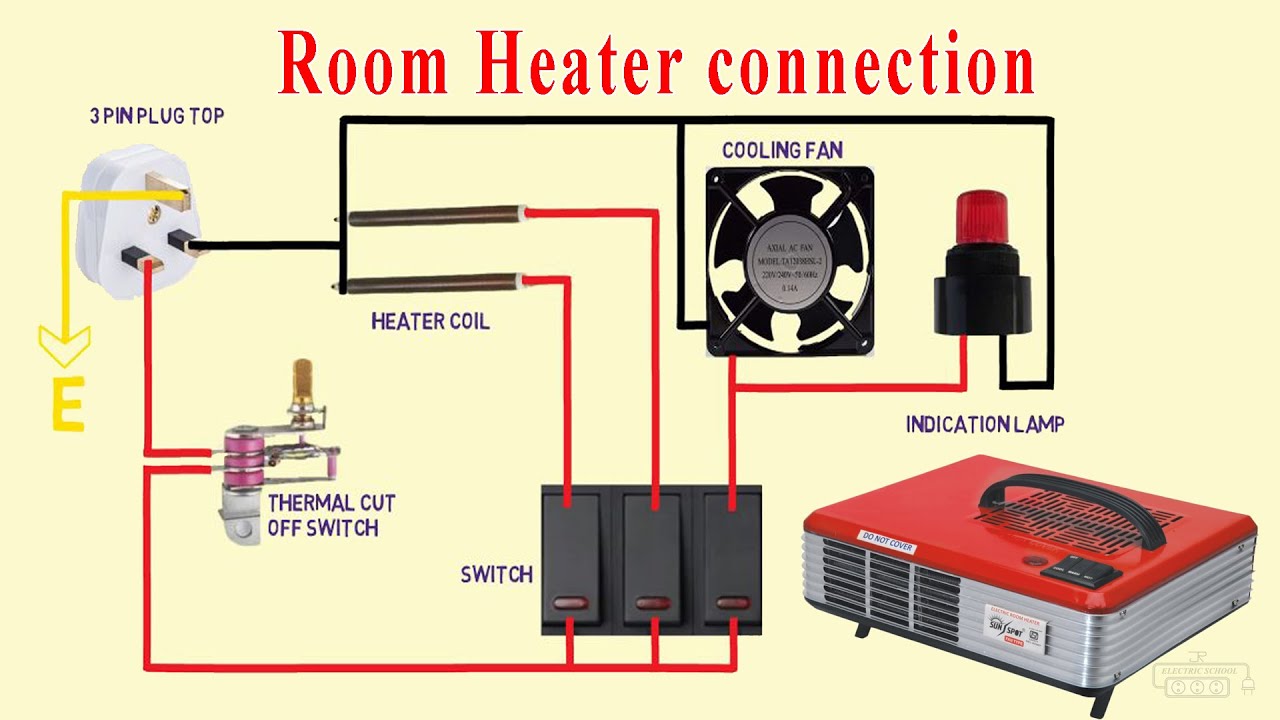
Behind every heater is a system of parts working together to generate and regulate heat safely.
Heating Elements
The heart of any electric heater is the heating element. Common types include:
- Nichrome wire: An alloy of nickel and chromium that resists oxidation at high temperatures
- PTC ceramic: Self-regulating material whose resistance increases as it heats, preventing overheating
- Quartz tubes: Used in infrared heaters for rapid heating and focused radiation
Each material affects efficiency, lifespan, and response time.
Key Fact: Nichrome does not burn out easily, making it durable for repeated heating cycles.
Fans and Blowers
Found in forced-air models, fans move air across hot elements. DC motors are typically quieter and more efficient than AC motors.
- Speed settings adjust airflow intensity
- Some include a cool-air mode for summer ventilation
- Dust buildup reduces efficiency over time
Maintenance Tip: Clean fan grilles monthly with a soft brush.
Thermostats and Controls
Modern heaters include thermostats to maintain desired temperatures automatically.
- Mechanical thermostats click on and off as room temperature changes
- Digital thermostats offer precise settings, often in single-degree increments
- Smart models connect to apps for remote scheduling and monitoring
Energy Saver: Use programmable settings to avoid overheating empty rooms.
Safety Features
All quality heaters include built-in protections:
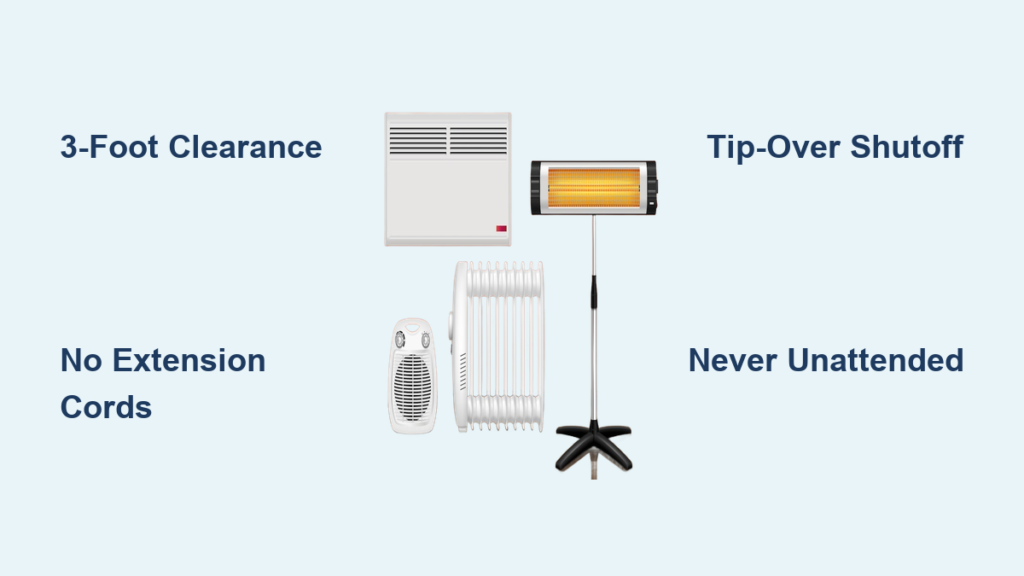
- Tip-over switch: Cuts power if the unit is knocked over
- Overheat protection: Shuts off the unit if internal temperature exceeds safe limits
- Cool-touch exterior: Stays safe to touch during operation
Warning: Never disable or bypass built-in safety mechanisms.
Energy Use and Efficiency
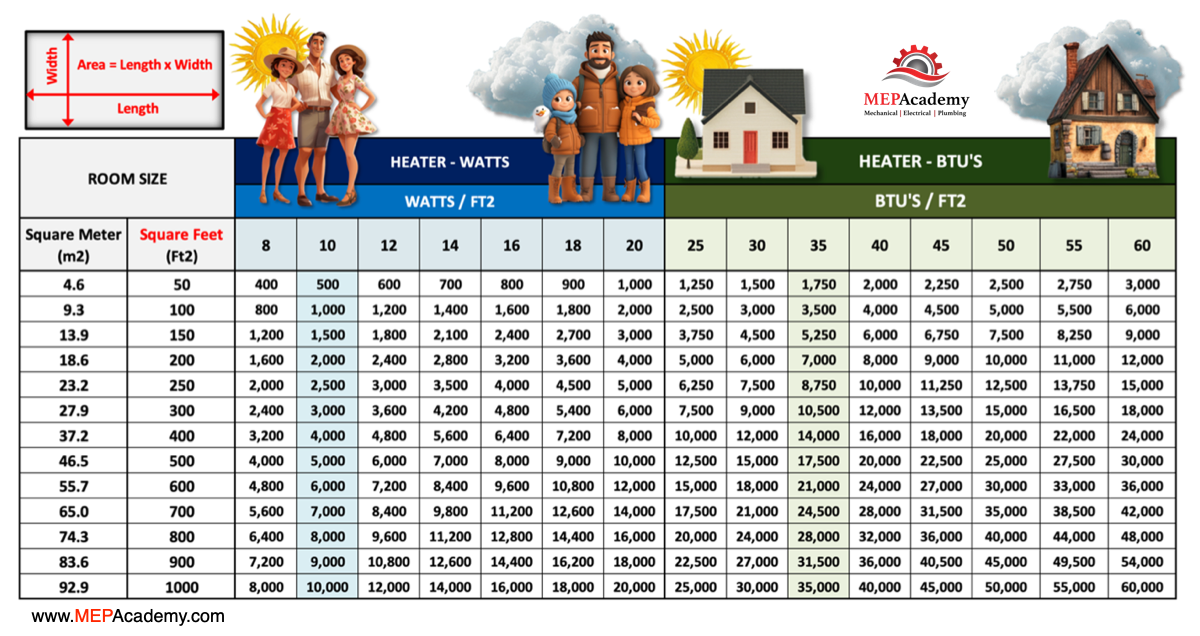
Not all heaters deliver the same warmth per watt. Efficiency depends on design, technology, and usage habits.
Wattage and Heat Output
Most portable heaters range from 750W to 1500W. Here is a general guideline:
| Wattage | BTU Output | Room Size |
|---|---|---|
| 750W | ~2,500 BTU | Up to 100 sq ft |
| 1000W | ~3,400 BTU | 100–150 sq ft |
| 1500W | ~5,100 BTU | 150–300 sq ft |
Rule of Thumb: 10 watts per square foot is a common heating guideline.
Real-World Efficiency Tips
Maximize your heater’s performance with smart habits:
- Close doors and windows to reduce drafts
- Place the heater near the center of the room, away from walls
- Use draft stoppers under exterior doors
- Run during off-peak electricity hours if your rates vary
Myth Busting: Claims of over 100% efficiency are misleading. Electric resistance heaters max out at nearly 100% energy-to-heat conversion.
Compare Operating Costs
Running a 1500W heater for 8 hours at $0.13 per kWh costs:
1.5 kW × 8 hrs × $0.13 = $1.56 per day
That equals roughly $46.80 per month with daily use. Lower wattage or intermittent operation cuts costs significantly.
Savings Hack: Pair your heater with a timer or smart plug to avoid unnecessary runtime.
Safety Best Practices
Room heaters cause thousands of home fires each year, and most result from misuse.
Safe Placement Guidelines
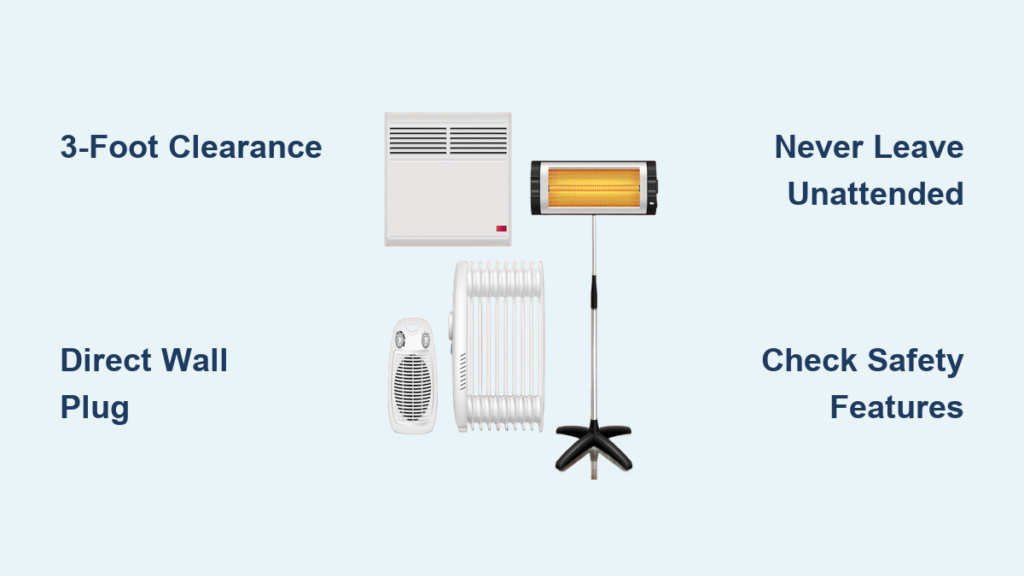
- Keep at least 3 feet from curtains, bedding, and furniture
- Never place on rugs or carpets unless the heater is designed for it
- Avoid high-traffic areas where tripping or knocking over can occur
Red Flag: Using an extension cord is risky. Always plug directly into a wall outlet.
Fire Prevention Tips
- Check cords for fraying before each use
- Do not leave the heater unattended for long periods
- Never use in wet areas like bathrooms or near tubs
- Install smoke detectors nearby and test them monthly
Safety Data: Space heaters account for 44% of home heating fires according to the U.S. Fire Administration.
Child and Pet Safety
- Choose models with cool-touch exteriors
- Use barriers or gates to keep curious hands and paws away
- Teach children that heaters are not toys
Pro Design Feature: Grills with narrow gaps help prevent finger access.
Choosing the Right Heater
Match the heater type to your specific needs for the best results.
Match Heater to Room Size
- Small rooms (under 150 sq ft): Ceramic or fan heaters
- Medium rooms (150–300 sq ft): Infrared or micathermic models
- Large or drafty rooms: Oil-filled radiators or dual-element units
Check Label: Look for BTU or square-foot coverage specifications before buying.
Consider Noise Level
- Quiet: Oil-filled, infrared, and micathermic heaters
- Moderate: Ceramic heaters on low fan settings
- Loud: Standard fan heaters
Best for Sleep: Models labeled “silent” or “whisper-quiet.”
Portability vs. Permanent Use
- Portable: Lightweight with handles, often under 10 lbs
- Fixed: Wall-mounted or baseboard units for constant use
Bonus: Some models offer both portability and optional mounting kits.
Maintenance and Longevity
Proper care keeps your heater safe and efficient for many winters.
Cleaning the Exterior
Unplug the unit and let it cool completely before cleaning.
- Wipe with a damp cloth and mild detergent
- Avoid abrasive cleaners that scratch surfaces
- Dry thoroughly before plugging back in
Frequency: Every 2 to 4 weeks during heavy use.
Dusting Internal Components
Accumulated dust reduces airflow and increases fire risk.
- Remove the front grill carefully
- Use a soft brush or compressed air on heating coils and the fan
- Do not use water inside the unit
Warning: Never immerse a heater in water.
Annual Inspection Steps
Before the winter season:
- Check the power cord for damage
- Test tip-over and overheat shutoff functions
- Verify thermostat accuracy
- Listen for unusual noises during startup
If faulty: Replace or service the unit rather than risking unsafe operation.
Frequently Asked Questions About Room Heaters
What type of room heater is the most energy efficient?
Infrared and ceramic heaters are among the most energy efficient for targeted heating. Oil-filled radiators are efficient for longer, steady use. Efficiency depends on room size, insulation, and how long you run the heater.
Are room heaters safe to leave on overnight?
Most modern heaters have safety features like tip-over and overheat protection, but manufacturers generally recommend turning them off when sleeping. If you must leave one on, choose a model with a thermostat and certified safety ratings, and keep it away from flammable materials.
How much electricity does a room heater use?
A typical 1500W heater uses 1.5 kWh per hour. Running it for 8 hours consumes 12 kWh, which costs roughly $1.50 at average U.S. electricity rates. Lower wattage models use proportionally less energy.
Can a room heater heat an entire house?
Portable room heaters are designed for single-room use. Heating an entire house requires a central HVAC system or multiple strategically placed units. Using one portable heater for whole-house heating is impractical and expensive.
Do room heaters dry out the air?
Fan-forced and convection heaters can reduce humidity slightly. Infrared heaters do not dry the air because they warm objects rather than circulating hot air. Using a humidifier alongside a heater can maintain comfortable moisture levels.
How long do room heaters typically last?
With proper care, quality room heaters last 8 to 12 years. Regular cleaning, safe storage, and annual inspections extend lifespan. Cheaper models may need replacement after 3 to 5 years.
Key Takeaways for Understanding Room Heaters
Room heaters work by converting electricity into heat through conduction, convection, or radiation. Ceramic and fan heaters provide quick warmth through forced air, while oil-filled radiators deliver steady, long-lasting heat through convection. Infrared heaters warm objects directly for instant, silent comfort without drying the air.
Choosing the right heater depends on your room size, noise tolerance, and how long you need warmth. Always match wattage to your space, prioritize models with safety certifications, and follow placement guidelines to prevent fires.
Your next step is simple: assess your room size and heating needs, then pick a heater type that matches. With the right choice and proper care, you will stay warm, safe, and energy efficient all winter long.