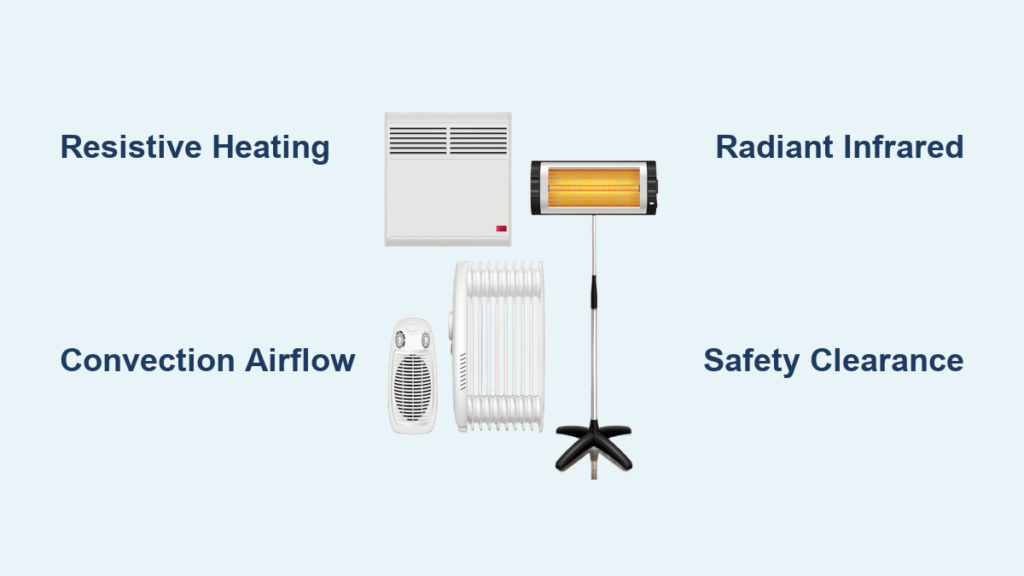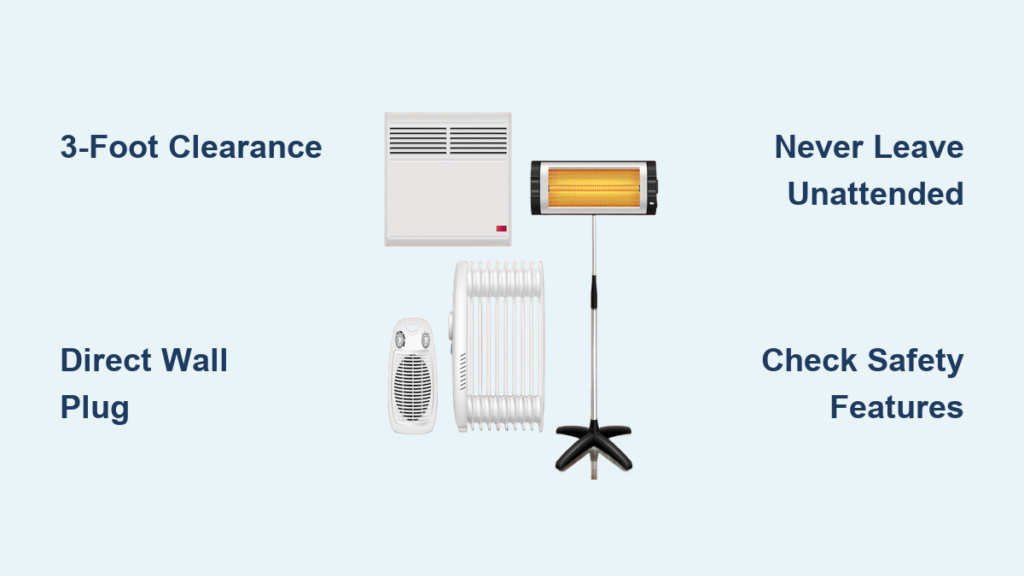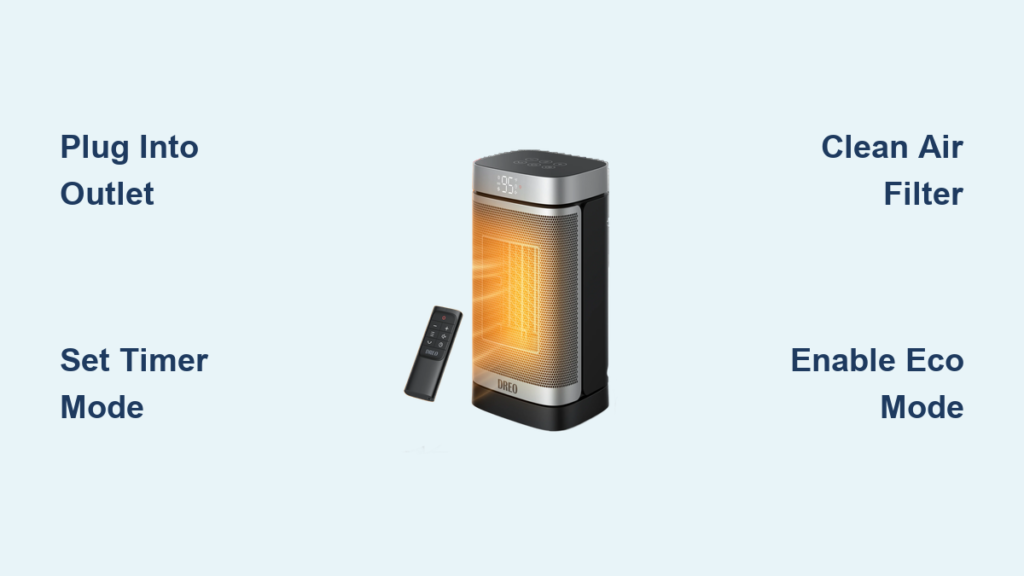
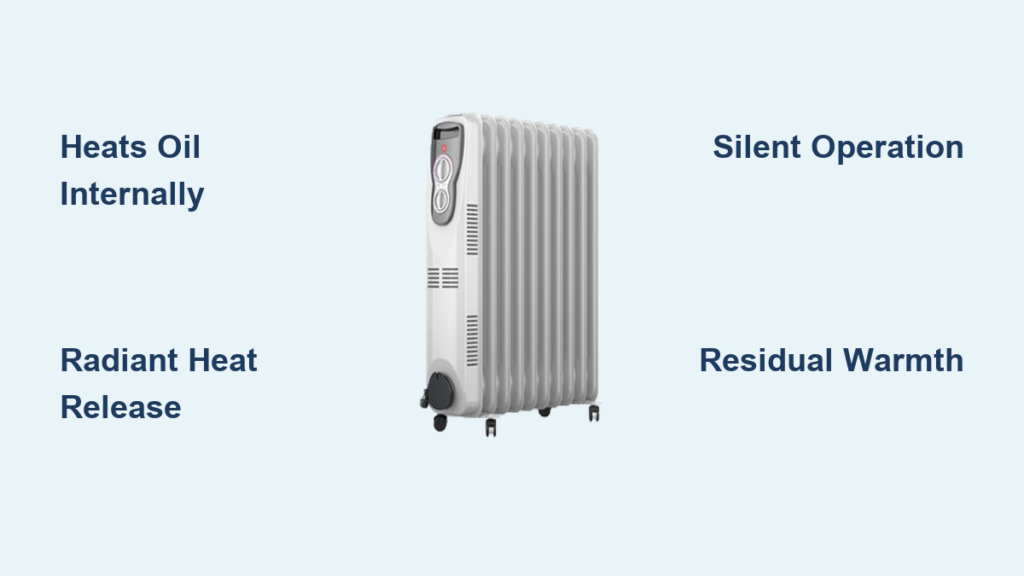
If your room feels cold and your current heater dries the air or makes noise, you might be wondering how does oil filled space heater work and why so many people rely on it for quiet, steady warmth. Unlike fan heaters that blast hot air or infrared models that heat only what is in their line of sight, oil-filled heaters use a unique method to deliver consistent, comfortable heat without fans, fumes, or loud sounds.
At its core, an oil-filled space heater works by electrically heating sealed mineral oil, which then slowly radiates warmth into the room. The oil is not burned, it is simply a heat reservoir. Once warmed, it circulates naturally through metal fins, releasing heat over time. Even after the heater cycles off, the hot oil continues to warm the room thanks to its high thermal mass.
How the Heating Element Creates Heat
An oil-filled heater operates as a self-contained electric radiator. It uses heat stored in oil to warm a room gradually and evenly, with no fan, no flames, just silent, radiant comfort.
The Electric Coil Activates
Inside the base of the unit, a nichrome wire coil acts as the heating element. When you turn on the heater, electricity flows through this coil. Due to electrical resistance, the wire heats up rapidly, much like a toaster element but fully enclosed and submerged in oil. This is where the process begins: electrical energy converts directly into heat.
The heating element never touches air. It is sealed inside the oil-filled chamber. This design prevents oxidation, extends the heater lifespan, and ensures maximum heat transfer efficiency.
The Oil Absorbs and Circulates
The heat from the coil is instantly transferred to the dielectric mineral oil surrounding it. This oil is specially engineered to be non-conductive, non-toxic, and thermally stable. As it warms, it expands and becomes less dense, causing it to rise through vertical fins or columns in the heater body.
At the top, the oil begins to cool slightly, increases in density, and sinks back down to the base, creating a natural convection loop. This continuous circulation requires no pump or moving parts, making the system silent and maintenance-free.
Metal Fins Radiate Warmth
As the hot oil flows through internal channels, it transfers heat to the steel or aluminum fins that form the heater outer surface. These fins are designed to maximize surface area, allowing more stored heat to radiate into the room.
The result is gentle, even heating that warms both the air and nearby objects, similar to how a traditional radiator works in older homes.
The Four Stages of Heat Transfer

Oil-filled heaters warm a room in stages, combining radiant and convective heat for balanced comfort.
Stage One: Oil Heats Up Efficiently
Because oil has a high specific heat capacity, it can absorb a lot of thermal energy before its temperature rises significantly. This means it takes time to warm up, but once hot, it holds heat longer than air or metal alone.
Nearly all the heat generated by the element is transferred to the oil due to direct contact, making this process highly efficient.
Stage Two: Metal Body Conducts Heat
The heated oil warms the surrounding metal structure through conduction. The entire body of the heater, especially the finned panels, becomes a radiating surface.
Stage Three: Radiant and Convective Release
Two types of heat work together to warm your space:
- Radiant heat: The warm metal emits infrared radiation, directly warming people and objects in the room.
- Convective heat: Air near the heater rises as it warms, creating natural airflow that circulates warmth throughout the space.
Unlike fan heaters, there is no forced air, so no dust blows around and no noise disrupts sleep.
Stage Four: Residual Heat After Shutdown
One of the biggest advantages is thermal inertia. Even after the thermostat turns the heater off, the hot oil and metal continue to emit heat for 30 minutes to over an hour. This reduces cycling and saves energy while maintaining comfort.
Why Dielectric Mineral Oil Is Essential

The oil inside is not fuel. It is a heat storage medium designed to last the life of the heater.
Key Properties of the Oil
The oil is specially formulated for long-term heating use. Consider these important characteristics:
- Non-conductive: Safe around electrical components
- High boiling point: Will not vaporize at normal operating temperatures
- Chemically stable: Resists breakdown over years of heating and cooling cycles
- High heat retention: Stores more energy per degree than water or air
This oil never burns, evaporates, or needs refilling. It is sealed for life, and leaks are rare, usually only occurring after physical damage.
The Oil Never Depletes
Many users worry about running out of oil. That is a myth. The oil is not consumed. It simply absorbs, carries, and releases heat like a thermal battery.
Wattage and Heating Performance
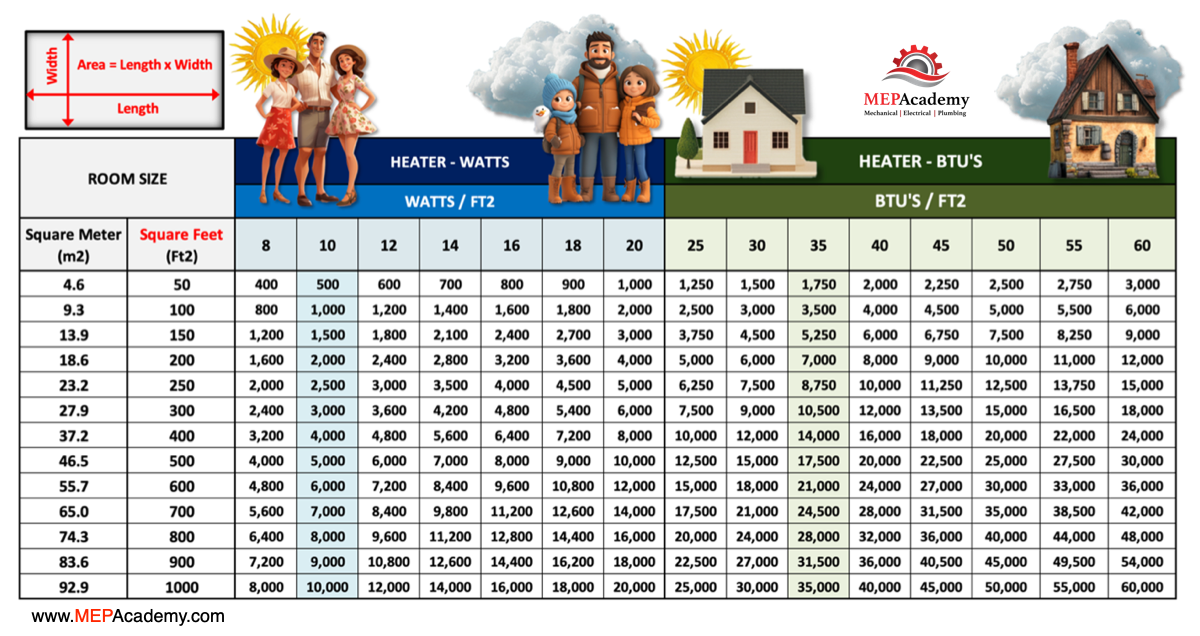
The heater power determines how fast and how well it warms your space.
Matching Wattage to Room Size
Choosing the right wattage ensures efficient heating without wasting energy:
- 750W: Best for small rooms up to 100 square feet like offices or bathrooms
- 1000W: Ideal for medium rooms between 100 and 150 square feet
- 1500W: Maximum for standard outlets, heats up to 200 square feet depending on insulation
Higher wattage means faster warm-up and better performance in drafty rooms.
Understanding Real-World Efficiency
All electric heaters are 100% efficient at converting electricity to heat, but oil-filled models feel more efficient because they maintain warmth longer after turning off. Thermostats reduce runtime by cycling on only when needed, and no energy is wasted on fans or blowers.
In well-insulated rooms, they use less power overall due to reduced cycling.
Built-In Safety Features
Oil-filled heaters are among the safest portable options, especially for homes with children or pets.
Essential Safety Mechanisms
Every quality oil-filled heater includes these protective features:
- Tip-over protection: A gravity-activated switch cuts power immediately if the heater is knocked over, preventing overheating and fire risk
- Overheat protection: A high-limit thermostat shuts down the unit if internal temperatures rise abnormally, such as when vents are blocked or the heater is covered
- Cool-to-touch surfaces: While warm, the outer fins stay cooler than radiant or coil heaters, reducing burn risk
Oxygen Safety
Since no fuel is burned, the heater does not consume oxygen or produce carbon monoxide. This makes it safe for indoor use without ventilation.
Design and Portability Features
These heaters are built for function, portability, and long-term use.
Physical Structure
The vertical finned structure increases surface area to boost heat radiation. Most resemble old-school radiators, tall and narrow, wall-friendly.
Typical features include:
- Caster wheels for easy rolling from room to room
- Built-in handles for lifting
- Compact footprint that fits in corners without blocking furniture
Typical weight ranges from 10 to 25 pounds depending on size and oil volume.
Control Options
Basic models include a power switch, heat settings, and a manual thermostat dial. Premium models add digital displays, timer functions ranging from 1 to 12 hours, remote controls, and Wi-Fi or smart home integration for app scheduling.
Advantages and Limitations
Understanding both strengths and weaknesses helps you make the right choice.
Key Benefits
Oil-filled heaters offer several distinct advantages:
- Silent, continuous heat with no fans means no noise, perfect for bedrooms, nurseries, or home offices
- Even temperature distribution that avoids hot spots and cold corners
- Safe for overnight use with no glowing elements when placed safely away from bedding or curtains
- Low maintenance with no filters to clean and no oil to refill
- Long lifespan of 10 to 15 years or more with proper care
What to Consider
These heaters have some drawbacks to keep in mind:
- Slow warm-up time takes 8 to 15 minutes to feel warm, and full room heating may take 30 minutes or more
- Bulky appearance makes them taller and heavier than fan or ceramic heaters
- Higher long-term energy cost since electric heating is more expensive than gas
- Limited aesthetic appeal with functional design and few decorative options
Best Uses for Oil-Filled Heaters
Understanding where these heaters excel helps you get the most value.
Ideal Applications
These heaters work best in specific situations:
- Bedrooms where silent operation and residual heat maintain comfort all night
- Living rooms for steady warmth during TV time or reading
- Home offices providing quiet heat without drying the air
- Poorly heated rooms that need a boost where central heating falls short
When to Choose Another Option
Oil-filled heaters are not right for every situation:
- Quick heating needs where you need instant warmth
- Large, drafty spaces where 1500W max limits effectiveness
- Unattended use when leaving home for hours
- Outdoor or garage use unless specifically rated for such conditions
Maintenance for Long-Term Performance
A little care goes a long way in keeping your heater efficient and safe.
Regular Cleaning Steps
Keep your heater performing at its best with these practices:
- Wipe the exterior with a dry or slightly damp cloth
- Use a soft brush or vacuum nozzle to remove dust from fins since dust insulates and reduces heat output
- Clean the thermostat sensor before seasonal storage to ensure accurate readings
Proper Storage
Store your heater in a cool, dry place. Wrap the cord neatly and avoid kinks. Cover to prevent dust buildup.
Professional Inspections
For units over 5 years old, consider annual inspection of wiring, switches, and plug integrity, especially if used daily.
Cost and Market Options
Oil-filled heaters are affordable and widely available.
Price Tiers
Entry-level models cost $20 to $40 with basic features and no thermostat. Mid-range options from $40 to $80 include adjustable thermostat and multiple heat settings. Premium models from $80 to $150 offer timers, remote controls, or smart features.
Popular Brands
Quality manufacturers include De’Longhi known for durability and even heat, Honeywell with reliable safety features, Lasko as a budget-friendly option, and Dr. Infrared with hybrid models. Crompton leads in the Indian market.
All operate on standard 120V outlets in North America and work with typical home circuits.
How It Compares to Other Heaters

Understanding the differences helps you choose wisely.
Feature Comparison
| Heater Type | Heat Method | Noise | Warm-Up | Residual Heat |
|---|---|---|---|---|
| Oil-Filled | Radiant + convection | Silent | Slow | High |
| Infrared | Direct radiant | Silent | Instant | None |
| Fan Heater | Forced convection | Noisy | Fast | None |
Best Use by Type
Choose oil-filled for comfort and all-night heating. Choose fan heater for speed and quick warmth. Choose infrared for spot heating specific areas.
Key Takeaways for Understanding Oil Heaters
An oil-filled space heater works by using electricity to heat sealed mineral oil, which then circulates and radiates warmth through metal fins. Its secret lies in thermal inertia, the ability to store and release heat long after turning off.
It is not the fastest heater, but it is one of the most comfortable, safe, and efficient for maintaining steady warmth in occupied rooms. With no noise, no dry air, and no maintenance, it is ideal for bedrooms, offices, and living areas.
If you value quiet, continuous heat and do not mind a slight delay in warming up, an oil-filled radiator is a smart, long-term solution. For supplemental heating that works while you sleep, read, or relax without disturbing the peace, it is hard to beat.
Frequently Asked Questions About Oil-Filled Heaters
How long does it take for an oil-filled heater to warm up?
Oil-filled heaters typically take 8 to 15 minutes to begin radiating noticeable heat. Full room warming may take 30 minutes or longer depending on room size and insulation.
Do oil-filled heaters use a lot of electricity?
All electric heaters convert 100% of electricity to heat, but oil-filled models are considered efficient because they maintain warmth after turning off due to thermal inertia. They use less energy in well-insulated rooms due to reduced cycling.
Can I leave an oil-filled heater on overnight?
Yes, oil-filled heaters are safe for overnight use due to their safety features including tip-over protection and overheat protection. However, you should always place the heater away from bedding, curtains, and flammable materials.
Do oil-filled heaters dry out the air?
Oil-filled heaters produce minimal air drying compared to fan heaters. The gentle radiant and convective heat maintains moisture better than forced air systems.
How long do oil-filled heaters last?
With proper care and maintenance, oil-filled heaters can last 10 to 15 years or more. The sealed oil system never needs refilling, and the lack of moving parts contributes to longevity.
Can I use an oil-filled heater in a bathroom?
Yes, but ensure the heater is specifically rated for bathroom use and keep it away from water sources. The no-oxygen-depletion feature makes it safer than fuel-burning heaters in enclosed spaces.