You turn on your space heater after months in storage, and within minutes, a strange odor fills the room. Burning dust, melting plastic, or something worse. You freeze. Is it dangerous? Should you unplug it? You are not alone. Millions of people experience odd smells from their heaters every heating season, and while some are harmless, others signal serious risks.
Most space heater smells are normal at first use, especially if the unit is new or has not been used in months. But knowing which smells are safe and which demand immediate action can prevent fires, carbon monoxide exposure, or long-term health issues. This guide breaks down every possible smell, its cause, how long it should last, and exactly what to do.
Burning Dust Smell: Normal Startup Odor
When you first power up a stored heater, the most common smell is a faint, smoky burning like toast left too long in the toaster. This is almost always burning dust, and it is completely normal.
What Causes Dust to Burn?
Over time, dust, pet dander, and lint settle on internal parts, especially the heating element, fan blades, and air intake. When the heater activates, temperatures can exceed 900°F, instantly incinerating these particles. The result is a temporary odor that mimics burning hair or scorched paper.
This is most common in convection heaters, units stored in garages or basements, and homes with pets or high indoor dust levels.
How Long Should It Last?
The burning dust smell typically lasts 20 to 60 minutes on first use. After storage, expect 1 to 3 heating cycles. The odor should be fully gone within 3 hours of continuous operation. If the smell lingers beyond this, it is not dust; it is a maintenance issue.
Fix Persistent Dust Odors
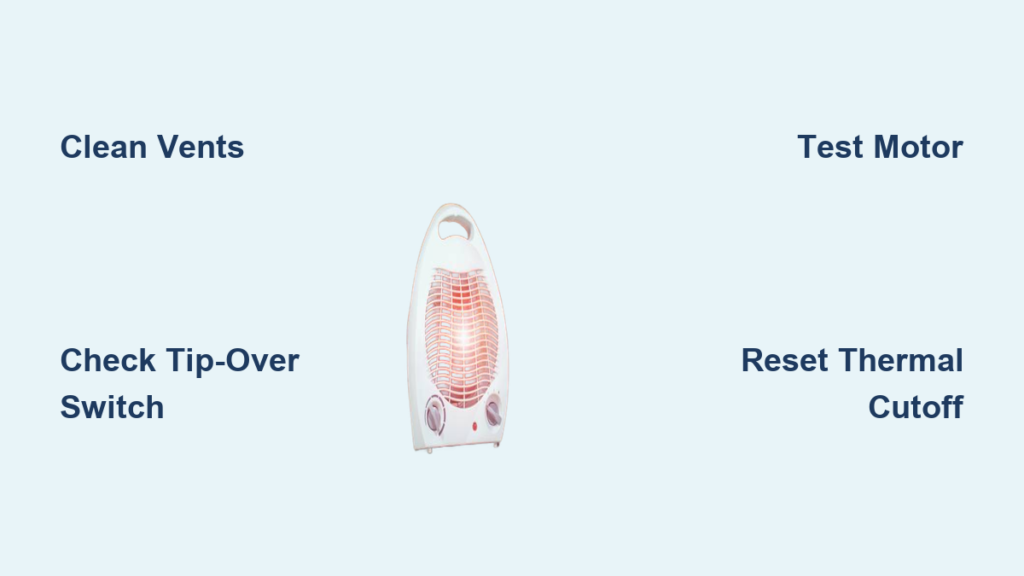
Unplug and cool the heater completely. Vacuum the intake and exhaust grilles. Wipe down accessible surfaces with a damp cloth. Replace or clean the air filter if equipped. Run again in a well-ventilated room for 30 minutes.
Pro Tip: Run your heater for an hour before winter starts, outdoors or in a garage, to burn off dust safely.
New Heater Plastic Smell: Break-In Phase
If your heater is brand new, a strong plastic or rubbery odor during the first few hours is expected. This is not a defect; it is off-gassing of manufacturing residues.
Why New Heaters Smell
During production, heaters are coated with protective varnishes on wiring, lubricants on motors, and insulating materials on heating elements. When heated for the first time, these compounds vaporize, producing a pungent, chemical-like smell similar to a new oven or car interior.
How Long Does It Last?
The typical duration is 6 to 8 hours of use. The maximum is up to 72 hours, or 3 days. The odor should gradually weaken with each use. If it stays strong after 3 days, contact the manufacturer.
What You Should Do
Run the heater in a well-ventilated room with open windows. Avoid prolonged exposure if you are sensitive to fumes. Do not use in small, sealed spaces like closets. Contact support if the smell persists beyond 72 hours.
Musty or Moldy Smell: Hidden Moisture Risk
A damp, earthy, or locker-room-like odor means mold or mildew is growing inside your heater.
Where Mold Grows
Mold commonly grows on air filters, especially washable types. It also develops in internal ducts or fan housing, humidifier pads in combo units, and storage areas with humidity above 60%.
Is It Dangerous?
This is not a fire hazard, but it is a health risk. It can trigger asthma, allergies, or sinus irritation. Long-term exposure may contribute to respiratory illness.
How to Clean Mold
Unplug the heater. Remove and inspect the filter. Soak in a 1:1 vinegar-water solution for 30 minutes. Rinse and dry completely before reinserting. Wipe internal surfaces with a damp cloth and mild detergent. Replace the filter if discolored or damaged.
Never use bleach as it can corrode components.
Prevent Mold Growth
Dry the unit fully before storage. Store in a low-humidity area and use a dehumidifier if needed. Replace filters every 1 to 3 months. Keep indoor humidity between 30% and 50%.
Burning Plastic from Vents: Foreign Object Alert

A sharp, acrid plastic smell coming from the vents, especially if localized, means something is burning inside.
Common Culprits
Pet toys or chewed plastic, paper or fabric caught in intake, melted electrical tape, or pet hair clumps on heating elements can cause this smell. This is not normal and poses a fire risk.
Immediate Action Steps
Turn off and unplug the heater immediately. Inspect vents with a flashlight. Use tweezers or gloves to remove debris. Vacuum around intake and exhaust. Do not restart until all obstructions are cleared.
Warning: If you see melted plastic residue, the unit may be damaged. Consider replacement.
Prevention Tips
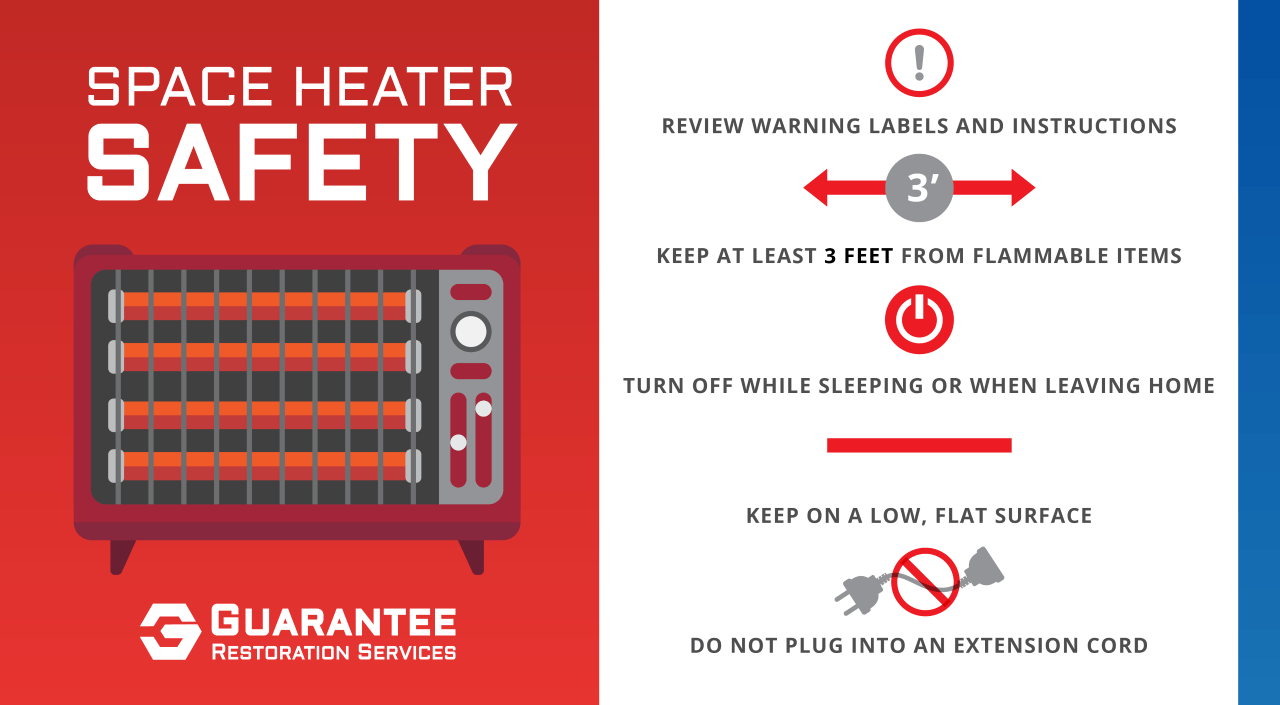
Keep a 3-foot clearance around the heater. Vacuum floors and vents weekly. Supervise pets and children near the unit. Use high-efficiency filters to trap debris.
Electrical Burning Smell: Critical Warning
A pungent, sharp odor like burnt wires, ozone, or hot metal means electrical failure is occurring.
What Is Failing?
The causes include frayed or overheated wiring, failing fan motor with worn bearings, loose electrical connections, or degraded insulation on circuit boards. This smell gets worse over time and may be accompanied by smoke or sparks, tripped circuit breakers, or unusual noises.
This Is a Fire Hazard
Do not ignore this smell. Do not attempt DIY repairs. The risk of fire or electrocution is high.
What to Do
Shut off the heater at the control. Cut power at the breaker. Do not plug it back in. Call a licensed technician or electrician. If under warranty, contact the manufacturer.
Rotten Egg Smell: Gas Leak Emergency

If you smell rotten eggs or sulfur when the heater turns on, evacuate immediately.
Why Gas Smells
Natural gas is odorless, but utility companies add mercaptan, a sulfur compound, to help detect leaks.
This Is Life-Threatening
The risk includes explosion or asphyxiation. It can lead to carbon monoxide poisoning if combustion is incomplete.
Emergency Response
Evacuate all people and pets. Do not flip switches, use phones, or create sparks. Call 911 or your gas company from a safe location. Do not re-enter until cleared by professionals.
Never assume it is just the heater. Gas leaks require immediate emergency response.
Chemical or Formaldehyde Smell: Cracked Heat Exchanger
A sharp, chemical-like odor similar to nail polish remover or cleaning agents may indicate a cracked heat exchanger in gas-powered systems.
Why It Is Dangerous
This allows combustion gases, including carbon monoxide, to leak into your home. Carbon monoxide is odorless and deadly. This chemical smell may be your only warning.
Symptoms to Watch For
Headaches, dizziness, nausea, CO detector alarms, or yellow or flickering flame in gas units are warning signs.
Immediate Actions
Shut off the heating system. Open windows to ventilate. Check CO detectors. Evacuate if anyone feels ill. Call an emergency HVAC technician.
This is not a DIY fix. A cracked heat exchanger requires professional replacement.
Smoke Smell: Blocked Exhaust Vent
A persistent smoky odor, especially with soot around vents, means exhaust gases are backing up.
Causes
Bird nests, ice, or debris blocking the flue, damaged chimney liner, or improper venting in oil or gas heaters can cause this issue.
Risks
Carbon monoxide buildup, reduced efficiency, and indoor air contamination are serious concerns.
Resolution
Shut off the heater. Do not use until inspected. Call a professional to clean and inspect the vent system. Annual chimney and flue inspections prevent this hazard.
Why Infrared Heaters Smell Less
Not all heaters are equal when it comes to odors. Infrared heaters are the least likely to produce smells.
Key Advantages
Infrared heaters have a sealed glass bulb that protects the heating filament. There is no fan, so minimal air movement means less dust contact. Radiant heat warms objects directly, not the air. There are no exposed coils to burn off dust.
An infrared heater is least likely to produce a noticeable smell. Only the infrared type does not make the air smell weird, or at least not as much as the other types.
If you are sensitive to smells or have allergies, infrared is the best choice.
Heater Type Comparison: Smell Risk by Design
Infrared heaters have rare startup smell, low dust exposure, minimal air movement, near zero odor duration, and low maintenance need. Convection and coil heaters have common startup smell, high dust exposure, high fan-forced air movement, 20 to 60 minutes odor duration, and high maintenance need for filters and cleaning.
Bottom line: infrared means fewer smells. Convection means more maintenance.
What to Do: Step-by-Step Smell Diagnosis
Step 1: Assess for Danger
For rotten egg smell, evacuate and call 911. For electrical burning, unplug and call a technician. For chemical or formaldehyde, shut off, check CO, and call a professional. For smoke with soot, stop use and get professional inspection.
Step 2: Non-Emergency Responses
A brief dusty smell indicates dust burn-off: ventilate and run for 30 minutes. Musty air means a moldy filter: clean or replace the filter. Plastic near vents means a foreign object: remove debris. Persistent dust means dirty internals: deep clean or service.
Preventive Maintenance Checklist
Replace the air filter every 1 to 3 months. Vacuum vents monthly. Wipe exterior as needed. Deep clean internals annually before the season. Inspect wiring yearly by a technician. Test CO detectors monthly. Keep a 3-foot clearance around the unit ongoing.
Regular maintenance prevents most odor issues.
When to Replace Your Heater
Consider replacement if the electrical burning smell returns, the unit is over 10 years old, odors persist despite cleaning, there are frequent breaker trips, or there is visible damage or melting.
Modern heaters are more efficient, safer, and less prone to odors.
Final Safety Summary
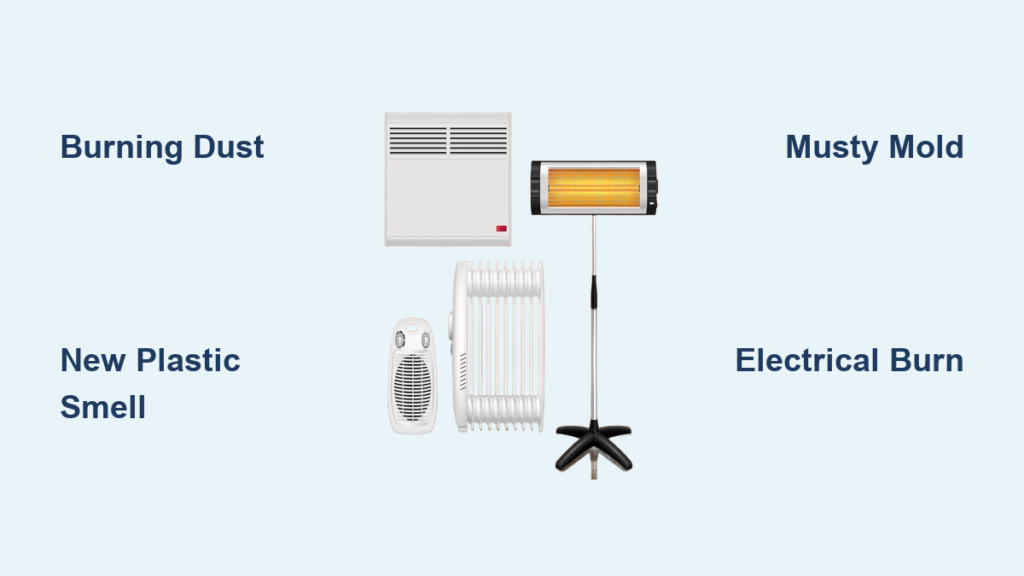
Burning dust is a low risk: ventilate and clean the filter. New plastic is a low risk: run 6 to 72 hours and ventilate. Musty or moldy is moderate: clean the filter and control humidity. Foreign object is high risk: unplug and remove debris. Electrical burn is critical: stop use and call a professional. Gas rotten egg is critical: evacuate and call 911. Chemical or formaldehyde is critical: shut off, check CO, and call HVAC.
Key Takeaways
Initial smells are normal but should fade quickly. Infrared heaters produce the least odor. Musty smells mean mold; clean filters and control humidity. Electrical, gas, or chemical smells are emergencies. Annual maintenance prevents 90% of issues.
Your heater should warm the room, not fill it with fumes. By understanding the smells, you stay safe, breathe easier, and extend your unit is life. Run it clean, keep it clear, and heat with confidence.
Frequently Asked Questions About Space Heater Smells
Is it normal for a space heater to smell when first turned on?
Yes, it is normal. A faint burning dust smell is common when using a heater for the first time after storage or during the initial startup of a new unit. This occurs because dust accumulated on internal components burns off when the heating element reaches operating temperature. The smell should dissipate within 20 to 60 minutes. If it persists for several hours, there may be a maintenance issue.
How long does the new heater smell last?
A new heater plastic or chemical smell typically lasts 6 to 8 hours of cumulative use. In some models, it may persist up to 72 hours, or 3 days. The odor should gradually weaken with each use. If it remains strong after 3 days, contact the manufacturer for a potential replacement.
Are space heater smells dangerous?
It depends on the type of smell. Burning dust and new plastic smells are not dangerous and are normal. However, electrical burning, gas rotten egg, chemical, or persistent smoke smells are dangerous and require immediate action. Electrical smells risk fire, gas smells risk explosion, and chemical smells may indicate carbon monoxide leakage.
Why does my space heater smell musty?
A musty or moldy smell indicates mold or mildew growth inside the unit, typically in the air filter, ducts, or fan housing. This happens when the heater has been stored in a humid environment or when filters are dirty and moist. It is a health risk rather than a fire hazard, but it can trigger allergies and respiratory issues. Clean or replace the filter and ensure the unit is stored in a dry location.
Can I prevent my space heater from smelling?
Yes, you can prevent most odors through regular maintenance. Clean or replace the air filter every 1 to 3 months. Vacuum vents and grilles monthly. Store the heater in a clean, dry area. Run the heater briefly before winter to burn off any accumulated dust. Keep a 3-foot clearance around the unit to prevent foreign objects from entering.
Key Takeaways for Fixing Space Heater Odors
Most space heater smells fall into two categories: normal startup odors that fade quickly, or warning signs that require immediate attention. Burning dust and new plastic smells are harmless and temporary, lasting anywhere from 20 minutes to 3 days depending on the cause. Musty smells indicate mold, which needs filter cleaning and humidity control. Dangerous smells like electrical burning, gas, or chemical odors demand emergency response: shut off the unit, evacuate if necessary, and call a professional. Infrared heaters offer the cleanest operation with minimal odor due to their sealed design and lack of forced air circulation. Regular maintenance prevents 90% of odor issues, so clean filters, store properly, and inspect your heater before each heating season.