
Is your shower too hot or not hot enough? Adjusting your water heater temperature can solve comfort issues, reduce energy bills, and prevent scalding, especially in homes with children. Whether you have a gas or electric water heater, knowing how to adjust the temperature properly is essential. This guide focuses on safe, effective adjustments for A.O. Smith water heaters, covering gas models with dials and digital controls, recommended settings, and common troubleshooting tips. You’ll learn how to find the right balance between safety, efficiency, and performance without risking damage or injury.
Identify Your Water Heater Type
Before adjusting the temperature, determine whether you have a gas or electric water heater. The adjustment process differs significantly between the two.
Gas vs Electric Controls
Gas water heaters typically have a gas control valve at the base with a dial or digital display. Electric models have one or two thermostats behind access panels on the side of the tank. Never attempt to adjust an electric unit without turning off power at the breaker. This is a critical safety step.
Locate the Thermostat
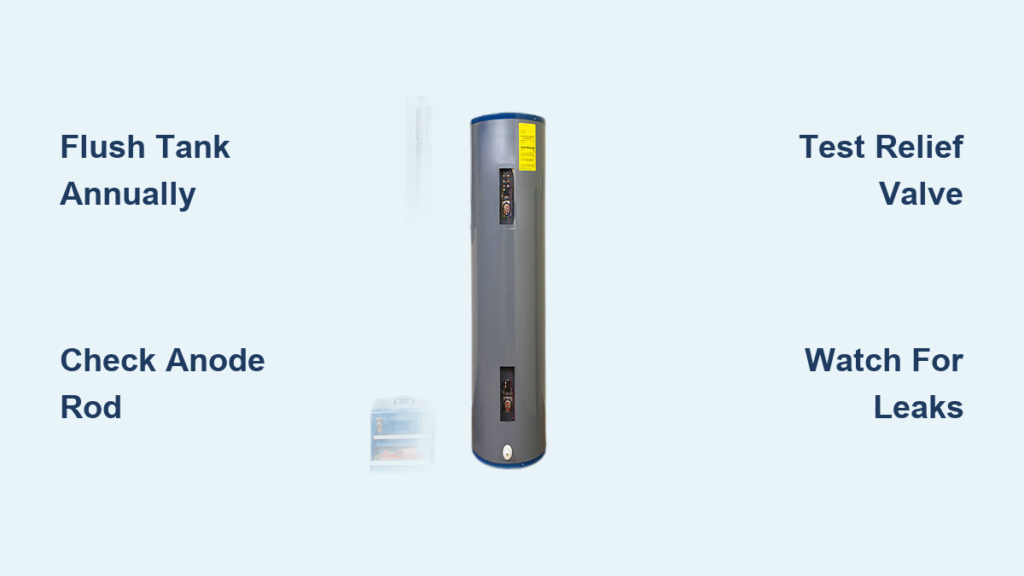
On gas models, the thermostat is built into the gas valve near the bottom. Look for a knob labeled “Pilot,” “On/Off,” and a temperature dial. For electric units, remove the insulation cover after shutting off electricity. You’ll see one or two thermostats, one for the upper and one for the lower heating element.
Set the Ideal Water Heater Temperature
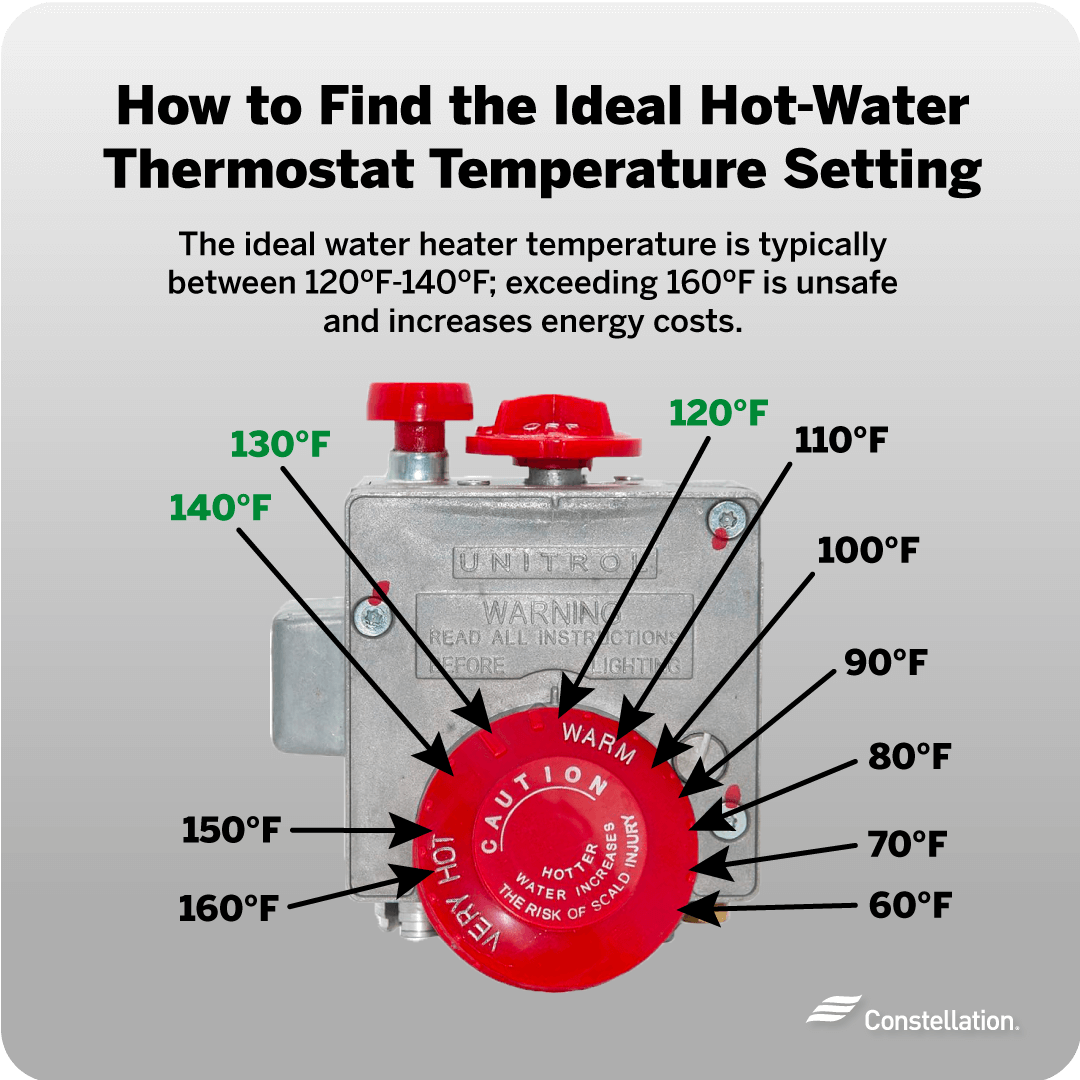
The best setting balances safety, efficiency, and usability for your household.
Recommended Setting: 120°F
The U.S. Department of Energy and A.O. Smith recommend 120°F as the standard setting. This temperature:
– Prevents most scald injuries
– Kills harmful bacteria over time
– Reduces energy use by nearly 25% compared to 140°F
– Extends water heater life by minimizing sediment buildup
All A.O. Smith water heaters leave the factory preset to 120°F.
When to Raise the Temperature
Higher temps (up to 140°F) may be needed if:
– Your dishwasher or washing machine lacks a built-in heater
– You live in a large home with long pipe runs causing heat loss
– Someone in the household is immunocompromised or elderly
If you raise the temperature, install thermostatic mixing valves at faucets and showers to prevent scalding.
Risks of Too-High Temperatures
Water at 140°F can cause third-degree burns in under 5 seconds. At 130°F, it takes about 30 seconds, which is still dangerously fast. Children, older adults, and people with sensitive skin are especially vulnerable.
Adjust Temperature on Gas Water Heaters
Most gas models use a simple dial, but some feature digital controls.
Use the Gas Control Knob
- Locate the gas valve at the base of the unit.
- Turn the knob from “Pilot” to “On” if it’s not already running.
- Rotate the temperature dial to your desired setting.
– If marked in degrees, set to 120°F.
– If labeled “Low,” “Medium,” “High,” consult your manual for exact temps. - Wait 30 to 60 minutes for water to stabilize.
- Test hot water at a faucet using a thermometer.
Pro Tip: Run hot water for one minute before testing to get an accurate reading.
Handle Models With Digital Displays
Some A.O. Smith gas heaters include a User Interface Module (UIM) with an electronic screen.
- Press the up/down buttons to adjust between 95°F and 150°F.
- Confirm the change. The system will begin heating to the new setpoint.
- Wait an hour before retesting.
These units often display error codes if there’s an issue. Refer to your manual for diagnostics.
Adjust Temperature on Electric Water Heaters

Electric models require more caution due to live electrical components.
Shut Off Power First
- Go to your electrical panel and turn off the circuit breaker labeled “Water Heater.”
- Confirm power is off using a voltage tester. Do not skip this step.
Access the Thermostat
- Remove the insulation and plastic cover from the side of the tank.
- Carefully pull back the insulation to expose the thermostat(s).
- For dual-element systems, adjust both upper and lower thermostats to the same temperature.
Set the Desired Temperature
- Use a flathead screwdriver to turn the thermostat dial.
- Align the pointer with 120°F or your preferred setting.
- Reinstall insulation and cover.
- Restore power at the breaker.
Warning: Never touch wiring or components unless power is confirmed off.
Test the New Temperature
After any adjustment, verify results with a real-world test.
How to Measure Accurately
- Let the water sit undisturbed for at least an hour.
- Turn on the hottest faucet (usually in the kitchen or bathroom).
- Let it run for 60 seconds to clear cold water from pipes.
- Hold a digital thermometer under the stream.
- Record the reading.
Repeat after each adjustment until you reach the target.
Note: Allow 3 to 4 hours for full stabilization if changing by more than 10°F.
Install Thermostatic Mixing Valves for Safety

Even with a 120°F setting, mixing valves add an extra layer of protection.
Why Use Mixing Valves?
These devices blend hot and cold water to deliver a consistent, safe temperature at fixtures. Benefits include:
– Prevent scalding even if tank temp is high
– Increase usable hot water volume
– Maintain steady shower temperature during flushes
Where to Install
- At individual fixtures (shower valves)
- At the water heater outlet for whole-house protection
Mixing valves let you safely store water at 140°F while delivering 120°F at taps, which is ideal for killing bacteria without risk.
Troubleshoot Common Adjustment Issues

Even simple adjustments can go wrong. Here’s how to fix typical problems.
No Change After Adjustment
- Wait longer. It can take over an hour for water to reheat.
- Check power or gas supply. Ensure the heater is actively running.
- Inspect the thermostat. On electric models, a failed thermostat may not respond.
Water Too Hot After Setting to “Medium”
Some dials are misleading. “Medium” may exceed 130°F. Always test with a thermometer instead of relying on labels.
Pilot Light Won’t Stay Lit (Gas Models)
If the pilot goes out after adjustment:
– The thermocouple may be faulty
– Gas pressure could be low
– Venting might be blocked
Do not attempt repairs yourself. Call a licensed plumber.
Prevent Sediment and Scale Buildup
High temperatures accelerate mineral accumulation, especially in hard water areas.
Flush Your Tank Annually
- Turn off power or gas.
- Shut off cold water supply.
- Attach a hose to the drain valve and run it to a floor drain.
- Open the valve and let the tank empty completely.
- Refill and restart the system.
Flushing removes sediment that insulates the burner or heating element, improving efficiency and lifespan.
Tip: Do this every 6 to 12 months if you have hard water.
Lower Energy Bills by Optimizing Temperature
Your water heater ranks second in home energy use. Adjusting the temp cuts costs fast.
Save Up to 25% on Heating Costs
Heating water to 120°F instead of 140°F reduces energy consumption significantly. For a household using 64 gallons daily, this can save $30 to $60 per year.
Add Pipe Insulation
Wrap exposed hot water pipes with foam insulation sleeves. This keeps water hotter longer, reducing wait time and waste.
Upgrade to Efficient Models
If your heater is over 10 years old, consider replacing it with:
– Hybrid electric heat pump water heaters
– Condensing gas models
– Tankless systems
All newer A.O. Smith models meet strict efficiency standards.
Recognize Warning Signs of Failure
Even with proper adjustments, problems can develop.
No Hot Water?
- Gas models: Check if the pilot light is lit. A flashing status light (once every 3 seconds) means it’s working. Faster flashes indicate a fault.
- Electric models: Reset the breaker. If it trips again, a heating element or thermostat may be failed.
Strange Noises?
Popping or rumbling sounds usually mean sediment buildup. Flush the tank immediately. In hard water areas, install a water softener to prevent recurrence.
Rusty or Smelly Water?
Brown water or a sulfur odor signals bacterial growth or tank corrosion. Flush the system and consider professional disinfection. If the tank is rusted through, replacement is necessary.
Leaking Tank?
Water around the base could mean:
– Loose pipe connections (tighten fittings)
– Faulty drain valve (replace it)
– Corroded tank (replace entire unit)
Important: A leaking tank cannot be repaired and must be replaced.
Maintain Your Water Heater Yearly
Regular maintenance ensures reliable performance and safety.
Schedule Annual Service
For gas units, have a plumber inspect:
– Venting system
– Air intake
– Burner assembly
– Thermocouple and gas valve
For electric units, check:
– Heating elements
– Anode rod (replace every 3 to 5 years)
– Thermostats and wiring
Replace the Anode Rod
This sacrificial rod protects the tank from rust. When it’s worn out, the tank begins to corrode. Inspect every 2 to 3 years and replace as needed.
Know When to Replace Your Water Heater
Even well-maintained units eventually fail.
Signs It’s Time for Replacement
- Age over 10 to 12 years
- Frequent repairs
- Inadequate hot water despite adjustments
- Rust-colored water from multiple faucets
- Visible corrosion on tank or fittings
Leaks from the tank itself mean immediate replacement. There’s no fix.
Upgrade Tip: Use the A.O. Smith Water Heater Selector Quiz to find the right model for your household size and needs.
Frequently Asked Questions About Water Heater Temperature
Is 130°F too hot for a water heater?
A water heater set at 130°F is hotter than the recommended 120°F and increases scalding risk. At 130°F, water can cause serious burns to typical adult skin in about 30 seconds, compared to over 5 minutes at 120°F. If you need higher temperatures for dishwashers or other appliances, install thermostatic mixing valves at each point of use to prevent scalding.
Is 120 degrees too hot for a water heater?
No, 120°F is the recommended temperature setting and is considered the safest standard for most water heaters. At this temperature, it takes more than 5 minutes to cause serious burns to typical adult skin. All A.O. Smith water heaters come preset to 120°F from the factory.
Is 120°F too low for a hot water heater?
No, 120°F is not too low and is the recommended minimum safe temperature that kills many harmful bacteria. However, you may need higher settings if you have appliances without supplementary heaters or live in a larger home with long pipe runs. If higher temperatures are needed, install thermostatic mixing valves at each point of use to maintain safety.
What temperature should a water heater be set at?
Water heaters should be set at 120°F for most households, which is the manufacturer’s preset temperature and safest standard setting. The safe operating range is 120°F to 140°F, though water at 140°F can cause serious burns in less than 5 seconds. If higher temperatures are needed for specific applications, install thermostatic mixing valves to regulate temperature and help prevent scalding.
How long does it take for a water heater to adjust to a new temperature?
After changing the setting, wait 30 to 60 minutes for the water to reach the new temperature. If changing by more than 10°F, allow 3 to 4 hours for full stabilization before testing with a thermometer.
Can I adjust my water heater temperature myself?
Yes, adjusting the temperature is straightforward for most homeowners. Gas models use a simple dial, while electric models require shutting off power at the breaker first. Always test with a thermometer after adjustment and consult your manual for model-specific instructions.
Key Takeaways for Adjusting Your Water Heater Safely
You now know how to safely adjust your water heater temperature and maintain optimal performance. Setting your water heater to 120°F offers the best balance of safety, efficiency, and performance for most homes. Whether you’re adjusting a gas dial or an electric thermostat, always prioritize safety and verify results with a thermometer. Regular maintenance extends lifespan and keeps your system running efficiently. If problems persist after adjustment, consult a licensed plumbing contractor, especially for gas units or electrical issues. With proper care, your A.O. Smith water heater can deliver reliable hot water for over a decade.